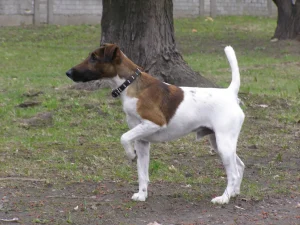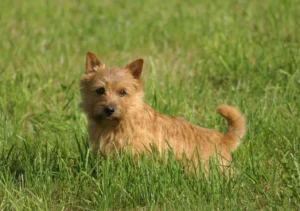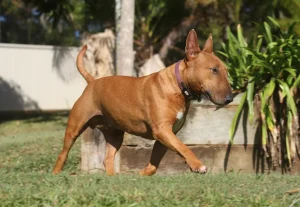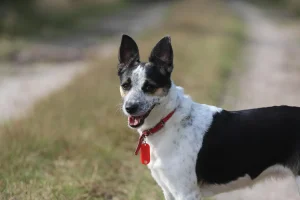
Valencian Terrier
Breed Group
Terrier Dogs
Country of Origin
Spain
Breed Size
Small
AKC Recognition
No
FCI Recognition
Yes, recognized in 2022
Family dog
Below Average3 / 10
Good with kids
Fair3 / 10
First-time owner
Fair3 / 10
Apartment dog
Great8 / 10
Yard need
Rarely Needed9 / 10
Can be left alone
Very Good8 / 10
What Do Owners Want to Know?
Are Valencian Terrier good family dogs?
The Valencian Terrier is a loyal and affectionate companion that integrates well into active families. While they are generally good with children, their high energy and hunting instincts require that they receive sufficient mental and physical exercise to remain balanced.
Family dog: 3 / 10
Are Valencian Terrier good with kids?
Valencian Terriers are generally patient and affectionate with children, making them suitable companions for active families. Their small size makes them approachable for kids, while their playful nature matches a child's energy levels. However, due to their high energy and strong hunting instincts, supervision and early socialization are recommended to ensure interactions remain safe and gentle for both the dog and the child.
Good with kids: 3 / 10
Are Valencian Terrier good for first-time owners?
Valencian Terriers can be challenging for first-time owners due to their high intelligence, independent nature, and strong hunting instincts. They require an experienced handler who can provide consistent, reward-based training and satisfy their significant needs for mental and physical stimulation. While loyal to their families, their tendency to bark and their suspicious nature around strangers require dedicated socialization to ensure they become well-adjusted companions.
First-time owner: 3 / 10
Are Valencian Terrier good apartment dogs?
Valencian Terriers are excellent apartment dogs due to their compact size and adaptable nature. While they are energetic and require daily walks to satisfy their hunting instincts, they settle nicely indoors when their physical and mental needs are met. Their small stature makes them perfect for city dwellers who can provide regular outdoor activity.
Apartment dog: 8 / 10
Do Valencian Terrier need a yard?
A yard is not strictly required for a Valencian Terrier, as they can adapt well to apartment living with dedicated owners. However, a secure yard is highly beneficial for this energetic breed to engage in off-leash play and satisfy their hunting instincts. Daily walks and mental stimulation are essential to prevent boredom and ensure they remain well-behaved regardless of yard access.
Yard need: 9 / 10
Can Valencian Terrier be left alone?
The Valencian Terrier is a dedicated companion that can handle being alone for moderate periods, as they are independent and courageous by nature. While they are generally more tolerant of solitude than some other breeds, they still require significant mental and physical engagement upon their owner's return to prevent boredom. Providing interactive toys and ensuring they have had a long walk before being left can help them remain calm and content while solo.
Can be left alone: 8 / 10
Are Valencian Terrier good with cats?
Valencian Terriers may struggle to coexist with cats due to their strong hunting heritage and high prey drive. While they can sometimes live harmoniously if raised together from a young age, their natural instinct to chase smaller animals means that introductions should be cautious and closely supervised.
Good with cats: 2 / 10
Are Valencian Terrier aggressive?
Valencian Terriers are not naturally aggressive but possess a strong-willed, alert, and suspicious nature toward strangers. Originally bred for vermin control, they are brave and courageous, which can lead to reactive behavior if they feel cornered or insufficiently socialized. Consistent, reward-based training and early socialization are essential to manage their protective instincts and ensuring they remain well-behaved companions.
Aggression tendency: 3 / 10
Are Valencian Terrier high-energy dogs?
The Valencian Terrier is a high-energy dynamo with a spirited and alert personality. Originally bred for vermin control, they possess boundless energy and a strong work ethic, requiring regular mental and physical stimulation. While they are adaptable to apartment living, they are not couch potatoes and thrive when provided with a "mission," such as agility, brisk walks, or interactive games, to satisfy their active nature and prevent boredom.
Energy level: 7 / 10
How much exercise does a Valencian Terrier need?
Valencian Terriers are lively and active dogs that require at least 60 minutes of daily exercise to stay healthy and mentally stimulated. As a spirited hunting breed, they benefit from a mix of brisk walks, off-leash play in a secure area, and interactive games that challenge their intelligence. Providing varied activities such as scent work or agility helps satisfy their high energy levels and prevents boredom-related behaviors.
Exercise need: 2 / 10
Can Valencian Terrier live in hot weather?
Valencian Terriers generally tolerate warm weather well due to their Spanish heritage and short, single-layer coat which allows for efficient heat dissipation. While they are adaptable to Mediterranean climates, owners should still provide ample shade and fresh water during peak temperatures. To prevent overheating, it is best to schedule vigorous exercise during the cooler morning or evening hours.
Hot weather tolerance: 5 / 10
Can Valencian Terrier live in cold weather?
Valencian Terriers have a below average tolerance for cold weather due to their short coats and lack of a dense undercoat. While they are active and hardy, their small size and thin fur make them susceptible to chilling in freezing temperatures. Owners should provide a warm dog sweater or jacket during winter walks and limit outdoor exposure during extreme cold to ensure their comfort and safety.
Cold weather tolerance: 4 / 10
Are Valencian Terrier banned in apartments or rentals?
Valencian Terriers are rarely subject to breed bans, as their small size and adaptable nature make them well-suited for apartment living. They are generally considered low-risk for rental properties, though their high energy requires dedicated management to prevent boredom. Always verify individual landlord policies regarding active breeds or specific pet documentation requirements.
Rental restriction risk: 9 / 10
Vet Insights
Valencian Terriers are generally healthy and hardy, but like many small breeds, they are predisposed to certain conditions. As a veterinarian, I recommend monitoring for patellar luxation, where the kneecap slips out of place, and Legg-Calve-Perthes disease, which affects the hip joint in young dogs. Their small size also makes them particularly prone to dental issues like gingivitis and tartar buildup, necessitating a proactive oral hygiene routine. While data is limited, owners should also watch for eye problems and allergies. Maintaining a lean weight and providing consistent mental and physical outlets are essential to supporting their long-term well-being and managing their high energy.