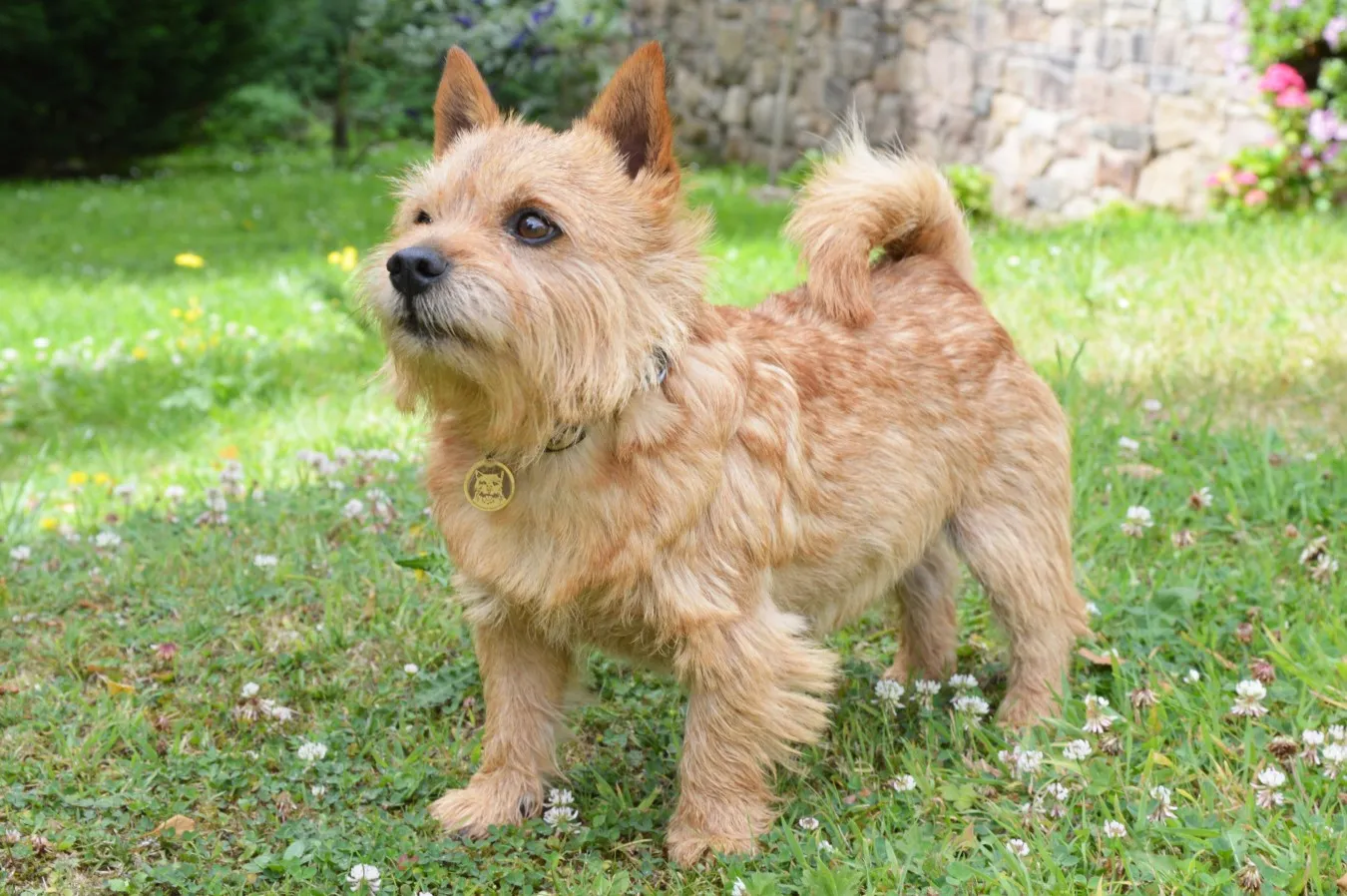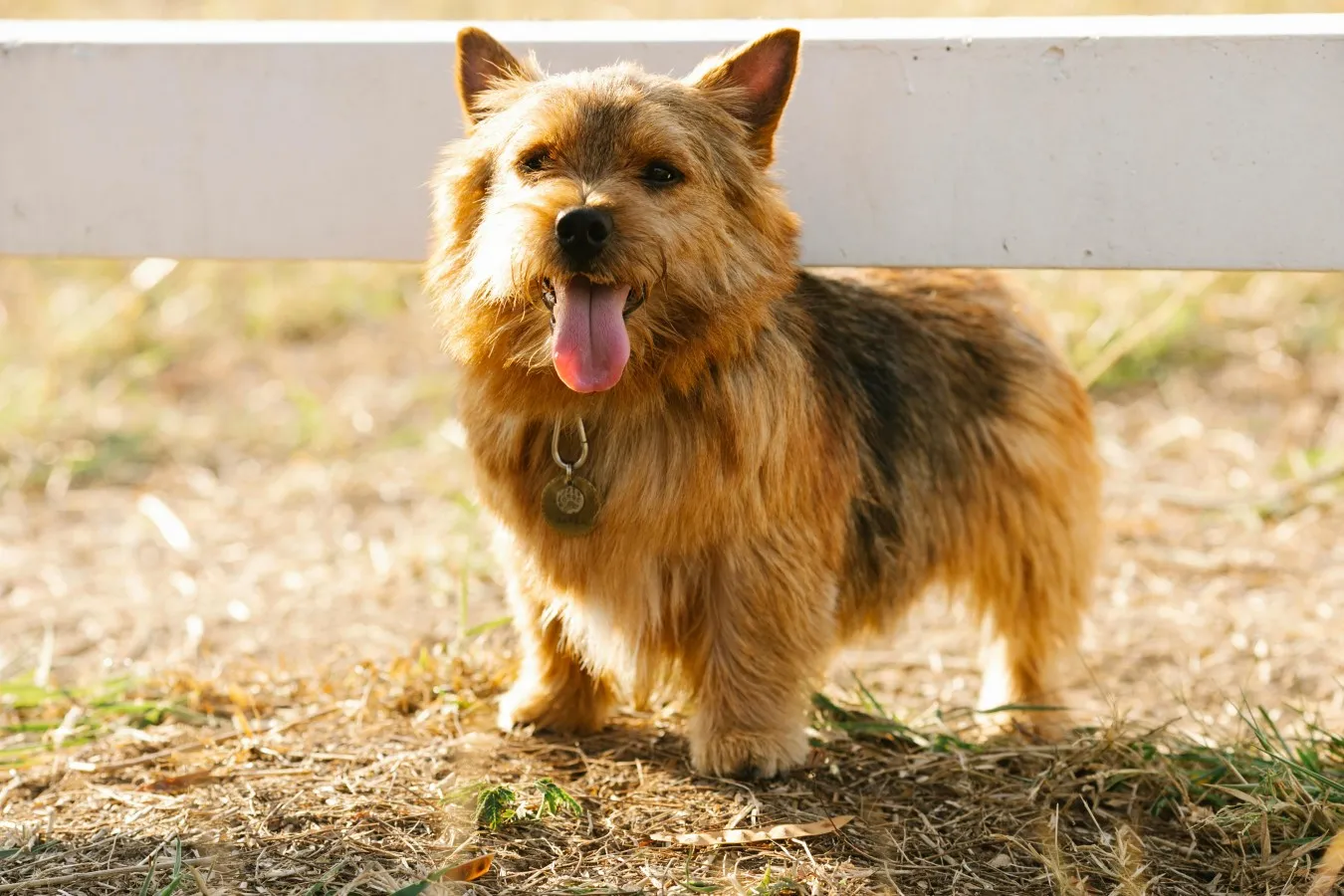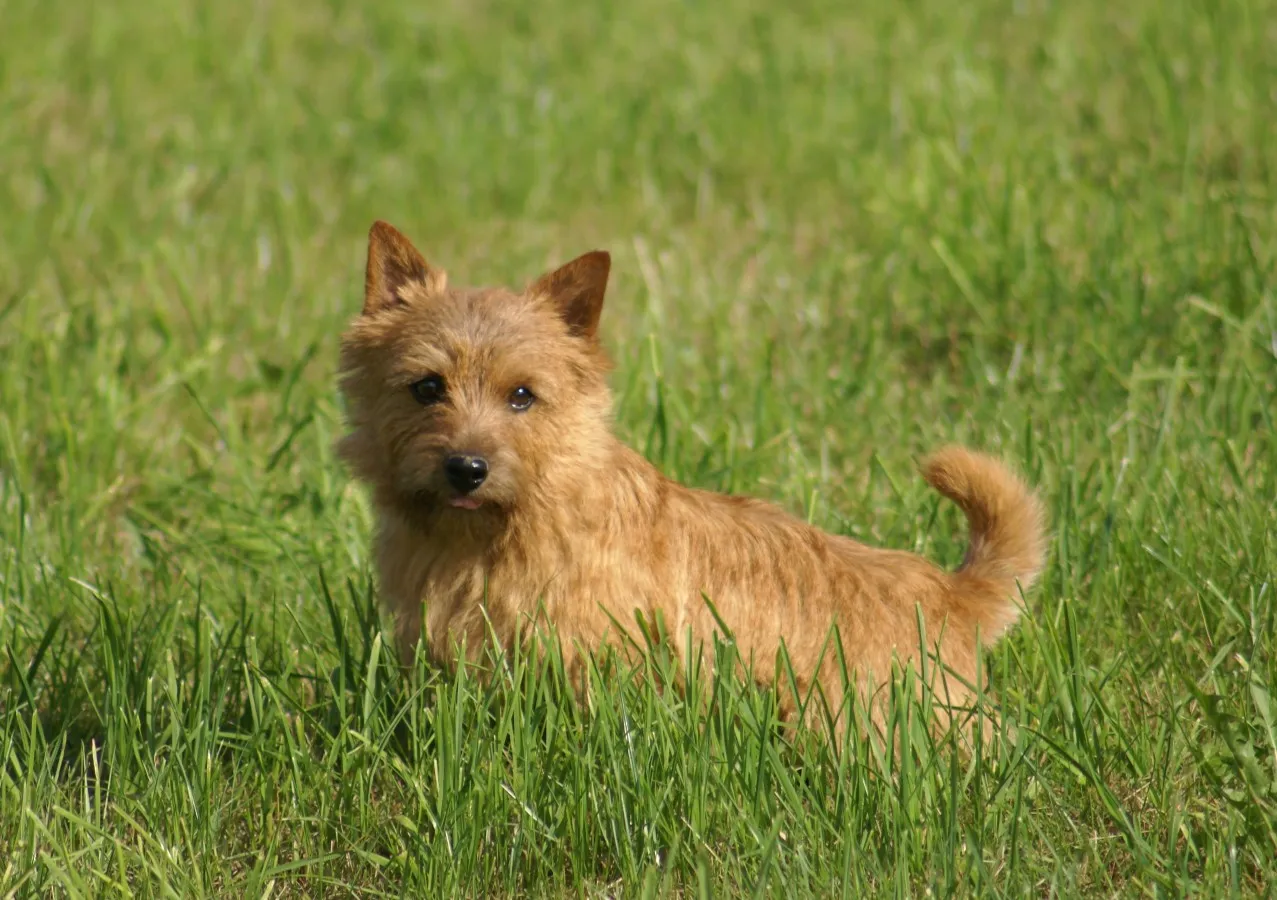
Norwich Terrier - MAIN HUB
BREED GROUP
Terrier Dogs
Country of origin
United Kingdom
BREED SIZE
Small
BREED HEIGHT
9 -
12 IN
23 -
30 cm
BREED WEIGHT
12 -
14 LB
5 -
6 KG
WHAT YOU NEED TO KNOW
american kennel club (AKC) recognition
Yes
Breed was recognized in 1936.

International Canine Federation (FCI) recognition
Yes
Breed was recognized in 1954.
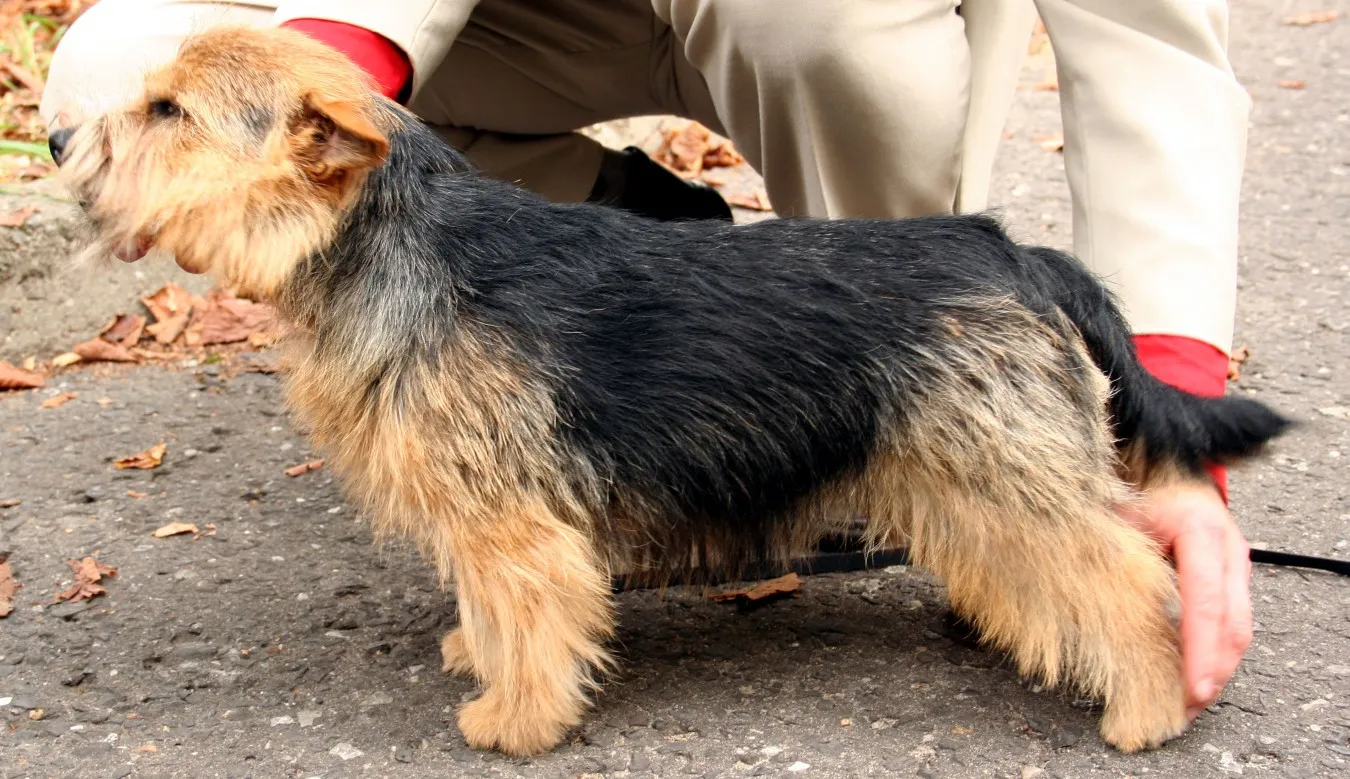
WHAT DO OWNERS WANT TO KNOW?
Are Norwich Terriers good family dogs?
Good
7 out of 10
The Norwich Terrier is an excellent family pet due to its affectionate, loyal, and spirited nature. They are highly adaptable to various living situations, including apartments, but require regular mental stimulation and exercise to remain happy. Their intelligence and compact size make them engaging companions for active households.

Are Norwich Terriers good with kids?
Good
7 out of 10
Norwich Terriers are generally excellent with children, known for their affectionate, playful, and sturdy nature. While they are tough enough to handle active play, they are small and may not tolerate roughhousing, so interactions with younger kids should always be supervised. Teaching children to respect the dog's space and handle them gently ensures a harmonious and loyal bond.
Are Norwich Terriers good dogs for first time owners?
Very Good
7 out of 10
Norwich Terriers are highly recommended for first-time owners due to their intelligence, eagerness to please, and adaptable nature. While they possess an independent terrier streak that requires consistent, positive reinforcement training, their friendly and social temperament makes them more manageable and rewarding for novices compared to other terrier breeds. Owners should be prepared for their high energy levels and potential for separation anxiety by providing ample daily exercise and companionship.
Are Norwich Terriers good apartment dogs?
Great
8 out of 10
Norwich Terriers are excellent apartment dogs due to their small size and highly adaptable nature. They thrive in smaller living spaces provided their daily exercise and mental stimulation needs are met, though consistent training may be needed to manage their tendency to bark.
Do Norwich Terriers need a yard?
Low
7 out of 10
A yard is not strictly required for a Norwich Terrier, as they are highly adaptable and can thrive in apartments with sufficient daily exercise. However, a securely fenced yard is highly recommended to provide a safe space for off-leash play and to accommodate their strong natural instinct to chase prey.
Can Norwich Terriers be left at home alone?
Not Recommended
9 out of 10
Norwich Terriers are highly social and thrive on human companionship, making them prone to separation anxiety if left alone for long periods. They can develop destructive habits like barking or digging if they become bored or stressed by isolation. While they can tolerate moderate absences with mental stimulation and training, they are happiest in households where someone is frequently present.
Do Norwich Terriers tolerate cats well?
Below Average
3 out of 10
Norwich Terriers can coexist peacefully with cats, especially when raised together from a young age or properly socialized. While their terrier heritage gives them a high prey drive that may trigger a desire to chase, they are generally more tolerant of feline housemates than other small animals. Success depends on slow, supervised introductions and consistent training to manage their hunting instincts and ensure a harmonious multi-pet home.
Are Norwich Terriers known to be aggressive?
Reactive
2 out of 10
Norwich Terriers are not naturally aggressive; they are famously friendly, loyal, and social companions. While they possess the typical fearless spirit of a terrier, they are generally jovial and warm up to strangers quickly once they feel safe. Any snappy behavior typically only occurs if they are handled roughly or if their space isn't respected, making early socialization and consistent positive reinforcement essential to maintaining their stable, good-natured temperament.
Do Norwich Terriers have a lot of energy?
High
8 out of 10
Norwich Terriers are spirited, high-energy dogs that require daily physical exercise and mental stimulation to stay happy and prevent boredom. Despite their small size, they are rugged and athletic companions that thrive on regular walks, play sessions, and interactive challenges to burn off their abundant energy.
How much exercise do Norwich Terriers need?
~75 min a day
7 out of 10
Despite their small size, Norwich Terriers are high-energy dogs that require at least 60 minutes of daily exercise to remain healthy and prevent boredom-induced behaviors like digging or barking. This should include a mix of brisk walks, interactive indoor play, and opportunities for mental stimulation through scent games or puzzle toys. Because of their strong prey drive, they should always be exercised on a leash or within a securely fenced area to ensure they don't wander off in pursuit of small animals.
Do Norwich Terriers tolerate hot weather well?
Average
5 out of 10
Norwich Terriers have a moderate tolerance for warm weather but can be prone to overheating due to their dense, wiry double coats. Owners should provide constant access to shade and fresh water, limiting strenuous activity to the cooler morning or evening hours. Because they are low to the ground, they are also sensitive to heat radiating from hot pavement and should be monitored closely during summer months.
Are Norwich Terriers good with cold weather?
Average
5 out of 10
Norwich Terriers have a moderate tolerance for warm weather but can be prone to overheating due to their dense, wiry double coats. Owners should provide constant access to shade and fresh water, limiting strenuous activity to the cooler morning or evening hours. Because they are low to the ground, they are also sensitive to heat radiating from hot pavement and should be monitored closely during summer months.
Are Norwich Terriers sometimes banned from rentals?
Rarely Banned
8 out of 10
Rarely. Norwich Terriers are rarely subject to breed bans due to their small size and affectionate, jovial nature. They are highly adaptable and well-suited for apartment living, provided their daily exercise and mental stimulation needs are met. While they may bark to alert owners of strangers, this behavior can typically be managed through consistent training and socialization.
WHAT DO OWNERS WANT TO KNOW?