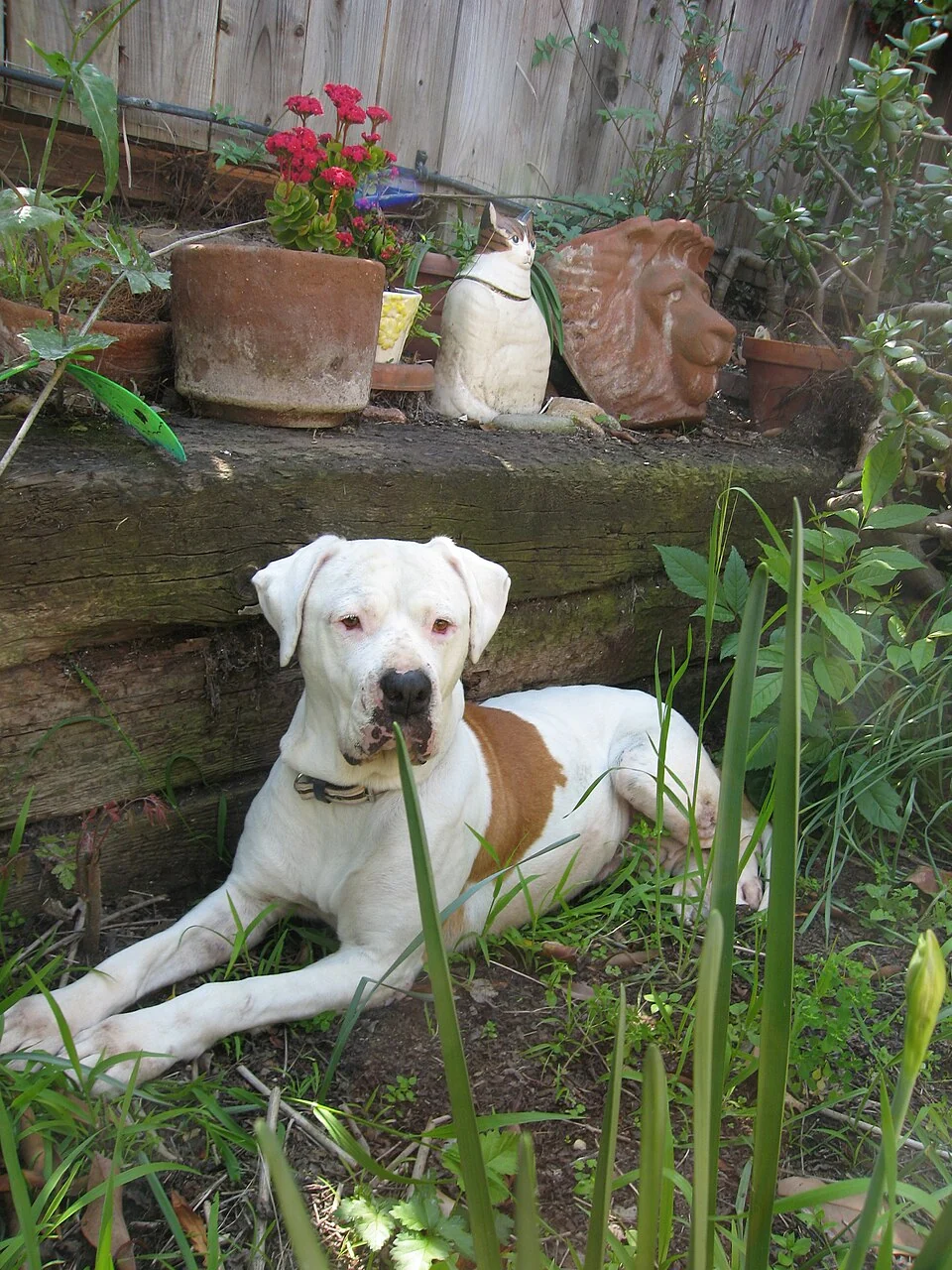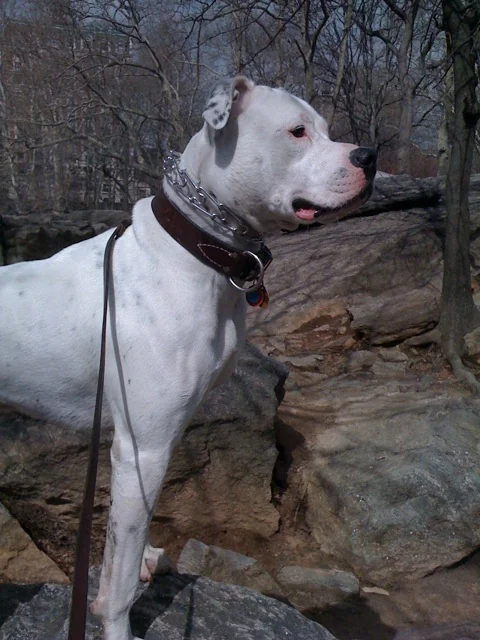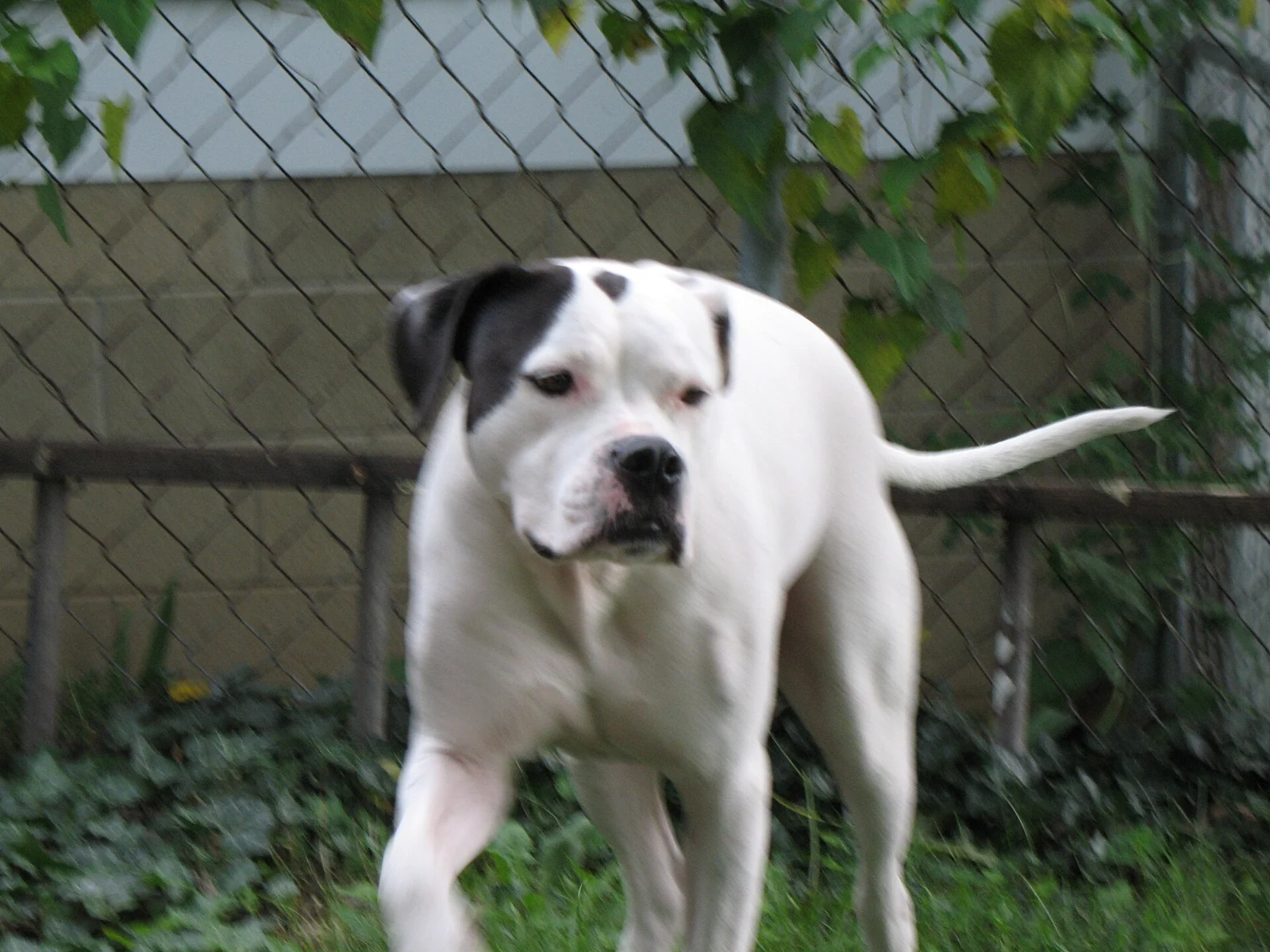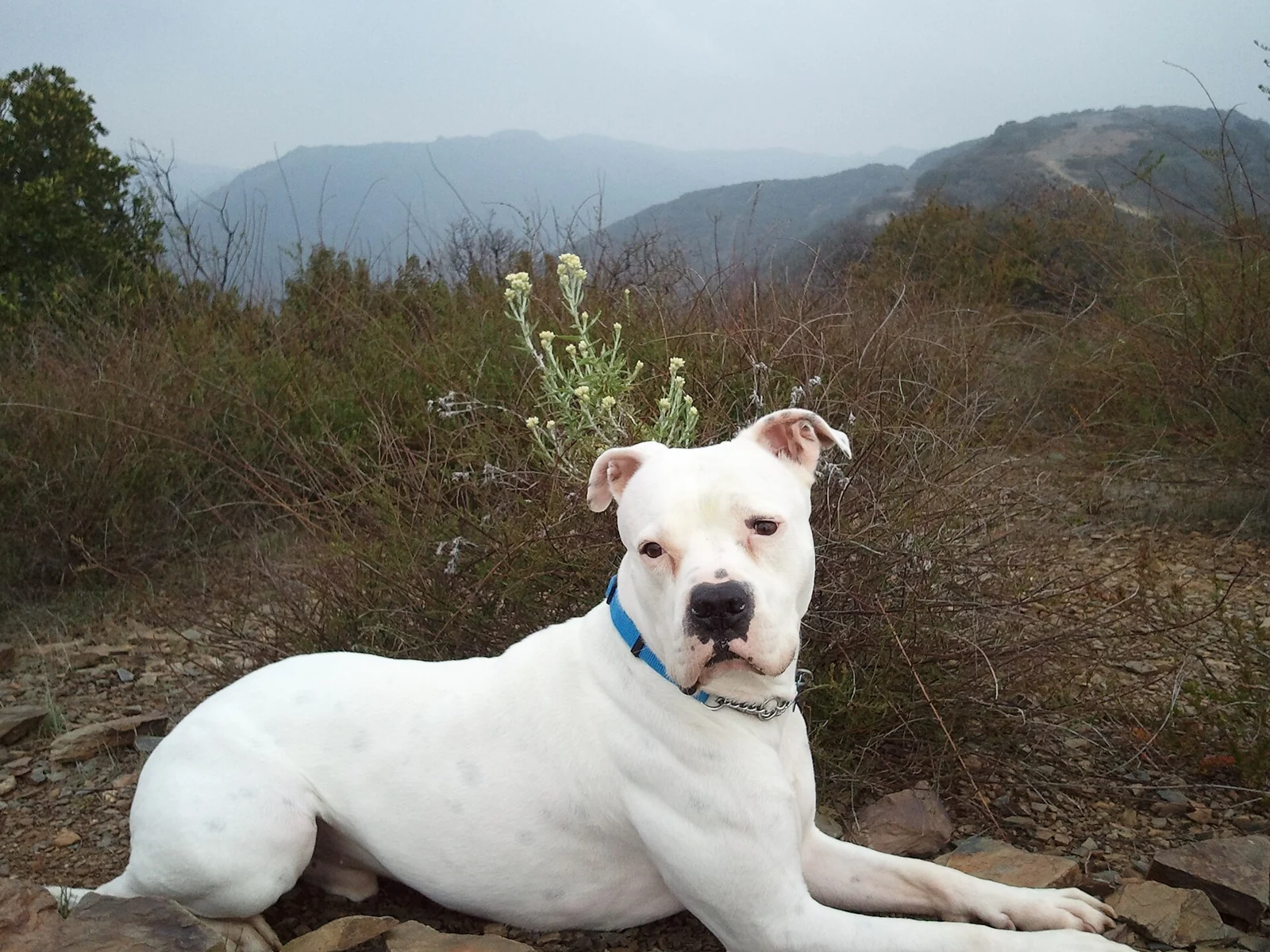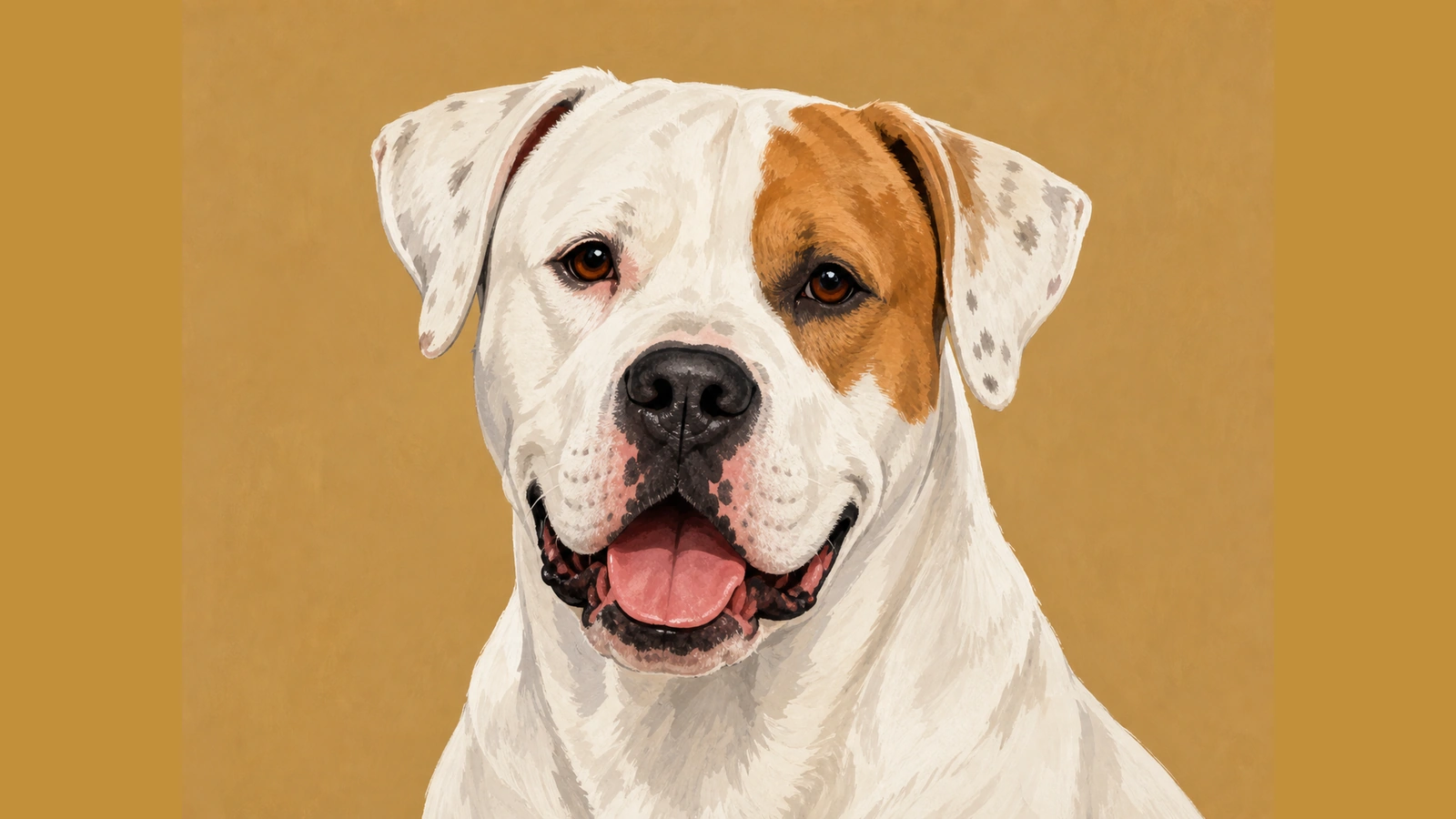
American Bulldog - MAIN HUB
BREED GROUP
Working Dogs
Country of origin
United States
BREED SIZE
Large
BREED HEIGHT
20 -
28 IN
51 -
71 cm
BREED WEIGHT
60 -
100 LB
27 -
45 KG
WHAT YOU NEED TO KNOW
american kennel club (AKC) recognition
No
Breed was recognized in 0.

International Canine Federation (FCI) recognition
Yes
Breed was recognized in 1954.
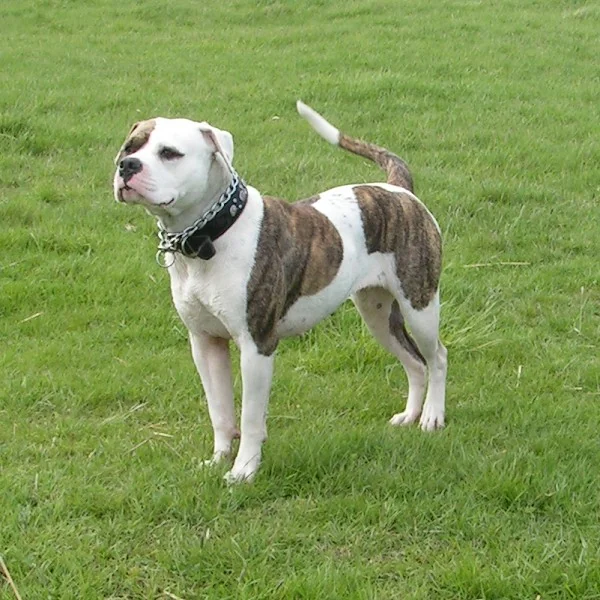
WHAT DO OWNERS WANT TO KNOW?
Are American Bulldogs good family dogs?
Very Good
8 out of 10
American Bulldogs make excellent companions for active families due to their loyal, protective nature and goofy personalities. However, they are best suited for experienced owners who can provide the consistent training and significant daily exercise they require to thrive.


Are American Bulldogs good with kids?
Great
9 out of 10
American Bulldogs are generally great with children, often described as affectionate and patient "gentle giants." Their loyal and protective nature makes them devoted companions; however, because of their immense strength and high energy, they can accidentally knock over small children. Close supervision is essential, and they are often best suited for families with older children who can handle their powerful and exuberant play style.
Are American Bulldogs good dogs for first time owners?
Not Recommended
1 out of 10
American Bulldogs are generally not recommended for first-time owners due to their powerful build, dominant nature, and high training requirements. They require a confident, experienced leader who can provide consistent structure, early socialization, and significant daily exercise to manage their strength and protective instincts. While they are deeply loyal and affectionate, their intelligence combined with a headstrong streak can make them a challenge for those unfamiliar with assertive breeds.
Are American Bulldogs good apartment dogs?
Fair
3 out of 10
American Bulldogs are only fair for apartment living due to their large size and high energy levels. While they can adapt if their significant exercise needs are met through long walks and active play, their powerful presence and potential for boredom-induced destructive behavior make them better suited for homes with yards. Additionally, prospective owners should be aware that they are frequently subject to breed-specific restrictions in rental agreements.
Do American Bulldogs need a yard?
Strictly Required
1 out of 10
While American Bulldogs can adapt to city living, a large, fenced yard is highly recommended to accommodate their high energy levels and athletic nature. Access to a secure outdoor space allows these powerful dogs to engage in safe, off-leash play and training, which is essential for preventing boredom-induced destructive behaviors.
Can American Bulldogs be left at home alone?
Fair
3 out of 10
American Bulldogs thrive on human interaction and are best suited for households where they aren't left alone for long periods. While they can tolerate moderate absences if their physical and mental needs are met, prolonged isolation can lead to frustration and boredom-induced destructive behaviors like chewing or digging. Consistent training and providing puzzle toys can help manage their time alone more effectively.
Do American Bulldogs tolerate cats well?
Excellent
9 out of 10
American Bulldogs generally get along excellently with cats, especially when raised together from a young age. Their loyal and affectionate nature helps them form strong bonds with feline companions. Due to their large size and strength, initial introductions should be slow and supervised to ensure a safe and peaceful multi-pet household.
Are American Bulldogs known to be aggressive?
Protective
3 out of 10
American Bulldogs are not naturally aggressive but possess a powerful, protective instinct and loyal nature. While they are often described as goofy and affectionate with their families, their immense strength and guardian heritage mean they can be reserved or protective around strangers. Early socialization, consistent positive reinforcement training, and experienced handling are essential to ensure their protective tendencies are channeled correctly and do not develop into reactive behavior.
Do American Bulldogs have a lot of energy?
Hyperactive
10 out of 10
American Bulldogs are high-energy dogs that require substantial daily exercise and mental stimulation to thrive. Originally bred as hardworking farm companions, they possess great strength and endurance, requiring at least one to two hours of active engagement to prevent boredom and destructive behaviors like chewing or digging.
How much exercise do American Bulldogs need?
60-120 min a day
7 out of 10
American Bulldogs are active, athletic dogs that typically require 60 to 120 minutes of daily exercise to stay healthy and prevent destructive behaviors. Because of their powerful build, they thrive on vigorous activities like long walks, hiking, or structured play, though owners must be cautious of overheating during warm weather. Consistent physical engagement combined with mental stimulation is essential for this loyal and goofy breed.
Do American Bulldogs tolerate hot weather well?
Good
6 out of 10
American Bulldogs are sensitive to heat and humidity, making them prone to overheating. Owners should provide constant access to shade and fresh water, and consider using a small cooling pool for outdoor time. It is best to limit exercise to the cooler morning or evening hours and watch closely for signs of heat stress, as their internal temperature can rise quickly.
Are American Bulldogs good with cold weather?
Good
6 out of 10
American Bulldogs are sensitive to heat and humidity, making them prone to overheating. Owners should provide constant access to shade and fresh water, and consider using a small cooling pool for outdoor time. It is best to limit exercise to the cooler morning or evening hours and watch closely for signs of heat stress, as their internal temperature can rise quickly.
Are American Bulldogs sometimes banned from rentals?
Frequently Restricted
1 out of 10
American Bulldogs are frequently subject to apartment breed bans due to their large size, muscular build, and historical reputation. Many insurance companies classify them as high-risk, leading landlords to exclude them to maintain coverage or reduce liability. Prospective owners should check local ordinances for breed-specific legislation and consider providing a pet resume or training certifications to potentially secure an exception.
WHAT DO OWNERS WANT TO KNOW?