Skip to content

Belgian Malinois - MAIN HUB

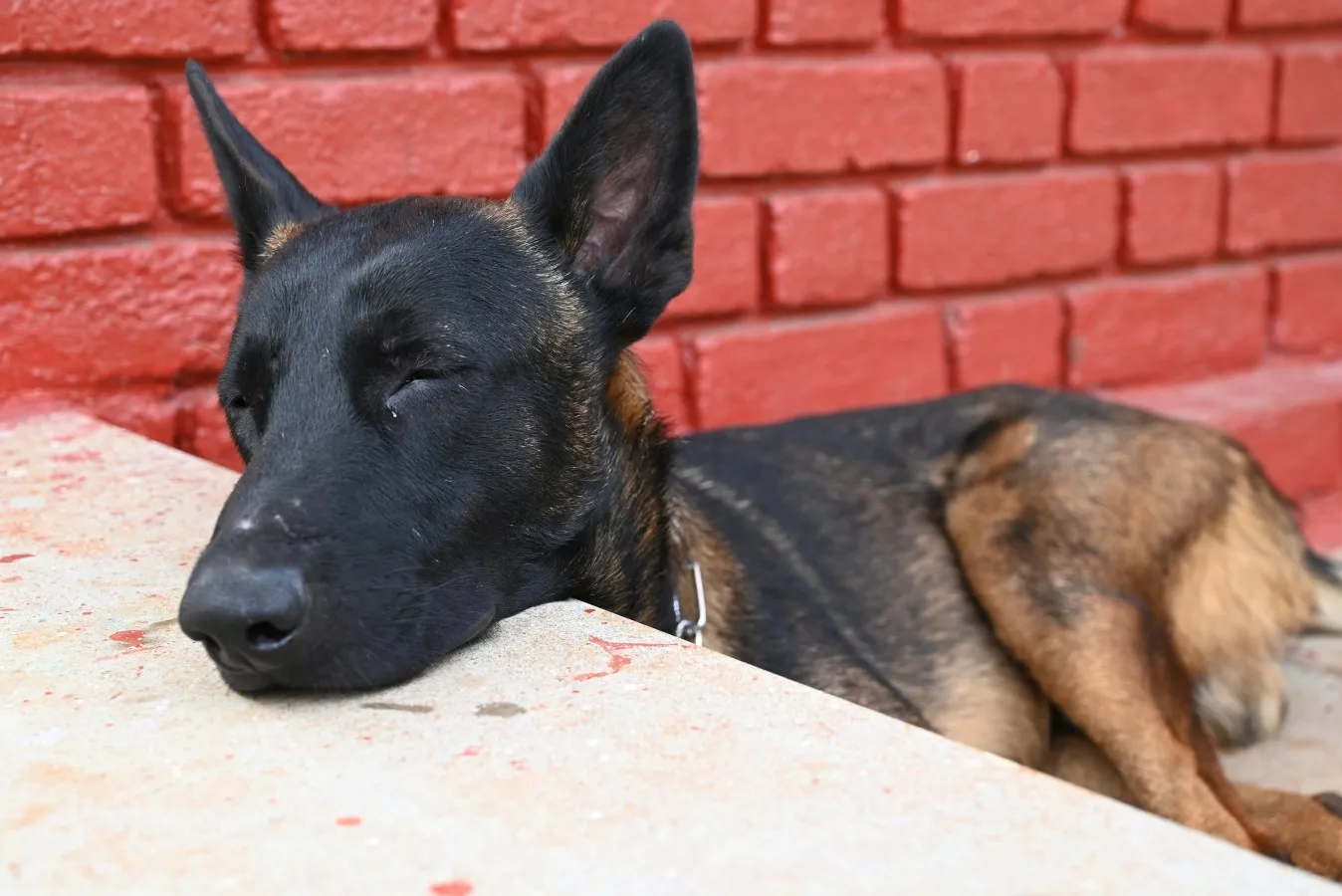
Meet the Belgian Malinois: a brilliant, tireless athlete and loyal partner ready for high-energy adventures and serious mental challenges!

BREED GROUP

Working Dogs

Country of origin

Belgium

BREED SIZE

Large

BREED HEIGHT

22 -

26 IN

56 -

66 cm

BREED WEIGHT

40 -

80 LB

18 -

36 KG

WHAT YOU NEED TO KNOW

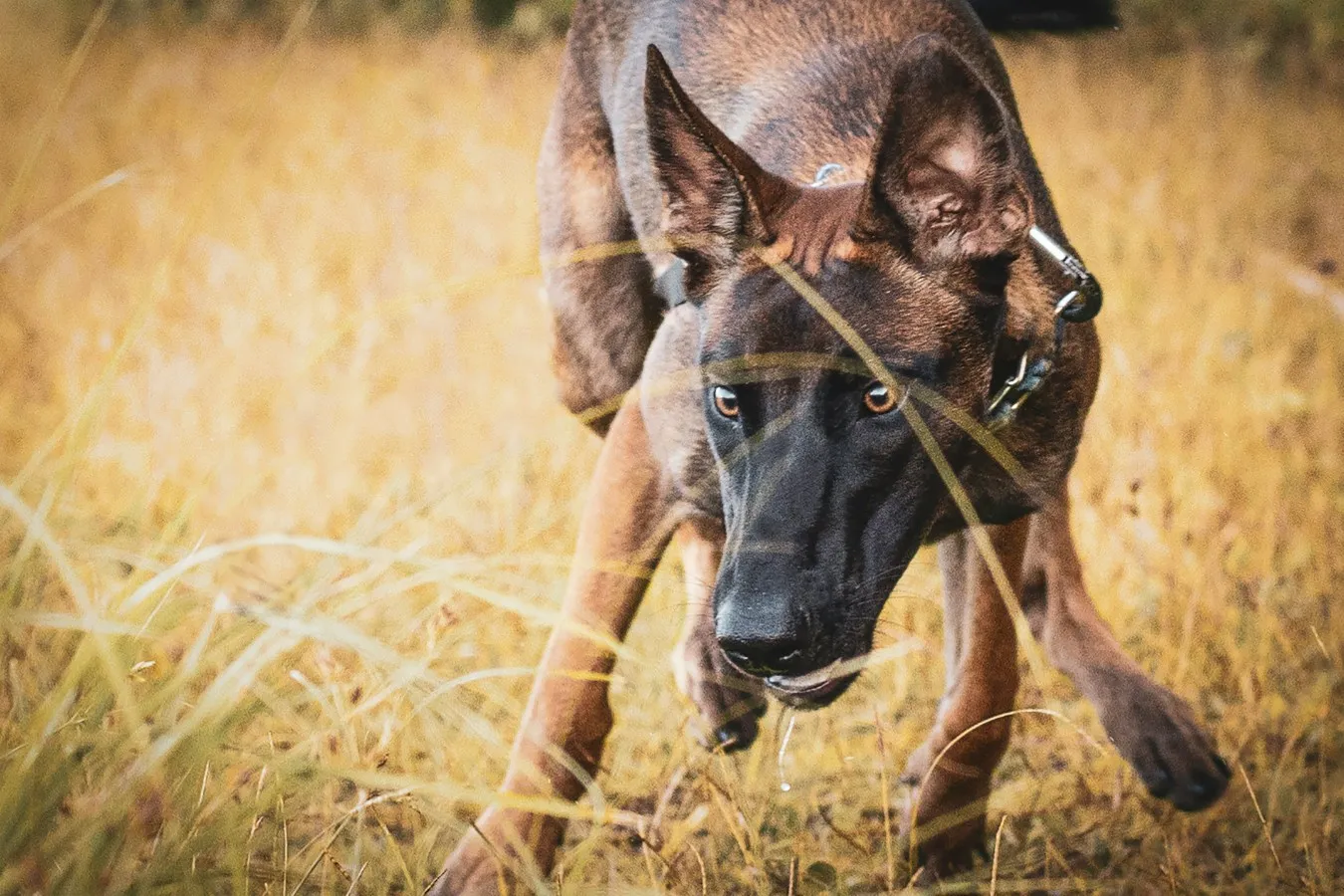
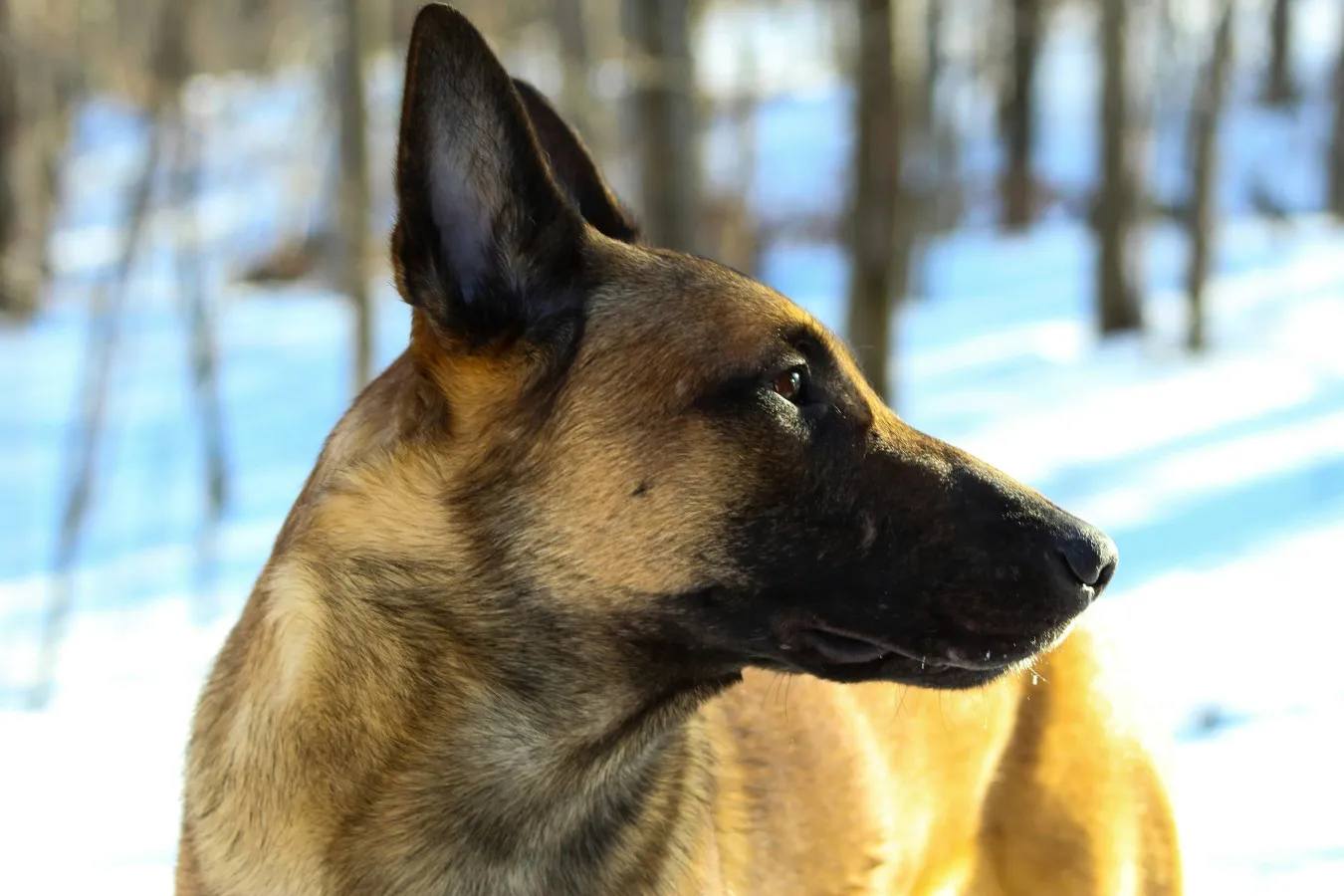
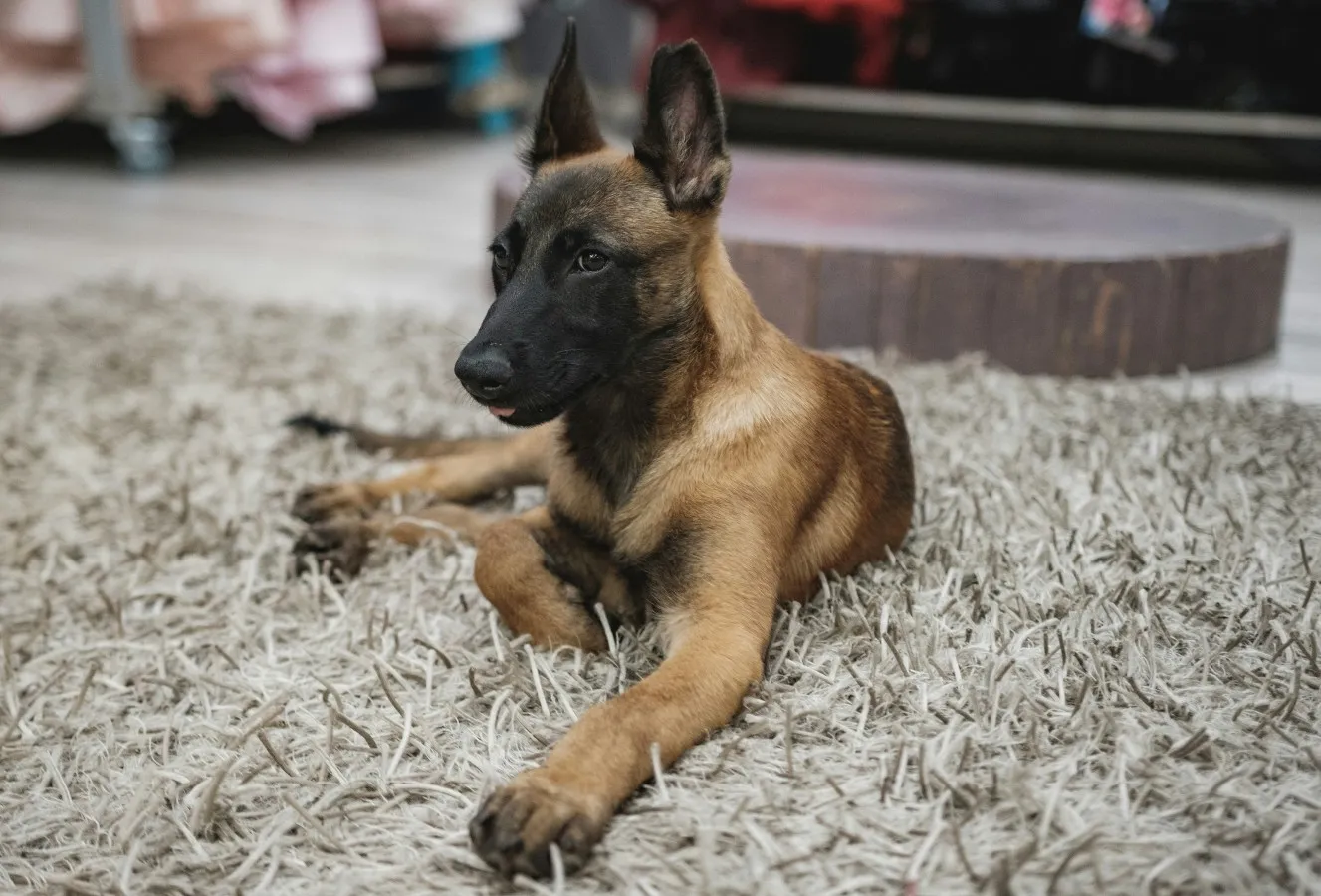
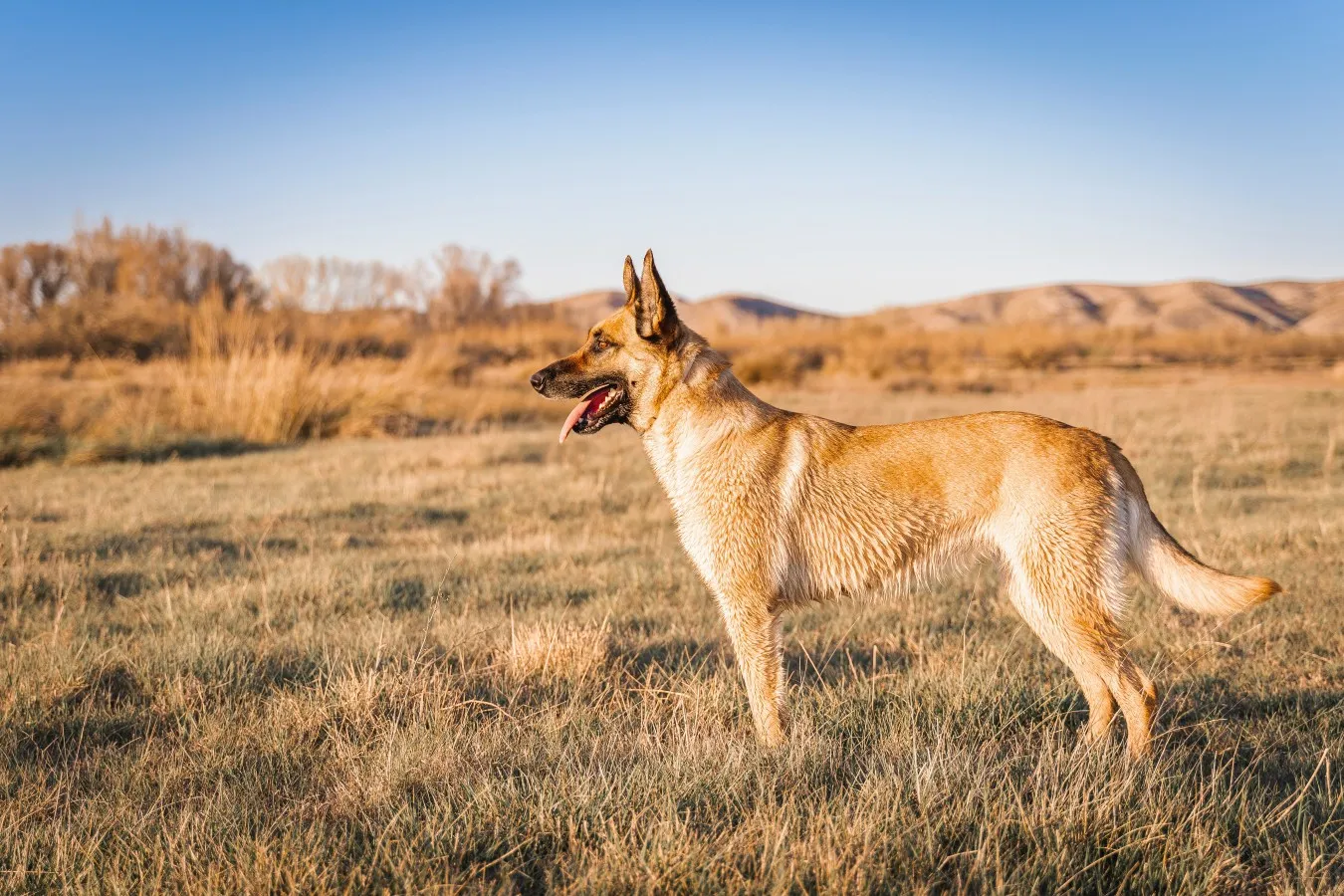
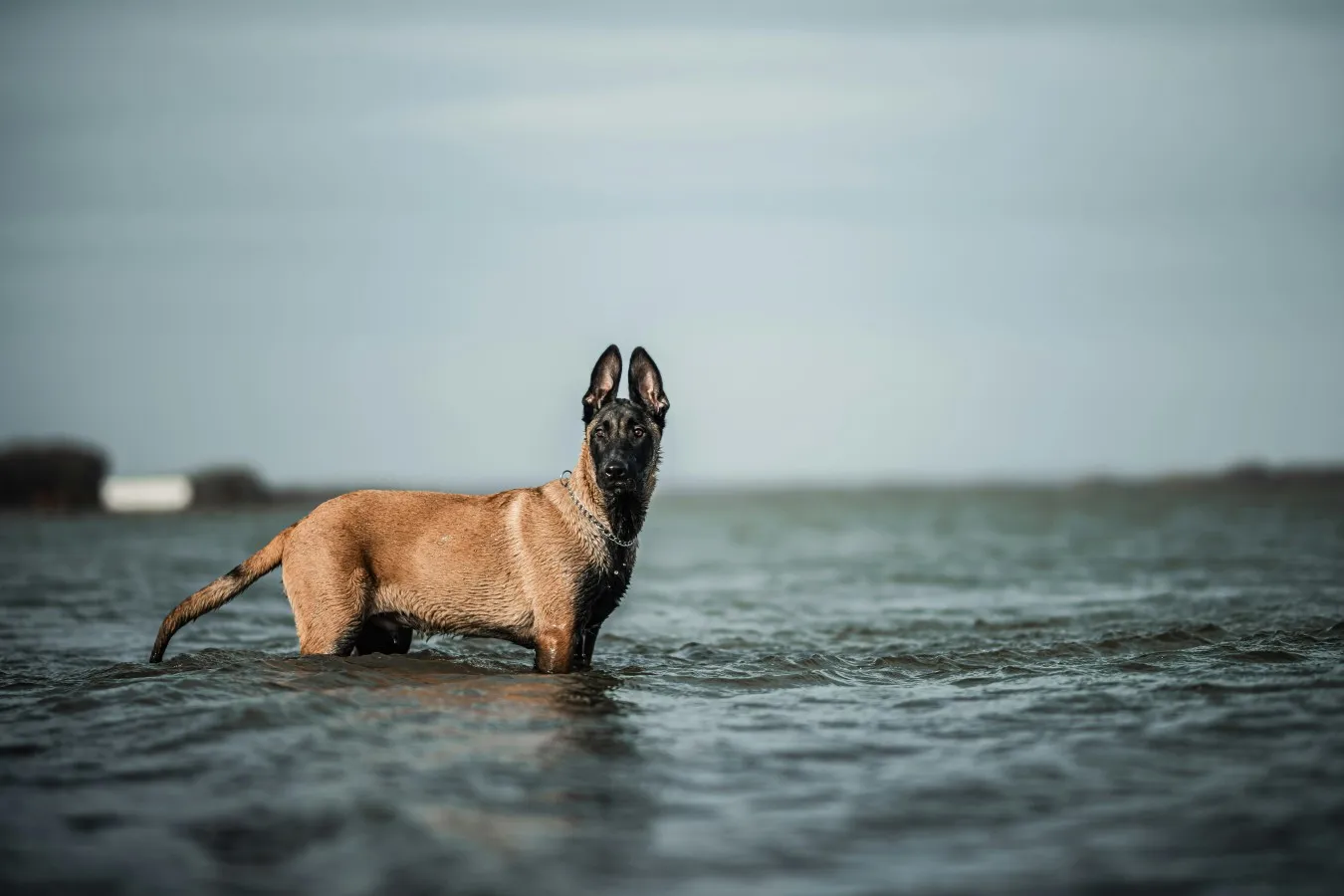
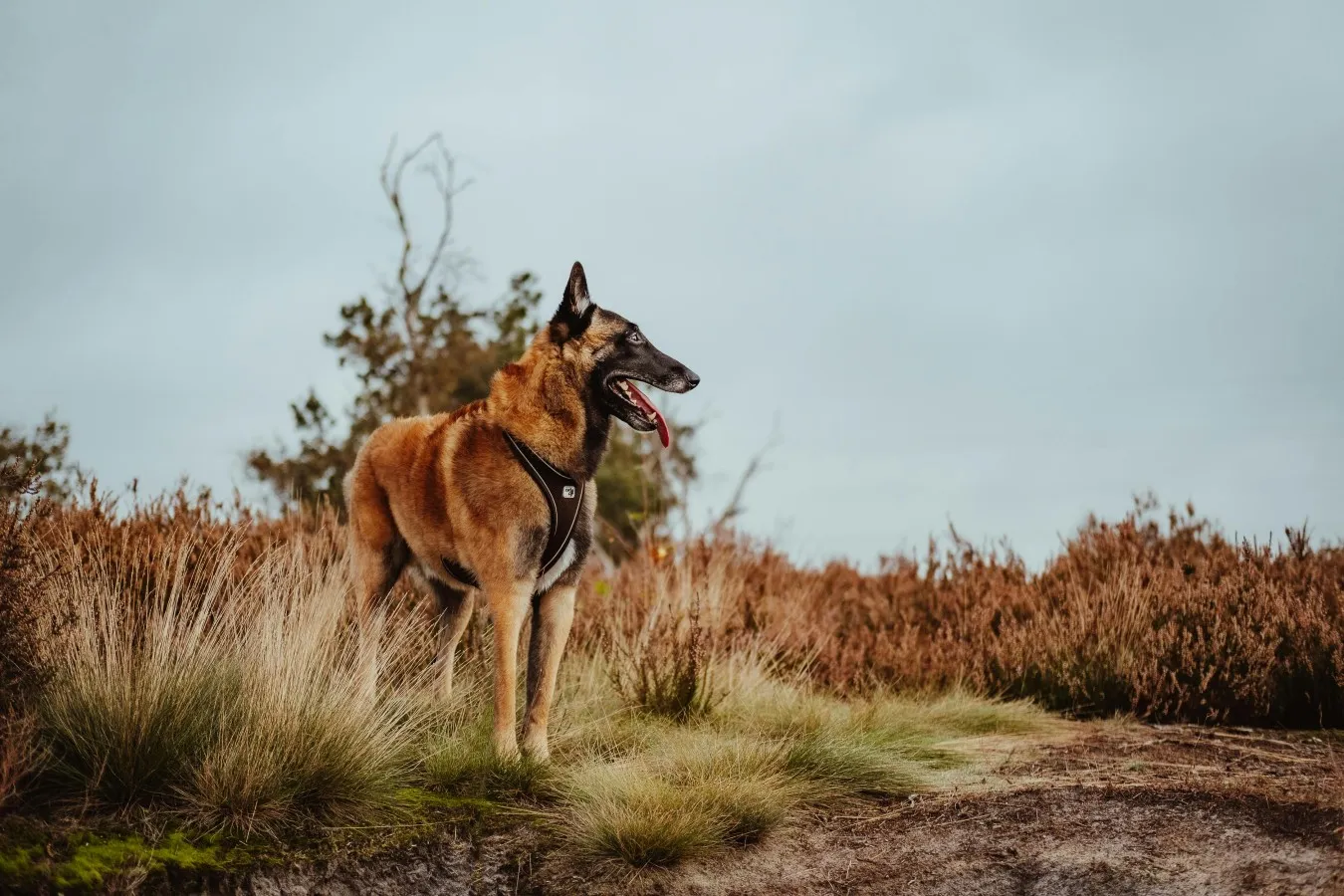
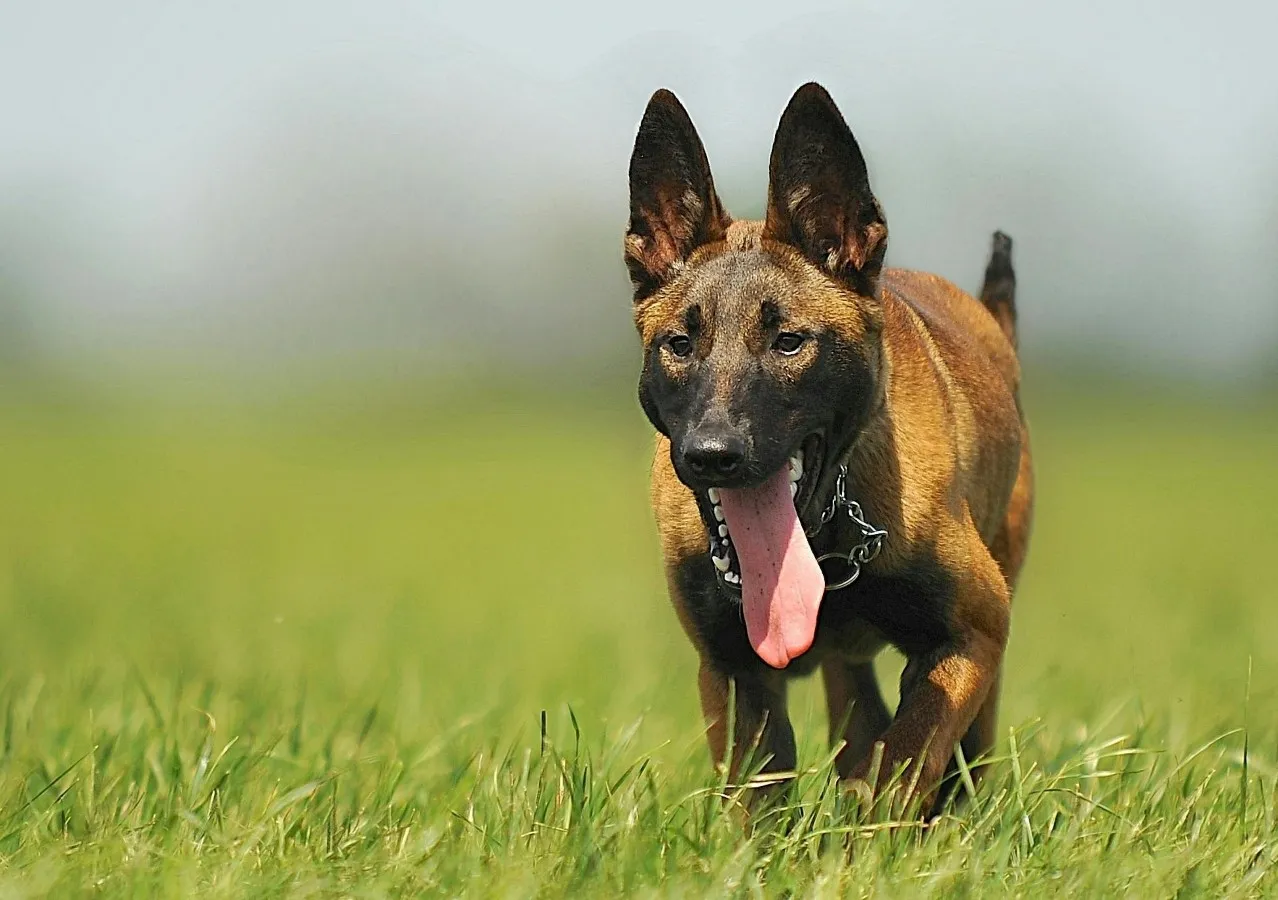
The Belgian Malinois is a highly intelligent, intense, and athletic herding breed originating from Belgium. Often confused with the German Shepherd, they possess a sleeker, more elegant build and extreme energy levels. Mals are world-class workers, frequently serving in police and military K-9 units due to their exceptional trainability and drive. While loyal and protective companions, they are not recommended for novice owners. They require at least two hours of vigorous daily exercise and significant mental stimulation to prevent destructive behaviors. This sensitive breed thrive in active households that provide consistent training.
american kennel club (AKC) recognition

Yes

Breed was recognized in 1959.

International Canine Federation (FCI) recognition

Yes

Breed was recognized in 1956.

WHAT DO OWNERS WANT TO KNOW?

Are Belgian Malinois good family dogs?

Good

7 out of 10

The Belgian Malinois is a loyal and protective companion that thrives in active households providing consistent training. However, they are generally not recommended for novice owners due to their extreme energy levels and the need for at least two hours of daily vigorous exercise to prevent destructive behaviors.

Not Recommended

1 out of 10

Belgian Malinois can be wonderful with children when raised with them and provided with early, consistent training and socialization. However, they are generally not recommended for families with toddlers or small children due to their extreme energy, high prey drive, and tendency to chase or nip at moving objects. Because they can be protective and may inadvertently knock over smaller kids during play, constant adult supervision is essential to ensure interactions remain safe for everyone involved.

Not Recommended

1 out of 10

Belgian Malinois are not recommended for first-time owners due to their extreme energy, intense drive, and requirement for expert handling. Often described as a full-time job, they need at least two hours of daily vigorous exercise and advanced mental stimulation to prevent destructive behaviors. Their intelligence means they learn bad habits as quickly as good ones, making them unforgiving of training errors common with novices. Success with this breed requires a significant lifestyle commitment and previous experience with high-drive working dogs.

Strictly Not Recommended

1 out of 10

Belgian Malinois are generally not recommended for apartment living due to their extreme energy levels and intense need for physical and mental stimulation. While they can adapt if owners commit to several hours of vigorous daily exercise and structured training, their high drive and potential for destructive behavior when bored make them better suited for homes with large, secure yards.

Strictly Required

9 out of 10

A yard is essential for a Belgian Malinois because they are exceptionally high-energy working dogs that require a secure outdoor space for vigorous activity and free play. While they can adapt to various environments with dedicated owners, a fenced yard is highly recommended to satisfy their intense drive and prevent the destructive behaviors that often result from boredom and physical underemployment.

Not Recommended

1 out of 10

Belgian Malinois are highly social working dogs that should not be left alone for more than a few hours. Because they bond so intensely with their owners and crave constant activity, extended periods of isolation often lead to severe separation anxiety and destructive behaviors, such as chewing furniture or tearing up household items. They thrive best in environments where they are actively engaged with their human partners throughout the day.

Fair

4 out of 10

Belgian Malinois can coexist with cats, but their strong prey drive and herding instincts mean they are likely to chase feline companions. Success depends heavily on early socialization, consistent impulse control training, and gradual, supervised introductions. While they are highly trainable and can learn to live peacefully with household cats, owners must remain vigilant and provide high-up escape routes for the cat to ensure a safe environment.

Protective

3 out of 10

Belgian Malinois are not naturally aggressive, but they possess intense energy and strong protective instincts that can be mistaken for aggression. They are highly intelligent, alert, and devoted to their families, though they can be reserved with strangers. Aggression in this breed typically results from a lack of physical exercise, mental stimulation, or proper socialization. With consistent training and early exposure to various environments, they remain focused and well-behaved companions.

Hyperactive

10 out of 10

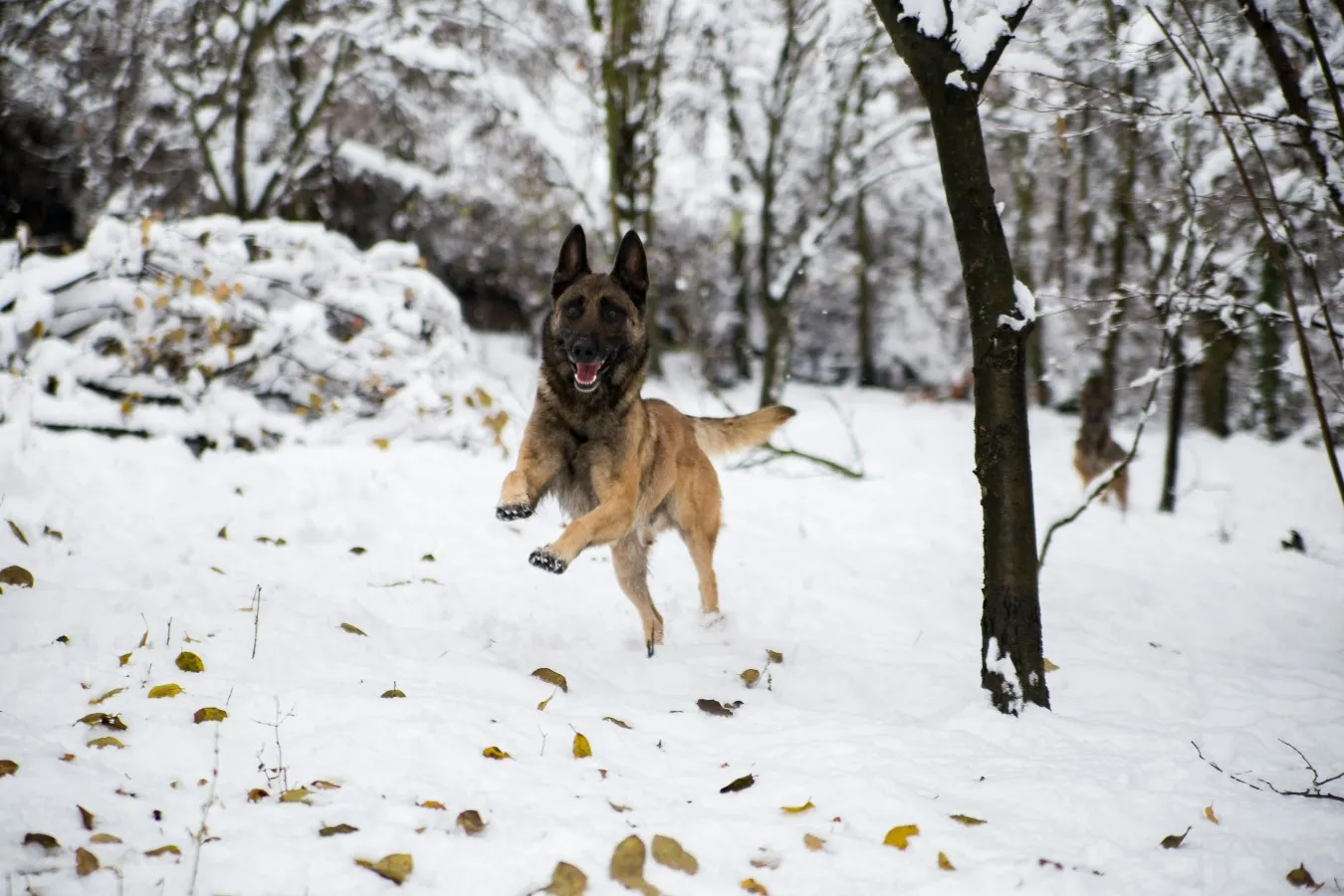
Belgian Malinois are exceptionally high-energy working dogs that require an intense amount of daily physical and mental stimulation. They are built for tireless activity and possess an extreme drive that makes them far more active than the average pet. Without an appropriate outlet for their energy, such as a job to perform or vigorous exercise, they can quickly become bored, leading to significant destructive behaviors.

~120+ min a day

10 out of 10

Belgian Malinois are exceptionally high-energy working dogs that require a significant commitment of at least 2 hours of vigorous daily exercise. Because they are bred for tireless work, simple walks are insufficient; they thrive on high-intensity activities like running, hiking, and biking. Incorporating structured mental challenges such as advanced obedience, agility, or scent work is essential to exhaust their active minds and prevent the destructive behaviors that often stem from boredom.

Good

6 out of 10

Belgian Malinois have a high heat tolerance compared to many other breeds, partly due to their insulating double coat that helps regulate temperature. However, they are prone to overheating during vigorous activity because of their relentless work ethic and tendency to keep working even in high temperatures. Owners should provide constant access to shade and water, and avoid intense exercise during the hottest parts of the day.

Good

6 out of 10

Belgian Malinois have a high heat tolerance compared to many other breeds, partly due to their insulating double coat that helps regulate temperature. However, they are prone to overheating during vigorous activity because of their relentless work ethic and tendency to keep working even in high temperatures. Owners should provide constant access to shade and water, and avoid intense exercise during the hottest parts of the day.

Always Banned

9 out of 10

Belgian Malinois are frequently subject to apartment breed bans due to their intense energy, protective nature, and high drive, which often lead insurers and landlords to classify them as high-risk. Their extreme activity requirements make them poorly suited for standard rental environments. Always verify specific building policies, as restrictions on this working breed are common in multi-family housing.

WHAT DO OWNERS WANT TO KNOW?


Photo
Reviewed by
Dr. Vojtech Gabriel
DVM · PhD · MBA
Veterinarian Researcher Dog breed specialist
Verified

"Belgian Malinois are world-class athletes, but their intense drive can sometimes mask underlying health issues. As a veterinarian, I prioritize screening for hip and elbow dysplasia, as these inherited joint conditions can lead to debilitating arthritis if not managed early. This breed is also predisposed to several significant eye conditions, including progressive retinal atrophy (PRA) and cataracts, which require regular specialist evaluations. Owners must be vigilant about gastric dilatation-volvulus (bloat), a life-threatening emergency common in deep-chested breeds, and epilepsy. Because of their extreme energy and work ethic, they are also at higher risk for dental trauma and heatstroke during vigorous activity. I strongly recommend maintaining a lean body weight, providing high-level mental and physical engagement to prevent stress-related behaviors, and sourcing puppies from breeders who provide OFA and CERF certifications for the parents."


Other Working Dogs