Skip to content

Doberman Pinscher - MAIN HUB

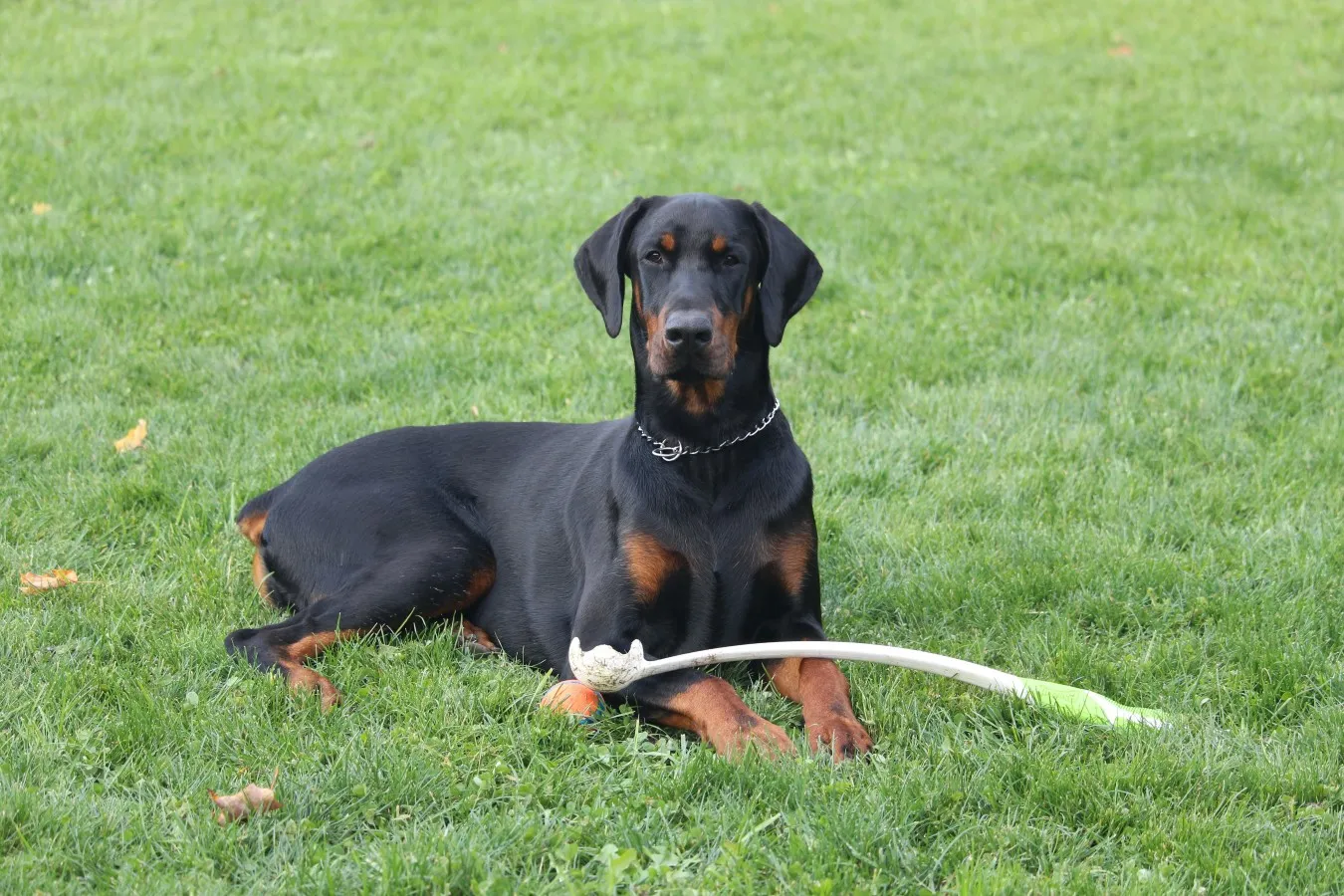
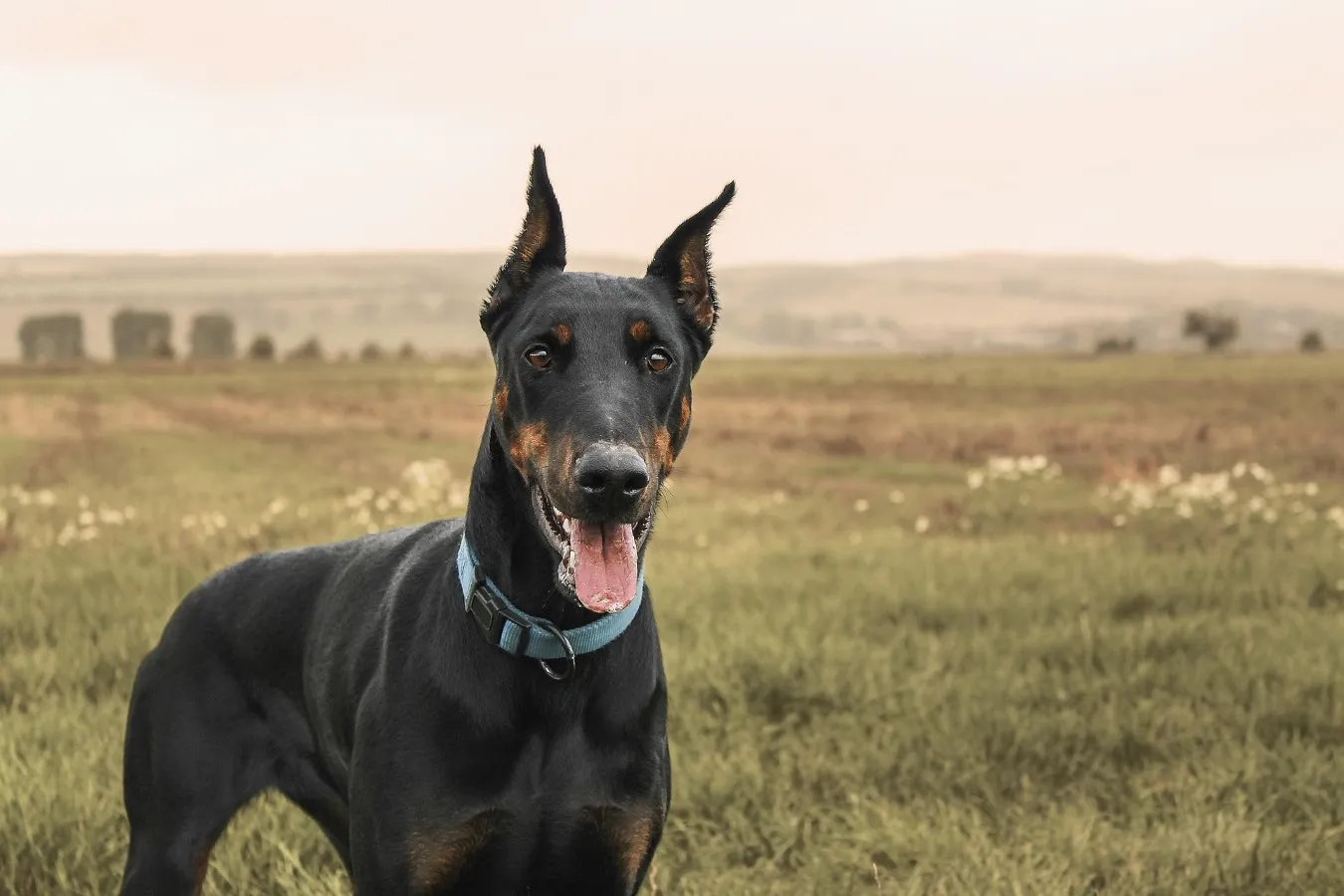
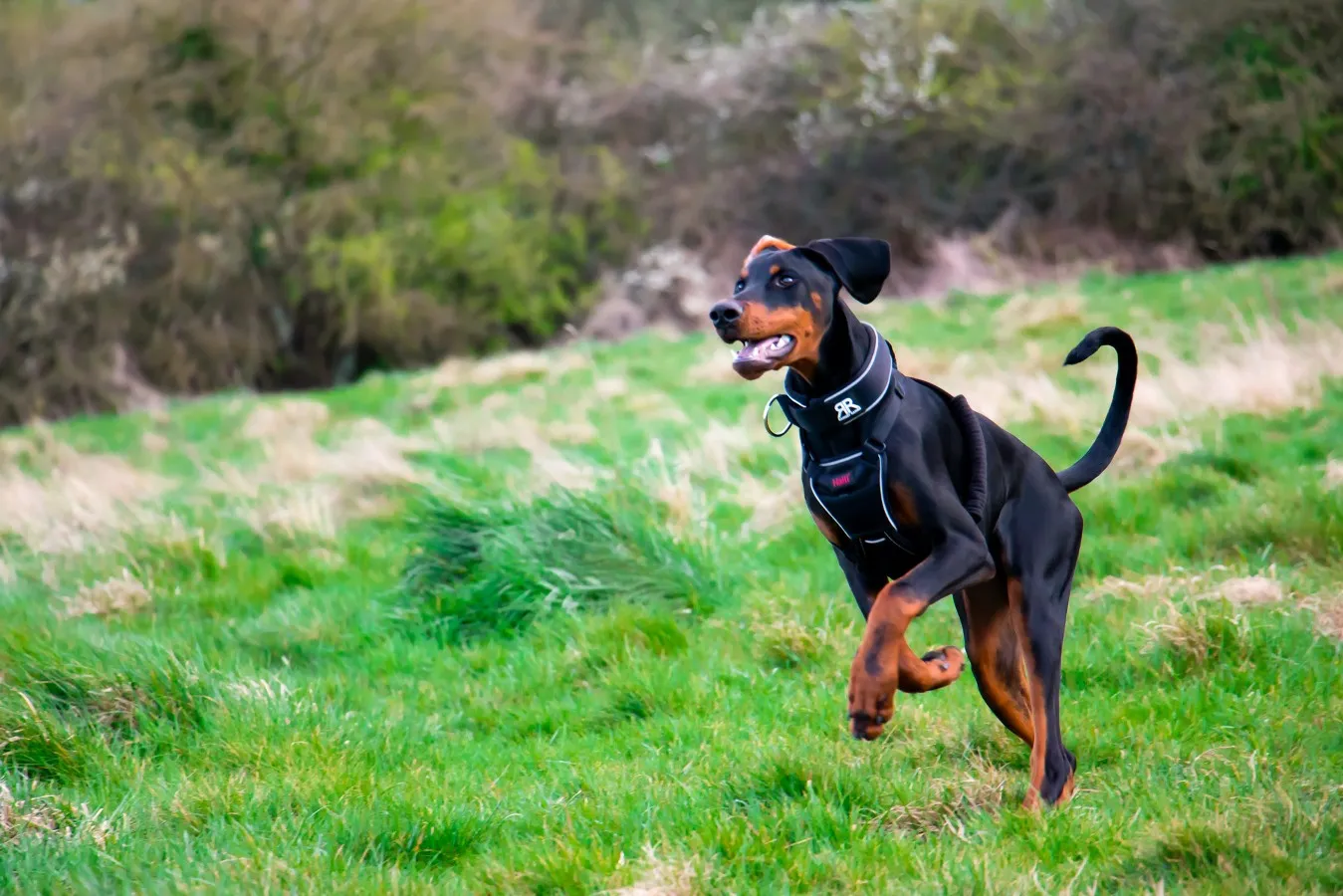
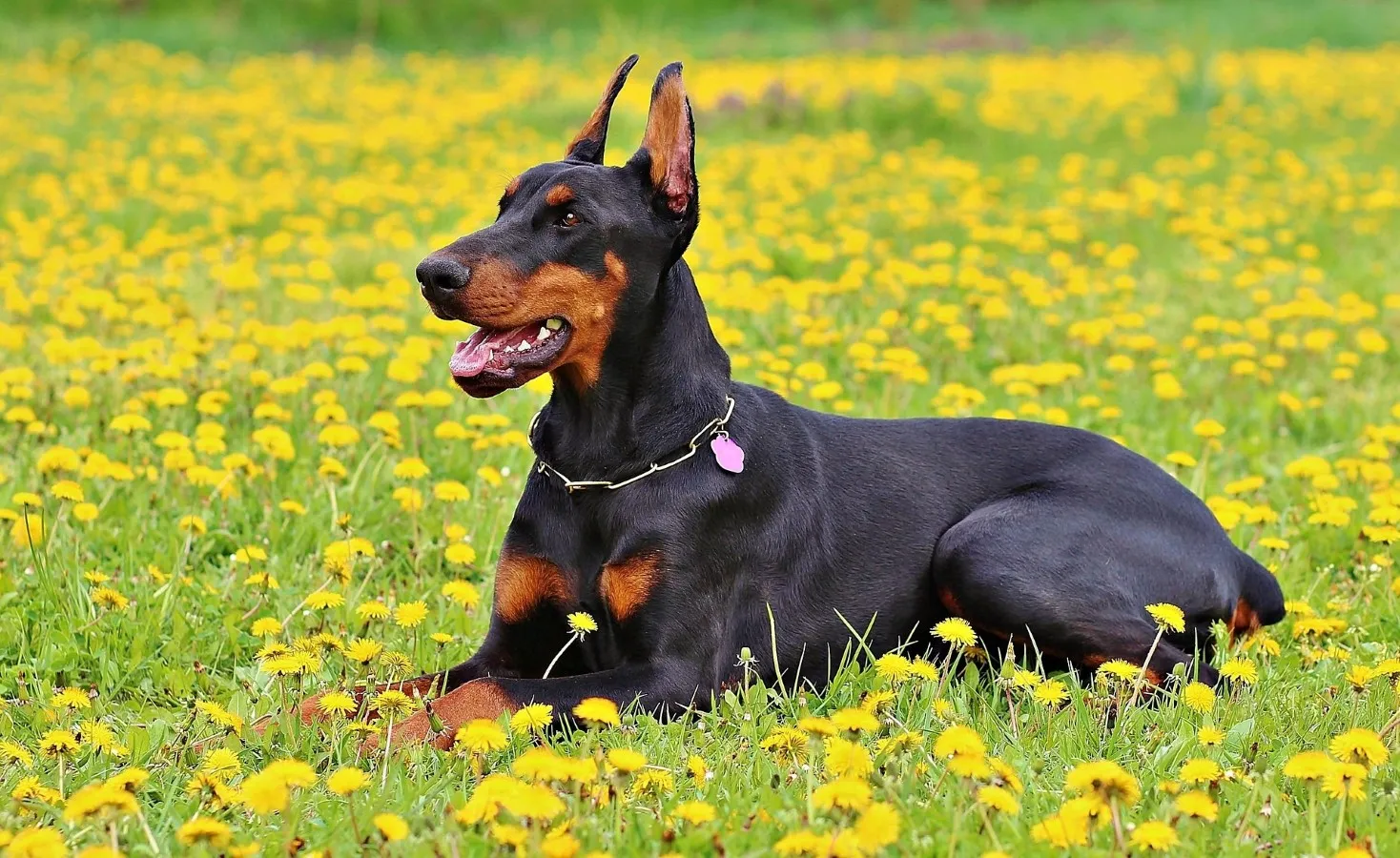
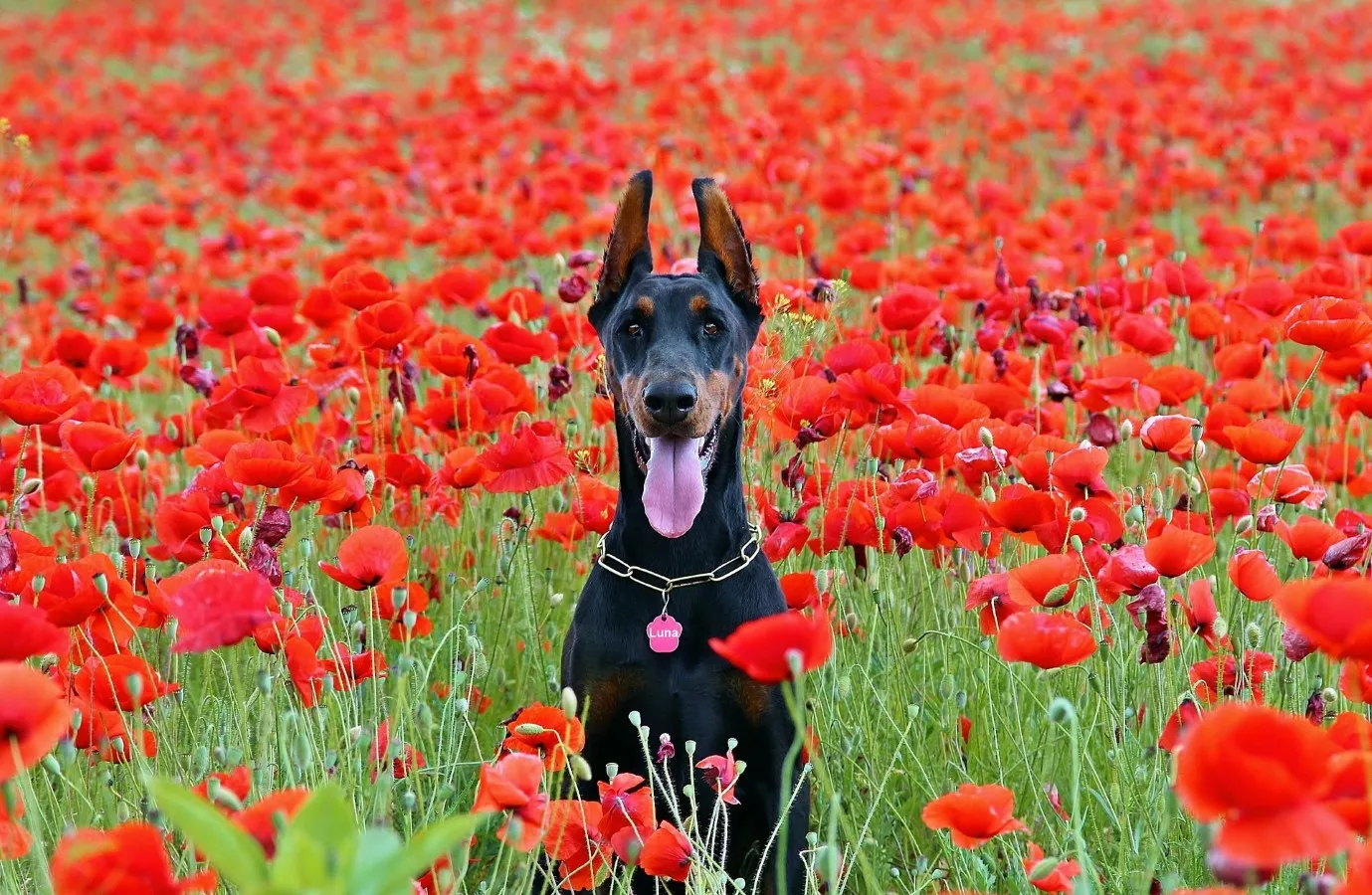
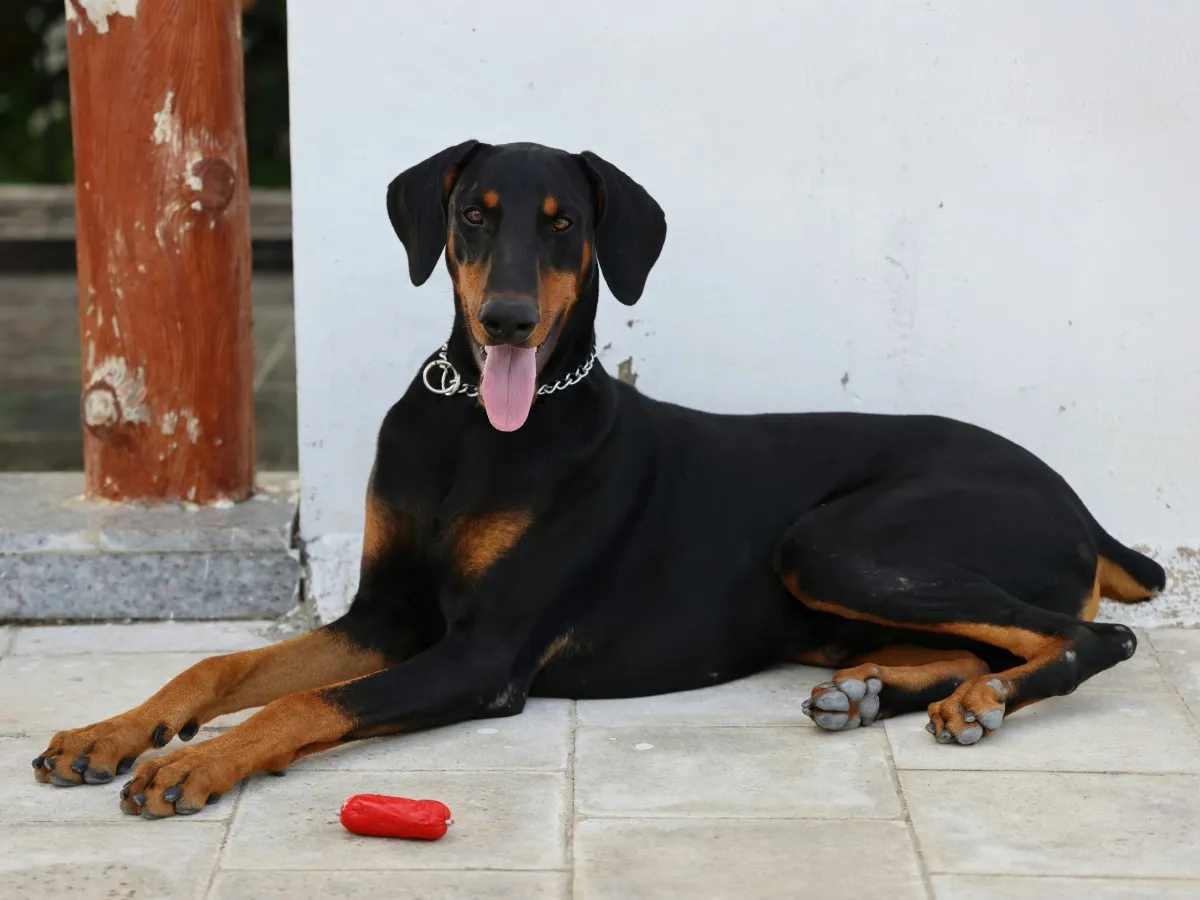
Sleek, loyal, and incredibly smart, the Doberman is a devoted guardian who thrives on activity and will quickly become your shadow and best friend.

BREED GROUP

Working Dogs

Country of origin

Germany

BREED SIZE

Large

BREED HEIGHT

24 -

28 IN

61 -

71 cm

BREED WEIGHT

60 -

100 LB

27 -

45 KG

WHAT YOU NEED TO KNOW

The Doberman Pinscher is a sleek, powerful breed originating from Germany, renowned for its intelligence and unwavering loyalty. As a member of the Working Group, these elegant dogs typically stand 24 to 28 inches tall and weigh between 60 and 100 pounds. With a life expectancy of 10 to 13 years, they are devoted companions that thrive on consistent training and mental stimulation. While their short coat requires minimal grooming, their high energy levels necessitate regular physical activity. Courageous and watchful, the Doberman serves as both a formidable guardian and a loving family protector.
american kennel club (AKC) recognition

Yes

Breed was recognized in 1908.

International Canine Federation (FCI) recognition

Yes

Breed was recognized in 1955.
WHAT DO OWNERS WANT TO KNOW?

Are Doberman Pinschers good family dogs?

Excellent

10 out of 10

Doberman Pinschers make excellent family dogs because they are intelligent, unwavering in their loyalty, and deeply devoted companions. Their courageous and watchful nature allows them to serve as both loving protectors and formidable guardians for their households.

Excellent

10 out of 10

Doberman Pinschers can be wonderful companions for children when raised and socialized correctly. Often described as velcro dogs, they form deep emotional bonds and show remarkable gentleness with family members. While their large size and high energy levels require supervised play with younger children to prevent accidental knocks, they are patient and protective guardians. Early socialization and consistent training are essential to ensure their natural protective instincts are balanced with a calm and stable temperament.

Not Recommended

1 out of 10

Doberman Pinschers are generally not recommended for first-time owners due to their high energy, powerful build, and strong-willed nature. They require firm, consistent leadership and a significant commitment to daily physical exercise and mental stimulation to prevent destructive behaviors. While exceptionally loyal and intelligent, their protective instincts and potential for dominance can be challenging for novices to manage without prior experience in canine training and socialization.

Frequently Restricted

4 out of 10

Doberman Pinschers can live successfully in apartments provided their high physical and mental exercise requirements are met through daily walks and engagement. Their velcro dog nature and desire for close human companionship make them adaptable to smaller indoor environments despite their large size. However, they are frequently subject to breed-specific bans in rentals, and their high energy requires dedicated daily activity to prevent destructive behavior.

Highly Recommended

2 out of 10

A yard is not strictly required for a Doberman Pinscher, as they can adapt to apartment living if their high physical and mental exercise needs are met. However, a house with a securely fenced yard is highly recommended and considered an ideal setting to accommodate their high energy levels and need for regular activity. Many responsible breeders are reluctant to place them in homes without a yard because they thrive in environments where they have space to run and play safely. Regardless of having a yard, they require 1-2 hours of daily vigorous exercise and should not be left alone outdoors for long periods, as they thrive on close human companionship.

Not Recommended

1 out of 10

Doberman Pinschers are highly social velcro dogs that bond intensely with their families, making them very prone to separation anxiety. They do not tolerate being left alone for long periods and may become destructive or vocal if bored or isolated. They thrive best in households where someone is frequently present and should be provided with ample mental and physical stimulation to help them settle during moderate absences.

Average

5 out of 10

Doberman Pinschers can coexist peacefully with cats, especially when raised together from puppyhood or introduced carefully as adults. While they possess a natural prey drive that may trigger chasing if a cat runs, they are highly intelligent and trainable, allowing them to learn that household cats are part of the family. Success depends on early socialization, consistent training with commands like "leave it," and ensuring cats have high, safe escape routes. Supervised interactions are essential until a bond of trust is established, as individual temperaments and prey drives vary.

Protective

3 out of 10

Doberman Pinschers are not inherently aggressive but are natural protectors with a strong instinct to guard their families. While they have an intimidating reputation, modern breeding has prioritized a more stable, loyal, and affectionate temperament. They can be reserved with strangers and may show same-sex aggression, so early socialization and consistent, firm leadership are essential to prevent their protective nature from becoming unwarranted aggression.

Hyperactive

10 out of 10

Doberman Pinschers are high-energy, athletic dogs that require significant daily physical and mental stimulation to stay healthy and happy. Originally bred as working dogs, they thrive on activity and typically need 1.5 to 2 hours of exercise daily, including brisk walks, running, and play. Without a proper outlet for their exuberance, they can become bored and develop destructive behaviors or separation anxiety.

~120+ min a day

10 out of 10

Doberman Pinschers are high-energy working dogs that require significant daily activity, typically needing 1.5 to 2 hours of exercise to stay healthy and calm. This should include a combination of physical exertion, such as brisk walks, jogging, or swimming, and mental stimulation through obedience training, agility, or puzzle toys. Due to their athletic build and intelligence, providing them with a "job" and a consistent routine is essential to prevent boredom and destructive behaviors.

Fair

4 out of 10

Doberman Pinschers have a moderate tolerance for heat but are prone to overheating due to their dark coats and lean builds. They are sensitive to high temperatures and require constant access to shade and fresh water. Owners should limit vigorous activity to the cooler morning or evening hours and never leave them in a parked car, as they are susceptible to heatstroke.

Fair

4 out of 10

Doberman Pinschers have a moderate tolerance for heat but are prone to overheating due to their dark coats and lean builds. They are sensitive to high temperatures and require constant access to shade and fresh water. Owners should limit vigorous activity to the cooler morning or evening hours and never leave them in a parked car, as they are susceptible to heatstroke.

Always Banned

1 out of 10

Doberman Pinschers are frequently subject to breed-specific bans in apartments and rental properties due to their historical reputation as aggressive guard dogs. Many insurance providers include them on restricted lists, which can lead to higher premiums or coverage denials for landlords. Always verify specific local laws and individual lease agreements before moving.

WHAT DO OWNERS WANT TO KNOW?


Photo
Reviewed by
Dr. Vojtech Gabriel
DVM · PhD · MBA
Veterinarian Researcher Dog breed specialist
Verified

"Doberman Pinschers are sleek and loyal guardians but are predisposed to several life-threatening conditions. As a veterinarian, I prioritize annual screening for Dilated Cardiomyopathy (DCM) via Holter monitoring and echocardiograms, as this breed has an exceptionally high incidence of this fatal heart disease. Their deep-chested build also puts them at significant risk for Gastric Dilatation-Volvulus (bloat), necessitating smaller, frequent meals and a rest period after eating. I also recommend genetic testing for Von Willebrand Disease before any surgery and regular monitoring for hypothyroidism and Wobbler syndrome. Choosing health-screened puppies and maintaining a lean weight are essential for their long-term health."


Other Working Dogs