Skip to content

Tibetan Mastiff - MAIN HUB

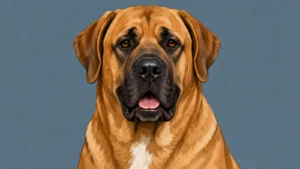
Meet your majestic Himalayan protector! The lion-maned Tibetan Mastiff is a loyal, independent giant, perfect for experienced and devoted owners.

BREED GROUP

Working Dogs

Country of origin

China

BREED SIZE

Giant

BREED HEIGHT

24 -

30 IN

61 -

76 cm

BREED WEIGHT

70 -

150 LB

32 -

68 KG

WHAT YOU NEED TO KNOW

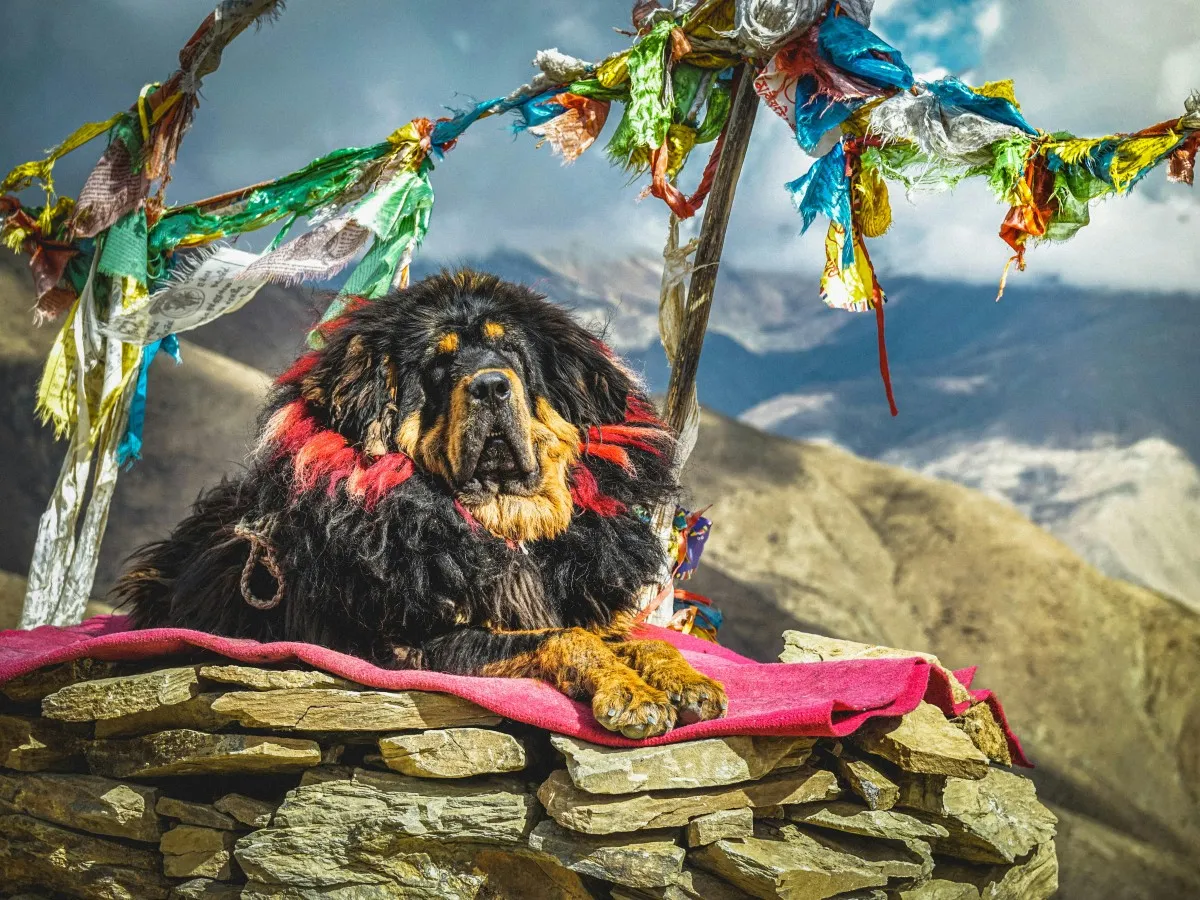
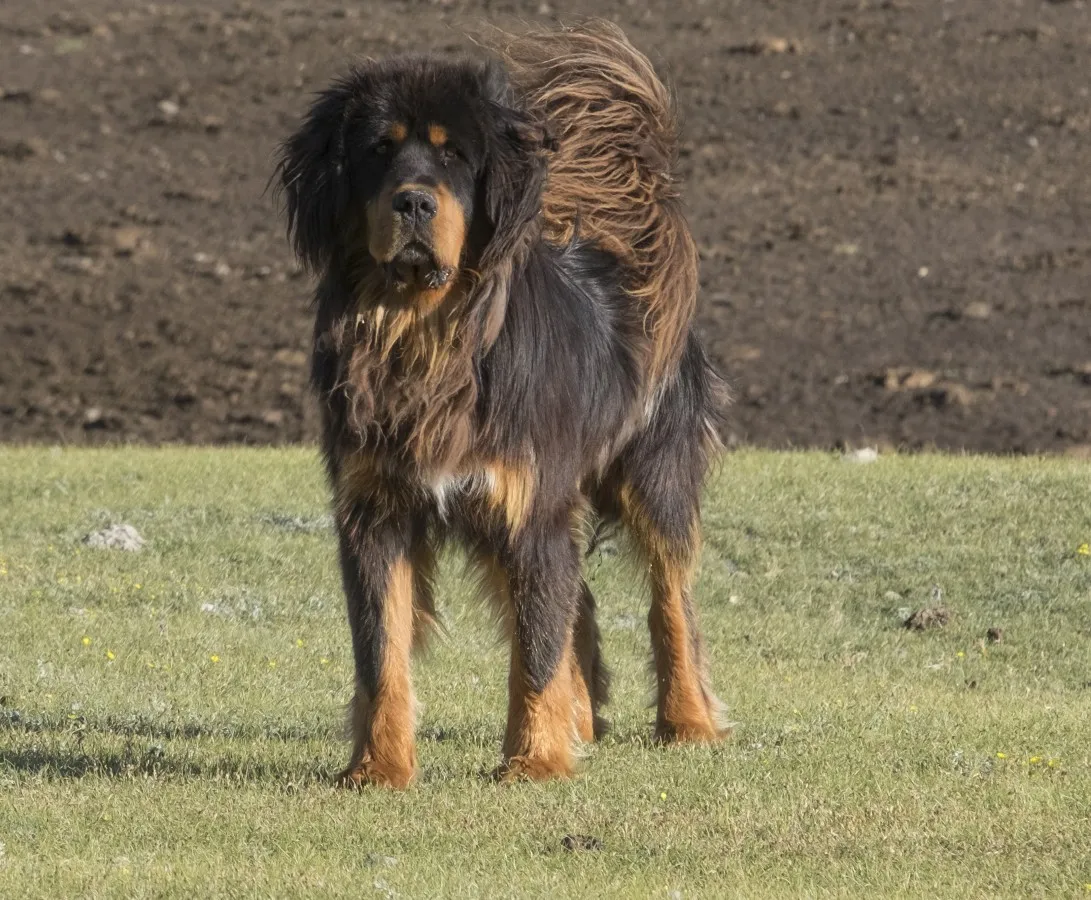
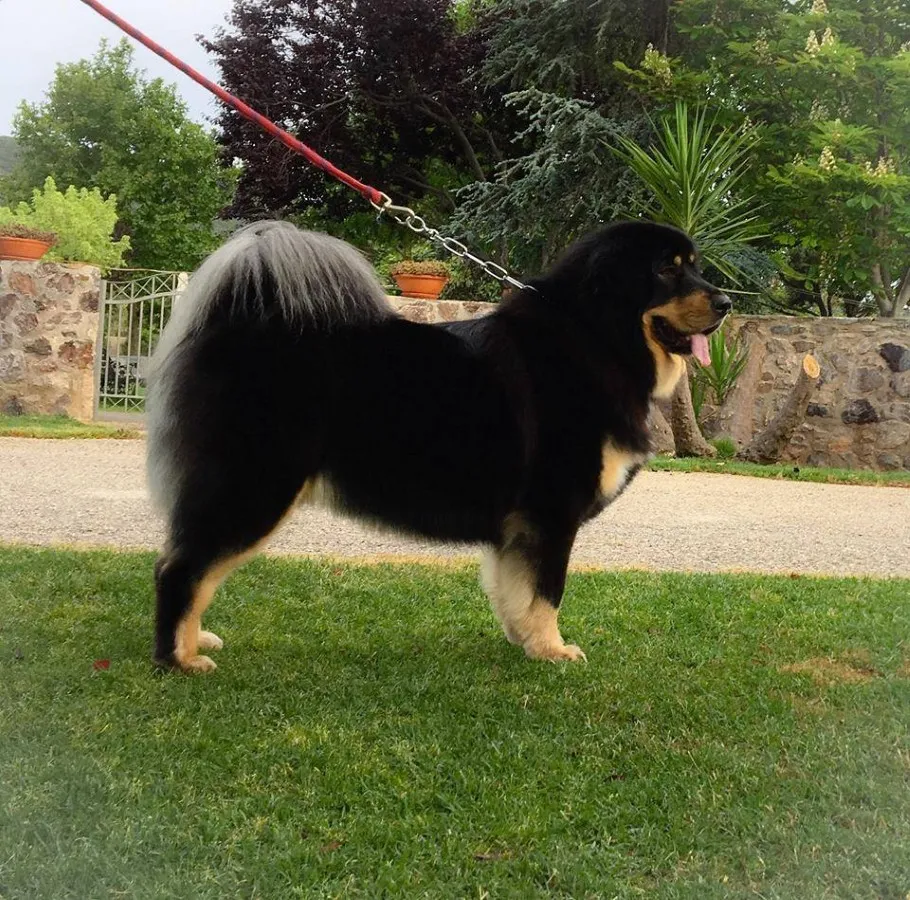
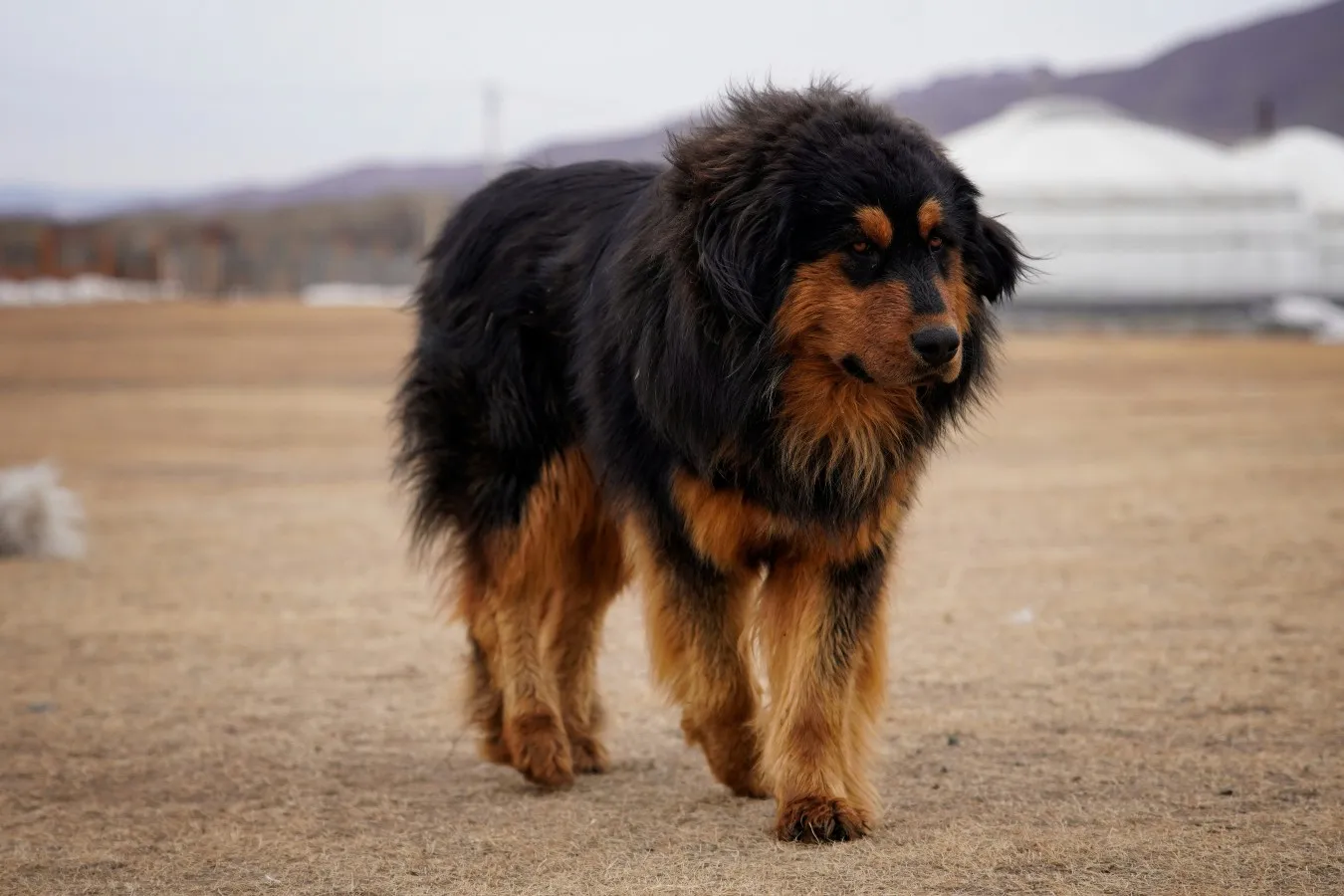
The Tibetan Mastiff is an ancient, massive guardian breed originating from the Himalayas. Known for their lion-like mane and noble bearing, these dogs are fiercely loyal to family but remain aloof and territorial with strangers. They are highly intelligent yet independent-minded, often following their instincts over traditional obedience training. While mellow indoors, they are famously known for being nocturnal and prone to barking at night as a guardian instinct. They require a large, securely fenced yard to patrol. Their thick double coat thrives in cold climates but makes them prone to overheating in hot weather. They are best suited for experienced owners.
american kennel club (AKC) recognition

Yes

Breed was recognized in 2006.

International Canine Federation (FCI) recognition

Yes

Breed was recognized in 1954.
WHAT DO OWNERS WANT TO KNOW?

Are Tibetan Mastiffs good family dogs?

Not Recommended

1 out of 10

The Tibetan Mastiff is a fiercely loyal family dog that serves as a noble protector within the home. However, their massive size and independent, territorial nature mean they are best suited for experienced owners who can manage a powerful guardian breed.

Not Recommended

1 out of 10

Tibetan Mastiffs are loyal and patient with children in their own family, often acting as gentle guardians. However, due to their massive size and strength, they can accidentally knock over small children, making constant supervision essential during play. They are generally better suited for households with older children who have been taught how to interact respectfully with a large, powerful dog. Early socialization is crucial to ensure they remain calm and trustworthy companions.

Not Recommended

1 out of 10

Tibetan Mastiffs are not recommended for first-time owners due to their massive size, strong-willed independence, and intense guarding instincts. They require experienced leadership and consistent, patient training, as they often prioritize their own instincts over traditional obedience commands. Prospective owners must be prepared to provide extensive socialization and a secure environment to manage this powerful and territorial breed effectively.

Poor

2 out of 10

Tibetan Mastiffs are not suitable for apartment living due to their massive size, deep vocalizations, and strong territorial instincts. They require a large, securely fenced property to patrol and stay mentally engaged. Confining this independent guardian to a small urban space often leads to boredom, anxiety, and excessive barking.

Highly Recommended

9 out of 10

A large, securely fenced yard is highly recommended for Tibetan Mastiffs to satisfy their instinctive need to patrol and guard their territory. While they can be calm indoors, their massive size and potential for destructive behavior when bored make them poorly suited for apartment living. A secure enclosure is essential to prevent them from roaming or escaping to "protect" the wider neighborhood.

Poor

2 out of 10

Tibetan Mastiffs become bored quickly when left alone and are prone to destructive behaviors like excessive barking and chewing furniture. They thrive best in households where a family member is present throughout the day to provide companionship. While they are relatively mellow indoors, their independent and territorial nature requires consistent mental stimulation and a secure environment to prevent anxiety.

Good

6 out of 10

Tibetan Mastiffs can generally coexist well with cats, especially when raised together from a young age. While their massive size and strong prey drive may lead them to chase smaller animals, they are often patient and gentle with feline housemates. Consistent supervision and early socialization are essential to ensure these powerful guardians maintain a peaceful relationship with their feline companions.

Reactive

2 out of 10

Tibetan Mastiffs are not inherently aggressive but are fiercely territorial and protective guardian dogs. Historically bred to protect livestock and property, they are naturally wary and aloof with strangers. Without early, consistent socialization and experienced handling, their strong guarding instincts can lead to reactive or aggressive behavior toward perceived threats. They are generally gentle and loyal with their own families but require dedicated training to ensure their protective nature remains manageable.

Moderate

4 out of 10

Tibetan Mastiffs have moderate energy levels and are generally mellow and calm indoors. They prefer work-related tasks, such as patrolling their territory, over structured play like fetch or agility. They tend to conserve their energy for short bursts of activity and are notably more active in cooler weather, as they lack significant endurance for high-intensity exercise.

~30-60 min a day

8 out of 10

Tibetan Mastiffs require moderate daily exercise, typically around 30 to 60 minutes, ideally split into short, low-intensity sessions. Because their thick coats make them prone to overheating, walks should be limited to the cooler morning or evening hours. They often prefer purposeful tasks like patrolling their territory over high-energy games, making consistent mental stimulation and a secure outdoor space essential for their health.

Danger

1 out of 10

Tibetan Mastiffs do not tolerate hot weather well because their thick double coats make them highly prone to overheating and heatstroke. Owners should provide constant access to shade and fresh water, while limiting exercise to the coolest parts of the day.

Danger

1 out of 10

Tibetan Mastiffs do not tolerate hot weather well because their thick double coats make them highly prone to overheating and heatstroke. Owners should provide constant access to shade and fresh water, while limiting exercise to the coolest parts of the day.

Always Banned

1 out of 10

Tibetan Mastiffs are frequently subject to apartment bans and rental restrictions due to their massive size, intense guarding instincts, and tendency for nocturnal barking. Their giant stature often exceeds standard weight limits, and they are frequently flagged by insurance companies as high-risk guardians. Potential owners should expect difficulty finding suitable apartment housing and must verify specific landlord policies regarding large guardian breeds.

WHAT DO OWNERS WANT TO KNOW?


Photo
Reviewed by
Dr. Vojtech Gabriel
DVM · PhD · MBA
Veterinarian Researcher Dog breed specialist
Verified

"Tibetan Mastiffs are majestic guardians, but their massive size and genetics predispose them to specific health challenges. As a veterinarian, I prioritize screening for hip and elbow dysplasia, which are common in giant breeds and can lead to painful arthritis. This breed is also prone to hypothyroidism, requiring annual thyroid panels to monitor for lethargy and weight gain. Owners must be vigilant about eye conditions like entropion and ectropion, as well as the risk of life-threatening bloat (GDV) due to their deep-chested build. Given their thick double coats, they are highly susceptible to overheating and skin infections if the coat traps moisture. I strongly recommend early socialization to manage their territorial nature, strict weight management to protect their joints, and securing pet insurance to cover potential costs associated with hereditary conditions or cancer."

Other Working Dogs