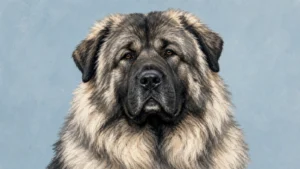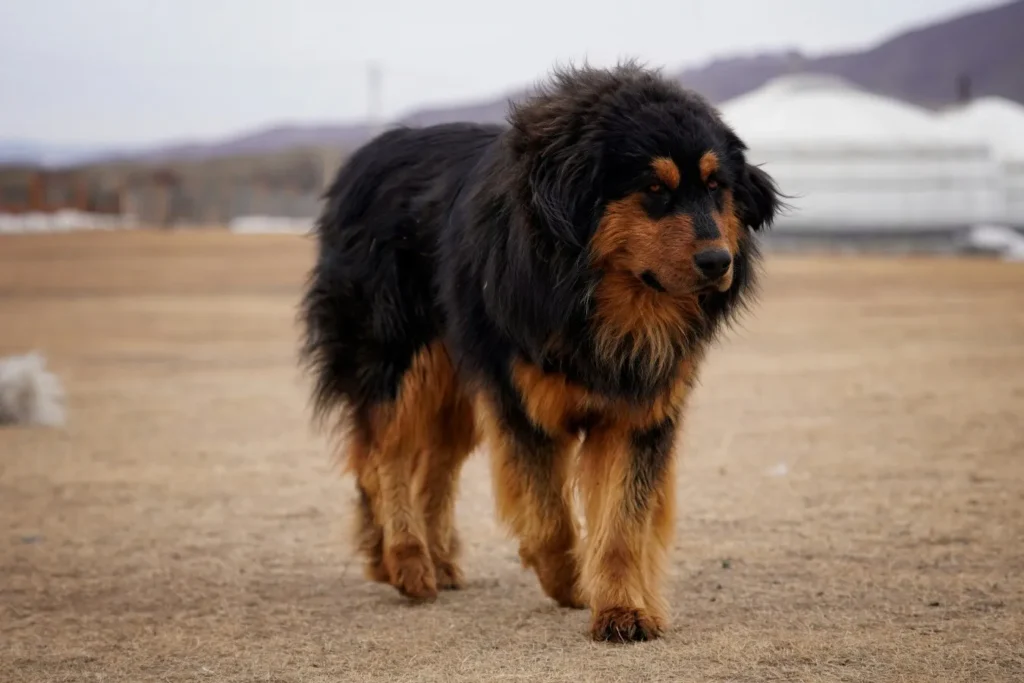
Tibetan Mastiff Personality Profile
Breed Group
Working Dogs
Country of Origin
China
Breed Size
Giant
AKC Recognition
Yes, recognized in 2006
FCI Recognition
Yes, recognized in 1954
Friendliness
Aloof2 / 10
Attachment
Affectionate7 / 10
Playfulness
Not Playful1 / 10
Smart
Average5 / 10
Cuddle
Not Cuddly2 / 10
Separation anxiety
Highly Independent2 / 10
Personality FAQ
Are Tibetan Mastiff smart?
Tibetan Mastiffs are highly intelligent but famously independent and self-willed. They are capable of learning but often choose whether or not to obey, requiring an experienced owner who can provide firm, consistent guidance.
Smart: 5 / 10
Do Tibetan Mastiff like to cuddle?
While they form deep bonds with their families and are fiercely loyal, Tibetan Mastiffs are generally aloof and independent. They are not overly cuddly or affectionate, preferring to show their devotion through guarding.
Cuddle: 2 / 10
Do Tibetan Mastiff get separation anxiety?
These independent giants are calm indoors and do not typically suffer from separation anxiety. They are content to patrol and guard their territory when left alone.
Separation anxiety: 2 / 10
Do Tibetan Mastiff bark a lot?
Tibetan Mastiffs are known to be vocal, especially at night when their guarding instincts are highest. They have a deep, booming bark used to deter intruders.
Barking: 8 / 10
Are Tibetan Mastiff protective or territorial?
Tibetan Mastiffs are legendary guardians, naturally protective and highly territorial. Bred to defend Himalayan estates, they are instinctively wary of strangers and will fiercely safeguard their family and property. Extensive early socialization is vital to help these independent dogs distinguish between welcomed guests and genuine threats.
Protective tendency: 10 / 10
Vet Insights
Tibetan Mastiffs are legendary, independent guardians known for their unwavering loyalty and protective nature. While aloof and wary of strangers, these intelligent giants form deep bonds with their families. They are calm indoors but highly territorial, requiring experienced owners. Although vocal at night, they are generally quiet inside and do not typically suffer from separation anxiety.