Skip to content

Giant Schnauzer - MAIN HUB

Bold, brainy, and fiercely loyal, the Giant Schnauzer is a majestic guardian with a velcro heart, ready for every active adventure by your side.

BREED GROUP

Working Dogs

Country of origin

Germany

BREED SIZE

Large

BREED HEIGHT

24 -

28 IN

61 -

71 cm

BREED WEIGHT

55 -

105 LB

25 -

48 KG

WHAT YOU NEED TO KNOW

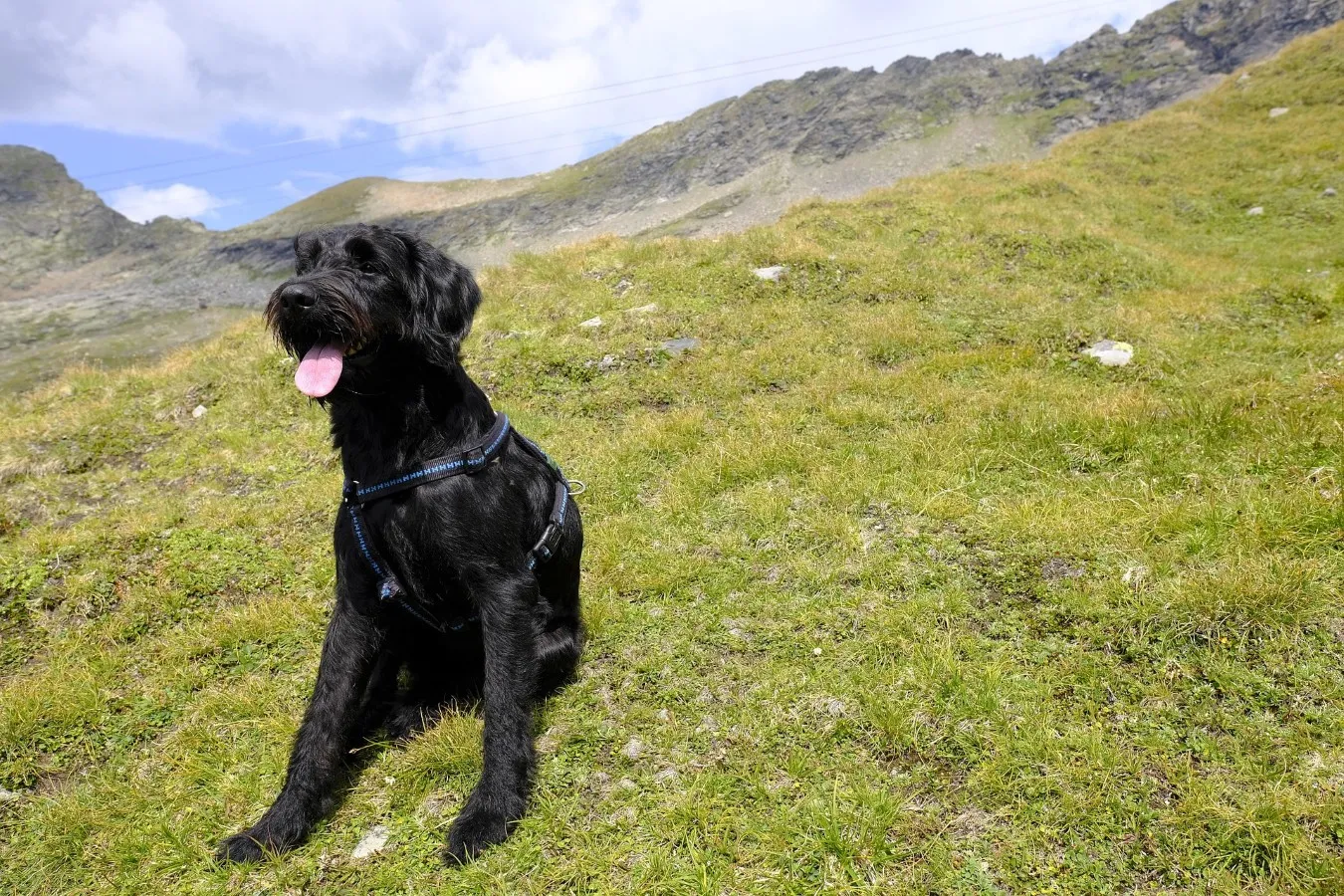
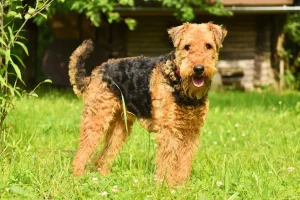
The Giant Schnauzer is a powerful, highly intelligent working breed from Germany, originally developed for herding and guarding. As the largest Schnauzer variety, they are loyal, protective, and energetic, requiring at least one to two hours of daily physical and mental exercise. Standing up to 27.5 inches and weighing up to 95 pounds, they possess a commanding presence with a signature wiry coat and beard. While affectionate with family, their territorial nature and strength make them best suited for experienced owners who can provide consistent training and early socialization.
american kennel club (AKC) recognition

Yes

Breed was recognized in 1930.

International Canine Federation (FCI) recognition

Yes

Breed was recognized in 1955.
WHAT DO OWNERS WANT TO KNOW?

Are Giant Schnauzers good family dogs?

Good

7 out of 10

Giant Schnauzers are loyal and affectionate companions that form strong bonds with their families. However, due to their large size, high energy, and territorial nature, they are best suited for experienced owners who can provide consistent training and socialization.

Good

7 out of 10

Giant Schnauzers are generally good with children, especially when raised with them, and are known to be loyal and protective guardians. However, due to their large size, power, and high energy, they are better suited for families with older children who can handle their strength. Supervision is essential around younger kids to prevent accidental injury, and early socialization is necessary to manage their territorial instincts.

Not Recommended

1 out of 10

Giant Schnauzers are generally not recommended for first-time owners due to their high energy, territorial instincts, and independent nature. They require an experienced handler who can provide firm, consistent leadership, early socialization, and significant daily mental and physical stimulation to manage their protective drives and potential for stubbornness. While highly rewarding for dedicated owners, their strength and complexity make them a challenging choice for those new to dog ownership.

Fair

3 out of 10

Giant Schnauzers can adapt to apartment living if their significant physical and mental exercise needs are met, though their large size and protective barking can be challenging in close quarters. They are often restricted in rentals due to weight limits and guarding instincts, meaning they generally thrive best in larger homes with access to secure outdoor space.

Very High

2 out of 10

A yard is highly recommended for a Giant Schnauzer to accommodate their high energy levels and need for vigorous daily exercise. While they can adapt to various living situations with dedicated owners, they thrive best with a securely fenced space where they can run, play, and engage in the physical and mental stimulation necessary to prevent boredom-induced behaviors.

Poor

2 out of 10

Giant Schnauzers bond deeply with their families and are prone to separation anxiety if left alone for long periods. They thrive on human companionship and require significant physical and mental stimulation to prevent stress-related behaviors. With consistent training, early socialization, and vigorous daily exercise, they can learn to settle and tolerate moderate absences.

Good

6 out of 10

Giant Schnauzers typically coexist well with cats, especially when introduced as puppies and raised together. Their high intelligence allows them to learn household boundaries and respect feline companions, often forming protective or playful bonds. However, their moderate to high prey drive means they may be tempted to chase cats, particularly outdoors or if the cat runs. Success requires early socialization, firm training to prevent chasing, and initial supervision to ensure their large size and energy do not overwhelm the cat.

Reactive

2 out of 10

Giant Schnauzers are not naturally aggressive but possess a strong, territorial guarding instinct. While deeply loyal and affectionate with their families, they can be suspicious of strangers. Early socialization and consistent, firm leadership are essential to ensure their protective nature remains manageable and that they develop into well-behaved companions.

High

8 out of 10

Giant Schnauzers are high-energy working dogs that require substantial daily physical and mental stimulation to thrive. Originally bred for demanding tasks like herding and guarding, they need at least one to two hours of active engagement, such as hiking, jogging, or agility, to prevent boredom and destructive behaviors. Without a structured outlet for their intensity, they may invent their own "jobs," leading to unwanted chewing or barking.

~105 min a day

9 out of 10

Giant Schnauzers are a high-energy working breed that requires a minimum of 1 to 2 hours of daily physical and mental exercise to stay healthy and well-behaved. This should include brisk walks, jogging, and interactive play like fetch, combined with mental challenges such as obedience training, agility, or puzzle toys to satisfy their sharp minds and prevent boredom-induced destructive behaviors. As powerful dogs with significant stamina, they thrive when given a purposeful job and consistent engagement with their owners.

Average

5 out of 10

Giant Schnauzers have a moderate tolerance for hot weather but are susceptible to overheating due to their large body mass and dark, dense double coats. Owners should provide constant access to shade and fresh water, and limit vigorous exercise to the cooler morning or evening hours. It is important to monitor for heavy panting or lethargy and avoid walking on hot pavement to protect their paws.

Average

5 out of 10

Giant Schnauzers have a moderate tolerance for hot weather but are susceptible to overheating due to their large body mass and dark, dense double coats. Owners should provide constant access to shade and fresh water, and limit vigorous exercise to the cooler morning or evening hours. It is important to monitor for heavy panting or lethargy and avoid walking on hot pavement to protect their paws.

Frequently Restricted

1 out of 10

Giant Schnauzers are often restricted in apartments and rentals due to their large size and strong guarding instincts. Property managers frequently impose weight limits or list them as restricted breeds because of their protective nature and loud, booming bark. Potential owners should verify specific building policies regarding both weight and breed-specific liabilities before renting.

WHAT DO OWNERS WANT TO KNOW?


Photo
Reviewed by
Dr. Vojtech Gabriel
DVM · PhD · MBA
Veterinarian Researcher Dog breed specialist
Verified

"Giant Schnauzers are a powerful and generally healthy breed, but their size predisposes them to specific orthopedic and life-threatening conditions. As a veterinarian, I prioritize screening for hip and elbow dysplasia, as well as Osteochondritis Dissecans (OCD), which can cause significant joint pain and mobility issues. Their deep-chested build puts them at high risk for gastric dilatation-volvulus (bloat), a critical emergency requiring immediate intervention. I also recommend monitoring for hypothyroidism and hereditary eye conditions like progressive retinal atrophy and glaucoma. To ensure a high quality of life, maintaining a lean weight is essential to reduce joint stress, and I advise regular screenings for squamous cell carcinoma, particularly in the nail beds."
Other Working Dogs