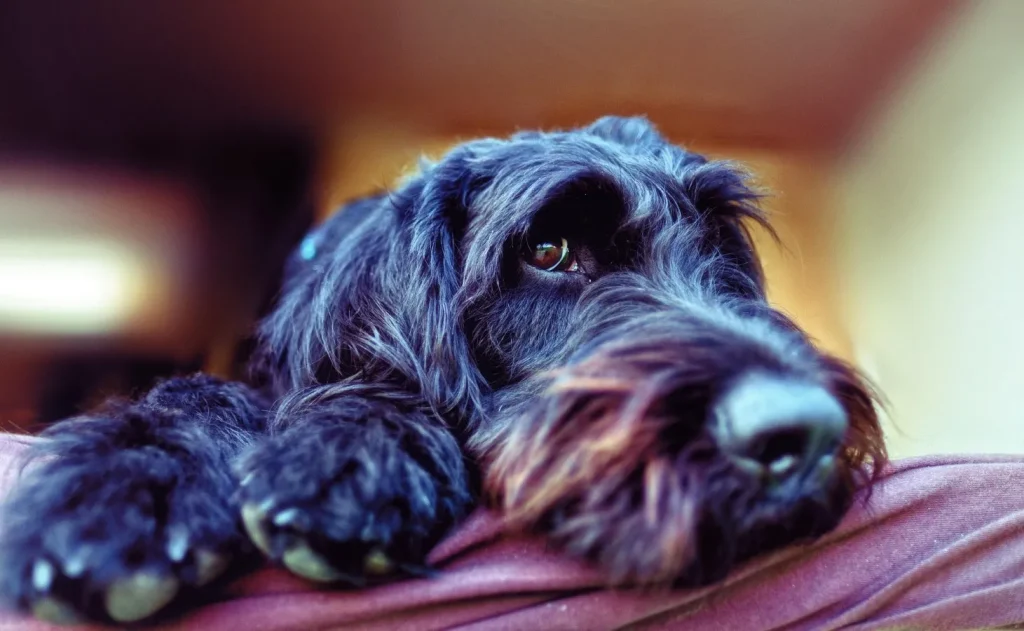
Giant Schnauzer Training Profile
Breed Group
Working Dogs
Country of Origin
Germany
Breed Size
Large
AKC Recognition
Yes, recognized in 1930
FCI Recognition
Yes, recognized in 1955
Mental stimulation needs
Extreme Needs10 / 10
Trainability
2 / 10
Picky eater
Very Picky2 / 10
Easy to train
Stubborn3 / 10
Training stubbornness
Very Stubborn2 / 10
Puppy training
Difficult2 / 10
Training FAQ
Are Giant Schnauzer easy to train?
Giant Schnauzers are highly intelligent but famously stubborn, requiring a firm, experienced leader. While they learn quickly, their independent nature and tendency to test boundaries mean they need consistent, positive reinforcement. Training should be engaging and varied to prevent boredom from leading to defiant or destructive behaviors.
Easy to train: 3 / 10
Are Giant Schnauzer stubborn to train?
Giant Schnauzers are notoriously stubborn and independent thinkers. While highly intelligent, they often choose whether to cooperate based on their own agenda or their respect for the owner. They require firm, consistent leadership and high-value rewards to overcome their strong-willed nature and tendency to ignore repetitive commands.
Training stubbornness: 2 / 10
How do you train a Giant Schnauzer puppy?
Train your Giant Schnauzer puppy with firm, consistent leadership and positive reinforcement from day one. Focus on early socialization to manage their protective instincts and basic obedience to prevent jumping. Use high-value treats and short, engaging sessions to motivate these intelligent but independent and stubborn thinkers.
Puppy training: 2 / 10
How difficult is potty training in Giant Schnauzer?
Potty training a Giant Schnauzer typically takes several months due to their independent and sometimes stubborn nature. Success requires a strict schedule, crate training, and consistent positive reinforcement. While highly intelligent, these working dogs need patient, firm leadership to master household rules and establish a reliable routine.
Potty training difficulty: 2 / 10
How many walks does a Giant Schnauzer need?
Giant Schnauzers are high-energy working dogs that require significant exercise, typically needing at least two brisk walks daily totaling one to two hours. To prevent destructive behaviors, supplement these walks with vigorous activities like jogging, hiking, or swimming, alongside mental challenges like obedience training or scent work.
Walking need: 9 / 10
What is the best daily routine for a Giant Schnauzer?
A Giant Schnauzer's daily routine must prioritize vigorous physical exercise and complex mental challenges. Provide 90 to 120 minutes of activity, such as hiking, jogging, or agility work, split between morning and afternoon to channel their high energy. Feed adults twice daily and puppies three to four times using a large-breed formula, ideally incorporating puzzle feeders to engage their sharp minds. Essential daily care includes brushing their wiry coat and cleaning their beard after meals to maintain hygiene. Dedicate time for short, consistent training sessions or scent games to satisfy their working heritage and prevent boredom-induced destructive behaviors. Providing a predictable structure and plenty of durable chew toys will help keep this loyal yet independent breed well-balanced.
Routine need: 10 / 10
Vet Insights
Giant Schnauzers are highly intelligent yet stubborn working dogs requiring firm, experienced leadership and consistent positive reinforcement. They have extreme needs for physical exercise and mental stimulation to prevent destructive behaviors. While master learners, their independent nature makes training and housebreaking challenging. Their daily routine must prioritize vigorous activity and structured care to maintain their well-balanced temperament.