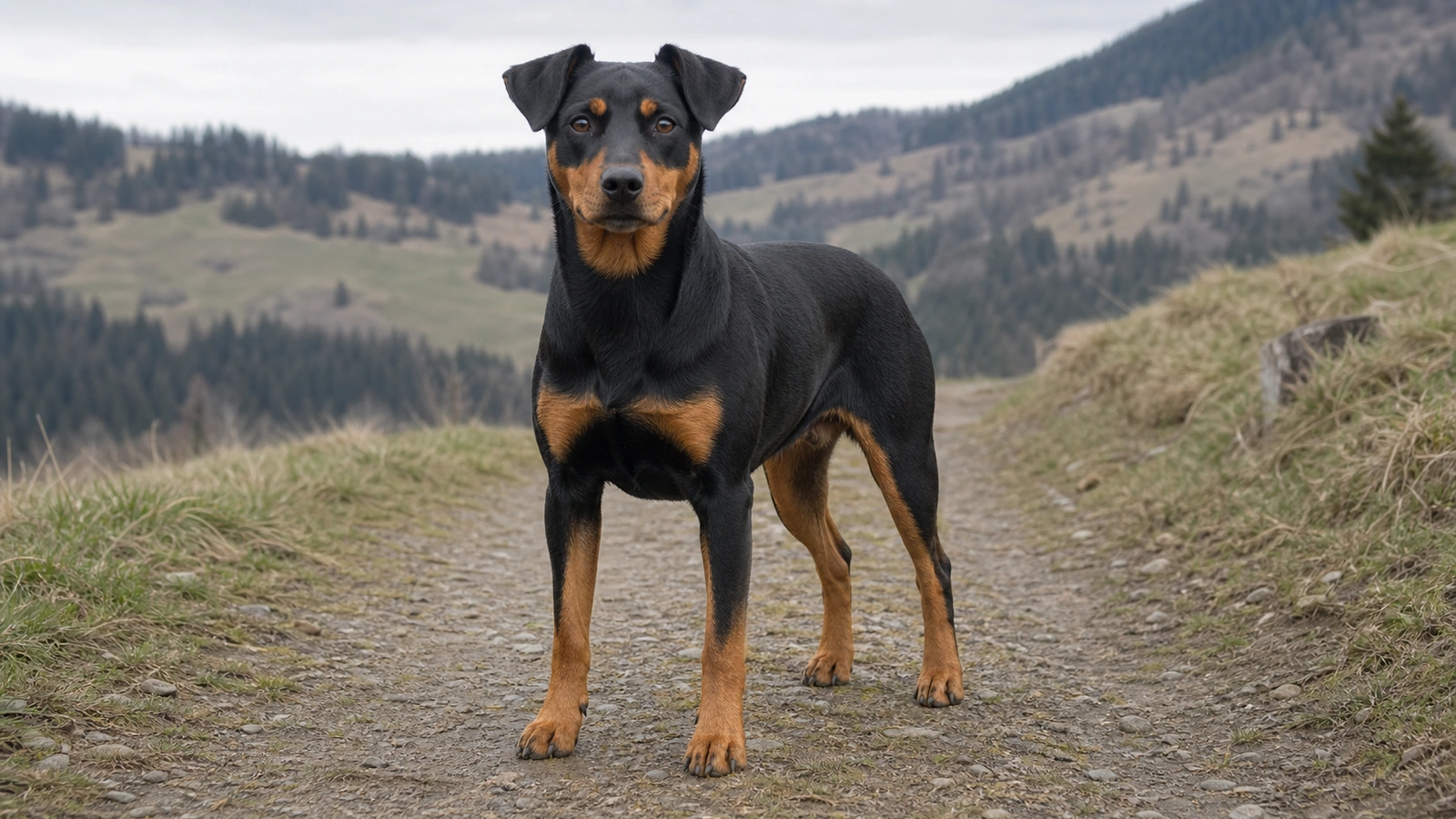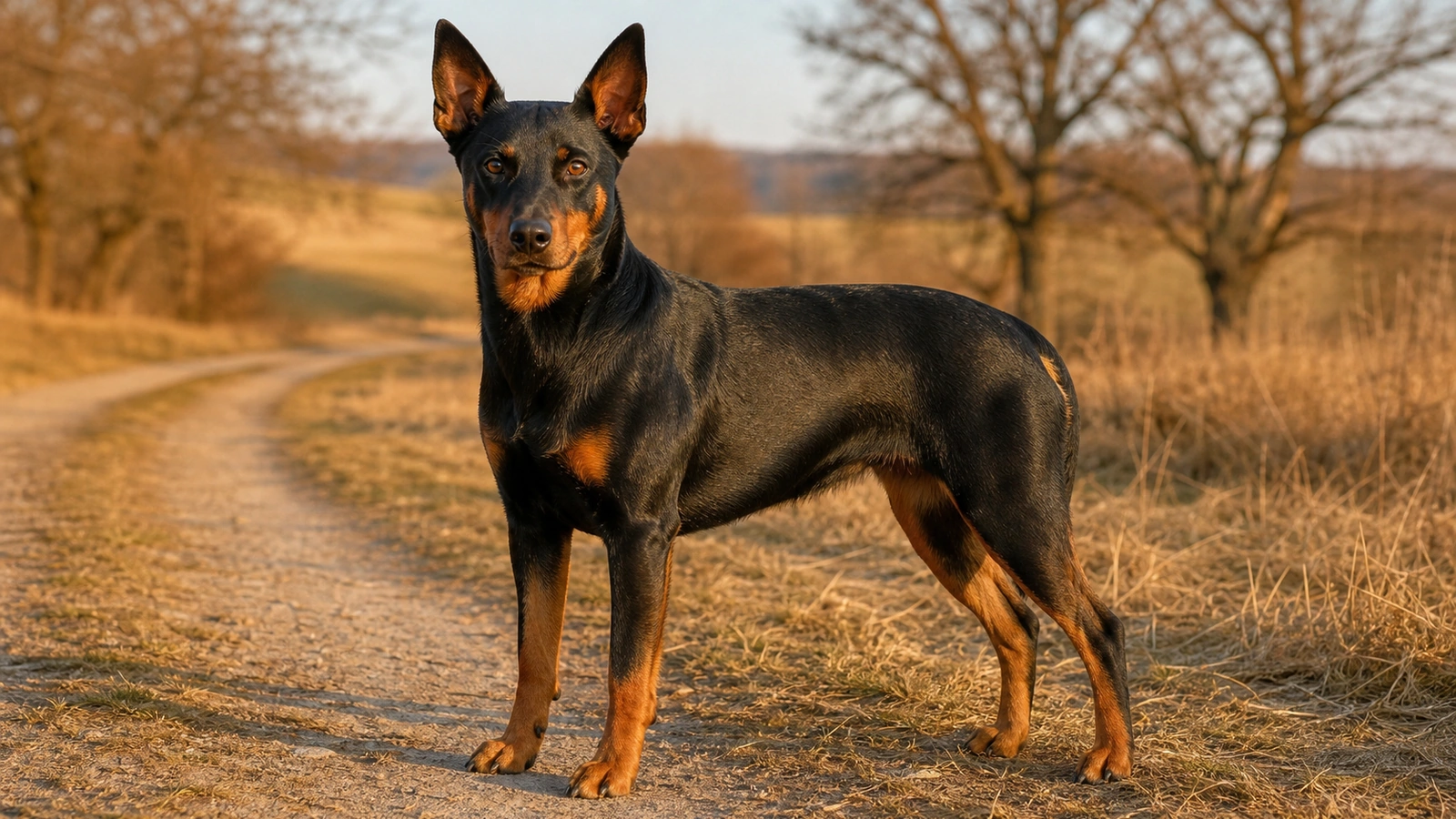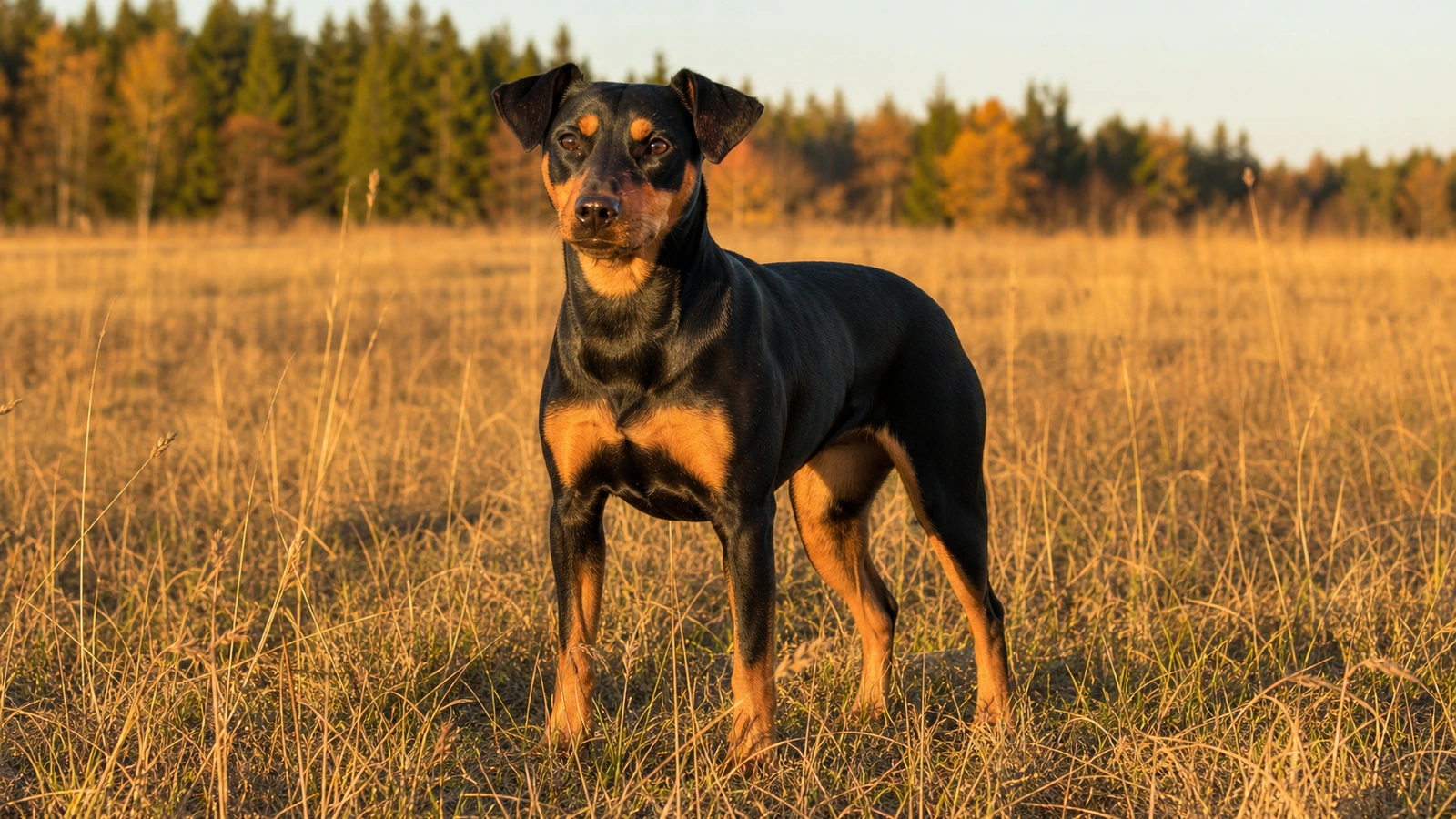
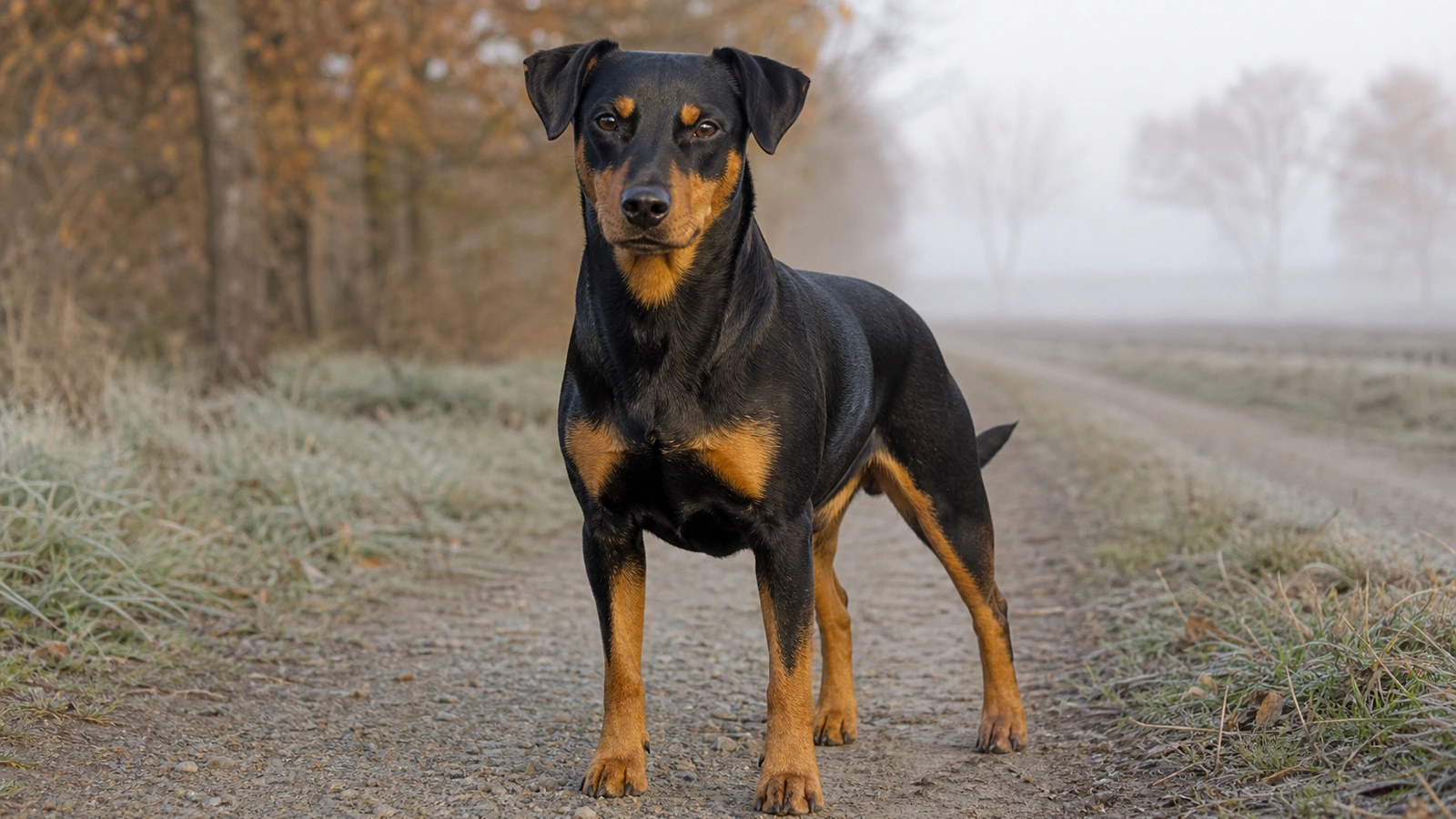
Austrian Pinscher - MAIN HUB
BREED GROUP
Working Dogs
Country of origin
Austria
BREED SIZE
Medium
BREED HEIGHT
18 -
20 IN
46 -
51 cm
BREED WEIGHT
26 -
40 LB
12 -
18 KG
WHAT YOU NEED TO KNOW
american kennel club (AKC) recognition
No
Breed was recognized in 0.

International Canine Federation (FCI) recognition
Yes
Breed was recognized in 1954.
WHAT DO OWNERS WANT TO KNOW?
Are Austrian Pinschers good family dogs?
Above Average
6 out of 10
Austrian Pinschers are loyal and devoted companions that can be good family dogs for active households that can meet their high exercise and mental stimulation needs. However, their strong guarding instincts and high energy levels require an experienced owner to ensure they are properly trained and socialized.


Are Austrian Pinschers good with kids?
Excellent
9 out of 10
Austrian Pinschers are generally excellent with children, known for their playful, patient, and gentle nature. They form strong bonds with family members of all ages and thrive on interactive play. While they are affectionate companions, their high energy and guarding instincts mean interactions should always be supervised by adults to ensure safety.
Are Austrian Pinschers good dogs for first time owners?
Not Recommended
1 out of 10
Austrian Pinschers are generally not recommended for first-time owners because they require a confident, experienced leader to manage their independent and stubborn streak. While intelligent and loyal, their high energy levels, strong guarding instincts, and need for extensive socialization demand a handler who is consistent and firm. Success with this breed depends on an owner's ability to provide significant mental and physical stimulation to prevent destructive behaviors.
Are Austrian Pinschers good apartment dogs?
Not Recommended
1 out of 10
Austrian Pinschers are generally not recommended for apartment living because of their high energy levels, vocal nature, and historical background as active farm dogs. They thrive in rural or suburban settings with large, secure yards where they can run and perform tasks. Without sufficient physical and mental stimulation, they can become restless, vocal, and destructive, which may lead to noise complaints in close living environments.
Do Austrian Pinschers need a yard?
Highly Recommended
2 out of 10
A yard is not strictly required for an Austrian Pinscher, but it is highly recommended as they thrive in environments with plenty of room to run and play. While they can adapt to suburban living with a large, secure yard, they are most content in rural or farm settings where they can utilize their natural instincts and burn off their high energy. Without sufficient outdoor space and exercise, they can become destructive and vocal.
Can Austrian Pinschers be left at home alone?
Fair
3 out of 10
Austrian Pinschers are deeply devoted to their families but can struggle when left alone for too long, potentially becoming destructive or vocal due to boredom. They thrive best in environments where they have consistent companionship and plenty of mental and physical engagement to channel their working-dog energy.
Do Austrian Pinschers tolerate cats well?
Average
5 out of 10
Austrian Pinschers can coexist with cats, especially when raised together from puppyhood. While they have little in the way of a hunting instinct, they were historically farm biters and ratters, so supervision with small pets is still advised. Early socialization and careful, supervised introductions are essential to foster a peaceful relationship between an Austrian Pinscher and a feline companion.
Are Austrian Pinschers known to be aggressive?
Protective
3 out of 10
Austrian Pinschers are not inherently aggressive but possess a strong guarding instinct and a natural suspicion of strangers, making them alert watchdogs. While they are devoted and playful with their families, their history as farm dogs means they can be territorial. Consistent socialization and positive reinforcement training from a young age are essential to ensure their protective nature remains controlled and well-mannered.
Do Austrian Pinschers have a lot of energy?
Active
6 out of 10
Austrian Pinschers are active working dogs with substantial energy levels that require daily physical and mental engagement. Originally bred as versatile farm dogs, they thrive when given a job to do or a task to complete. Without sufficient exercise and stimulation, they can become high-strung, vocal, or destructive, making them best suited for active households with plenty of outdoor space.
How much exercise do Austrian Pinschers need?
~45 min a day
5 out of 10
Austrian Pinschers are active and lively farm dogs that require at least 45 minutes of daily exercise to stay healthy and satisfied. They thrive on a mix of brisk walks, interactive play, and mental challenges that engage their high intelligence. Providing consistent physical and mental stimulation is essential to prevent boredom and manage their natural energy levels effectively.
Do Austrian Pinschers tolerate hot weather well?
Great
8 out of 10
Austrian Pinschers have a high heat tolerance but should still be monitored during peak temperatures. Owners should provide constant access to fresh water and shaded areas, and it is recommended to schedule vigorous exercise during the cooler morning or evening hours to prevent overheating and ensure their comfort.
Are Austrian Pinschers good with cold weather?
Great
8 out of 10
Austrian Pinschers have a high heat tolerance but should still be monitored during peak temperatures. Owners should provide constant access to fresh water and shaded areas, and it is recommended to schedule vigorous exercise during the cooler morning or evening hours to prevent overheating and ensure their comfort.
Are Austrian Pinschers sometimes banned from rentals?
Moderate Risk
6 out of 10
Austrian Pinschers are moderately likely to face apartment restrictions due to their strong guarding instincts, alert nature, and history as farm watchdogs. While they are medium-sized and not typically on the most common banned lists, their natural suspicion of strangers and vocal nature can lead to noise or liability concerns for property managers. Prospective owners should be prepared to provide training certifications or a pet resume to demonstrate their dog's well-balanced temperament to landlords.
WHAT DO OWNERS WANT TO KNOW?