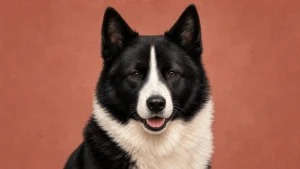
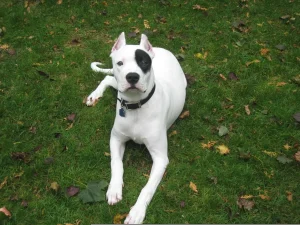
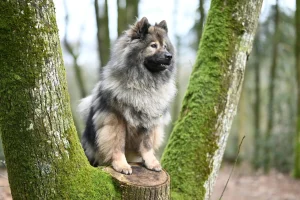
Austrian Pinscher Personality Profile
Breed Group
Working Dogs
Country of Origin
Austria
Breed Size
Medium
AKC Recognition
No
FCI Recognition
Yes, recognized in 1954
Friendliness
Reserved4 / 10
Attachment
Friendly6 / 10
Playfulness
Moderate6 / 10
Smart
Very Smart8 / 10
Cuddle
Moderately Cuddly6 / 10
Separation anxiety
Independent3 / 10
Personality FAQ
Are Austrian Pinscher smart?
Austrian Pinschers are smart, alert, and versatile farm dogs. They are quick to understand what is expected of them but can be stubborn if they feel they know better. Training requires a consistent, firm leader who uses positive reinforcement.
Smart: 8 / 10
Do Austrian Pinscher like to cuddle?
These dogs are devoted and loyal to their families, enjoying companionship and interaction. While they appreciate a good cuddle session, they also maintain an independent, working-dog demeanor and do not demand constant physical attention from their owners.
Cuddle: 6 / 10
Do Austrian Pinscher get separation anxiety?
Bred to work independently on farms, Austrian Pinschers are generally self-reliant and less prone to severe separation anxiety. As long as they receive adequate daily exercise and mental stimulation, they can tolerate being left alone for reasonable periods.
Separation anxiety: 3 / 10
Do Austrian Pinscher bark a lot?
They take their role as watchdogs very seriously and are quick to sound the alarm. Austrian Pinschers are alert barkers who will readily vocalize to warn their owners of approaching strangers or unusual activities around their property.
Barking: 7 / 10
Are Austrian Pinscher protective or territorial?
The Austrian Pinscher is a courageous and highly protective guardian. They are naturally suspicious of strangers and fiercely territorial, bred to keep their home and family safe. Early, extensive socialization is essential to ensure they accept welcome guests.
Protective tendency: 9 / 10
Vet Insights
Austrian Pinschers are intelligent, alert, and devoted companions with a strong working heritage. While affectionate and loyal to their families, they maintain an independent nature and act as vigilant, courageous guardians. Naturally suspicious of strangers and vocal as watchdogs, they require consistent leadership and regular mental stimulation to thrive as balanced and well-behaved family members.