Skip to content

Karelian Bear Dog - MAIN HUB

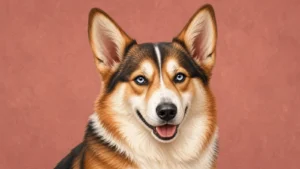
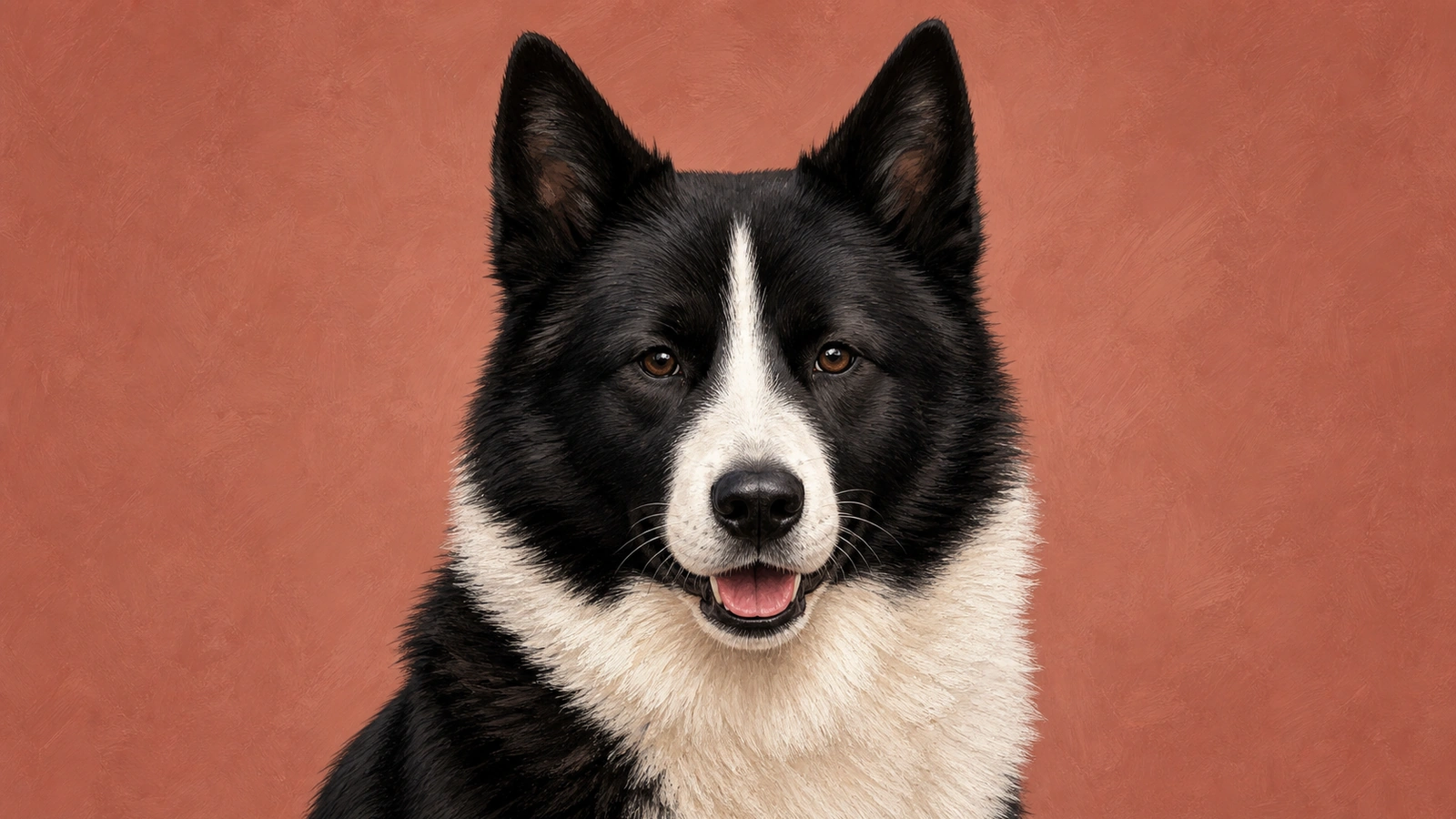
A brave and loyal Finnish treasure, this independent hunter thrives with active owners. Perfect for those seeking a devoted, fearless outdoor partner.

BREED GROUP

Spitz Dogs

Country of origin

Finland

BREED SIZE

Medium

BREED HEIGHT

19 -

24 IN

48 -

61 cm

BREED WEIGHT

44 -

49 LB

20 -

22 KG

WHAT YOU NEED TO KNOW

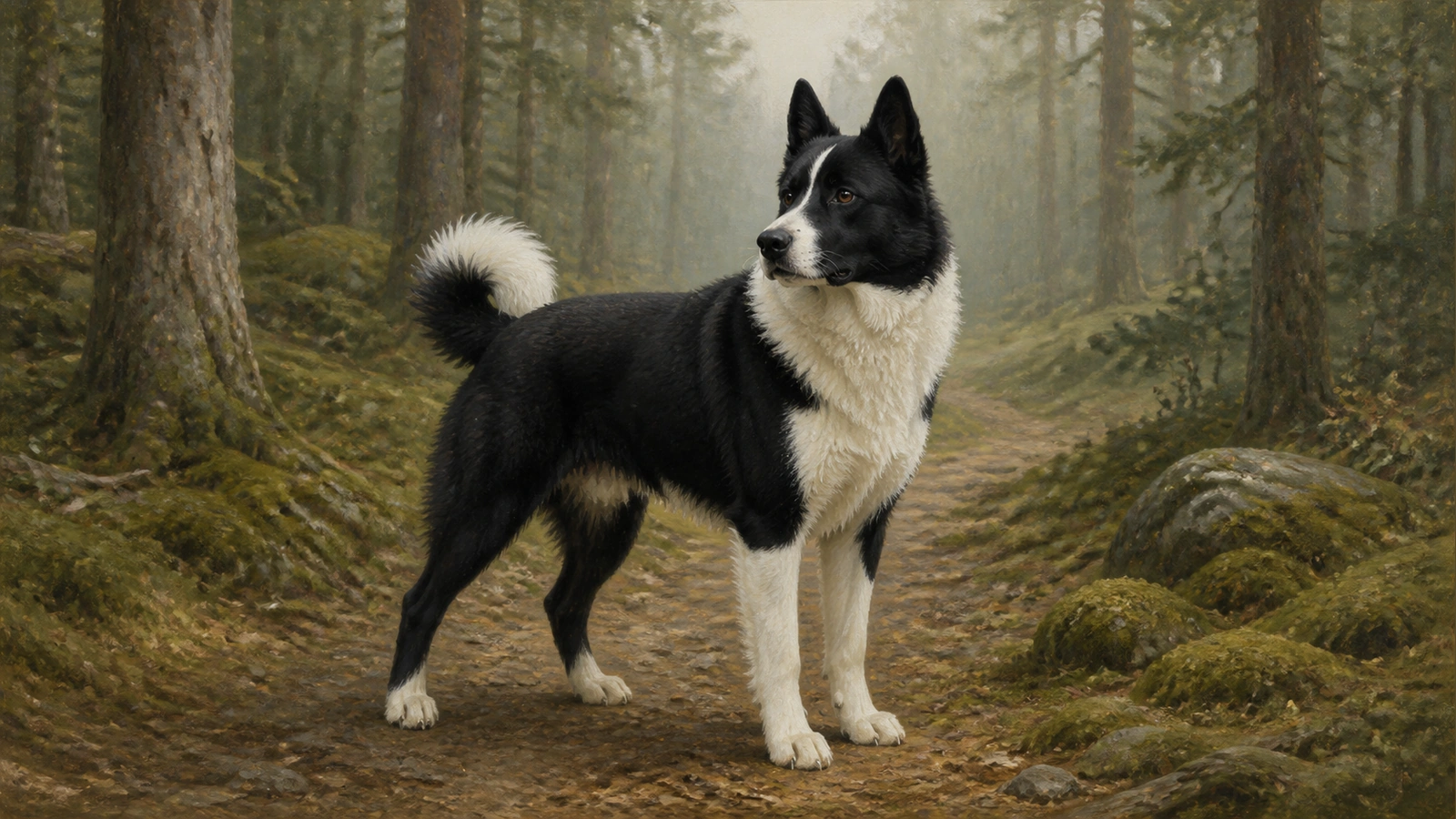
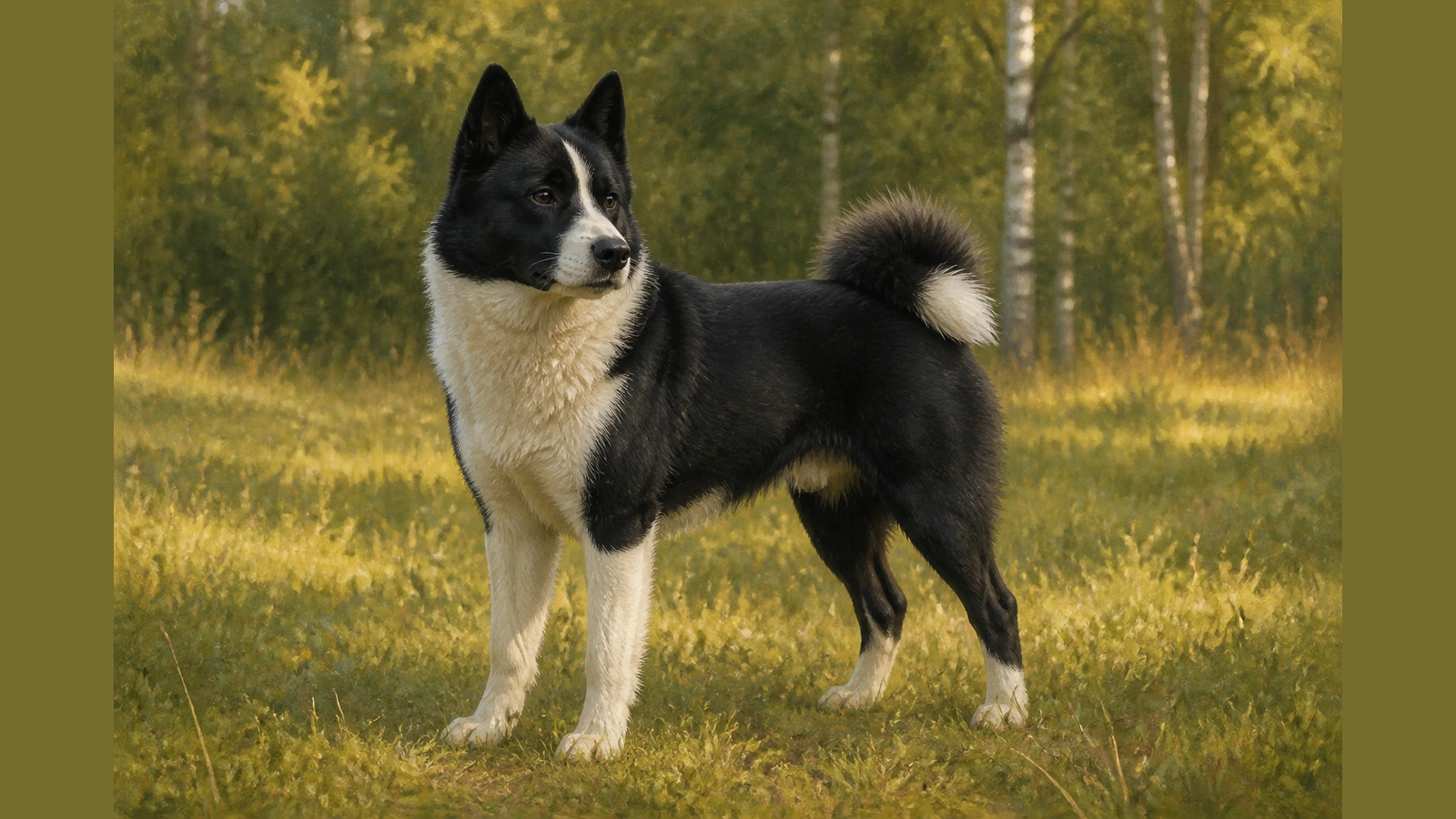
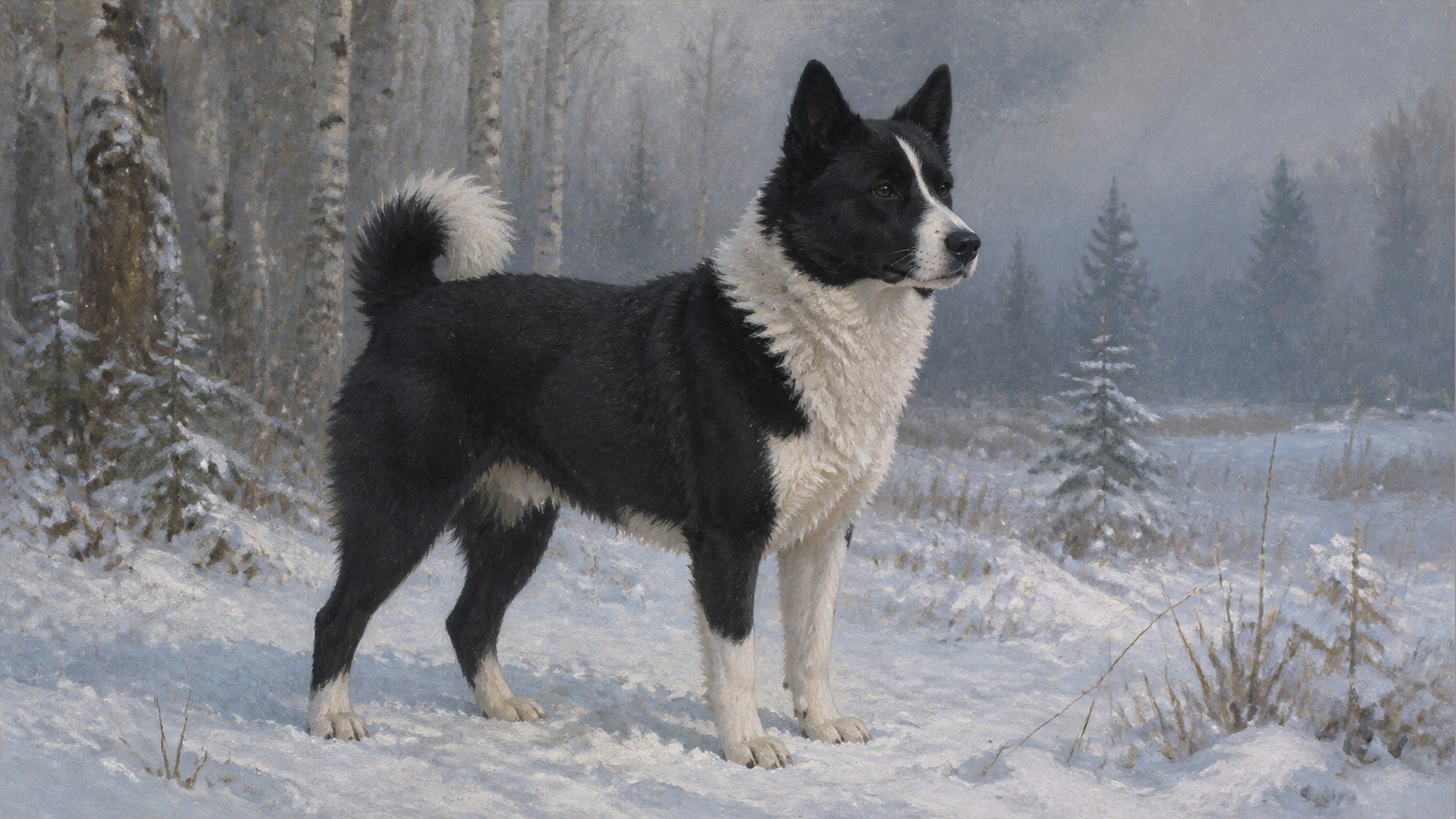
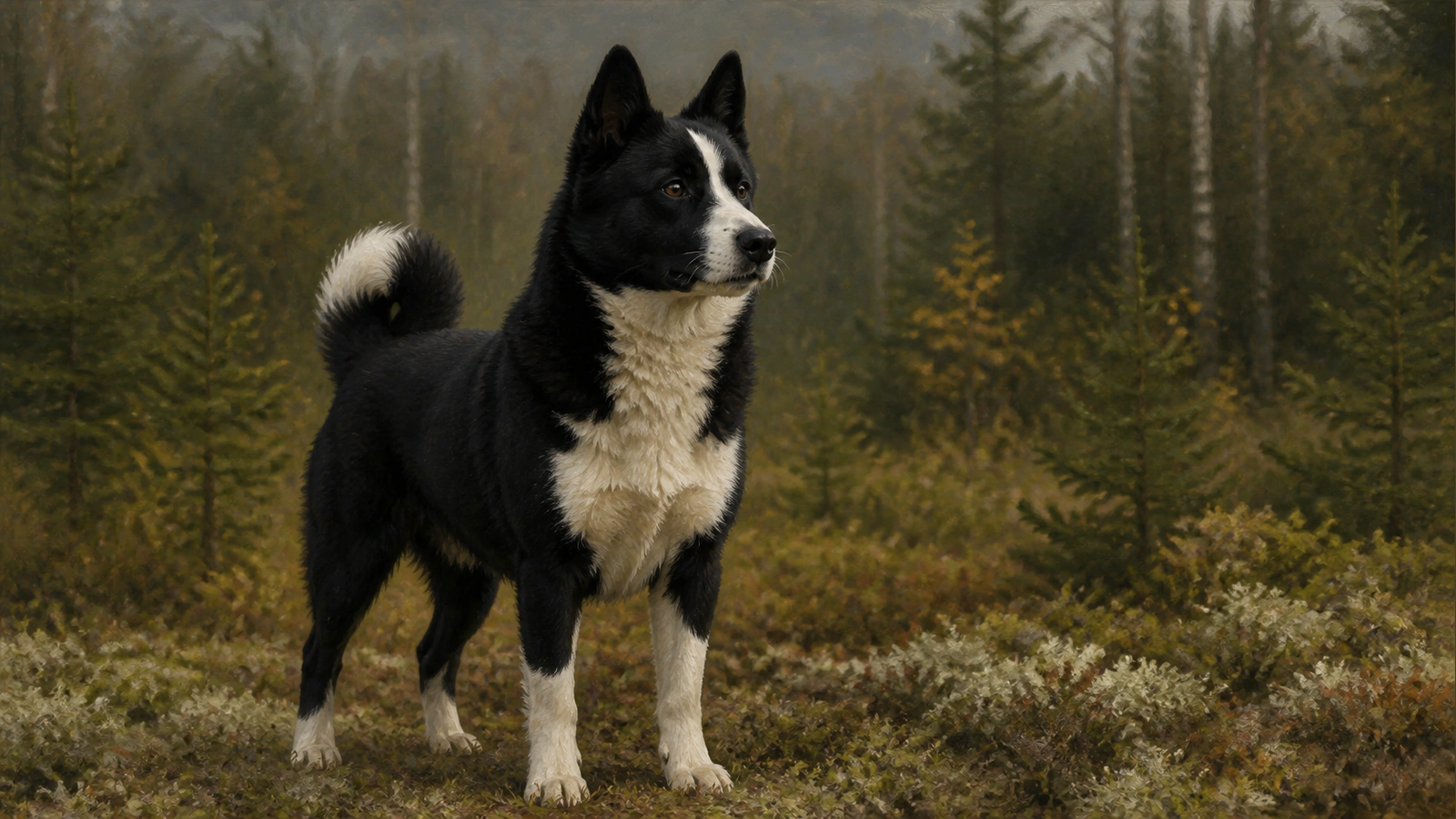
The Karelian Bear Dog is a courageous, independent Finnish breed originally used for hunting large game like bears and moose. These medium-sized, black-and-white dogs possess intense energy and a high prey drive, making them best suited for experienced owners in rural or suburban settings with secure fencing. While deeply loyal to their families, they can be reserved with strangers and territorial toward other dogs. They require significant mental and physical stimulation, consistent reward-based training, and early socialization to manage their stubborn nature and prevent common issues like separation anxiety or destructive behavior.
american kennel club (AKC) recognition

No

Breed was recognized in 0.

International Canine Federation (FCI) recognition

No

Breed was recognized in 0.
WHAT DO OWNERS WANT TO KNOW?

Are Karelian Bear Dogs good family dogs?

Poor

2 out of 10

Karelian Bear Dogs are deeply loyal to their families, but their independent nature and high prey drive make them better suited for experienced owners than for every household. They require significant training and early socialization to manage their stubbornness and ensure they remain well-behaved companions.

Not Recommended

2 out of 10

Karelian Bear Dogs are generally not recommended for families with young children due to their high prey drive and independent, rowdy nature. While they are deeply loyal to their own family and can be patient with children they are raised with, their primitive hunting instincts mean they may chase running children. They are best suited for households with older children who can respect the dog's boundaries and participate in the extensive physical exercise this breed requires. Supervision is always essential to ensure safety and prevent the dog from feeling overwhelmed.

Poor

2 out of 10

Karelian Bear Dogs are not ideal for first-time owners because their independent, strong-willed nature and high prey drive make them difficult to train. They require an experienced handler who can provide consistent, firm leadership and extensive socialization to manage their primitive hunting instincts and potential territorial behavior. Success with this breed demands a significant commitment to physical exercise and mental stimulation that usually exceeds the capabilities of a novice owner.

Good

6 out of 10

Karelian Bear Dogs are generally suitable apartment companions due to their medium size and quiet, even-tempered nature indoors. While they can adapt to compact spaces if provided with 60 to 90 minutes of vigorous daily exercise and mental stimulation, their independent spirit and hunting instincts make a home with a yard more ideal to prevent boredom.

Below Average

6 out of 10

A yard is not strictly required for a Karelian Bear Dog, but it is highly recommended to provide a secure space for their high energy and independent spirit. While they can adapt to small homes or apartments if given 60 to 90 minutes of daily exercise and mental stimulation, a yard with secure fencing is ideal to accommodate their hunting instincts and prevents them from roaming.

Exceptional

10 out of 10

Karelian Bear Dogs are exceptionally independent and self-reliant, allowing them to handle periods of solitude. However, they can suffer from separation anxiety and become destructive if left alone for too long without sufficient physical and mental stimulation.

Poor

2 out of 10

Karelian Bear Dogs are generally poor companions for cats due to their intense hunting background and high prey drive. They were bred to pursue large game and are likely to view smaller animals as prey, leading to chasing or aggressive behavior. While early socialization and supervised introductions may help, their primitive instincts make them difficult to trust in a multi-pet household with feline friends.

Moderate

6 out of 10

Karelian Bear Dogs are not naturally aggressive toward humans and are often loyal to their families, but they possess a moderate to high potential for aggression toward other animals due to their intense hunting instincts. They can be highly territorial and dominating with other dogs, particularly those of the same sex, and their high prey drive makes them unsuitable for homes with small pets. While they are usually reserved or standoffish with strangers, consistent socialization and experienced leadership are essential to manage their bold, independent nature and prevent protective behaviors from becoming problematic.

Hyperactive

4 out of 10

Karelian Bear Dogs are high-energy working dogs that require substantial daily physical and mental stimulation to thrive. Originally bred for hunting large game, they possess intense energy and a powerful work ethic, making them best suited for active owners who can provide challenging activities like hiking, tracking, or nose work. Without an appropriate outlet for their vigor and intelligence, they may become restless and engage in destructive behaviors like digging or escaping.

~90-120 min a day

10 out of 10

Karelian Bear Dogs are high-energy working dogs that require approximately 60 to 90 minutes of daily exercise to remain healthy and prevent destructive behavior. They thrive on activities that combine physical exertion with mental challenges, such as long hikes, scent work, tracking games, and canicross. Because of their strong hunting instincts and independent nature, they should be exercised in securely fenced areas or kept on a leash during walks.

Poor

2 out of 10

Karelian Bear Dogs can tolerate warm weather, but their thick coats make them susceptible to overheating. To ensure their safety, owners should provide constant access to shade and fresh water, and limit vigorous exercise to the cooler morning or evening hours. On especially hot days, it is best to skip outdoor activities to prevent heatstroke.

Poor

2 out of 10

Karelian Bear Dogs can tolerate warm weather, but their thick coats make them susceptible to overheating. To ensure their safety, owners should provide constant access to shade and fresh water, and limit vigorous exercise to the cooler morning or evening hours. On especially hot days, it is best to skip outdoor activities to prevent heatstroke.

Sometimes Restricted

5 out of 10

Karelian Bear Dogs are occasionally subject to apartment breed restrictions due to their high prey drive, hunting background, and tendency to be territorial or vocal. While their medium size often fits within weight limits, their independent nature and need for significant stimulation can make them a liability in some rental communities. Prospective owners should review individual lease agreements and insurance policies for specific bans on primitive or high-prey-drive breeds.

WHAT DO OWNERS WANT TO KNOW?


Photo
Reviewed by
Dr. Vojtech Gabriel
DVM · PhD · MBA
Veterinarian Researcher Dog breed specialist
Verified

"Karelian Bear Dogs are a hardy and fearless breed, but as a veterinarian, I focus on proactive screening for inherited conditions like hip dysplasia and eye disorders, specifically progressive retinal atrophy (PRA) and early-onset cataracts. Their intense energy and high prey drive necessitate significant physical and mental stimulation to prevent obesity and destructive behaviors stemming from separation anxiety. Owners must also be vigilant about their territorial nature toward other dogs and high prey drive, which requires early, consistent socialization and firm leadership to ensure they remain safe and well-adjusted companions."
Other Spitz Dogs