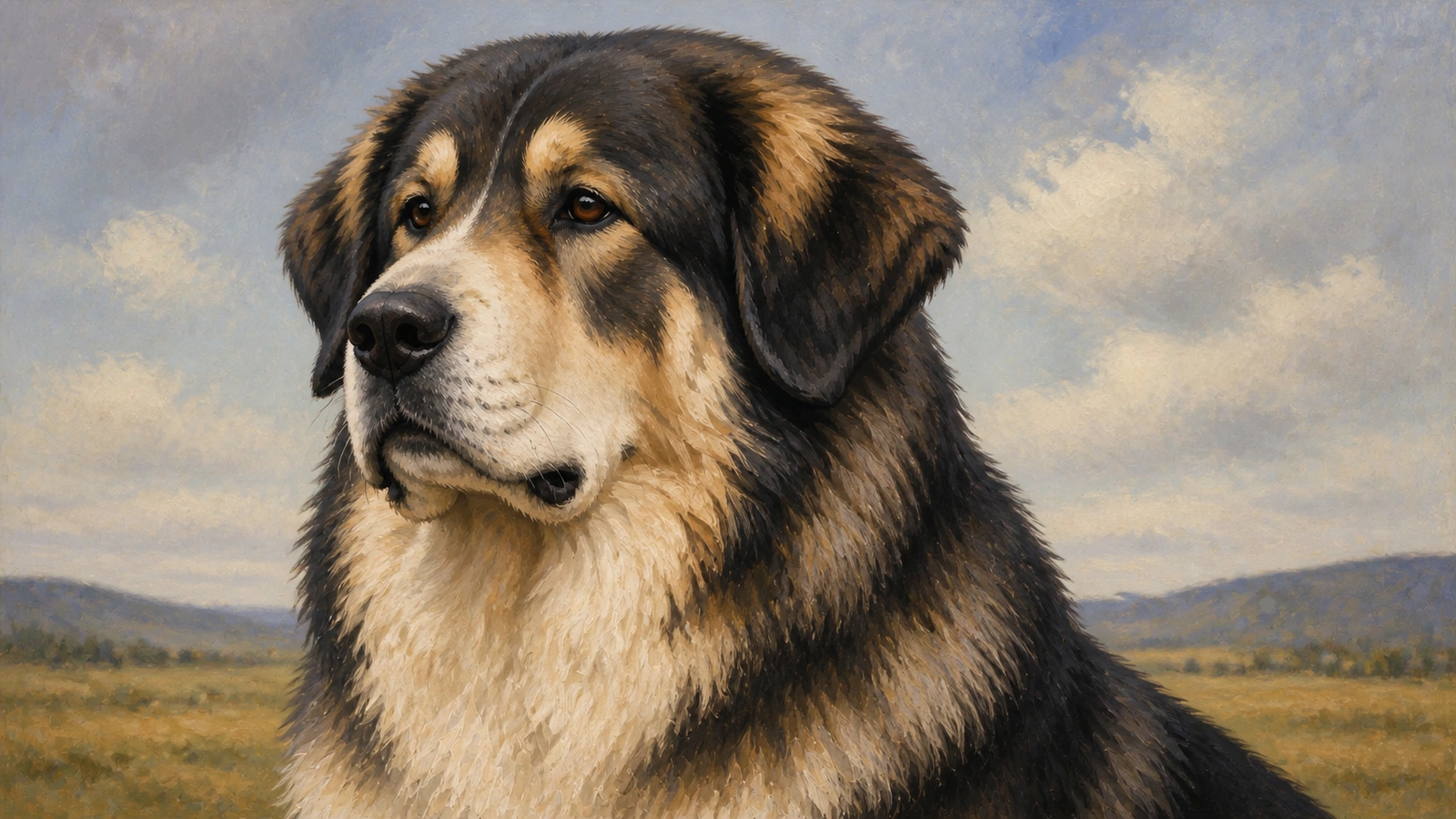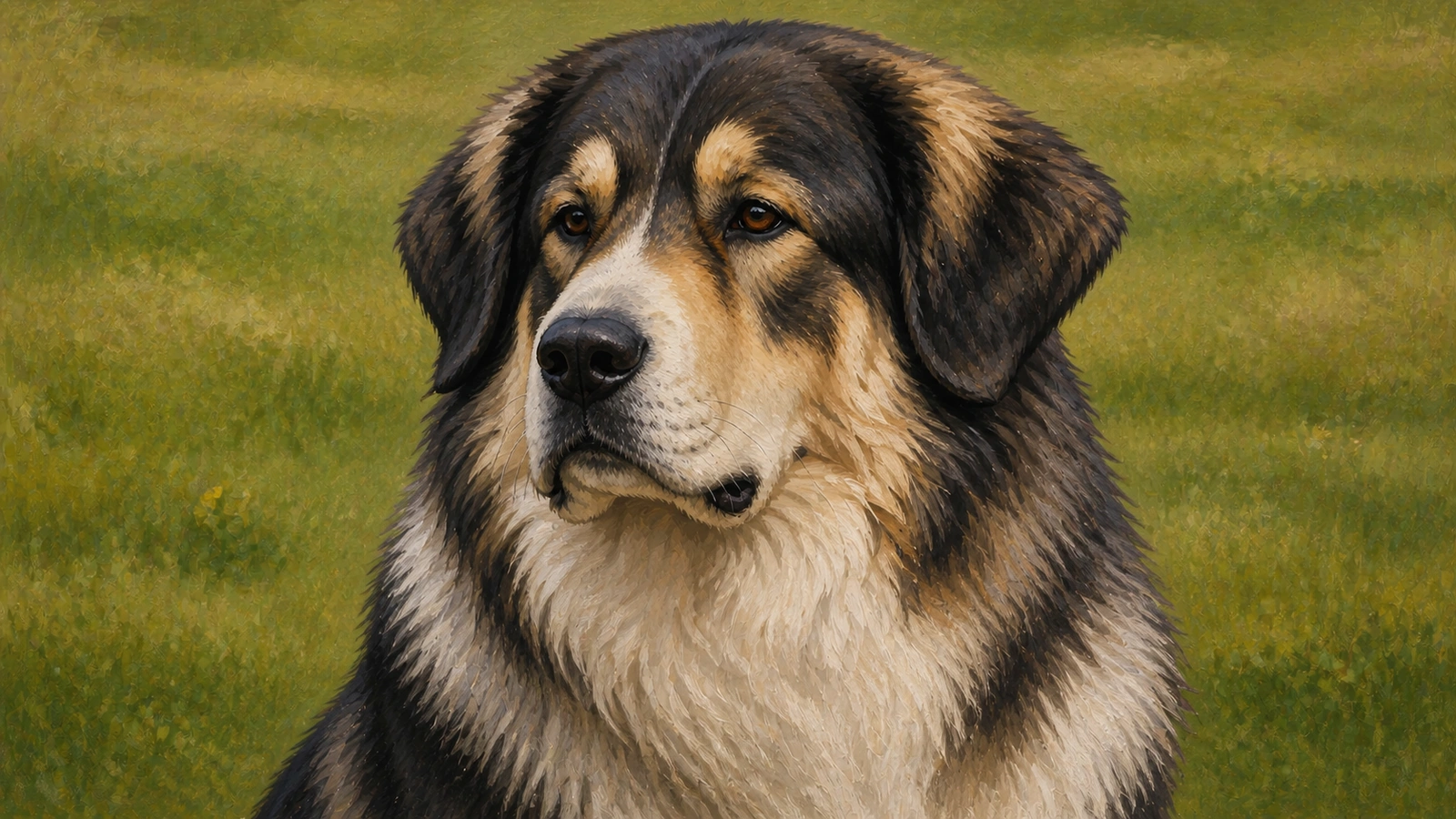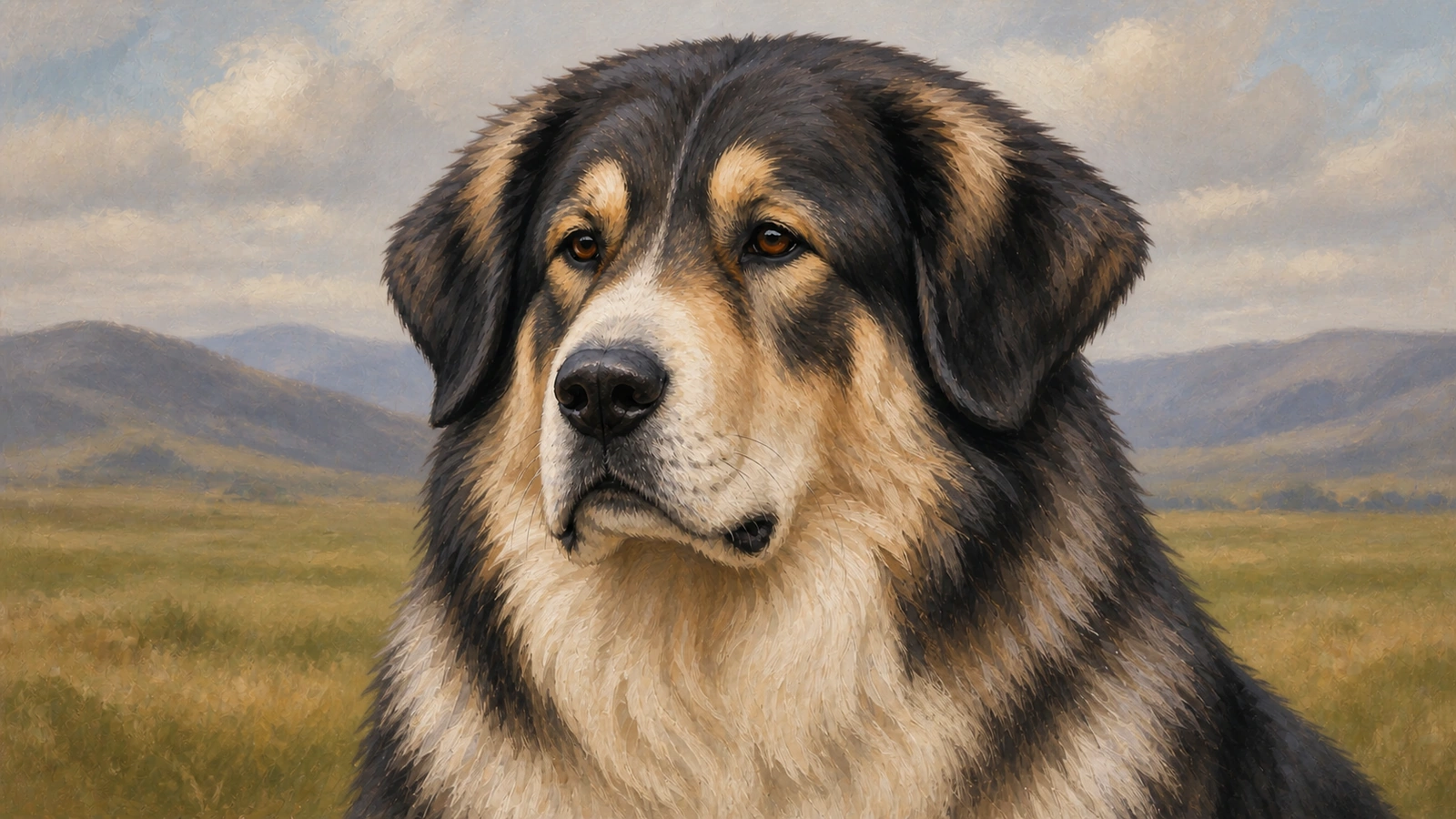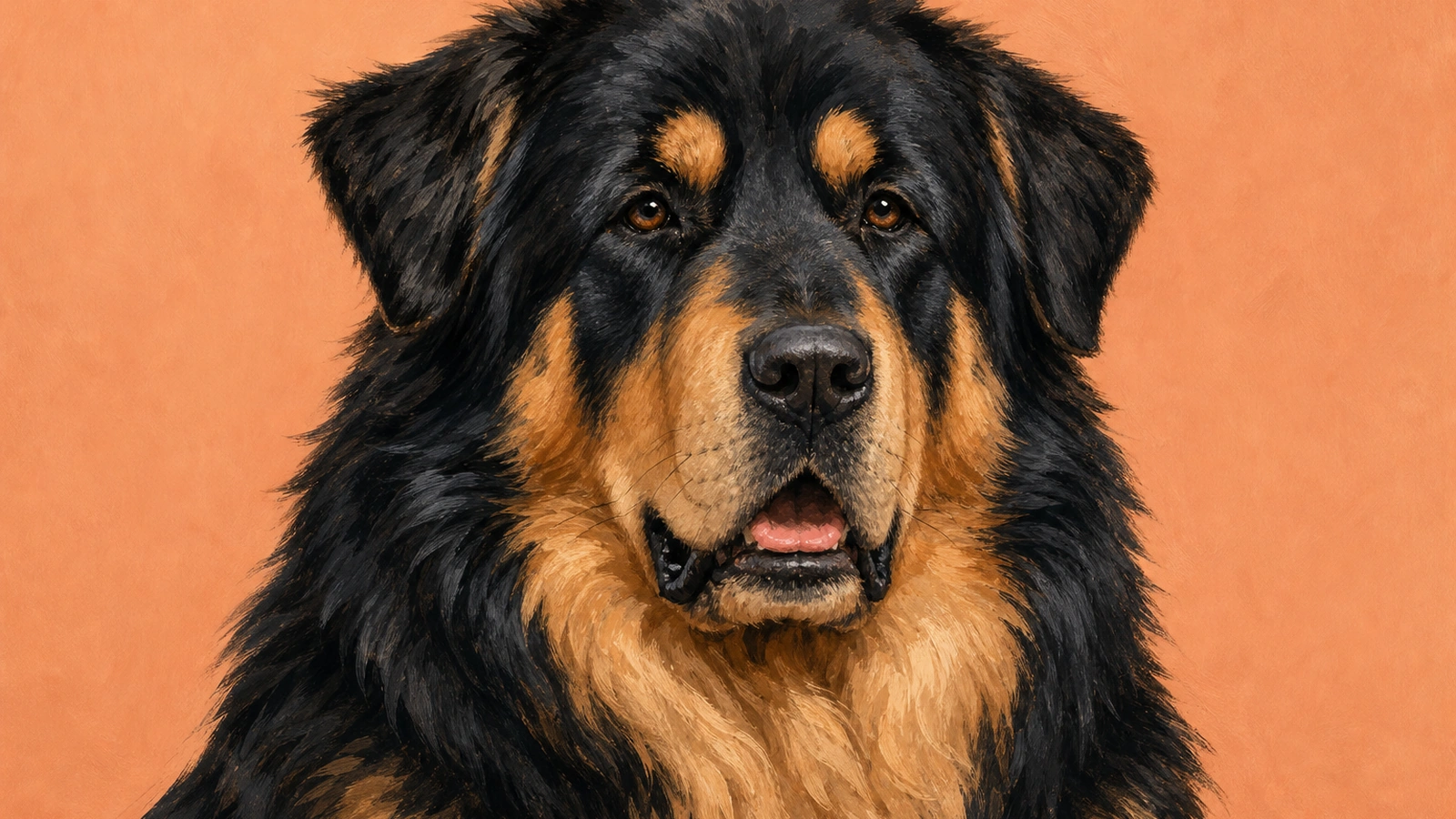
Buryat-Mongolian Wolfhound - MAIN HUB
BREED GROUP
Rare Dogs
Country of origin
Russia
BREED SIZE
Giant
BREED HEIGHT
22 -
34 IN
56 -
86 cm
BREED WEIGHT
65 -
154 LB
29 -
70 KG
WHAT YOU NEED TO KNOW
american kennel club (AKC) recognition
No
Breed was recognized in 0.

International Canine Federation (FCI) recognition
Yes
Breed was recognized in 1954.
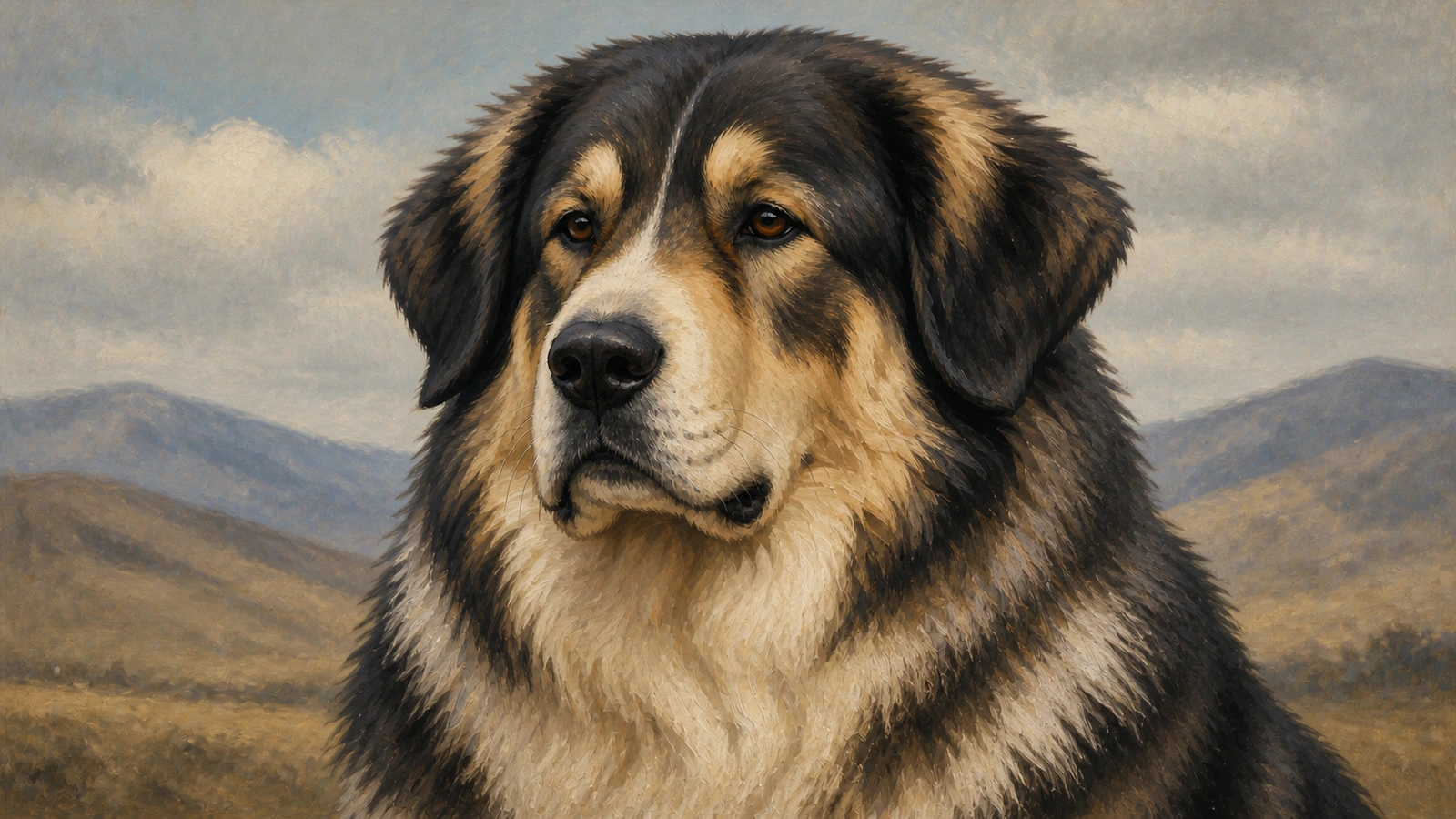
WHAT DO OWNERS WANT TO KNOW?
Are Buryat-Mongolian Wolfhounds good family dogs?
Fair
4 out of 10
The Buryat-Mongolian Wolfhound is an excellent family dog for experienced owners, known for its fearless loyalty and calm temperament. They are dedicated protectors and are particularly patient with children, making them reliable companions in a stable household. While they thrive in outdoor environments, they are most content when they have free access to their family.


Are Buryat-Mongolian Wolfhounds good with kids?
Fair
4 out of 10
Buryat-Mongolian Wolfhounds are exceptionally patient and gentle with children, making them dedicated family protectors. Due to their giant size and guardian nature, they are best suited for families who can provide supervised interactions and consistent training. Their calm temperament and loyalty ensure they become devoted and reliable companions for kids within a stable household.
Are Buryat-Mongolian Wolfhounds good dogs for first time owners?
Average
5 out of 10
Buryat-Mongolian Wolfhounds are generally not recommended for first-time owners due to their giant size, independent nature, and strong guarding instincts. While they are loyal and calm, they require an experienced hand to provide consistent training and firm leadership. Success with this breed requires a deep understanding of livestock guardian temperaments and the space to accommodate their rugged, outdoor-loving lifestyle.
Are Buryat-Mongolian Wolfhounds good apartment dogs?
Poor
2 out of 10
Buryat-Mongolian Wolfhounds are not well-suited for apartment living due to their giant size and need for space. As a rugged guard dog that thrives in outdoor environments, they require more room than a typical apartment provides to be comfortable and fulfilled. While they have a calm temperament, their physical stature and protective nature make them much better suited for large homes with secure outdoor access.
Do Buryat-Mongolian Wolfhounds need a yard?
Average
5 out of 10
A yard is highly recommended for the Buryat-Mongolian Wolfhound due to its giant size and rugged, outdoor-oriented nature. While they have a calm temperament and can be quiet indoors, they are freedom-loving animals that thrive in large homes with secure outdoor access where they can move freely and fulfill their role as dedicated protectors.
Can Buryat-Mongolian Wolfhounds be left at home alone?
Below Average
4 out of 10
Buryat-Mongolian Wolfhounds are independent and rugged guardians that can tolerate moderate periods of solitude, particularly if they have a job to do. However, as dedicated family protectors, they are most content when they have free access to their owners and may become restless or bored if left isolated for extended periods.
Do Buryat-Mongolian Wolfhounds tolerate cats well?
Very Good
7 out of 10
Buryat-Mongolian Wolfhounds generally coexist well with cats due to their calm and patient temperament. While they are protective guardians, they are typically not aggressive toward other animals within their own household. Early socialization and supervised introductions are recommended to ensure they understand the cat is a family member, leading to a peaceful and harmonious relationship.
Are Buryat-Mongolian Wolfhounds known to be aggressive?
Alert
4 out of 10
Buryat-Mongolian Wolfhounds are not inherently aggressive but are naturally alert and protective guard dogs. While they possess a calm and patient temperament with their families, their fearless loyalty and large size mean they can be wary of strangers. Consistent training and early socialization are essential to ensure their protective instincts remain manageable and appropriate for a family environment.
Do Buryat-Mongolian Wolfhounds have a lot of energy?
Very Low
2 out of 10
Buryat-Mongolian Wolfhounds have very low energy levels and are known for their calm, stable temperament. While they are rugged and capable of working as guardians, they are not highly active indoors and often prefer to spend their time quietly watching over their home and family. A daily walk and a job to do are usually enough to keep these patient giants satisfied.
How much exercise do Buryat-Mongolian Wolfhounds need?
~45 min a day
5 out of 10
Buryat-Mongolian Wolfhounds have low energy levels and require approximately 45 minutes of daily exercise to remain healthy and fulfilled. While they are calm indoors, they benefit from regular walks and outdoor access where they can utilize their natural guarding instincts and athletic nature.
Do Buryat-Mongolian Wolfhounds tolerate hot weather well?
Very Poor
2 out of 10
Buryat-Mongolian Wolfhounds have a very poor tolerance for hot weather due to their thick, heavy coats and large size. They are prone to overheating and heatstroke in high temperatures. Owners must provide a cool, shaded environment with constant access to fresh water and strictly limit physical activity to the early morning or late evening during summer months.
Are Buryat-Mongolian Wolfhounds good with cold weather?
Very Poor
2 out of 10
Buryat-Mongolian Wolfhounds have a very poor tolerance for hot weather due to their thick, heavy coats and large size. They are prone to overheating and heatstroke in high temperatures. Owners must provide a cool, shaded environment with constant access to fresh water and strictly limit physical activity to the early morning or late evening during summer months.
Are Buryat-Mongolian Wolfhounds sometimes banned from rentals?
Frequently Restricted
1 out of 10
Buryat-Mongolian Wolfhounds are frequently subject to apartment breed bans due to their giant size and protective nature as rugged guard dogs. Many insurance policies and property managers label such large, powerful breeds as high-risk liabilities for compact living environments. Renters should always verify specific building policies and weight limits, as these restrictions are common for dogs of this stature.
WHAT DO OWNERS WANT TO KNOW?