Skip to content

Kazakh Tazy - MAIN HUB

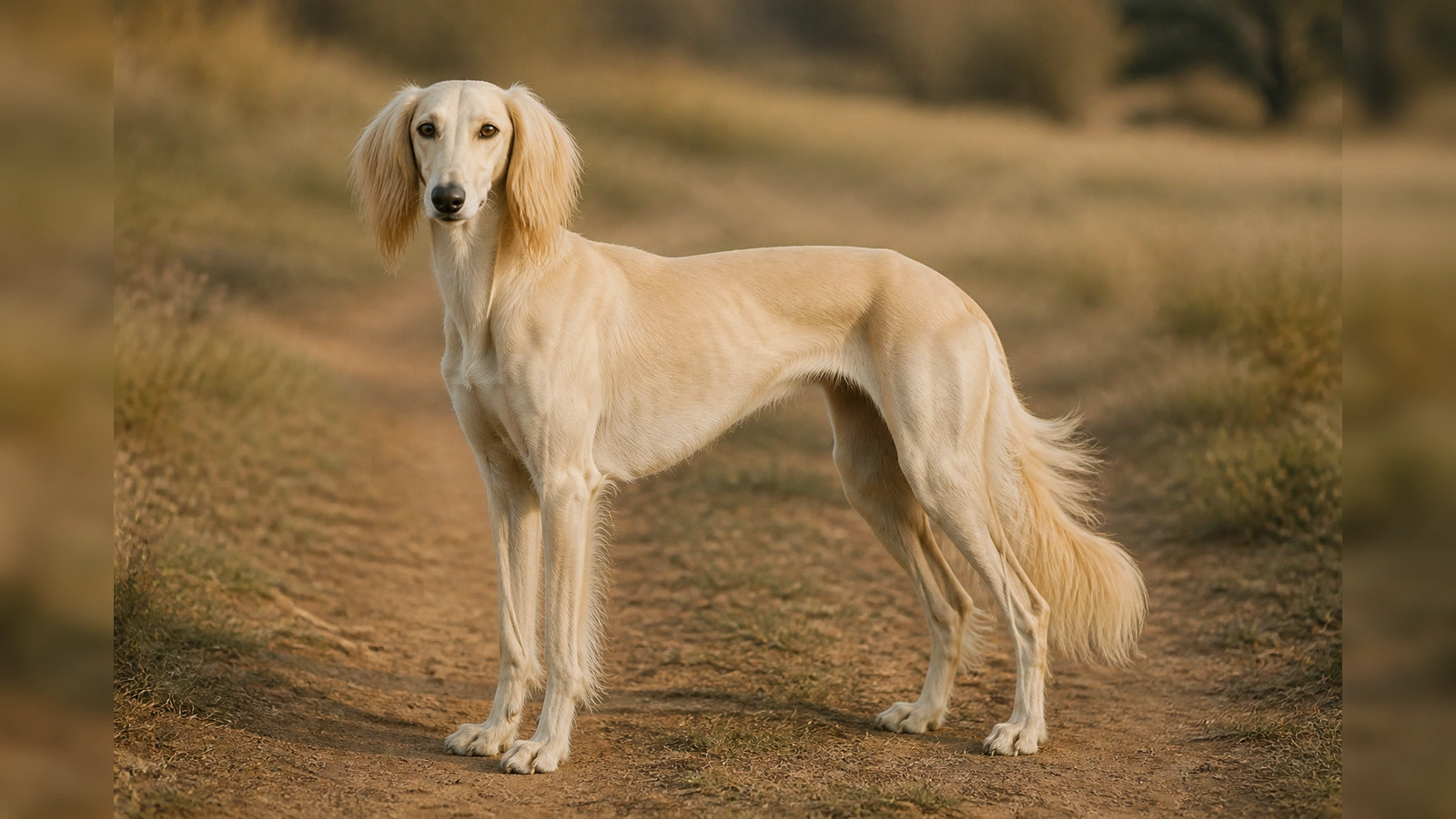
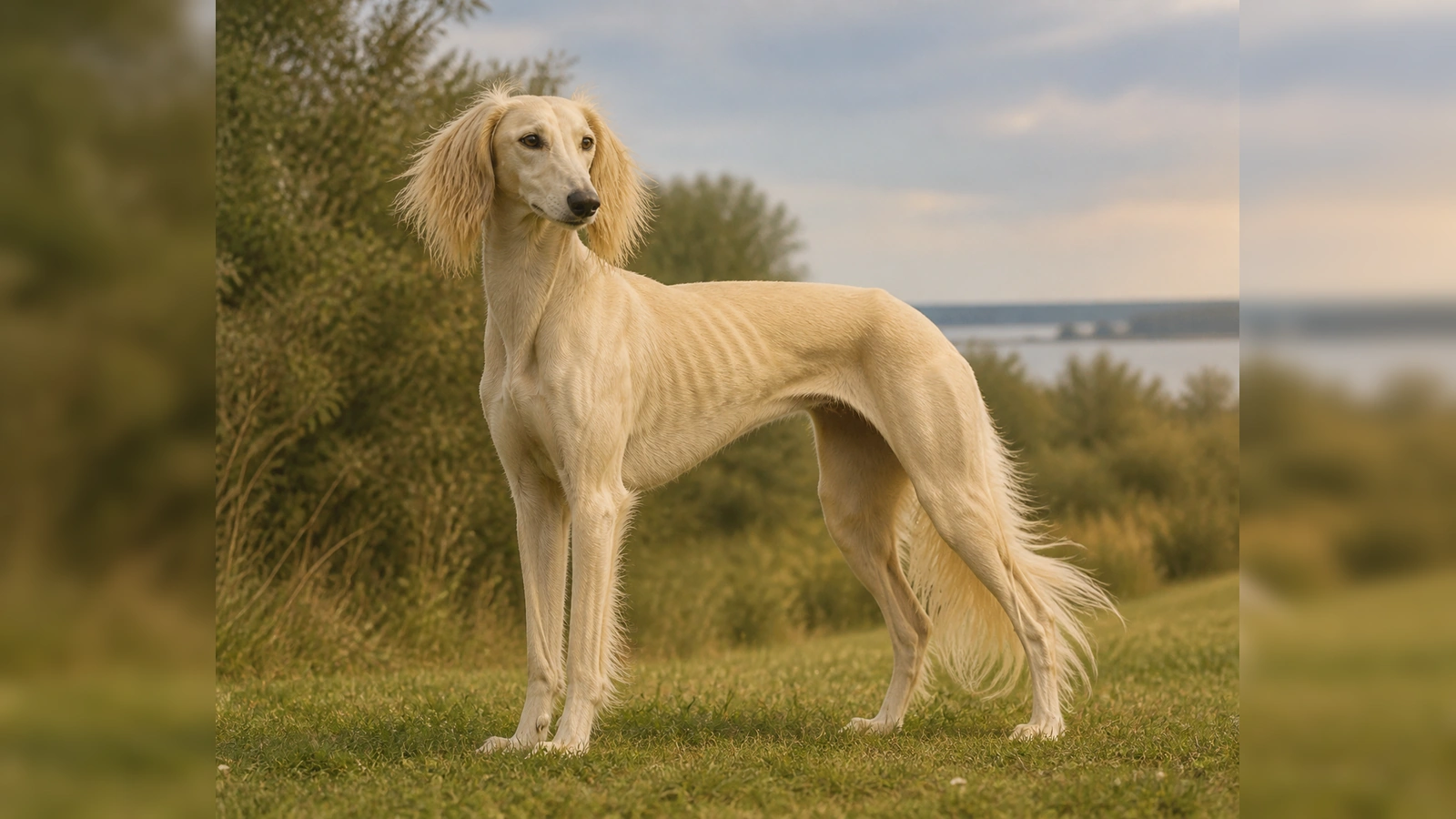
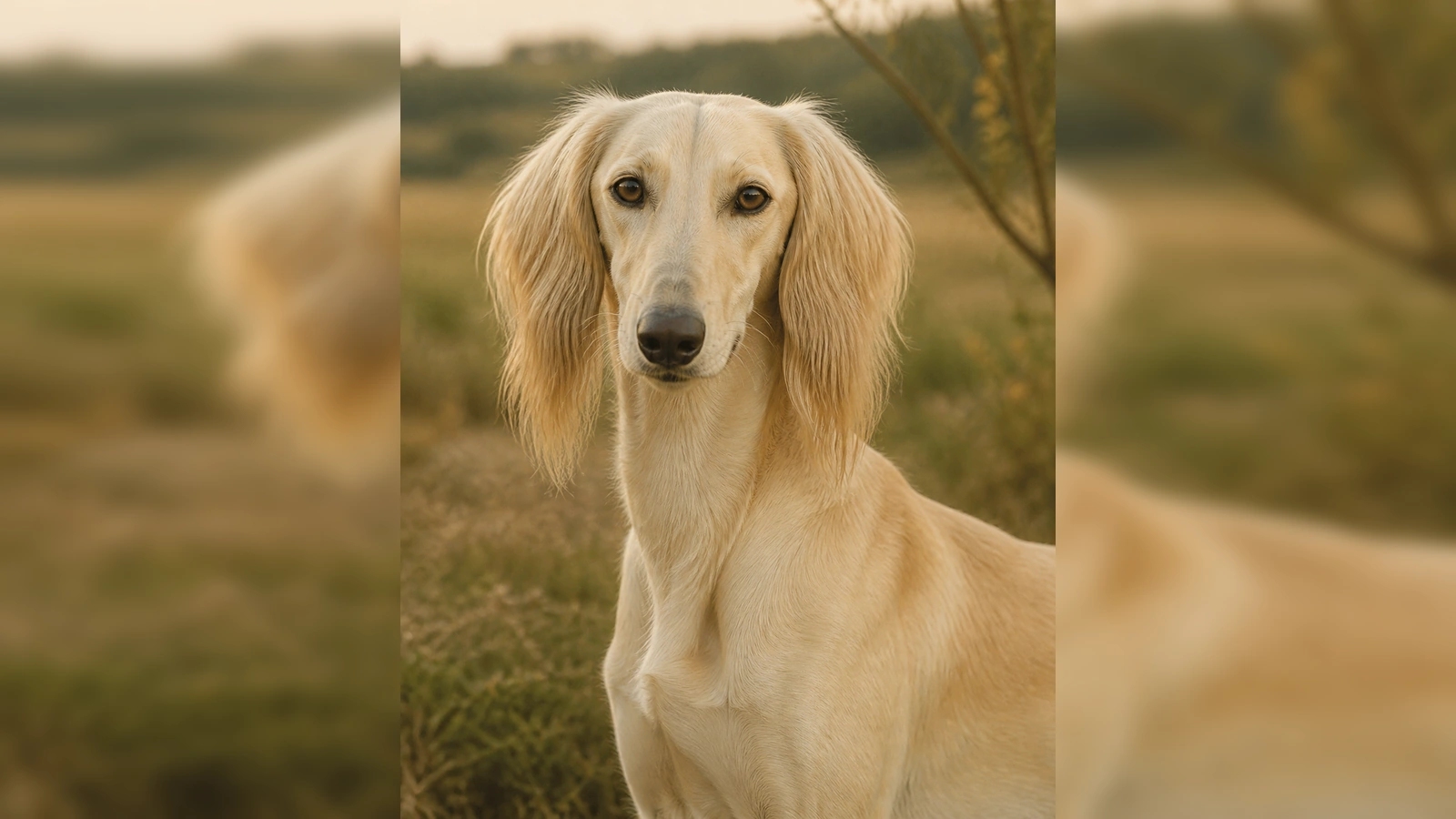
The Kazakh Tazy is a graceful, ancient sighthound from Kazakhstan, offering loyal companionship and incredible speed for active, open-space living.

BREED GROUP

Rare Dogs

Country of origin

Kazakhstan

BREED SIZE

Large

BREED HEIGHT

23 -

29 IN

58 -

74 cm

BREED WEIGHT

44 -

77 LB

20 -

35 KG

WHAT YOU NEED TO KNOW

The Kazakh Tazy is an ancient, graceful sighthound and a national treasure of Kazakhstan. Known for its independent yet loyal temperament, this medium-sized breed excels in speed and endurance, traditionally hunting prey like hares and wolves. While reserved with strangers, they are peaceful and friendly with family, including children. Prospective owners should know that Tazys are highly active and unsuitable for apartment living, requiring regular vigorous exercise in open spaces. They are a robust, healthy breed with a lifespan of 12-15 years and were recently granted provisional recognition by the FCI.
american kennel club (AKC) recognition

No

Breed was recognized in 0.

International Canine Federation (FCI) recognition

Yes

Breed was recognized in 1954.
WHAT DO OWNERS WANT TO KNOW?

Are Kazakh Tazys good family dogs?

Below Average

3 out of 10

The Kazakh Tazy is a loyal and peaceful companion that is friendly with family members and children. While they are reserved with strangers, their gentle nature makes them suitable for active households that can accommodate their high energy and need for open space. However, they are generally not recommended for apartment living due to their vigorous exercise requirements.

Fair

3 out of 10

Kazakh Tazys are generally excellent with children, known for being peaceful, affectionate, and patient family companions. Historically valued as the only animal allowed to approach children inside nomadic yurts, they possess a gentle and non-aggressive temperament. Their calm and loyal nature makes them wonderful playmates for kids within active households that respect their independent spirit.

Below Average

4 out of 10

Kazakh Tazys can be challenging for first-time owners due to their independent, self-sufficient nature and high exercise requirements. While they are loyal and peaceful companions, their strong hunting instincts and need for regular vigorous activity in open spaces require a dedicated owner. Success for a novice depends on a commitment to consistent training and providing ample opportunities for this athletic sighthound to run.

Not Recommended

2 out of 10

Kazakh Tazys are not recommended for apartment living due to their high energy levels and strong hunting instincts. They require significant daily physical exercise and mental stimulation that is difficult to provide in a confined space.

Strictly Required

1 out of 10

A yard is strictly required for Kazakh Tazys due to their high energy levels and strong hunting instincts. They require significant daily physical exercise and mental stimulation.

Above Average

6 out of 10

Kazakh Tazys are independent sighthounds that can tolerate moderate periods of solitude if well-exercised beforehand. However, prolonged isolation can lead to boredom and destructive behaviors.

Fair

4 out of 10

Kazakh Tazys have a high prey drive and may chase smaller animals. While they can coexist with cats if socialized early, supervision is recommended.

Moderate

6 out of 10

Kazakh Tazys are generally peaceful and non-aggressive dogs that are deeply loyal to their families. While they are naturally reserved and independent around strangers, they typically maintain a dignified and calm temperament. Early socialization and consistent training are recommended to manage their strong hunting instincts and ensure they remain well-behaved companions.

High Energy

10 out of 10

Kazakh Tazys are high-energy, athletic working dogs that require significant daily physical and mental stimulation to stay healthy and happy.

~120+ min a day

10 out of 10

Kazakh Tazys require significant daily physical and mental stimulation to stay healthy and happy. Originally bred for long hours of tracking game, they possess great stamina and thrive on activities like long walks and running.

Exceptional

10 out of 10

Kazakh Tazys possess exceptional heat tolerance, a trait developed over centuries of hunting in the harsh, arid conditions of the Central Asian steppe. Their short, single coat and lean physique allow them to effectively regulate their body temperature, making them well-suited for warm climates. While they thrive in hot weather, owners should still ensure they have access to fresh water and shade during peak temperatures to prevent dehydration.

Exceptional

10 out of 10

Kazakh Tazys possess exceptional heat tolerance, a trait developed over centuries of hunting in the harsh, arid conditions of the Central Asian steppe. Their short, single coat and lean physique allow them to effectively regulate their body temperature, making them well-suited for warm climates. While they thrive in hot weather, owners should still ensure they have access to fresh water and shade during peak temperatures to prevent dehydration.

Rarely Banned

8 out of 10

Kazakh Tazys are rarely subject to breed-specific bans as they are not typically classified as aggressive. However, their medium size and high energy levels may pose challenges in some rental environments.

WHAT DO OWNERS WANT TO KNOW?


Photo
Reviewed by
Dr. Vojtech Gabriel
DVM · PhD · MBA
Veterinarian Researcher Dog breed specialist
Verified

"Kazakh Tazys are a robust and ancient breed, but like many sighthounds, they are predisposed to certain health considerations. As a veterinarian, I recommend monitoring for hip and elbow dysplasia, though the breed maintains high genetic diversity and a low coefficient of inbreeding. Their deep-chested anatomy puts them at potential risk for gastric dilatation-volvulus (bloat), necessitating careful feeding practices and the avoidance of vigorous exercise immediately after meals. Given their background as endurance hunters in harsh climates, maintaining a lean body condition and a high-protein diet is essential for their muscle structure and stamina. Routine cardiac screenings and monitoring for potential sighthound-specific sensitivities to anesthesia are also advised to ensure their long-term health and well-being."


Other Rare Dogs