Skip to content

Thai Ridgeback - MAIN HUB

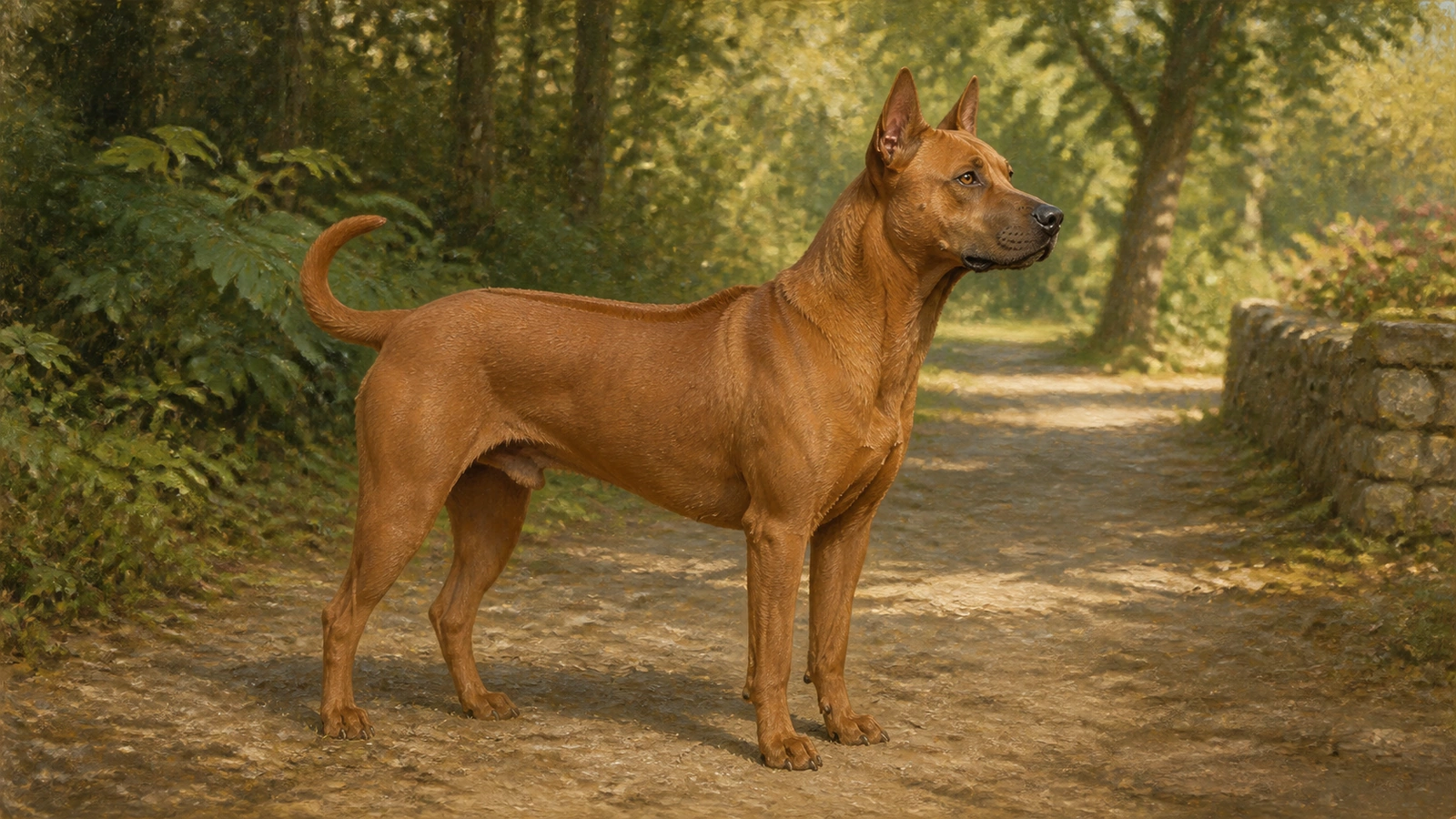
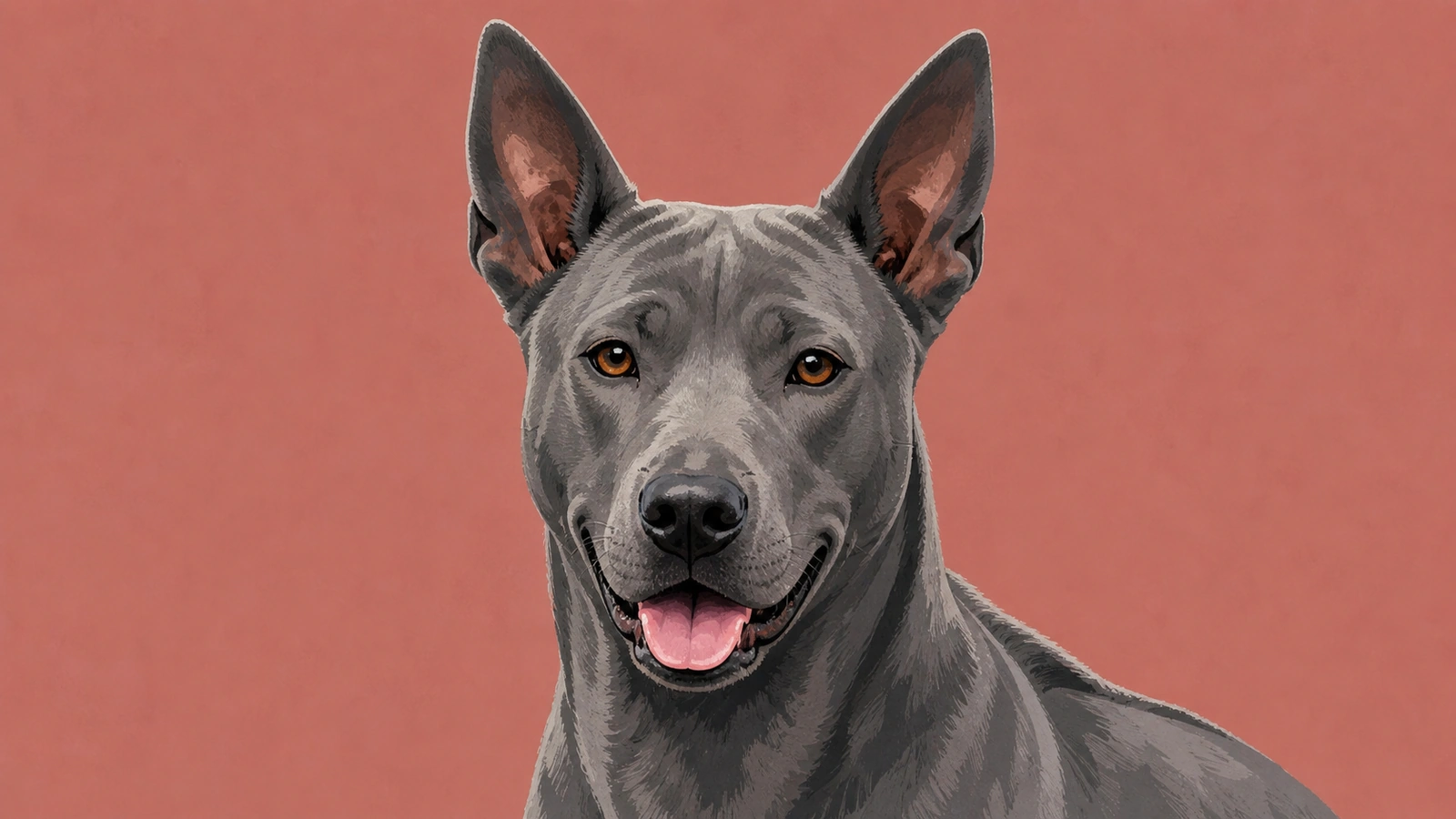
The Thai Ridgeback is a loyal, athletic guardian from Thailand, known for its unique spinal ridge. Perfect for active owners who love a smart companion!

BREED GROUP

Rare Dogs

Country of origin

Thailand

BREED SIZE

Medium

BREED HEIGHT

20 -

24 IN

51 -

61 cm

BREED WEIGHT

35 -

75 LB

16 -

34 KG

WHAT YOU NEED TO KNOW

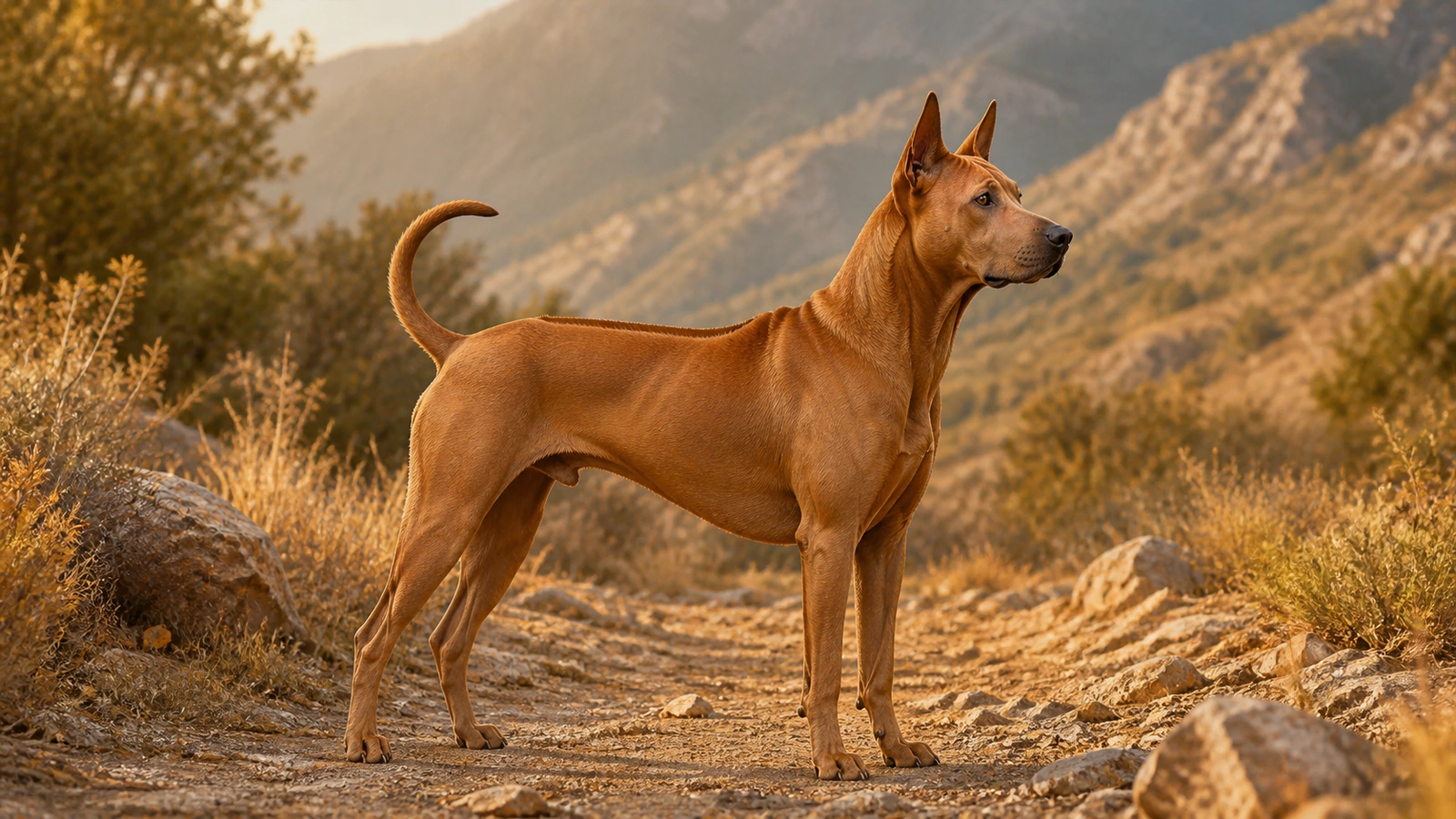
The Thai Ridgeback is a primitive, athletic breed from Thailand known for its unique ridge of hair growing in reverse along its spine. Weighing 35-75 pounds, these intelligent dogs are fiercely loyal to their families but independent and naturally suspicious of strangers. Due to their high prey drive and jumping ability, they require a secure fence and consistent, firm training, making them best suited for experienced owners. Their short, single-layer coat is low-maintenance and sheds minimally, though they thrive best in warmer climates and need ample daily exercise.
american kennel club (AKC) recognition

No

Breed was recognized in 0.

International Canine Federation (FCI) recognition

Yes

Breed was recognized in 1993.
WHAT DO OWNERS WANT TO KNOW?

Are Thai Ridgebacks good family dogs?

Average

5 out of 10

Thai Ridgebacks are fiercely loyal and devoted to their families, but their independent nature and suspicion of strangers require consistent, firm training. Because of their high prey drive and specific exercise needs, they are best suited for experienced owners who can provide a secure environment and early socialization.

Average

5 out of 10

Thai Ridgebacks are naturally gentle and protective of children, often forming strong bonds with their families. However, due to their large size and high energy, they may not always know how to play gently and can be sensitive to loud or rough behavior. Early socialization and consistent training are essential to ensure they remain calm, and supervision is always recommended during interactions with children.

Average

5 out of 10

Thai Ridgebacks are generally not recommended for first-time owners due to their independent, stubborn nature and high prey drive. They require an experienced, firm leader and consistent socialization to manage their primitive instincts and natural suspicion of strangers.

Fair

3 out of 10

Thai Ridgebacks can adapt to apartment living, but it is not ideal due to their high energy levels and athletic nature. To thrive in a smaller environment, they require significant daily exercise and mental stimulation to prevent boredom and potential destructive behaviors.

Above Average

4 out of 10

A yard is not strictly required for a Thai Ridgeback, but a home with a securely fenced outdoor space is highly recommended to accommodate their high energy and jumping ability. While they can adapt to urban living with adequate daily exercise, a yard provides a safe environment for them to roam and satisfy their natural protective instincts.

Very Good

8 out of 10

Thai Ridgebacks are independent thinkers that can tolerate being alone for moderate periods, as they possess a cat-like self-reliance. However, they are deeply devoted to their owners and require significant human companionship to remain stable and prevent destructive behaviors. While they can adapt to some solitude, prolonged isolation is not recommended, as they thrive best when integrated into daily family activities.

Below Average

3 out of 10

Supervision and consistent training are essential if they must coexist.

Calm

3 out of 10

Thai Ridgebacks are not naturally aggressive but possess strong protective instincts and can be naturally suspicious of strangers. While they are fiercely loyal and devoted to their families, they can be territorial and may show aggression toward other dogs if not properly socialized from a young age. Consistent, firm training and early exposure to various environments are essential to ensure their guarding tendencies remain manageable.

Moderate

5 out of 10

Thai Ridgebacks are athletic, high-energy dogs that require a significant amount of daily physical and mental stimulation to stay healthy and stable. They are natural athletes with a high prey drive and impressive jumping abilities, thriving when given opportunities to run, hike, or participate in dog sports like agility. Without an outlet for their energy, these independent dogs can become bored, vocal, or exhibit destructive behaviors.

~60 min a day

6 out of 10

Thai Ridgebacks are high-energy, athletic dogs that require approximately 60 to 90 minutes of daily exercise to stay healthy and stable. They thrive on a variety of activities, including long walks, hiking, and canine sports like agility, disc dog, or lure coursing. Due to their exceptional jumping ability and high prey drive, outdoor exercise should occur in a securely fenced yard or on a leash to ensure their safety.

Good

6 out of 10

Thai Ridgebacks are well-suited for hot climates due to their tropical origins and short, single-layer coats. While they are naturally resilient to high temperatures, owners should still provide access to shade and fresh water during peak heat to ensure they remain safe and comfortable.

Good

6 out of 10

Thai Ridgebacks are well-suited for hot climates due to their tropical origins and short, single-layer coats. While they are naturally resilient to high temperatures, owners should still provide access to shade and fresh water during peak heat to ensure they remain safe and comfortable.

Often Restricted

4 out of 10

Thai Ridgebacks are often subject to breed restrictions in apartments and rentals due to their large size, high prey drive, and reputation as primitive guardians. Many landlords and insurance companies categorize them as high-risk liabilities, similar to other protective breeds. Prospective owners should carefully review local lease agreements and may benefit from providing obedience training certifications or references to demonstrate their dog's good temperament.

WHAT DO OWNERS WANT TO KNOW?


Photo
Reviewed by
Dr. Vojtech Gabriel
DVM · PhD · MBA
Veterinarian Researcher Dog breed specialist
Verified

"Thai Ridgebacks are generally robust, but owners should monitor for hip dysplasia and dermoid sinus, a congenital skin condition. Regular veterinary checkups are recommended."

Other Rare Dogs