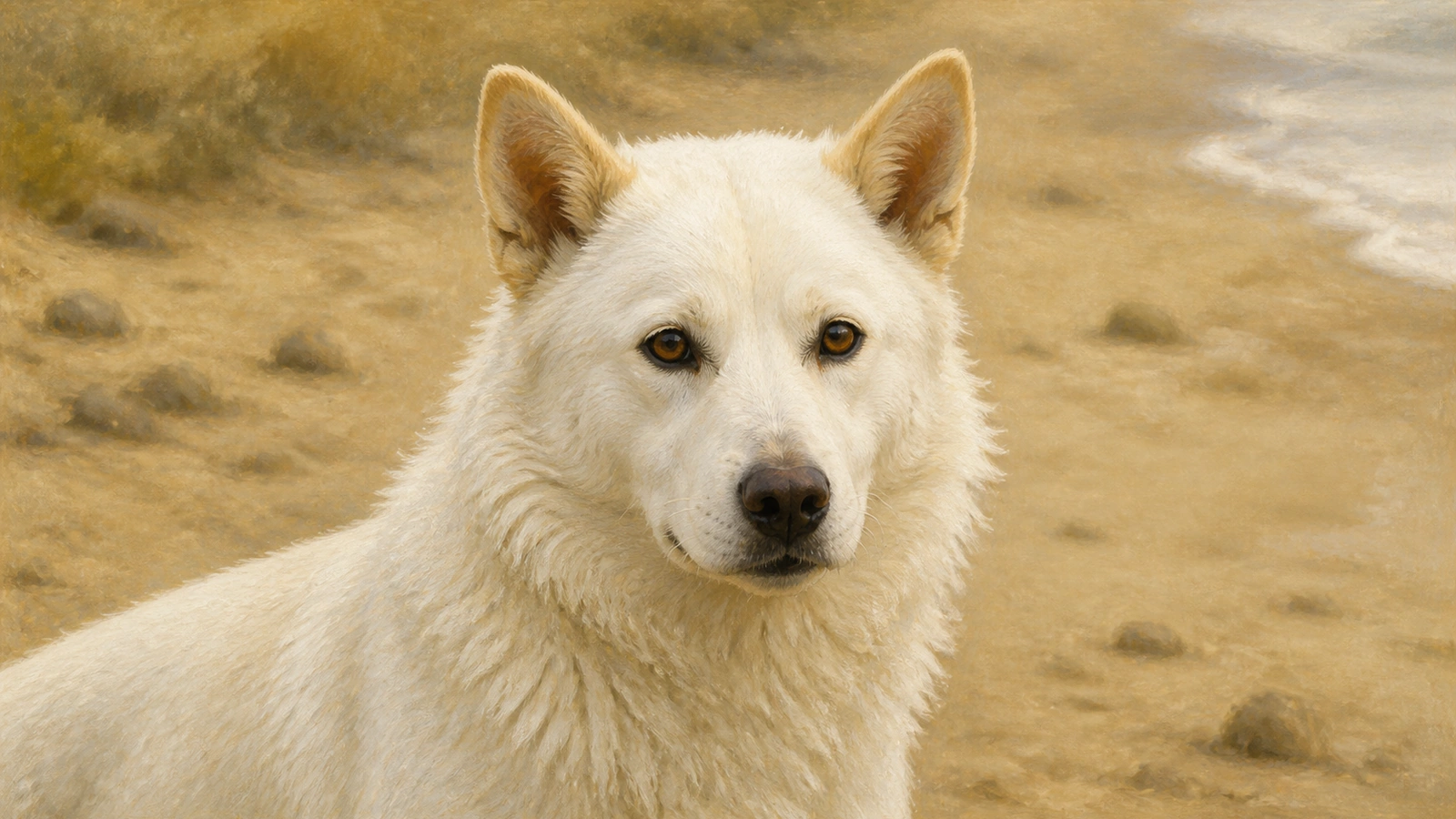
Kintamani-Bali Dog - MAIN HUB
BREED GROUP
Rare Dogs
Country of origin
Indonesia
BREED SIZE
Medium
BREED HEIGHT
17 -
22 IN
43 -
56 cm
BREED WEIGHT
29 -
44 LB
13 -
20 KG
WHAT YOU NEED TO KNOW
american kennel club (AKC) recognition
No
Breed was recognized in 0.

International Canine Federation (FCI) recognition
Yes
Breed was recognized in 2019.
WHAT DO OWNERS WANT TO KNOW?
Are Kintamani-Bali Dogs good family dogs?
Poor
2 out of 10
The Kintamani-Bali Dog is a good family dog for those seeking a loyal and affectionate companion that forms deep bonds with its household members. While they are gentle and devoted to their families, their territorial nature and independence make them excellent watchdogs. They thrive best in active homes that can provide the regular exercise and mental stimulation they require.


Are Kintamani-Bali Dogs good with kids?
Not Recommended
2 out of 10
Kintamani-Bali Dogs are generally loyal and affectionate toward their families, but their semi-feral history and territorial nature make them less ideal for homes with young children. While they form deep bonds with their owners, they can be independent and assertive, requiring experienced handling and early socialization. Supervision is necessary during interactions to ensure their protective instincts remain manageable and that play stays safe.
Are Kintamani-Bali Dogs good dogs for first time owners?
Poor
2 out of 10
Kintamani-Bali Dogs are generally not recommended for first-time owners due to their independent, territorial nature and strong guarding instincts. While they form deep, loyal bonds with their families, their "free-thinking" personality and tendency to be vocal and alert mean they require an experienced owner who can provide consistent training and meet their needs for mental and physical stimulation. Successful ownership requires understanding their unique, agile nature and environmental intelligence.
Are Kintamani-Bali Dogs good apartment dogs?
Excellent
9 out of 10
Kintamani-Bali Dogs are excellent apartment companions due to their adaptable nature and moderate exercise needs. While they are energetic and vocal, their loyalty and intelligence allow them to thrive in smaller living spaces if provided with regular mental stimulation and daily walks. Their protective instincts also make them alert watchdogs for city residents.
Do Kintamani-Bali Dogs need a yard?
Rarely Needed
9 out of 10
A yard is not strictly required for a Kintamani-Bali Dog, as they are highly adaptable and can thrive in apartment settings with regular walks and mental stimulation. However, because they are exceptionally agile and known for their ability to climb walls or roofs, any provided outdoor space must be securely enclosed to accommodate their active and curious nature.
Can Kintamani-Bali Dogs be left at home alone?
Above Average
6 out of 10
Kintamani-Bali Dogs are independent and alert guardians that can manage moderate periods of solitude. While they are capable of being alone, they form deep bonds with their families and thrive best when they have regular interaction and mental stimulation to balance their territorial nature.
Do Kintamani-Bali Dogs tolerate cats well?
Average
5 out of 10
Kintamani-Bali Dogs generally have a moderate compatibility with cats, as their territorial instincts and history as hunters of small pests can trigger a prey drive. While they are capable of forming loyal bonds with household pets if raised together from a young age, introductions should be slow and closely supervised. Consistent socialization is essential to help this independent breed coexist peacefully in a multi-pet environment.
Are Kintamani-Bali Dogs known to be aggressive?
Moderate
6 out of 10
Kintamani-Bali Dogs are not inherently aggressive toward humans, often described as gentle and loyal companions. However, they possess a strong territorial instinct and can be highly suspicious of strangers or aggressive toward other dogs that enter their perceived area. Early socialization and consistent training are essential to manage their guarding tendencies and ensure they remain well-behaved members of the household.
Do Kintamani-Bali Dogs have a lot of energy?
Energetic
7 out of 10
Kintamani-Bali Dogs are energetic and agile companions that possess a spirited, independent nature. Originally bred as mountain guardians, they require regular physical activity and mental stimulation to stay happy and healthy. Their unique athletic ability often includes a surprising talent for climbing, so they thrive in environments where they can explore and burn off their natural energy.
How much exercise do Kintamani-Bali Dogs need?
~60-120 min a day
2 out of 10
Kintamani-Bali Dogs are energetic and agile, requiring regular physical activity and mental stimulation to stay healthy. They are often content with two or three short walks per day, especially when combined with more vigorous activities they enjoy, such as swimming or climbing. Providing a mix of brisk outdoor movement and indoor play ensures these loyal mountain guardians remain balanced and engaged.
Do Kintamani-Bali Dogs tolerate hot weather well?
Average
5 out of 10
Kintamani-Bali Dogs have a moderate tolerance for hot weather, having originated in the mountain highlands of Bali. While their thick double coat provides some thermoregulation, they are most comfortable during early-morning outings and should be provided with shade and fresh water to prevent overheating in tropical heat.
Are Kintamani-Bali Dogs good with cold weather?
Average
5 out of 10
Kintamani-Bali Dogs have a moderate tolerance for hot weather, having originated in the mountain highlands of Bali. While their thick double coat provides some thermoregulation, they are most comfortable during early-morning outings and should be provided with shade and fresh water to prevent overheating in tropical heat.
Are Kintamani-Bali Dogs sometimes banned from rentals?
Very Safe
9 out of 10
Kintamani-Bali Dogs are generally not subject to breed bans, as they are a relatively rare and newly recognized breed. Their medium size and status as a loyal companion make them adaptable to various living situations, including apartments. However, because they are highly territorial and can be vocal watchdogs, prospective owners should check local rental agreements for any specific restrictions on protective breeds or noise policies.
WHAT DO OWNERS WANT TO KNOW?