Skip to content

Chesapeake Bay Retriever - MAIN HUB

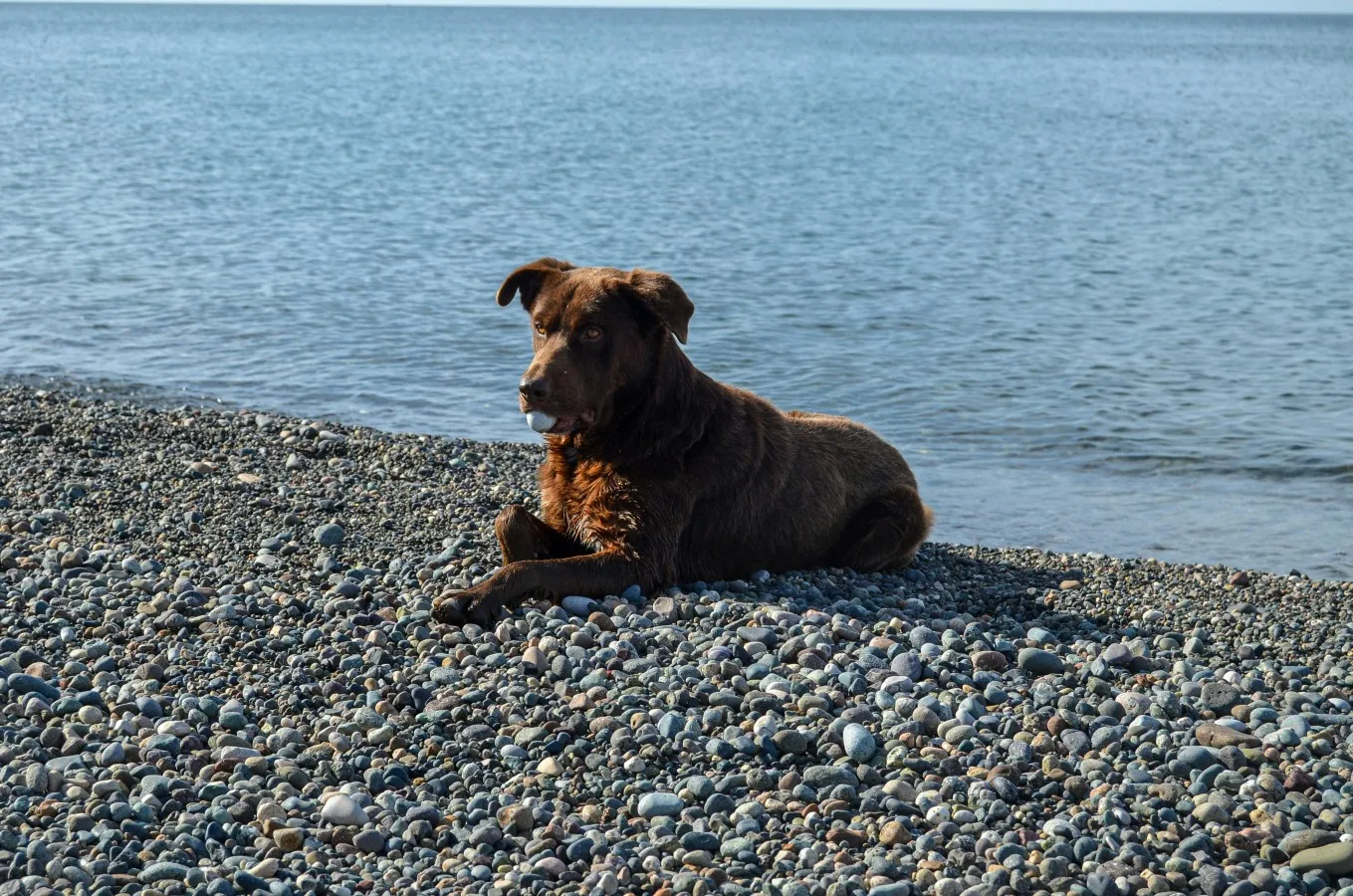
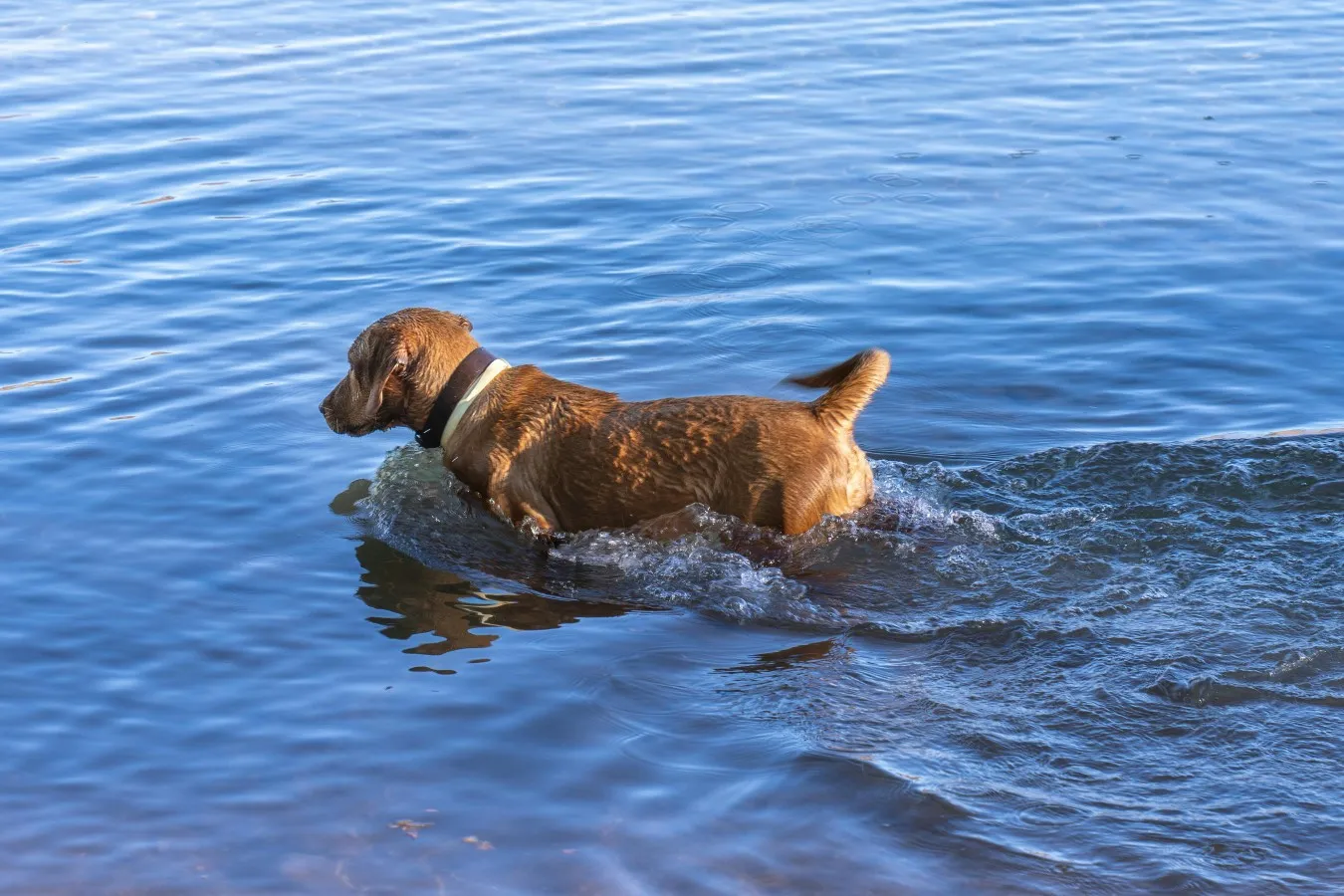
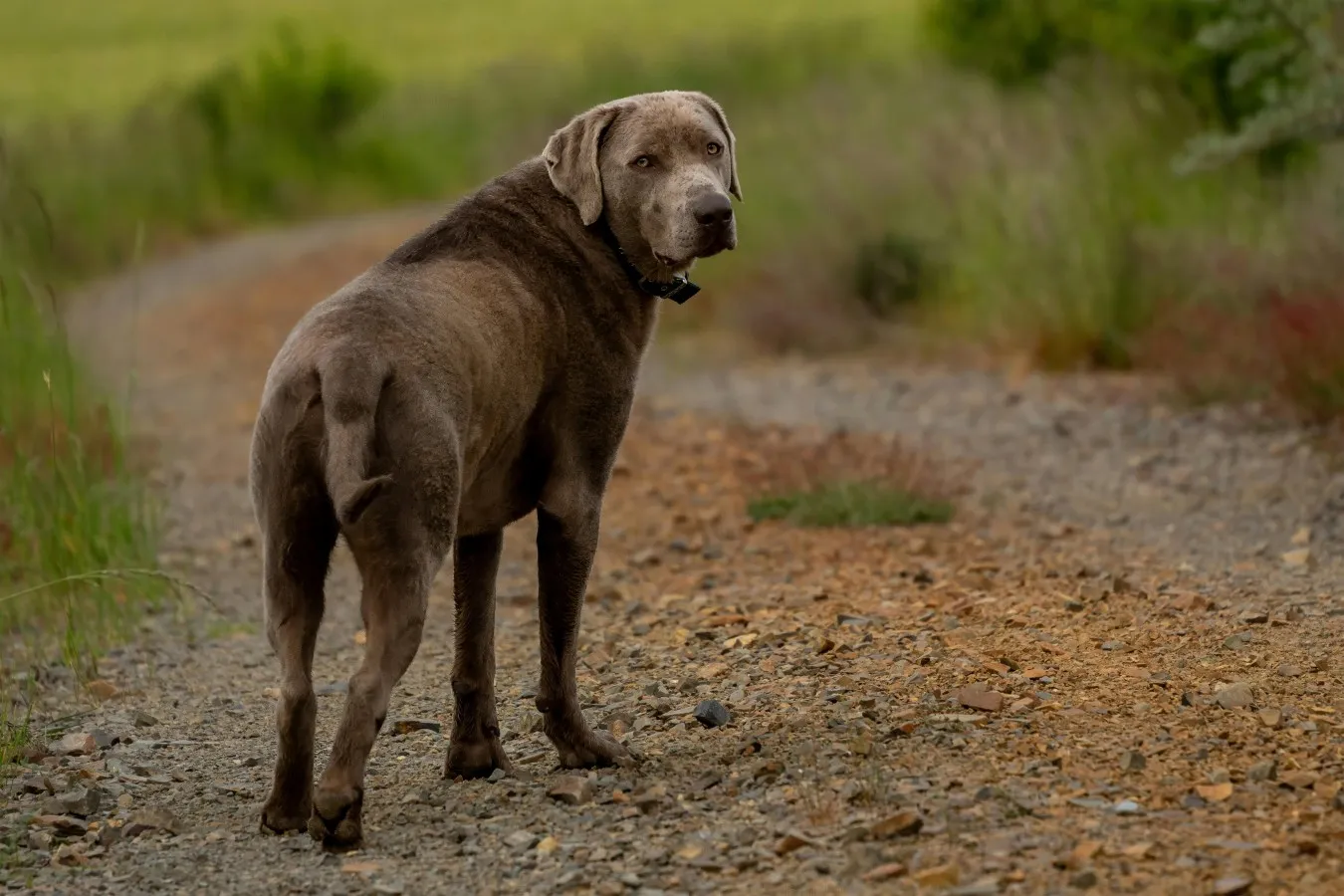
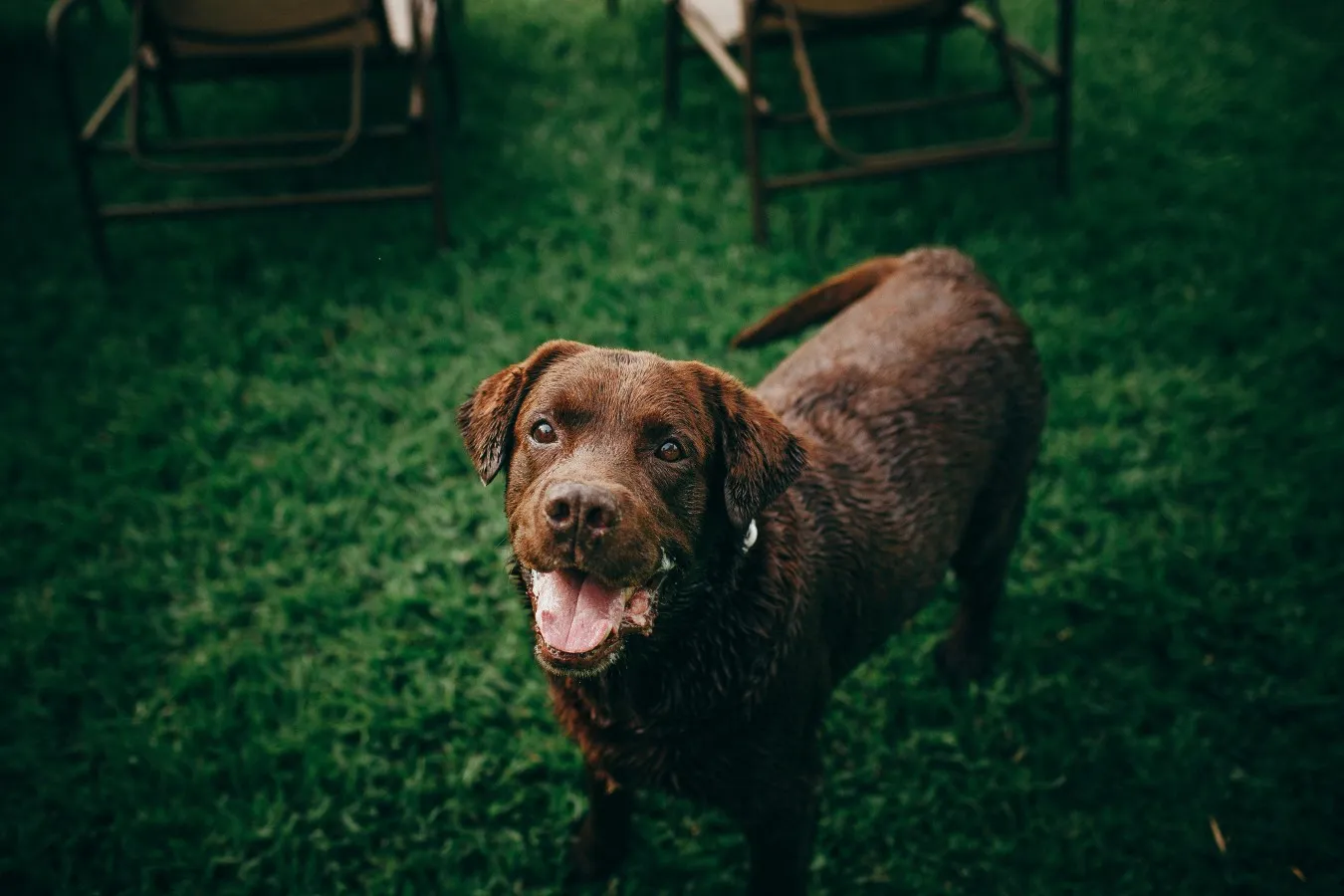
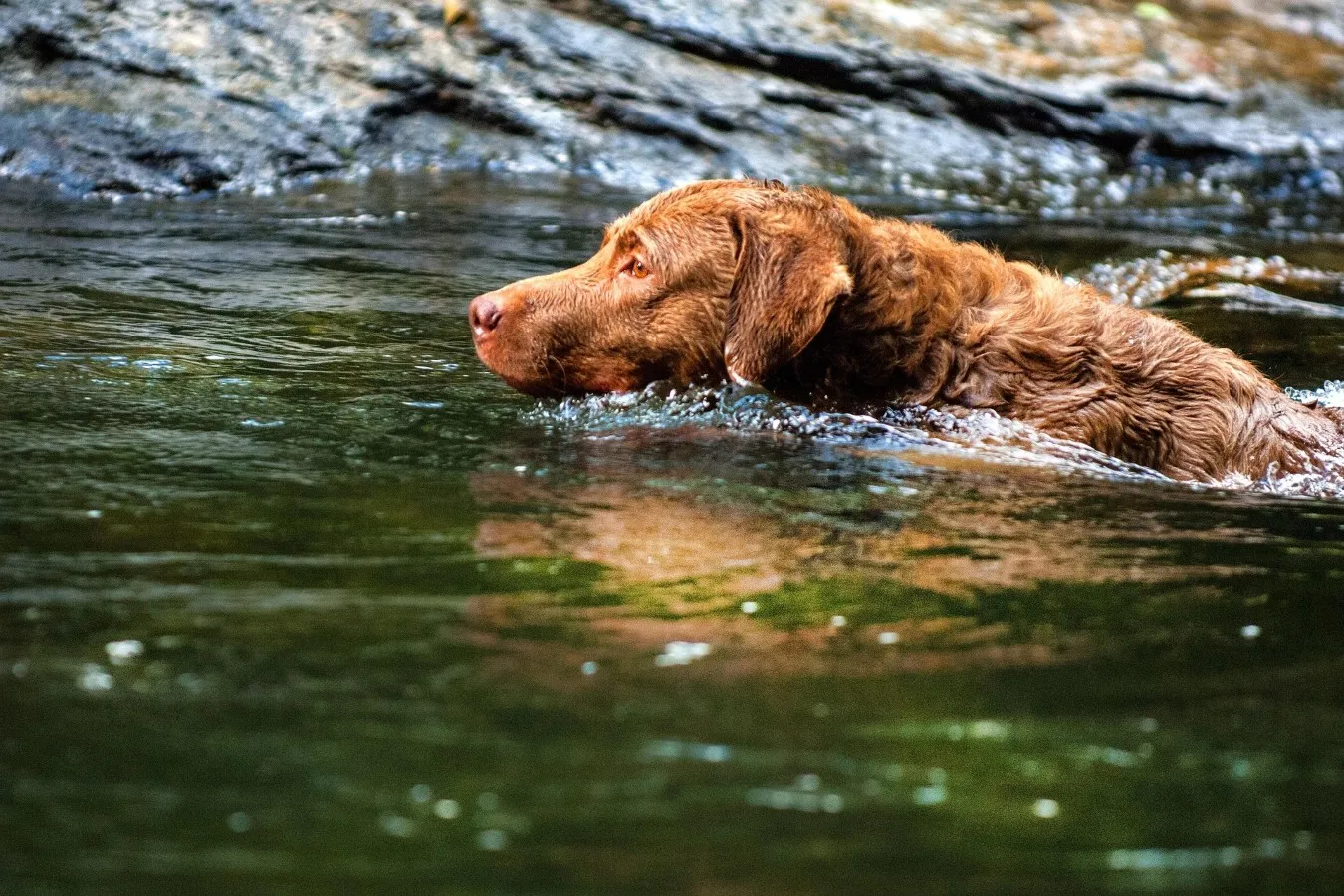
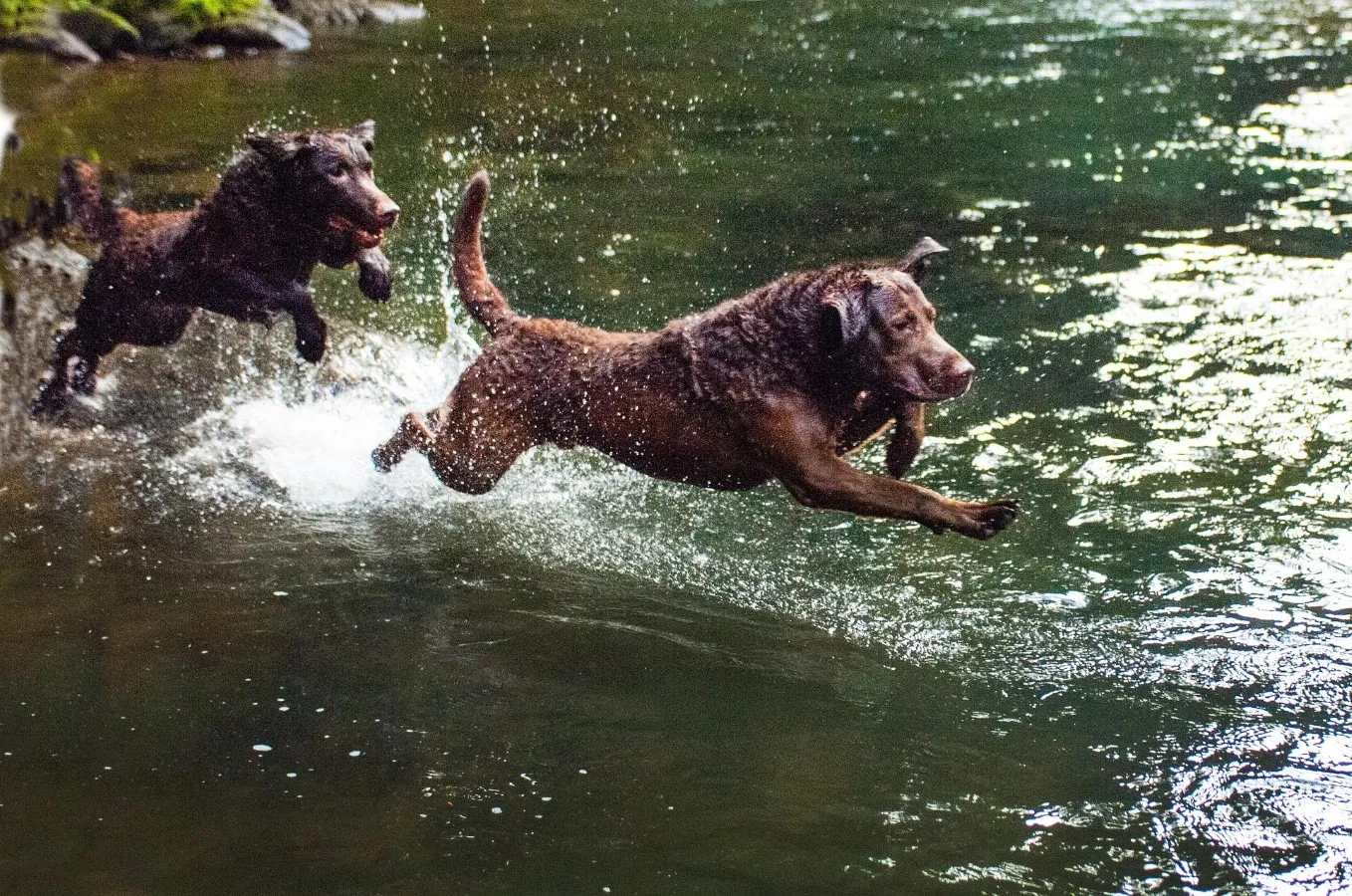
Meet the Chessie: a rugged, waterproof athlete with a heart of gold. Loyal and protective, they’re the perfect partner for all your outdoor adventures!

BREED GROUP

Sporting Dogs

Country of origin

United States

BREED SIZE

Large

BREED HEIGHT

21 -

26 IN

53 -

66 cm

BREED WEIGHT

55 -

80 LB

25 -

36 KG

WHAT YOU NEED TO KNOW

The Chesapeake Bay Retriever, or Chessie, is a powerful and rugged American breed developed for retrieving waterfowl in icy conditions. Known for their waterproof, oily coat and distinctive smile, they are intensely loyal, protective, and emotionally complex companions. These high-energy athletes require 1-2 hours of daily exercise, such as swimming or hiking, and thrive with a purposeful job. While affectionate with family, they can be reserved with strangers and stubborn without consistent, positive training. With a lifespan of 10-13 years, Chessies are best suited for active, experienced owners who can provide structure and socialization.
american kennel club (AKC) recognition

Yes

Breed was recognized in 1878.

International Canine Federation (FCI) recognition

Yes

Breed was recognized in 1964.
WHAT DO OWNERS WANT TO KNOW?

Are Chesapeake Bay Retrievers good family dogs?

Great

9 out of 10

Chesapeake Bay Retrievers are intensely loyal and affectionate companions, making them excellent family dogs for active households that can meet their high exercise needs. However, their protective nature and emotional complexity mean they are best suited for experienced owners who can provide consistent training and structure. Their rugged energy and athleticism make them ideal partners for outdoor family adventures like hiking and swimming.

Great

9 out of 10

Chesapeake Bay Retrievers are generally excellent with children, known for being patient, gentle, and protective playmates. Their intense loyalty makes them devoted family companions, though their rugged strength and protective nature mean supervision is recommended, especially with younger kids who are still learning to respect boundaries. Early socialization and consistent training are key to ensuring they remain well-behaved and confident around children.

Not Recommended

1 out of 10

Chesapeake Bay Retrievers are not recommended for first-time owners due to their powerful build, intense energy, and independent thinking. They require an experienced handler who can provide firm, consistent leadership and extensive daily exercise to manage their protective instincts and potential for stubbornness. Without structured guidance and a clear sense of purpose, their strength and confidence can be challenging for a novice to navigate.

Fair

3 out of 10

Chesapeake Bay Retrievers are generally not recommended for apartment living due to their large size, high energy levels, and need for significant daily exercise. They thrive best in homes with large, fenced yards and access to outdoor activities like swimming. While they can adapt if their vigorous physical and mental needs are met, they are most successful in spacious environments where they can remain active and engaged.

Strictly Required

1 out of 10

A yard is highly recommended for a Chesapeake Bay Retriever, as they are high-energy working dogs that thrive with space and a purposeful job. While they can adapt to indoor living if their extensive daily exercise needs are met through activities like swimming or hiking, a fenced outdoor area is ideal for managing their rugged energy and athletic nature.

Poor

2 out of 10

Chesapeake Bay Retrievers are deeply loyal and bond closely with their families, which can make them prone to separation anxiety if left alone for extended periods. While they are generally more independent than other retrievers and can manage moderate periods of solitude, they thrive best when they have companionship and a purposeful job to prevent boredom and destructive behaviors.

Good

6 out of 10

Chesapeake Bay Retrievers can generally coexist with cats, though their hunting background gives them a strong prey drive that may trigger a desire to chase. Success in a multi-pet household typically depends on early socialization and proper introductions. When raised together or introduced carefully at a young age, they can become polite and well-behaved companions to feline family members.

Protective

3 out of 10

Chesapeake Bay Retrievers are not naturally aggressive but possess strong protective and territorial instincts. While deeply loyal to their family, they can be reserved with strangers and assertive or combative toward unfamiliar dogs. Early socialization and consistent training are essential to manage their dominant nature and ensure their guarding tendencies remain manageable.

Very High

9 out of 10

Chesapeake Bay Retrievers are high-energy, rugged athletes that require significant daily physical and mental stimulation to stay balanced. They thrive when given a purposeful job and enjoy activities like swimming, hiking, and hunting. Without at least one to two hours of vigorous activity, these intelligent dogs can become bored and exhibit destructive behaviors.

~105 min a day

9 out of 10

Chesapeake Bay Retrievers are high-energy athletes that typically require 1 to 2 hours of vigorous daily exercise to remain healthy and balanced. They thrive on activities like swimming, hiking, and long walks that utilize their natural endurance and retrieving instincts. To prevent boredom and destructive behavior, owners should also incorporate mental stimulation through advanced training or purposeful jobs.

Average

5 out of 10

Chesapeake Bay Retrievers generally tolerate hot weather well but can be prone to overheating during intense physical activity due to their dense, oily double coats. Owners should provide constant access to shade and fresh water, and limit vigorous exercise to the cooler parts of the day. Swimming is an ideal way for them to stay active while remaining cool.

Average

5 out of 10

Chesapeake Bay Retrievers generally tolerate hot weather well but can be prone to overheating during intense physical activity due to their dense, oily double coats. Owners should provide constant access to shade and fresh water, and limit vigorous exercise to the cooler parts of the day. Swimming is an ideal way for them to stay active while remaining cool.

Frequently Restricted

3 out of 10

Chesapeake Bay Retrievers are rarely subject to specific breed bans, but they often face restrictions in apartments due to their large size, which frequently exceeds common weight limits of 50 pounds. Their high energy levels and protective nature also make them better suited for spacious environments rather than compact rentals. Prospective owners should always verify individual landlord policies regarding weight limits and liability insurance requirements.

WHAT DO OWNERS WANT TO KNOW?


Photo
Reviewed by
Dr. Vojtech Gabriel
DVM · PhD · MBA
Veterinarian Researcher Dog breed specialist
Verified

"Chesapeake Bay Retrievers are rugged and loyal, but their physical build and genetic heritage predispose them to specific health challenges. As a veterinarian, my primary concern is Gastric Dilatation-Volvulus (bloat) due to their deep chests; owners must recognize emergency signs like non-productive retching and a distended abdomen. They are also prone to hip and elbow dysplasia, making weight management and joint supplements essential to prevent early-onset arthritis. I strongly recommend screening for Progressive Retinal Atrophy (PRA), which causes gradual blindness, and Degenerative Myelopathy (DM), a neurological condition affecting mobility. Given their love for water, frequent ear cleaning and drying are vital to prevent chronic infections. Choosing breeders who provide DNA clearances for EIC and PRA is crucial for ensuring a long, healthy life for your Chessie."


Other Sporting Dogs