Skip to content

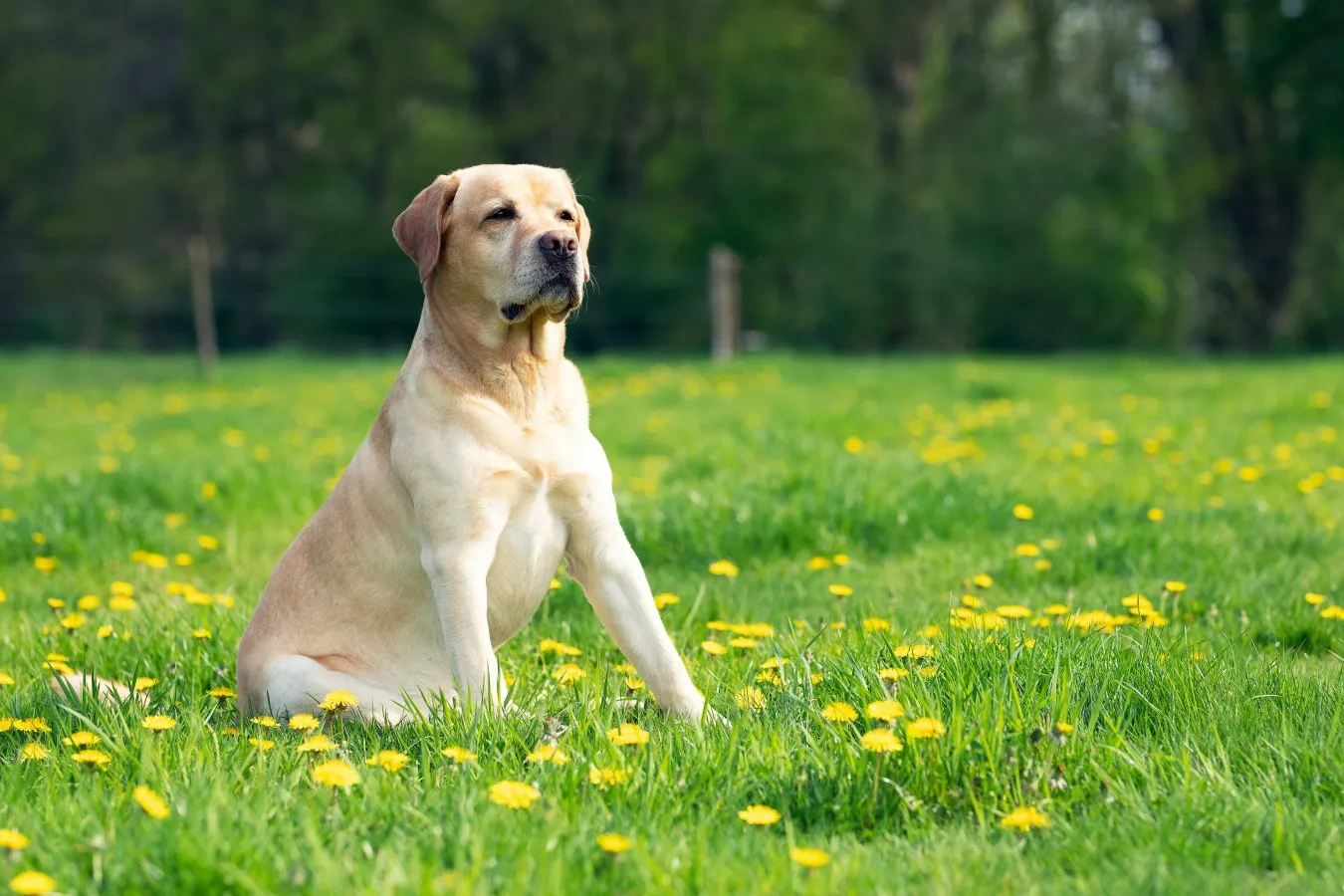
Labrador Retriever

Meet your new best friend! The Labrador is a joyful, loyal, and athletic companion perfect for active families who love outdoor adventures and swims.

BREED GROUP

Sporting Dogs

Country of origin

Canada

BREED SIZE

Large

BREED HEIGHT

22 -

25 IN

56 -

64 cm

BREED WEIGHT

55 -

80 LB

25 -

36 KG

WHAT YOU NEED TO KNOW

The Labrador Retriever is a friendly, intelligent, and athletic breed with an outgoing personality, making it a premier choice for families and first-time owners. Originally bred as fishing and hunting companions in Newfoundland, Canada, Labs are renowned for their gentle temperaments and eagerness to please. Their dense double coat requires regular grooming, and they thrive with consistent positive training and at least two hours of daily exercise. Prospective owners should also review important breed-specific health and costs before bringing one home.
american kennel club (AKC) recognition

Yes

Breed was recognized in 1917.

International Canine Federation (FCI) recognition

Yes

Breed was recognized in 1954.

WHAT DO OWNERS WANT TO KNOW?

Are Labrador Retrievers good family dogs?

Excellent

10 out of 10

Labrador Retrievers are a premier choice for families due to their friendly, gentle temperaments and eagerness to please. Their social nature makes them excellent companions for children and other pets, although they require significant daily exercise to manage their high energy levels.

Excellent

10 out of 10

Labrador Retrievers are famously patient and gentle, making them one of the best breeds for children. Their sturdy, medium-to-large build allows them to handle active play, while their affectionate and outgoing nature ensures they bond deeply with every family member, including the youngest ones.

Exceptional

10 out of 10

Labrador Retrievers are highly recommended for first-time owners due to their eager-to-please nature and high trainability. While the first year requires patience for teething and high energy, their forgiving, social temperament makes them ideal companions for those learning to manage an active, loyal dog.

Fair

3 out of 10

Labrador Retrievers can adapt well to apartment living provided their high energy levels are managed. They require significant daily exercise and mental stimulation to prevent boredom and destructive behavior. While large, their friendly and adaptable nature makes them successful apartment companions for active owners committed to regular outdoor activity.

Strictly Required

1 out of 10

Labrador Retrievers are high-energy dogs that thrive with a large, fenced yard for free play and exercise. While they can adapt to apartment living if provided with several hours of vigorous daily activity like swimming or hiking, a yard is highly recommended to prevent boredom and destructive behavior.

Not Recommended

1 out of 10

Labradors can stay home alone for moderate periods, ideally up to six hours, if well-exercised beforehand. However, they are highly social and crave human companionship. Prolonged isolation often leads to boredom and separation anxiety, potentially resulting in destructive behaviors like chewing or digging.

Exceptional

10 out of 10

Labrador Retrievers are exceptionally friendly and patient, making them one of the best breeds for living with cats. Their gentle nature allows them to tolerate feline antics well. While they may chase unfamiliar cats outdoors due to prey instincts, they typically form harmonious bonds with indoor companions.

Very Gentle

10 out of 10

Labrador Retrievers are famously friendly and gentle, making them one of the least aggressive breeds. While they are naturally kind-hearted, aggression can occasionally stem from fear, pain, or resource guarding. Early socialization and positive reinforcement training are essential to maintaining their renowned sweet-tempered and reliable nature.

High Energy

10 out of 10

Labrador Retrievers are exceptionally high-energy dogs that require significant daily exercise and mental stimulation to thrive. They love activities like swimming, fetch, and long walks. Without an outlet for their exuberance, they may become bored and engage in destructive behaviors like chewing or digging.

~120+ min a day

10 out of 10

Healthy adult Labradors need approximately 1 to 2 hours of daily exercise to stay fit and happy. A mix of brisk walks, swimming, and fetching games is ideal. Incorporating mental stimulation via training or puzzle toys helps manage their high energy and prevents destructive behaviors at home.

Average

5 out of 10

Labrador Retrievers can tolerate warm weather, but their dense double coats make them prone to overheating. Owners should provide constant access to shade and fresh water. Avoid strenuous exercise during peak sun hours, opting for early morning or late evening walks to ensure your Lab stays safe and comfortable.

Average

5 out of 10

Labrador Retrievers can tolerate warm weather, but their dense double coats make them prone to overheating. Owners should provide constant access to shade and fresh water. Avoid strenuous exercise during peak sun hours, opting for early morning or late evening walks to ensure your Lab stays safe and comfortable.

Never Banned

10 out of 10

Labrador Retrievers are rarely banned in apartments but may face restrictions due to their size, often exceeding common 50-pound weight limits. Their friendly reputation makes them generally accepted, provided owners meet their high exercise needs through daily outdoor activities and maintain proper training to prevent boredom.

WHAT DO OWNERS WANT TO KNOW?


Photo
Reviewed by
Dr. Vojtech Gabriel
DVM · PhD · MBA
Veterinarian Researcher Dog breed specialist
Verified

"Labrador Retrievers are exceptional companions, but as a veterinarian, I emphasize proactive health management. They are genetically predisposed to hip and elbow dysplasia, so maintaining a lean weight is critical to minimize joint stress. Their deep chests put them at risk for life-threatening bloat; feeding smaller, frequent meals can help. Labs are also prone to ear infections due to their floppy ears and love for swimming. Regular ear cleanings and dental care are essential. Be vigilant about new lumps, as the breed is susceptible to various cancers. Consistent exercise and routine screenings ensure a long, healthy life."


Other Sporting Dogs