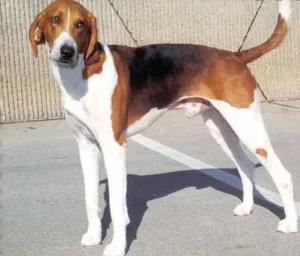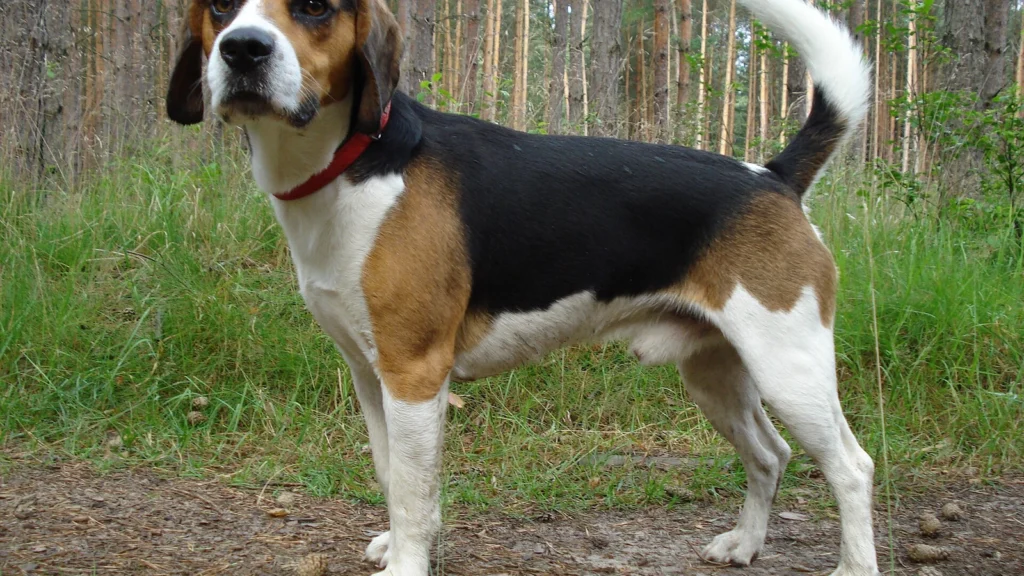
Beagle-Harrier
Breed Group
Hound Dogs
Country of Origin
France
Breed Size
Large
AKC Recognition
No
FCI Recognition
No
Family dog
Excellent9 / 10
Good with kids
Excellent9 / 10
First-time owner
Experienced Owners6 / 10
Apartment dog
Below Average4 / 10
Yard need
Highly Recommended8 / 10
Can be left alone
Not Recommended1 / 10
What Do Owners Want to Know?
Are Beagle-Harrier good family dogs?
Beagle-Harriers make excellent family dogs due to their loyal, affectionate nature and exceptional temperament. They are especially well-suited for active households that can meet their high endurance and daily exercise needs. Indoors, they are generally calm and easy to train, making them pleasant companions when their physical requirements are met.
Family dog: 9 / 10
Are Beagle-Harrier good with kids?
Beagle-Harriers are generally excellent with children, known for their gentle, tolerant, and calm temperament. Their playful nature makes them wonderful companions for active youngsters, and they integrate well into the family dynamic. As with any breed, supervised play is recommended to ensure safe and positive interactions between the dog and children.
Good with kids: 9 / 10
Are Beagle-Harrier good for first-time owners?
Beagle-Harriers are generally suitable for first-time owners who lead active lifestyles and can meet their substantial daily exercise needs. While their loyal and affectionate temperament makes them excellent companions, their independent scenthound instincts require patient, consistent training and a commitment to providing ample mental and physical stimulation to prevent boredom.
First-time owner: 6 / 10
Are Beagle-Harrier good apartment dogs?
Beagle-Harriers are generally below average for apartment living due to their high energy levels and need for vigorous exercise. While they are calm indoors when their physical needs are met, their scenthound heritage and high endurance make them better suited for homes with yards and plenty of space to explore. Owners must commit to significant daily activity to prevent boredom and potential noise issues in close-quarters living.
Apartment dog: 4 / 10
Do Beagle-Harrier need a yard?
A yard is highly recommended for a Beagle-Harrier, as they are active scenthounds that require significant physical activity and space to explore. While they can adapt to smaller homes with dedicated owners, a securely fenced outdoor area is ideal to accommodate their high endurance and natural tracking instincts safely.
Yard need: 8 / 10
Can Beagle-Harrier be left alone?
Beagle-Harriers are social pack dogs that typically do not tolerate being left alone for long periods and may develop separation anxiety or destructive behaviors. While they can manage short intervals of solitude, they thrive in active households where they receive consistent companionship and mental stimulation to prevent boredom and anxiety.
Can be left alone: 1 / 10
Are Beagle-Harrier good with cats?
Beagle-Harriers generally coexist well with cats, particularly when introduced at a young age. Their loyal and affectionate nature helps them form harmonious bonds, though their scent-driven curiosity and hunting background may trigger occasional prey instincts. Success depends on early socialization and gradual, supervised introductions to ensure a peaceful multi-pet household.
Good with cats: 5 / 10
Are Beagle-Harrier aggressive?
Beagle-Harriers are not naturally aggressive; they are exceptionally well-tempered, friendly, and affectionate companions. While their protective instincts make them alert watchdogs, they are typically gentle and sociable with children and other pets. Early socialization and consistent training ensure they remain calm, approachable, and well-behaved family members.
Aggression tendency: 4 / 10
Are Beagle-Harrier high-energy dogs?
Beagle-Harriers are known for their calm and even-tempered nature, often appearing quite relaxed and low-energy while at home. However, they possess impressive endurance and require at least 60 to 75 minutes of vigorous daily exercise to stay healthy and prevent boredom. This combination of a peaceful indoor presence and an athletic outdoor spirit makes them ideal companions for active households.
Energy level: 7 / 10
How much exercise does a Beagle-Harrier need?
Beagle-Harriers are high-endurance scenthounds that require at least 60 to 75 minutes of vigorous daily exercise to remain healthy and calm. They thrive on activities that engage their keen sense of smell, such as tracking games, alongside long walks or jogs. Providing consistent physical outlets and mental stimulation is essential to prevent boredom and ensure they remain well-behaved companions in the home.
Exercise need: 7 / 10
Can Beagle-Harrier live in hot weather?
Beagle-Harriers generally tolerate warm weather well due to their short coats and athletic build. However, owners should avoid strenuous exercise during peak heat, provide constant access to fresh water and shade, and monitor for signs of overheating to ensure their safety and comfort.
Hot weather tolerance: 7 / 10
Can Beagle-Harrier live in cold weather?
Beagle-Harriers have a moderate tolerance for cold weather thanks to their dense, weather-resistant double coats inherited from their Beagle and Harrier ancestors. While they handle chilly temperatures well during active outdoor sessions, they should not be left outside for long periods in freezing conditions. Owners should provide a warm indoor space and consider a dog coat for extended winter walks to ensure their comfort.
Cold weather tolerance: 5 / 10
Are Beagle-Harrier banned in apartments or rentals?
Beagle-Harriers are rarely subject to breed-specific apartment bans, as they are often regarded as friendly and manageable companions. Their medium size typically falls within standard rental weight limits, and they are generally well-behaved indoors. However, because they are a less common breed, it is always advisable to provide landlords with specific information about their temperament and to confirm individual pet policies and insurance requirements.
Rental restriction risk: 2 / 10
Vet Insights
Beagle-Harriers are generally robust dogs, but as a veterinarian, I recommend prioritizing screenings for hip dysplasia and regular eye evaluations. Their floppy ears are prone to moisture buildup, making weekly cleanings essential to prevent infections. Because they are food-motivated and have a sturdy build, strict portion control is necessary to avoid obesity, which can exacerbate joint issues. Additionally, their high-stamina nature requires consistent daily exercise to prevent boredom-induced destructive behaviors, and owners should monitor for signs of hypothyroidism or skin allergies as they age.