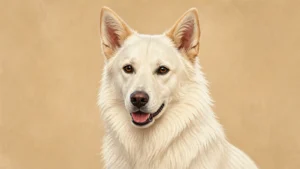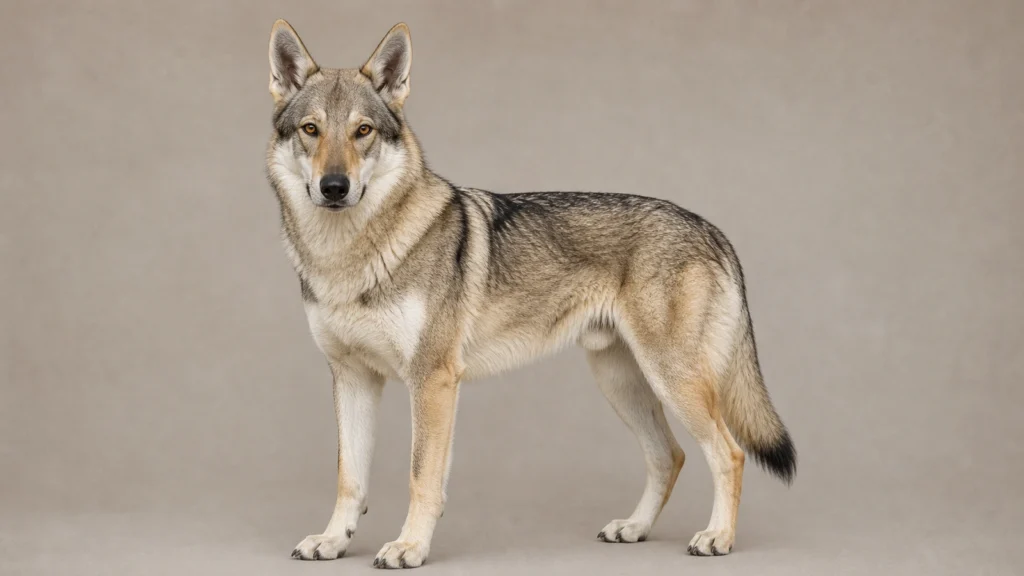
Czechoslovakian Vlcak
Breed Group
Rare Dogs
Country of Origin
Czechoslovakia
Breed Size
Large
AKC Recognition
Yes, recognized in 2024
FCI Recognition
Yes, recognized in 1999
Family dog
Not Recommended1 / 10
Good with kids
Not Recommended1 / 10
First-time owner
Poor2 / 10
Apartment dog
Average5 / 10
Yard need
High8 / 10
Can be left alone
Average5 / 10
What Do Owners Want to Know?
Are Czechoslovakian Vlcak good family dogs?
The Czechoslovakian Vlcak is intensely loyal and devoted to its family, but its primitive nature and high energy make it a challenging addition to a typical household. Because they are independent and require experienced handlers and significant mental stimulation, they are best suited for active families who can commit to extensive socialization and purposeful training.
Family dog: 1 / 10
Are Czechoslovakian Vlcak good with kids?
Czechoslovakian Vlcaks are loyal and devoted to their families, but their primitive nature and high energy make them better suited for households with older children who understand how to interact with a large, physical dog. While they can be patient and playful with children in their own "pack," they are naturally suspicious of strangers and possess a strong prey drive, necessitating constant supervision. Early and extensive socialization is essential to ensure they remain calm and well-mannered companions.
Good with kids: 1 / 10
Are Czechoslovakian Vlcak good for first-time owners?
Czechoslovakian Vlcaks are generally not recommended for first-time owners due to their primitive nature, high intelligence, and independent personalities. They require experienced handlers who can provide strong leadership, consistent socialization, and significant mental stimulation. Without a knowledgeable owner to manage their high energy and potential dominance, they can become challenging to train and handle.
First-time owner: 2 / 10
Are Czechoslovakian Vlcak good apartment dogs?
Czechoslovakian Vlcaks are moderately adaptable to apartment living provided their high physical and mental exercise needs are met. While they can be calm indoors and manage in smaller spaces, their large size and vocal nature require dedicated daily training and long walks. Owners must also be mindful of potential breed-specific restrictions in lease agreements due to their wolf-like appearance and heritage.
Apartment dog: 5 / 10
Do Czechoslovakian Vlcak need a yard?
While Czechoslovakian Vlcaks can adapt to various living arrangements, they thrive in homes with a securely fenced, medium-to-large yard where they can safely roam and burn off their high energy. A yard is highly recommended to accommodate their athletic nature and incredible stamina, as they are unlikely to exercise themselves if left unattended and require active engagement with their owners.
Yard need: 8 / 10
Can Czechoslovakian Vlcak be left alone?
Czechoslovakian Vlcaks form intense social bonds with their families and can develop severe separation anxiety if left alone for long periods. While they can be trained to tolerate moderate absences, they are highly social animals that thrive on constant human interaction and mental engagement. Without adequate company and stimulation, they may become destructive or attempt to escape their enclosures.
Can be left alone: 5 / 10
Are Czechoslovakian Vlcak good with cats?
Czechoslovakian Vlcaks generally have a poor relationship with cats due to their primitive nature and exceptionally high prey drive. Their natural hunting instincts often trigger a desire to chase or pursue smaller animals, making them untrustworthy around feline companions. While early and intensive socialization may help them tolerate a household cat they view as part of their pack, constant supervision is strictly required to prevent dangerous interactions.
Good with cats: 2 / 10
Are Czechoslovakian Vlcak aggressive?
Czechoslovakian Vlcaks are not inherently aggressive but possess strong protective instincts and a primitive nature. While they are intensely loyal to their family, they are naturally suspicious of strangers and can be aggressive toward dogs of the same sex at maturity. Early, consistent socialization and firm leadership are essential to manage their territorial guarding and high prey drive, ensuring they remain controlled and well-behaved companions.
Aggression tendency: 5 / 10
Are Czechoslovakian Vlcak high-energy dogs?
Czechoslovakian Vlcaks are exceptionally high-energy working dogs with boundless stamina, capable of running up to 100 km. They require significant daily physical activity and mental stimulation, such as hiking, tracking, or purposeful jobs, to prevent boredom and destructive behaviors. Because of their intense drive and independent nature, they thrive when engaged in challenging tasks alongside their human partners.
Energy level: 9 / 10
How much exercise does a Czechoslovakian Vlcak need?
Czechoslovakian Vlcaks are exceptionally high-energy working dogs that require a minimum of 60 to 120 minutes of vigorous daily exercise to maintain their physical and mental health. Built for incredible stamina, they excel in demanding activities such as hiking, tracking, swimming, and long-distance running. Without substantial daily activity and purposeful mental challenges, these independent dogs can become bored and develop destructive behaviors or separation anxiety.
Exercise need: 7 / 10
Can Czechoslovakian Vlcak live in hot weather?
Czechoslovakian Vlcaks have a moderate tolerance for hot weather, but their thick double coats can make them prone to overheating in high temperatures. Owners should provide constant access to shade, fresh water, and air conditioning during the summer months. It is essential to limit vigorous exercise to the cooler morning or evening hours and monitor for signs of heatstroke when the temperature rises.
Hot weather tolerance: 6 / 10
Can Czechoslovakian Vlcak live in cold weather?
Czechoslovakian Vlcaks are exceptionally well-suited for cold weather thanks to their dense, wolf-like double coat that becomes significantly thicker in winter. Originally developed for military work in harsh environments, they possess a thick undercoat that provides excellent insulation against freezing temperatures and snow. While they thrive in the cold and are more resistant to adverse conditions than many other breeds, owners should still ensure they have access to dry, insulated shelter during extreme winter weather.
Cold weather tolerance: 9 / 10
Are Czechoslovakian Vlcak banned in apartments or rentals?
Czechoslovakian Vlcaks may face rental restrictions or bans in some areas due to their striking wolf-like appearance and historical lineage, which can lead to them being misclassified as wolf hybrids. While they are a recognized purebred dog, prospective owners should carefully check local laws and individual landlord policies regarding "wolf-dogs" or high-risk breeds before moving into an apartment.
Rental restriction risk: 5 / 10
Vet Insights
Czechoslovakian Vlcaks are robust and healthy dogs, but as a veterinarian, I recommend screening for hip and elbow dysplasia, which are common in large, active breeds. They are also prone to degenerative myelopathy and certain eye conditions. Due to their primitive nature, consistent mental stimulation and early socialization are vital to prevent anxiety-related behaviors and ensure their overall well-being.