Skip to content

Scottish Terrier - MAIN HUB

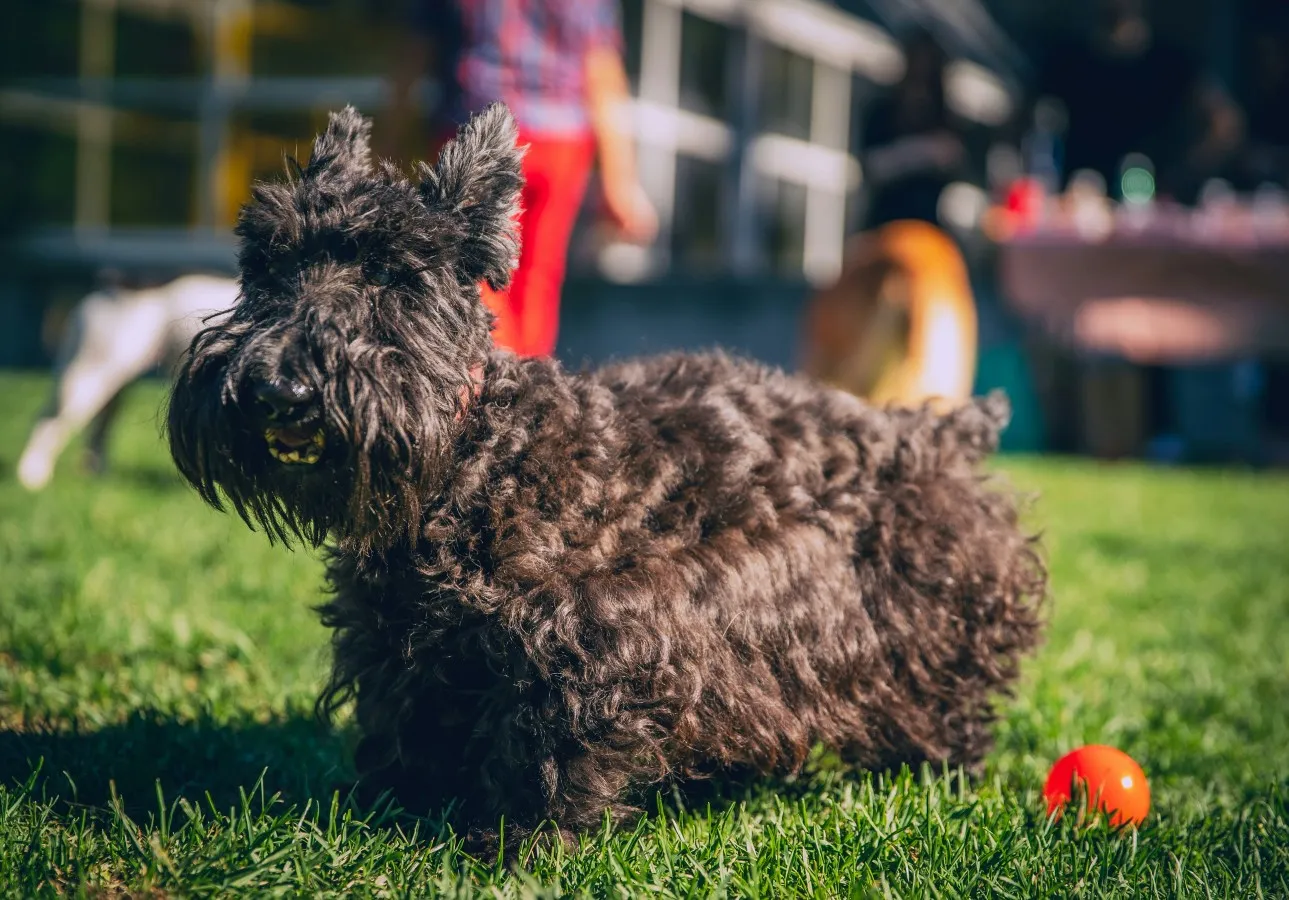
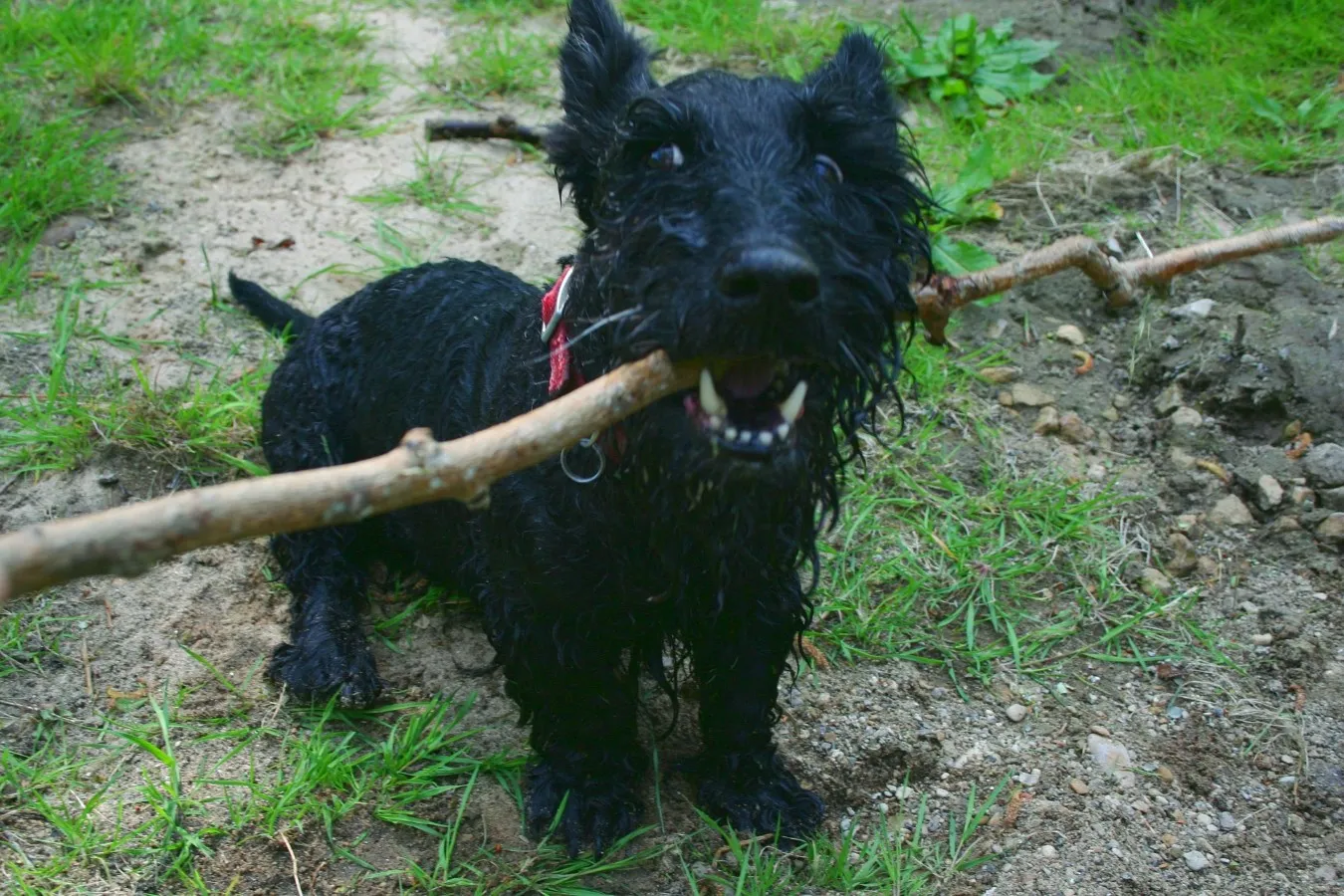
Meet the Scottie: a spirited, independent “diehard” with a dignified soul. This loyal companion brings a big personality to a compact, iconic frame.

BREED GROUP

Terrier Dogs

Country of origin

United Kingdom

BREED SIZE

Small

BREED HEIGHT

10 -

11 IN

25 -

28 cm

BREED WEIGHT

18 -

22 LB

8 -

10 KG

WHAT YOU NEED TO KNOW

The Scottish Terrier, or Scottie, is a spirited, independent breed known for its dignified, "diehard" personality and distinctive wiry coat. Originally bred in Scotland for hunting vermin, these compact dogs are loyal to family but often aloof with strangers. They require firm, consistent training and regular grooming, including brushing and professional stripping. While adaptable to apartment life, they need daily walks and mental stimulation to prevent boredom-led digging or barking. Due to a high prey drive and feisty nature, they are best suited for experienced owners and households without small children or other pets.
american kennel club (AKC) recognition

Yes

Breed was recognized in 1885.

International Canine Federation (FCI) recognition

Yes

Breed was recognized in 1954.
WHAT DO OWNERS WANT TO KNOW?

Are Scottish Terriers good family dogs?

Below Average

3 out of 10

Scottish Terriers are loyal to their families but are best suited for households without small children due to their feisty nature and high prey drive. While they are devoted companions, their independent personality and need for firm training make them a better fit for experienced owners who can provide a structured environment.

Not Recommended

1 out of 10

Scottish Terriers are generally better suited for families with older children who can treat them with respect and understand their need for space. While they are loyal and protective of their family, they can be feisty and independent, often lacking the patience for the roughhousing or unpredictable handling of toddlers. Early socialization and supervision are essential, as their strong-willed nature and high prey drive may lead to defensive reactions if they feel startled or overwhelmed.

Not Recommended

1 out of 10

Scottish Terriers are generally not recommended for first-time owners due to their independent, stubborn, and highly strong-willed nature. They require firm, consistent training and a structured environment that experienced owners are better equipped to provide. While loyal, their bold personality and tendency to follow their own agenda can be challenging for those without previous experience managing assertive breeds.

Exceptional

10 out of 10

Scottish Terriers are well-suited for apartment living due to their compact size and independent nature. While they have high energy and a feisty spirit, they are adaptable to smaller homes as long as they receive adequate daily exercise and mental stimulation. Owners should be mindful of their potential for nuisance barking if bored and provide regular walks and indoor playtime to keep them content.

Low

7 out of 10

Scottish Terriers do not strictly require a yard and can adapt well to apartment living due to their compact size. However, a securely fenced yard is highly recommended to accommodate their natural instincts to dig and chase. If a yard is not available, they need daily walks and indoor playtime to manage their energy and prevent boredom-based behaviors like nuisance barking.

Fair

4 out of 10

Scottish Terriers are independent dogs that can handle being home alone better than many other breeds, but they should not be left for more than four hours at a time. While self-reliant, they are prone to separation anxiety and may resort to digging, chewing, or nuisance barking if they become bored or frustrated during long periods of solitude.

Poor

2 out of 10

Scottish Terriers can coexist with cats, especially when raised with them from puppyhood, but their high prey drive remains a significant challenge. As terriers bred to hunt small vermin, they naturally tend to chase and may see cats as prey. Successful integration requires a patient, gradual introduction process, firm impulse control training, and constant supervision. While some Scotties become best friends with family cats, others may only ever tolerate them, so providing the cat with safe, high escape routes and never leaving the pets alone together unsupervised is essential.

Reactive

2 out of 10

Scottish Terriers are not naturally aggressive toward people, but they possess a spirited, independent, and territorial nature. While deeply loyal to their family, they can be aloof with strangers and may be scrappy or confrontational with other dogs due to their bold terrier personality and high prey drive. Early socialization and consistent, positive reinforcement training are essential to manage their feisty temperament and ensure they remain well-behaved companions.

Average

8 out of 10

Scottish Terriers are high-energy dogs that require daily physical and mental activity to prevent boredom-induced behaviors like digging and nuisance barking. They thrive on brisk walks, interactive play, and mental challenges like puzzle toys. While they possess great agility and stamina for short bursts of speed, they are not ideal for long-distance running or strenuous hikes.

~45 min a day

5 out of 10

Scottish Terriers require moderate daily exercise, typically around 30 to 60 minutes, including brisk walks and interactive play sessions. Due to their high prey drive and instinct to chase, they should always be exercised on a leash or within a securely fenced yard. Incorporating mental stimulation through puzzle toys or scent games is also essential to keep their sharp minds engaged and prevent boredom-led behaviors like digging or barking.

Fair

4 out of 10

Scottish Terriers have a moderate tolerance for hot weather but can be prone to overheating due to their thick, wiry double coats. Owners should provide constant access to shade and fresh water, and limit strenuous exercise to the cooler morning or evening hours. It is important to monitor for signs of heatstroke, especially in high humidity, and avoid walking on hot pavement to protect their paws.

Fair

4 out of 10

Scottish Terriers have a moderate tolerance for hot weather but can be prone to overheating due to their thick, wiry double coats. Owners should provide constant access to shade and fresh water, and limit strenuous exercise to the cooler morning or evening hours. It is important to monitor for signs of heatstroke, especially in high humidity, and avoid walking on hot pavement to protect their paws.

Low Risk

7 out of 10

Scottish Terriers are rarely subject to breed-specific bans, as they are not typically classified as aggressive or high-risk by insurance companies. Their compact size also makes them well-suited for apartments with weight limits. However, because of their spirited nature and tendency to bark or dig when bored, it is important to check individual landlord policies regarding noise or potential property damage.

WHAT DO OWNERS WANT TO KNOW?


Photo
Reviewed by
Dr. Vojtech Gabriel
DVM · PhD · MBA
Veterinarian Researcher Dog breed specialist
Verified

"Scottish Terriers are iconic and spirited, but they are predisposed to specific hereditary conditions that require proactive management. As a veterinarian, I emphasize monitoring for Transitional Cell Carcinoma (TCC), as the breed has a significantly higher risk of bladder cancer; reducing exposure to lawn herbicides and pesticides is a critical preventive measure. Owners should also be aware of Scottie Cramp, a neurological condition triggered by stress that affects walking, and Craniomandibular Osteopathy (Lion Jaw), which causes abnormal bone growth in the jaw of puppies. Regular screenings, a healthy diet rich in vegetables, and stress management are vital for maintaining the health of these loyal companions."

Other Terrier Dogs