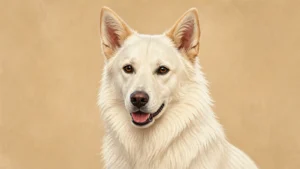
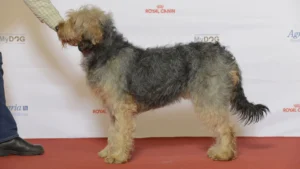
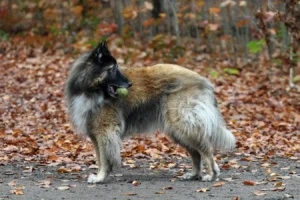
Czechoslovakian Vlcak Training Profile
Breed Group
Rare Dogs
Country of Origin
Czechoslovakia
Breed Size
Large
AKC Recognition
Yes, recognized in 2024
FCI Recognition
Yes, recognized in 1999
Mental stimulation needs
Very High9 / 10
Trainability
6 / 10
Picky eater
Very Picky2 / 10
Easy to train
Moderate6 / 10
Training stubbornness
Moderate6 / 10
Puppy training
Moderate6 / 10
Training FAQ
Are Czechoslovakian Vlcak easy to train?
Czechoslovakian Vlcaks are moderately easy to train due to their high intelligence, though they possess a strong independent streak that requires consistent leadership. While they are fast learners, they can become bored with repetitive tasks and often need a clear purpose to stay motivated. Success relies on variety-filled training sessions and positive reinforcement to channel their natural instincts effectively.
Easy to train: 6 / 10
Are Czechoslovakian Vlcak stubborn to train?
Czechoslovakian Vlcaks are highly intelligent but possess a strong independent streak, making them moderately stubborn. They often require a clear purpose for commands and can get bored with repetitive drills. Success requires patient, consistent leadership and variety-filled training sessions to keep this primitive breed engaged and motivated.
Training stubbornness: 6 / 10
How do you train a Czechoslovakian Vlcak puppy?
Train your Czechoslovakian Vlcak puppy with short, variety-filled sessions and exclusive positive reinforcement to manage their independent streak and prevent boredom. Prioritize extensive early socialization and desensitization to build trust and confidence. Use high-value food rewards to establish a clear purpose for commands, and maintain firm, consistent, and calm leadership while avoiding all forms of punishment.
Puppy training: 6 / 10
How difficult is potty training in Czechoslovakian Vlcak?
Potty training a Czechoslovakian Vlcak typically takes 4 to 6 months for full reliability. While highly intelligent, their independent nature and primitive instincts require consistent routines and patient, positive reinforcement. Success depends on a strict schedule for outdoor breaks and the use of crate training to help this primitive breed master housebreaking rules effectively.
Potty training difficulty: 7 / 10
How many walks does a Czechoslovakian Vlcak need?
Czechoslovakian Vlcaks are high-energy dogs that require a minimum of 60 to 90 minutes of vigorous daily activity. Built for extreme endurance, they thrive on long-distance hiking, running, or cycling. Without sufficient physical exertion and a clear purpose, this primitive breed may become bored and exhibit destructive behaviors, making a structured exercise routine essential for their well-being.
Walking need: 8 / 10
What is the best daily routine for a Czechoslovakian Vlcak?
A Czechoslovakian Vlcak's daily routine should focus on intense physical activity and structured mental challenges to satisfy their primitive working instincts. Provide one to two hours of vigorous exercise daily, such as hiking, running, or scent work, ideally split into several sessions to prevent boredom and destructive behavior. Feed adults twice daily and prioritize early, consistent socialization to manage their independent nature and guarding tendencies. Essential daily care includes short, varied training sessions to keep their intelligent minds engaged without repetitive drills.
Routine need: 8 / 10
Vet Insights
Czechoslovakian Vlcaks are highly intelligent yet independent, requiring consistent leadership and variety to prevent boredom. These primitive dogs possess high energy and strong prey drives, making early socialization and purposeful training essential. Success relies on variety-filled sessions and vigorous daily exercise, such as hiking or running, to satisfy their endurance and prevent destructive behaviors in this loyal breed.