Skip to content

Miniature Pinscher - MAIN HUB

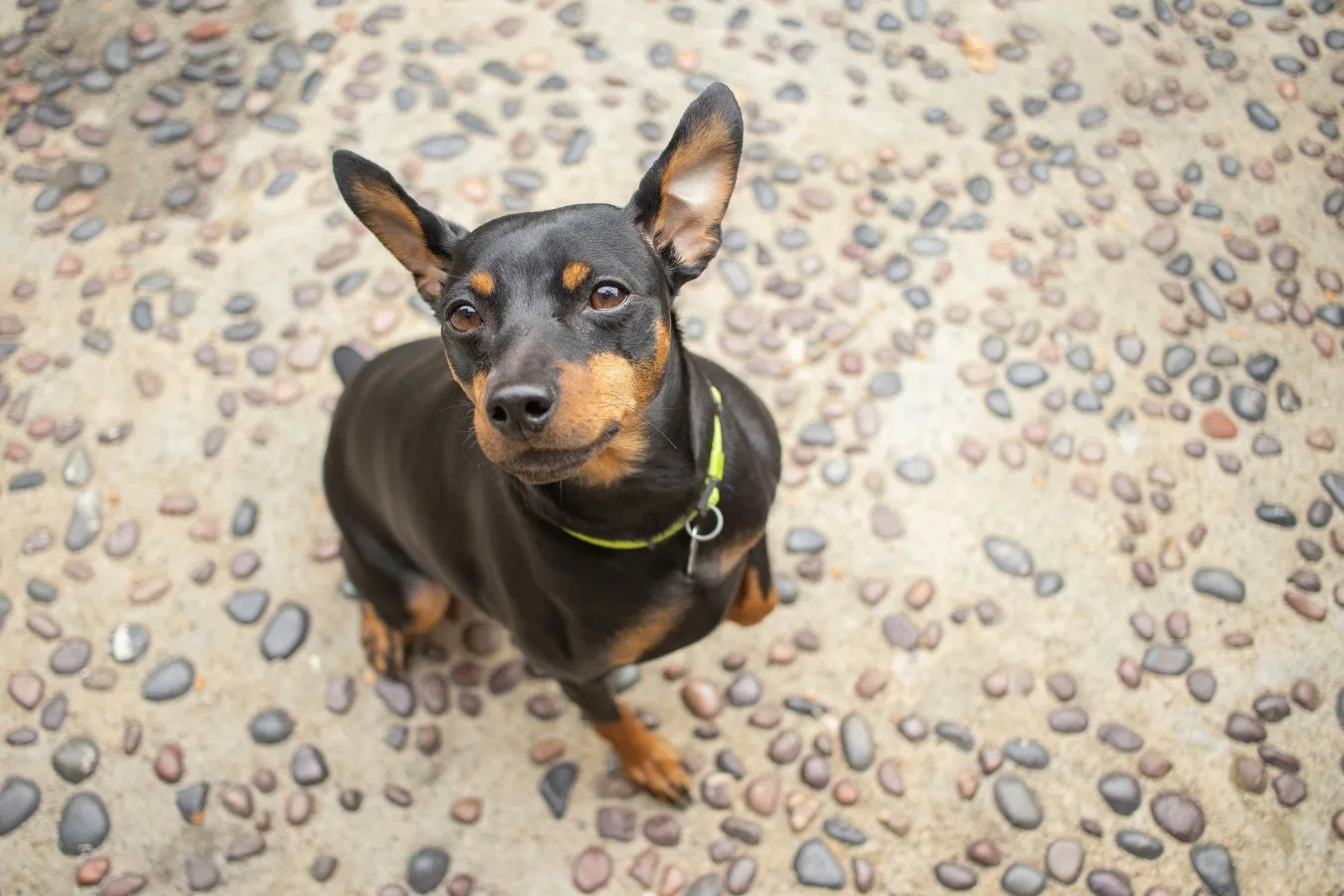
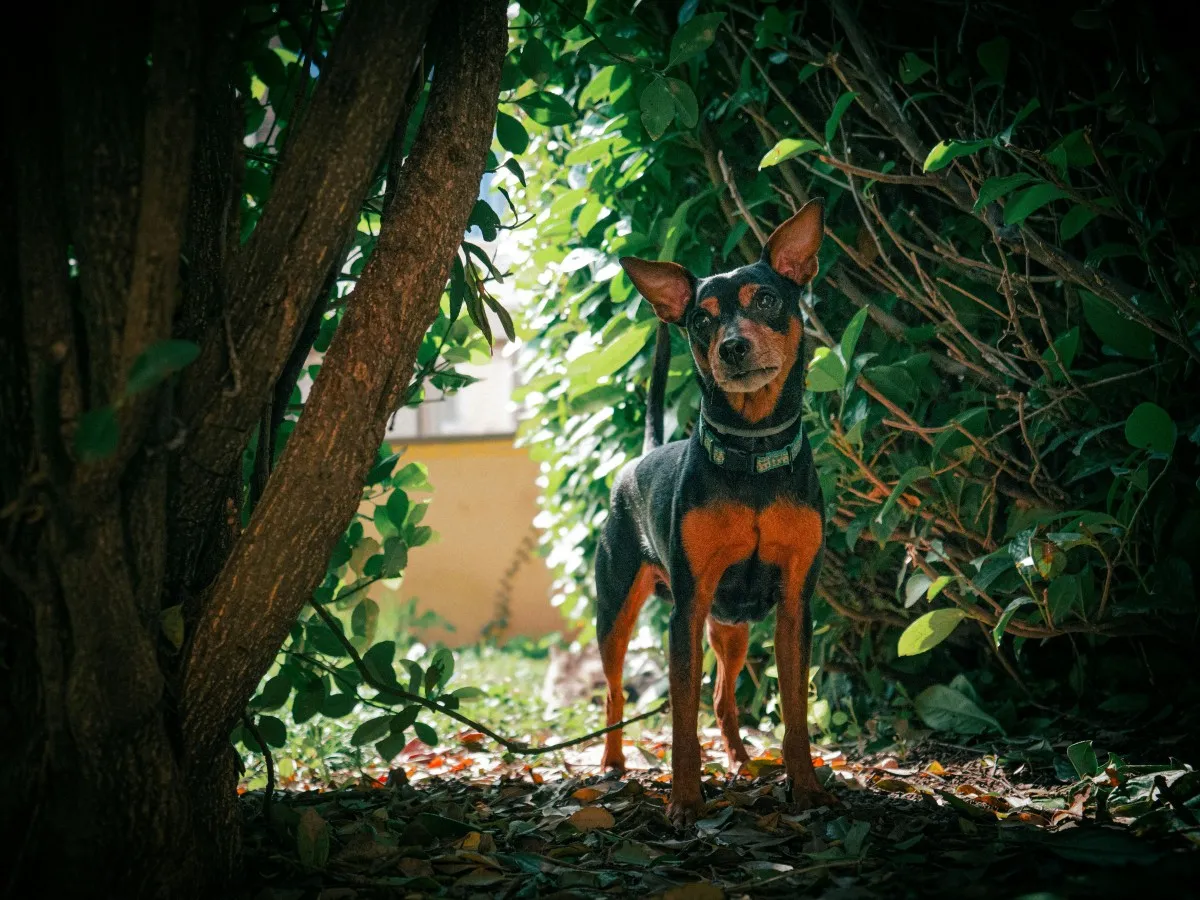
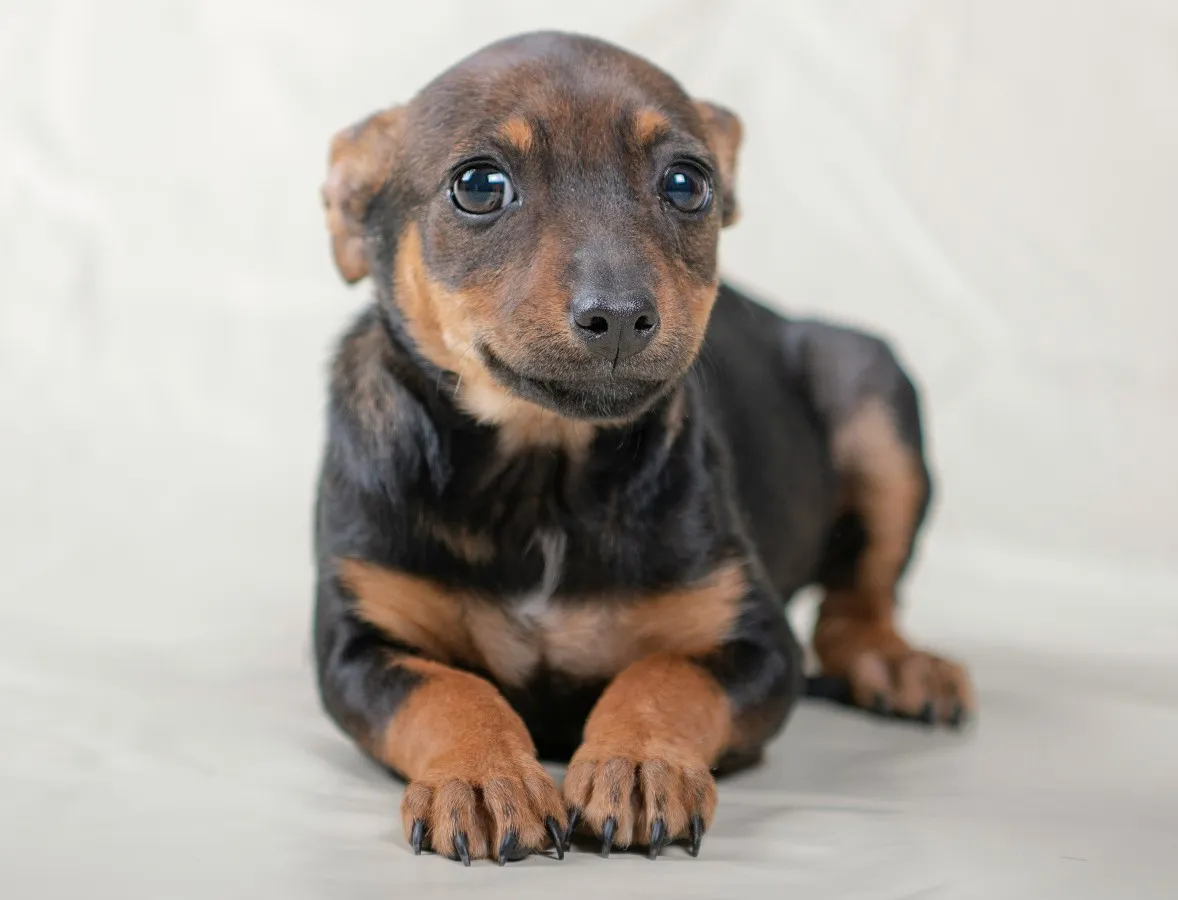
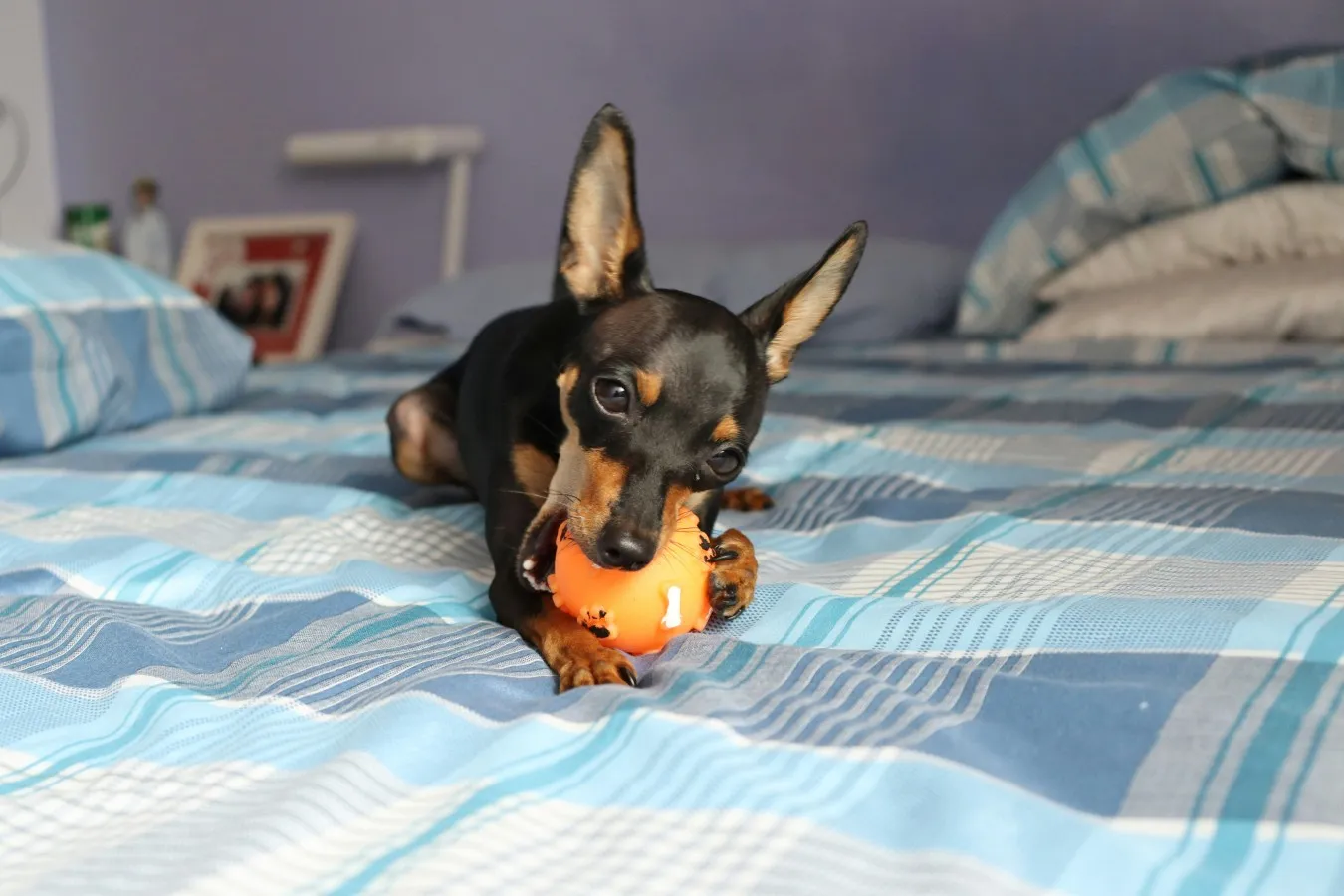
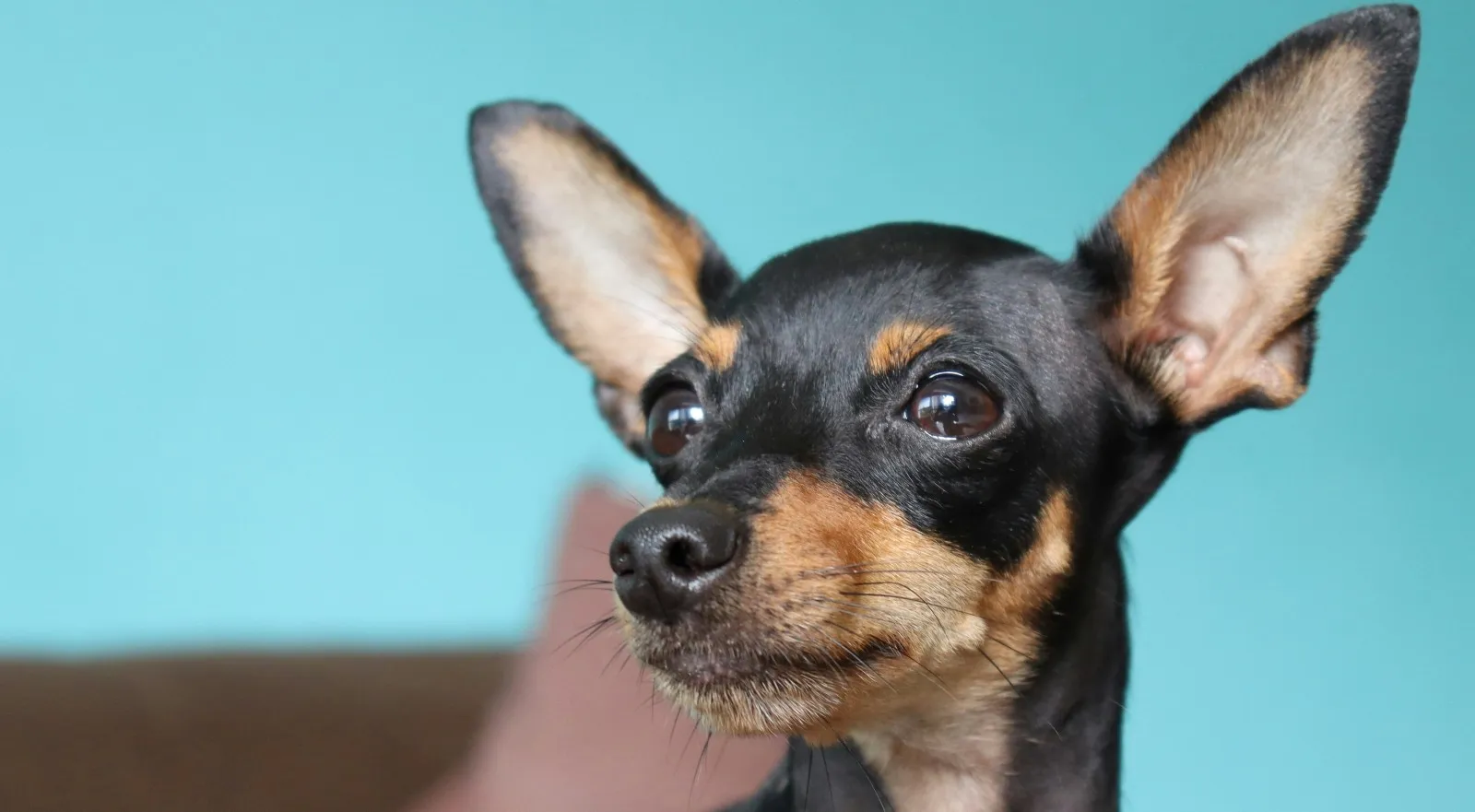
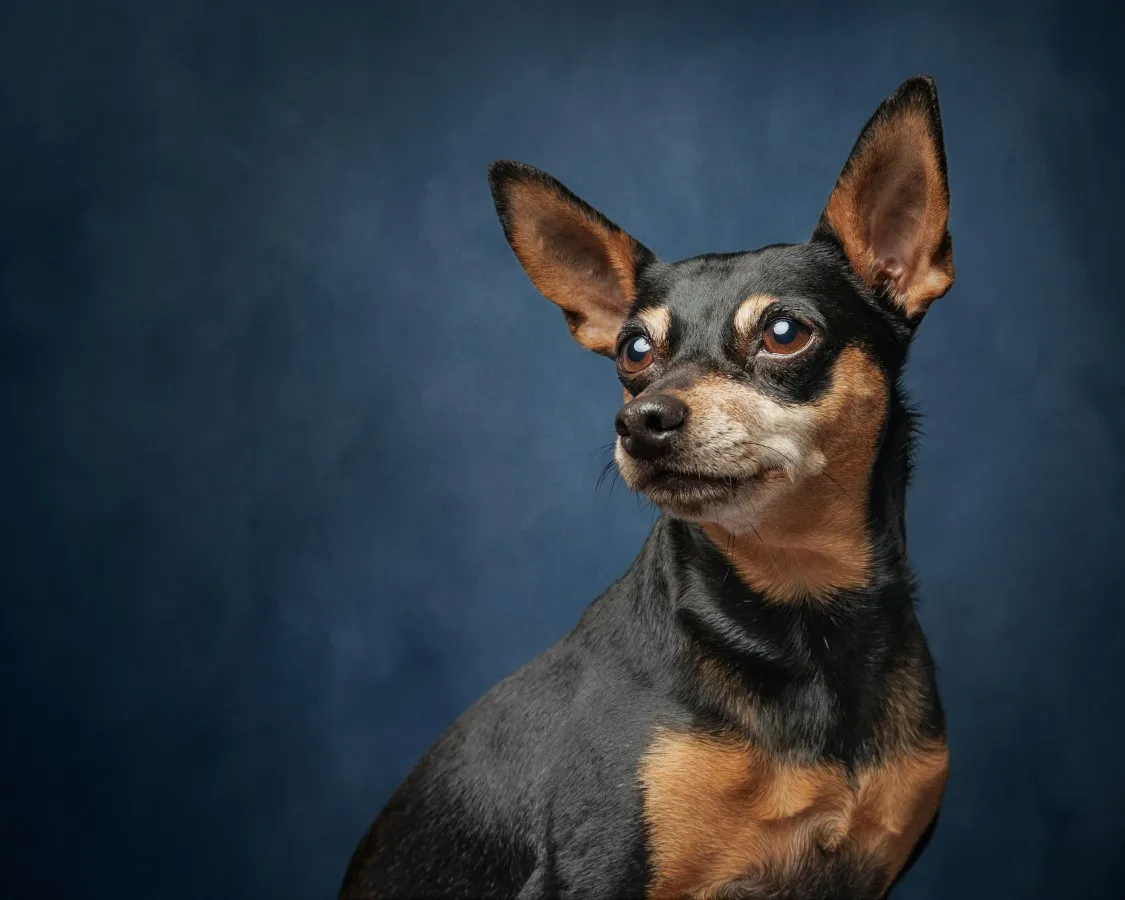
Meet the King of Toys! This spirited German breed is bold, alert, and high-energy. A fearless, tiny companion for active and dedicated owners.

BREED GROUP

Toy Dogs

Country of origin

Germany

BREED SIZE

Small

BREED HEIGHT

10 -

13 IN

25 -

33 cm

BREED WEIGHT

8 -

11 LB

4 -

5 KG

WHAT YOU NEED TO KNOW

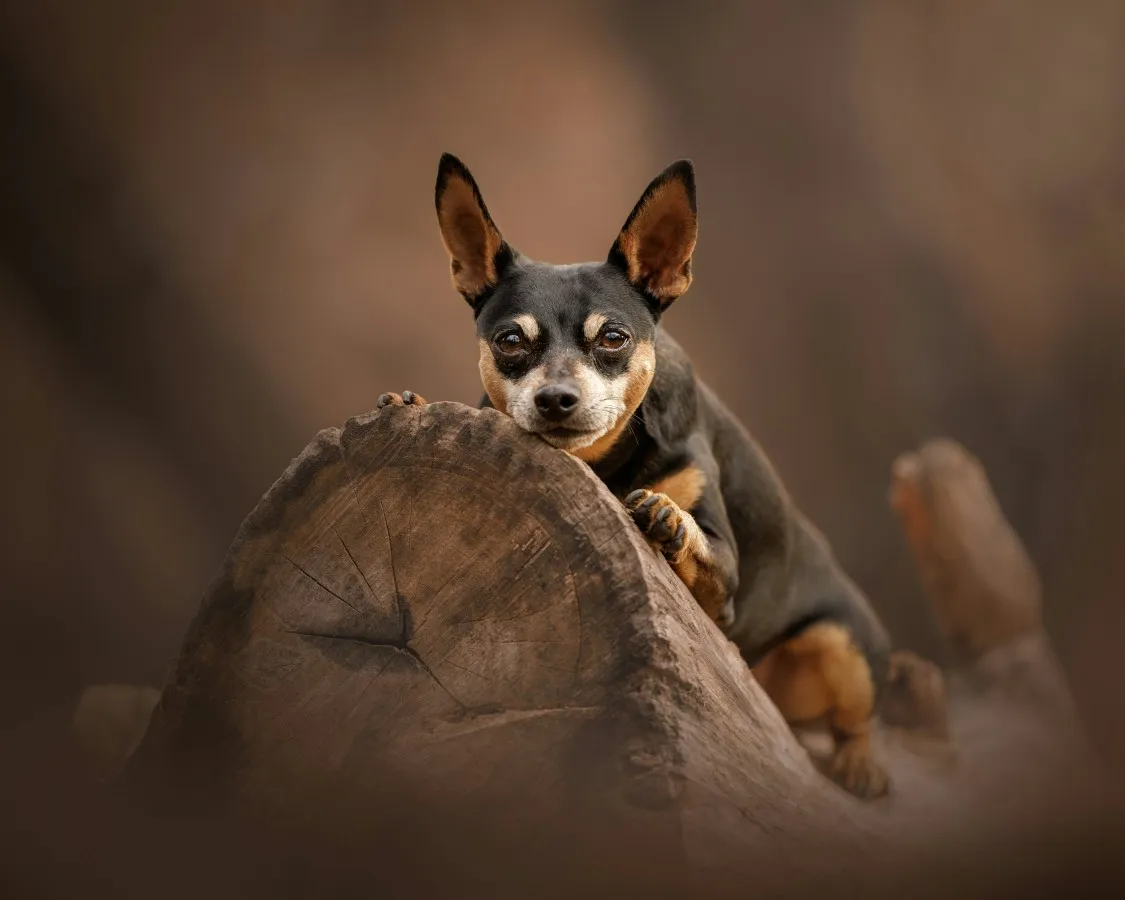
The Miniature Pinscher, often called the King of Toys, is a spirited and fearless breed originating from Germany. Despite their small stature, usually standing between 10 to 14 inches, they possess a bold personality and high energy levels. With a long life expectancy of 12 to 16 years, these dogs are devoted companions for active owners. They are alert, making excellent watchdogs, but require consistent training and socialization to manage their independent nature. Owners should enjoy their playful spirit while providing plenty of mental stimulation and physical activity to keep them happy.
american kennel club (AKC) recognition

Yes

Breed was recognized in 1925.

International Canine Federation (FCI) recognition

Yes

Breed was recognized in 1955.
WHAT DO OWNERS WANT TO KNOW?

Are Miniature Pinschers good family dogs?

Good

7 out of 10

Miniature Pinschers are devoted, spirited companions that can be excellent for active families willing to provide the necessary training and socialization. Their high energy and playful nature make them engaging pets, though their independent streak requires a committed owner to ensure they remain well-behaved.

Not Recommended

1 out of 10

Miniature Pinschers are generally better suited for families with older, respectful children who understand how to handle small dogs gently. Their tiny size and delicate build make them vulnerable to accidental injury from the rough play or boisterous activity typical of toddlers. While they are spirited and affectionate companions, constant supervision is essential to ensure interactions remain safe and positive for both the dog and the children.

Not Recommended

1 out of 10

Miniature Pinschers can be challenging for first-time owners due to their independent streak and stubborn nature, which often makes training a test of patience. While they are small and adaptable, their high energy levels and tendency toward separation anxiety require a dedicated owner who can provide consistent socialization and firm leadership. Prospective owners must be prepared to manage their bold "big dog" personality and provide plenty of mental stimulation to prevent destructive behaviors.

Great

8 out of 10

Miniature Pinschers are well-suited for apartment living due to their compact size and adaptability to small spaces. While energetic, their exercise needs can be met through daily walks and indoor play. Owners should be mindful of their vocal nature and provide consistent training and mental stimulation to ensure they remain well-behaved neighbors in close living environments.

Not Required

10 out of 10

A yard is not strictly required for a Miniature Pinscher, as their small size allows them to adapt well to apartment living. However, because they are high-energy and exceptionally curious, a securely fenced yard is highly recommended for safe, supervised play. Daily walks and indoor activities are essential to keep this spirited and active companion healthy.

Poor

2 out of 10

Miniature Pinschers are prone to separation anxiety due to their intense loyalty and territorial nature. They generally should not be left alone for more than four to six hours, as isolation can lead to excessive barking and destructive behaviors. Providing vigorous exercise, mental stimulation, and consistent training helps them learn to settle and manage periods of solitude.

Average

5 out of 10

Miniature Pinschers can coexist with cats if introduced early and socialized properly, though their high prey drive means they are prone to chasing smaller animals. Their history as ratters can trigger hunting instincts, so consistent training and supervised interactions are necessary to maintain a harmonious multi-pet environment. Providing cats with safe, high retreats can also help manage the dog's spirited nature during the transition.

Reactive

2 out of 10

Miniature Pinschers are not naturally aggressive but possess a bold, assertive, and highly territorial nature. Without early socialization and consistent training, they can become suspicious of strangers and may exhibit snappy or defensive behavior. While they are loyal to their families, they can also be dominant with other dogs and may react if handled roughly, making them better suited for households with older, respectful children.

Hyperactive

10 out of 10

Miniature Pinschers are exceptionally high-energy dogs, often described as "tiny Ferraris" due to their sleek build and boundless stamina. They require at least 30 to 60 minutes of daily physical activity, such as brisk walks and interactive play, to prevent boredom-based behaviors like destructive chewing or excessive barking. Because of their sharp intelligence and spirited nature, they also thrive on mental stimulation through puzzle toys and training challenges.

~45 min a day

5 out of 10

Miniature Pinschers require approximately 30 to 60 minutes of daily exercise to manage their high energy levels and spirited nature. This should include brisk walks, interactive play like fetch or hide-and-seek, and mental stimulation through puzzle toys or obedience training. Because they are athletic and intelligent, they also excel in dog sports like agility, but owners should prioritize short bursts of activity and avoid high-impact jumping to protect their delicate frames.

Fair

4 out of 10

Miniature Pinschers have a moderate tolerance for hot weather but are susceptible to overheating due to their high energy levels and thin coats. Owners should avoid strenuous exercise during peak sun hours, provide constant access to shade and fresh water, and monitor for signs of heat exhaustion. Because their small paws are sensitive to hot pavement, walking during cooler parts of the day is highly recommended.

Fair

4 out of 10

Miniature Pinschers have a moderate tolerance for hot weather but are susceptible to overheating due to their high energy levels and thin coats. Owners should avoid strenuous exercise during peak sun hours, provide constant access to shade and fresh water, and monitor for signs of heat exhaustion. Because their small paws are sensitive to hot pavement, walking during cooler parts of the day is highly recommended.

Rarely Banned

8 out of 10

Miniature Pinschers are rarely subject to breed-specific bans, as they are a small Toy breed that generally falls well under the weight limits set by most apartment complexes. Their compact size makes them widely accepted in rental housing. However, because they are vocal and alert "watchdogs," owners should prioritize training to manage barking, as noise complaints can occasionally be an issue in close-living environments. Always verify specific landlord policies regarding pet deposits or weight restrictions.

WHAT DO OWNERS WANT TO KNOW?


Photo
Reviewed by
Dr. Vojtech Gabriel
DVM · PhD · MBA
Veterinarian Researcher Dog breed specialist
Verified

"Miniature Pinschers are spirited and generally long-lived, but as a veterinarian, I prioritize monitoring for orthopedic issues like patellar luxation and Legg-Calve-Perthes disease. Maintaining a lean body weight is critical to minimize joint stress and avoid obesity-related complications. This breed is also prone to progressive retinal atrophy (PRA), cataracts, and hypothyroidism, necessitating regular eye exams and metabolic screenings. Owners should also stay vigilant about dental care to prevent periodontal disease and monitor for heart conditions like mitral valve disease. I strongly recommend choosing puppies from health-tested parents and maintaining a proactive wellness routine to manage these potential lifelong health risks."
Other Toy Dogs