Skip to content

Papillon - MAIN HUB

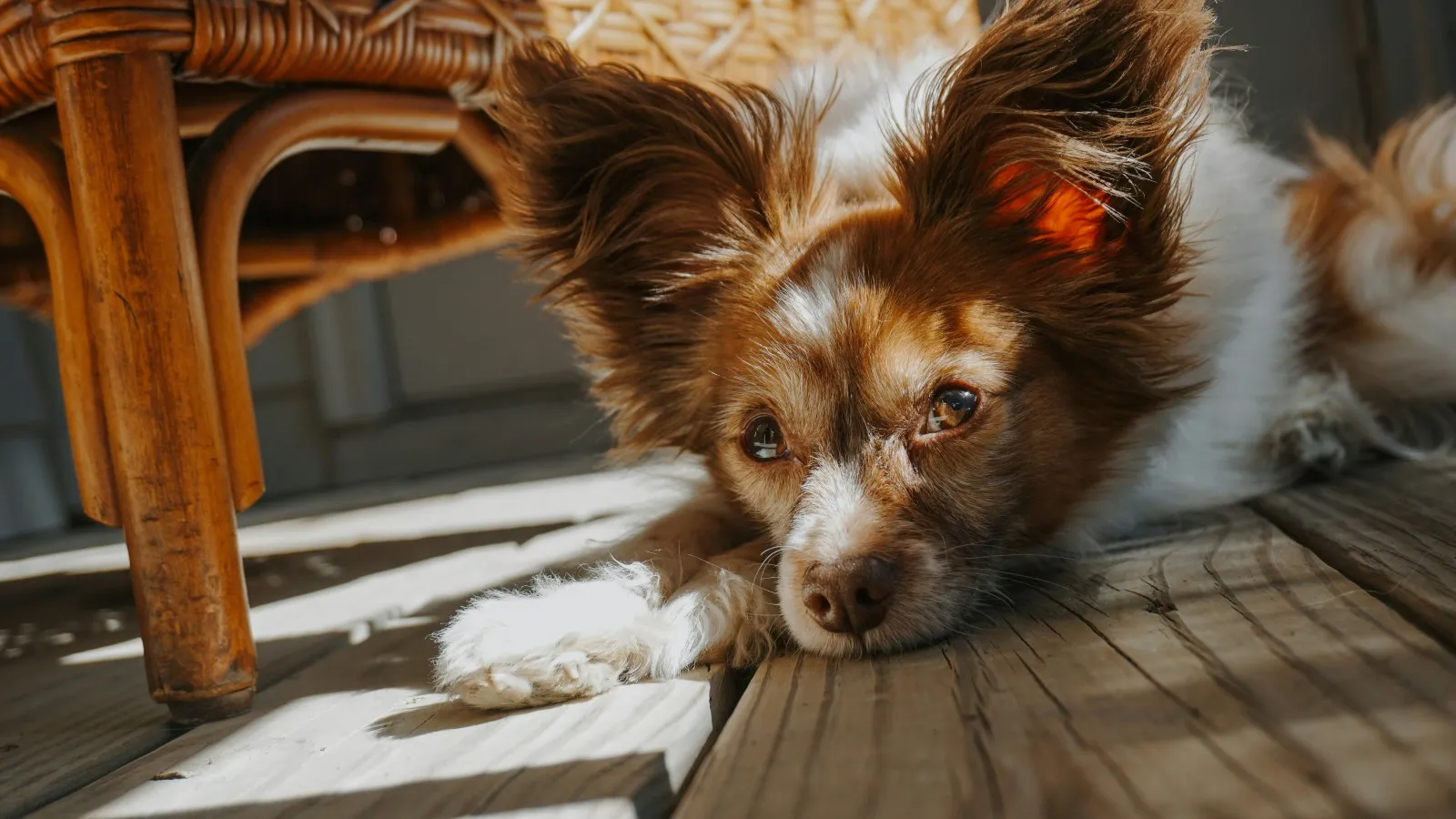
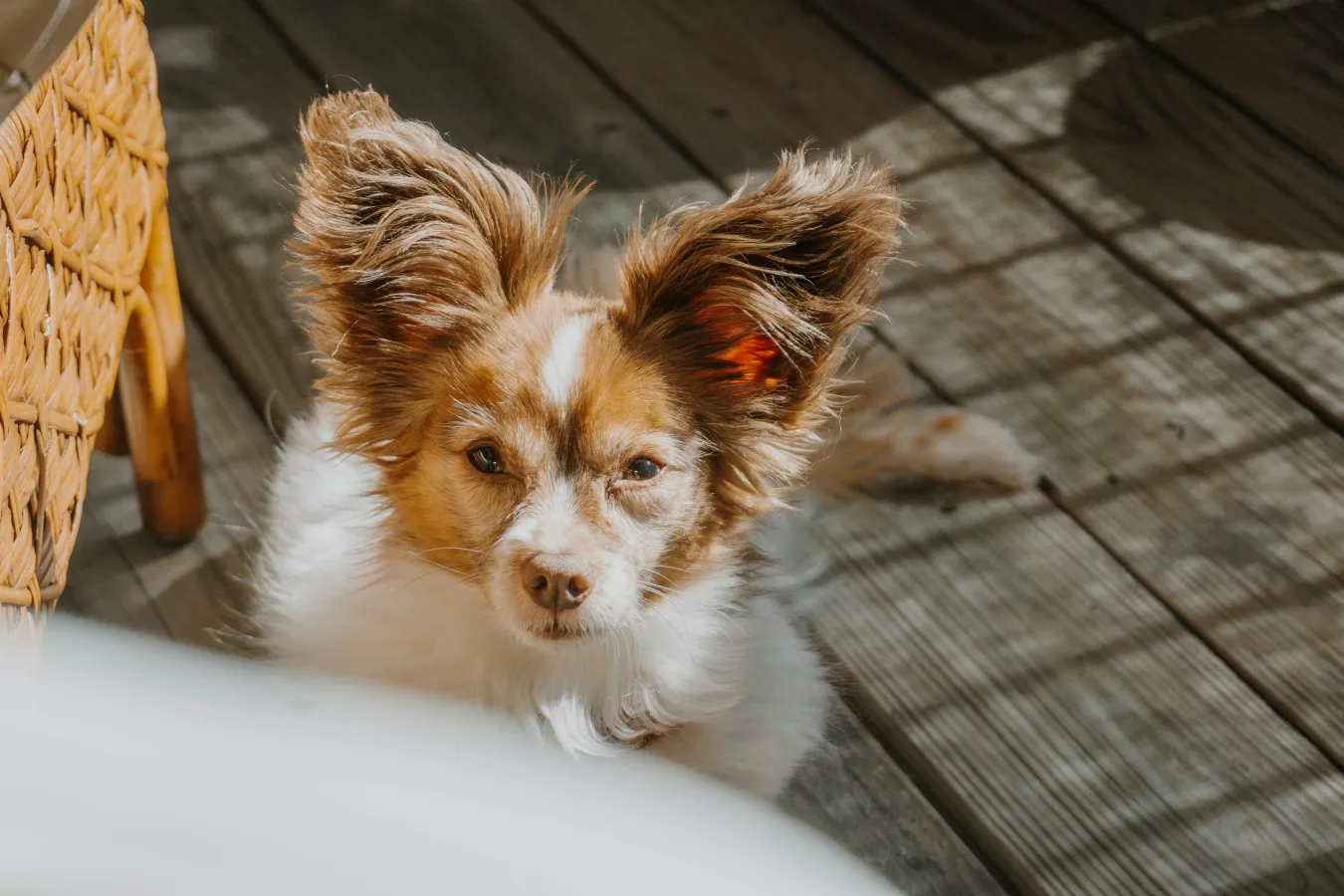
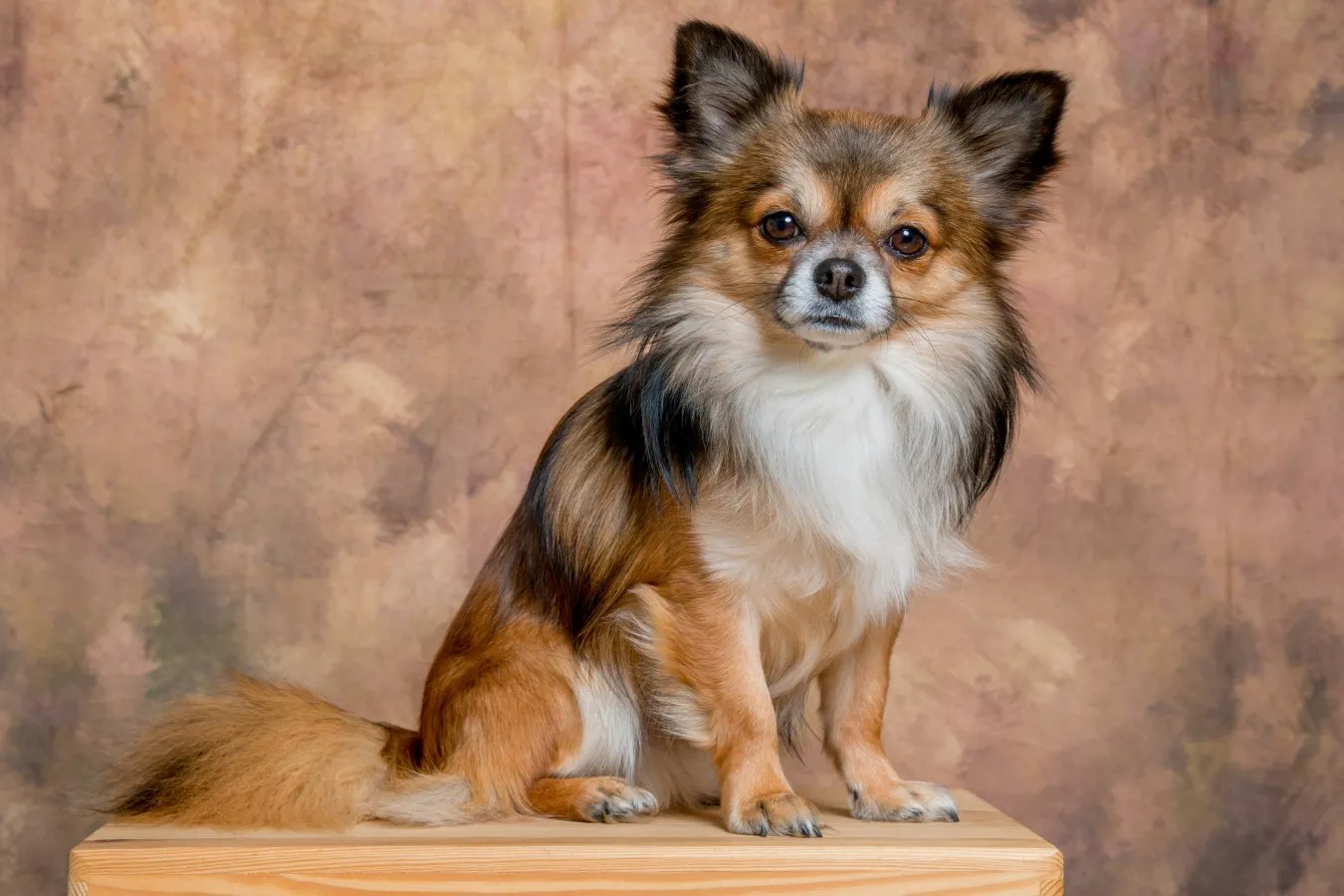
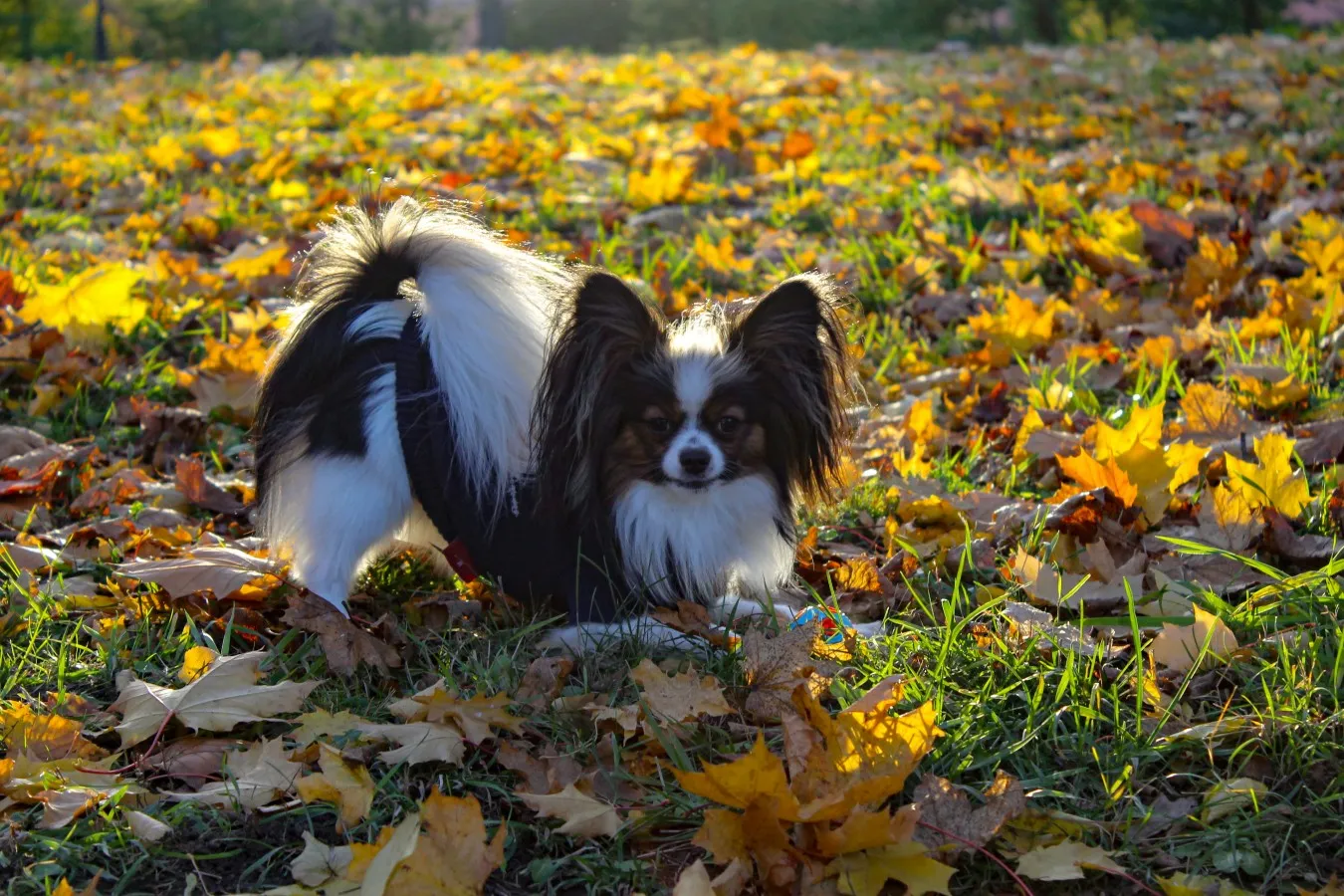
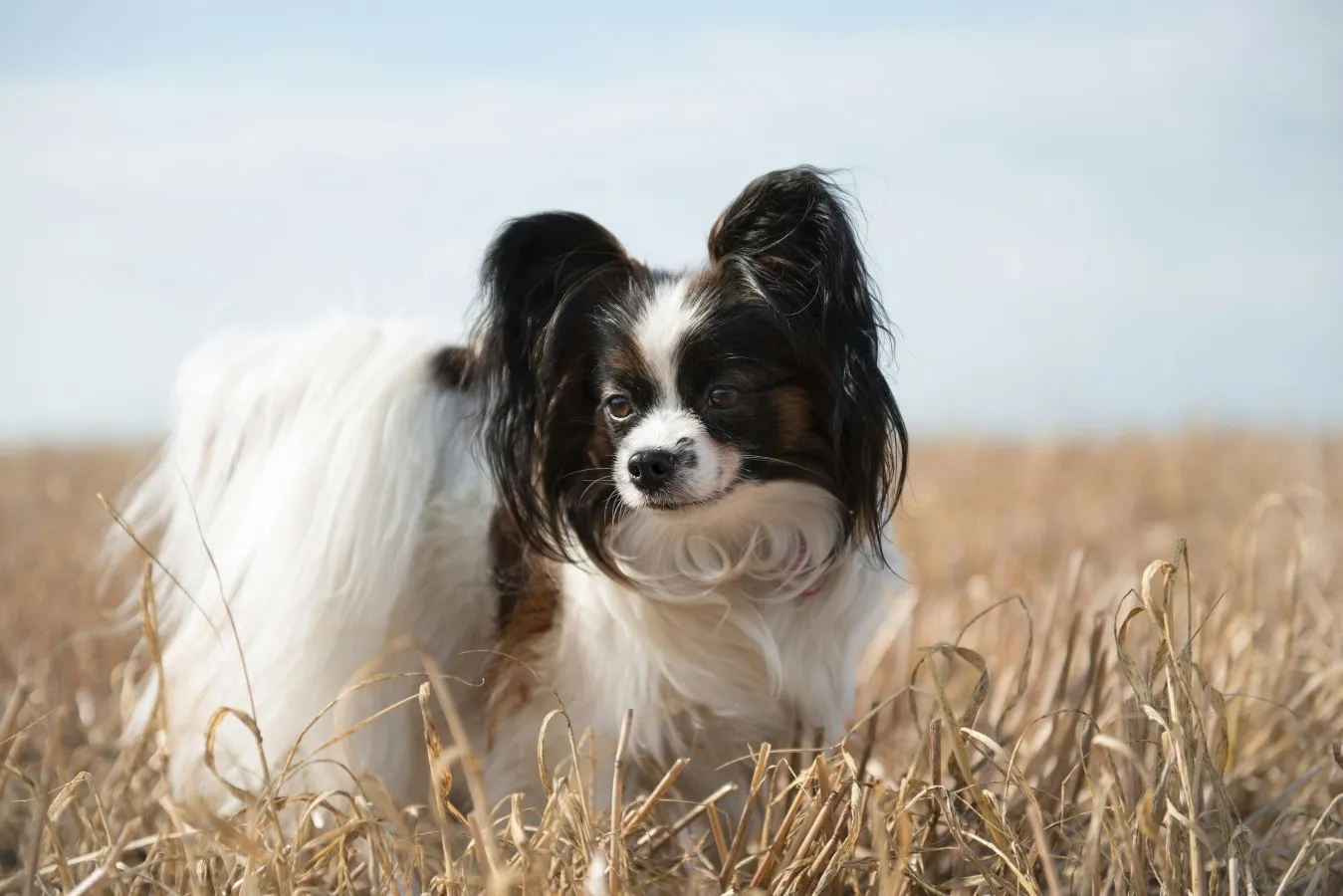
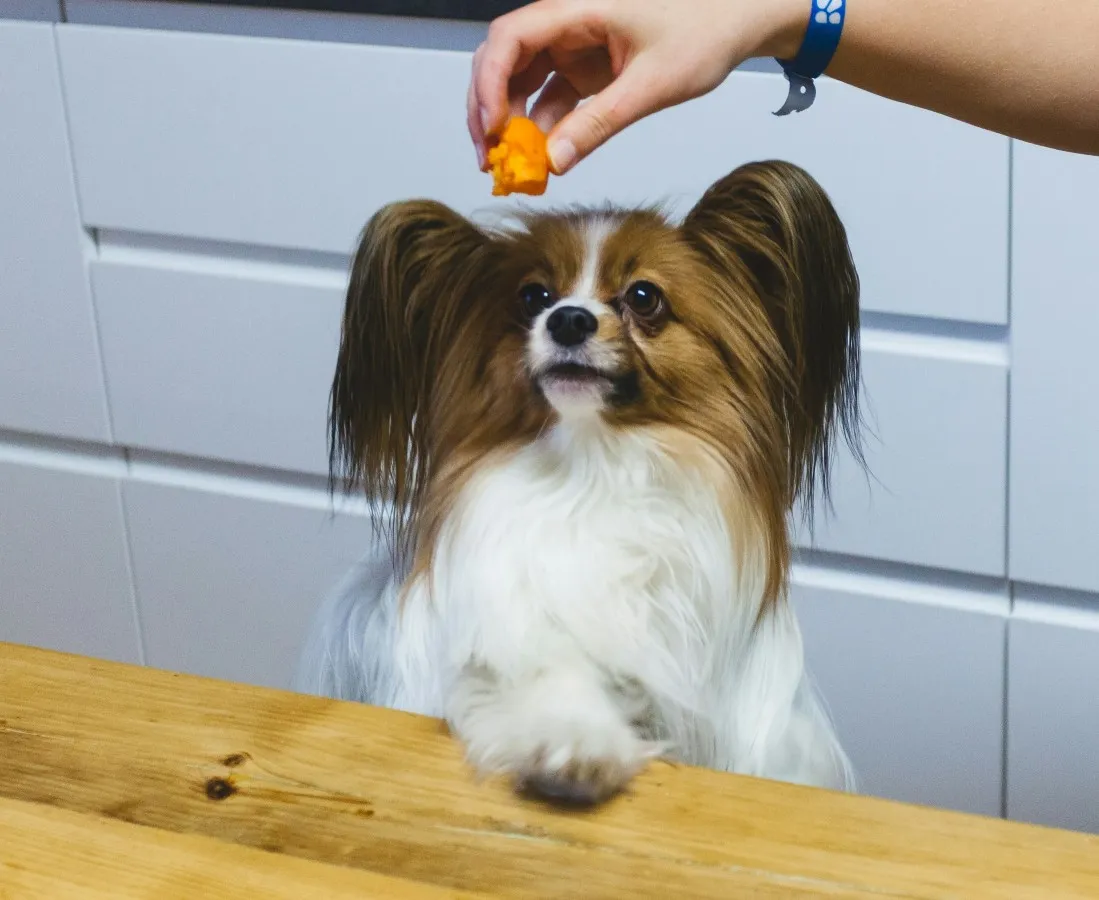
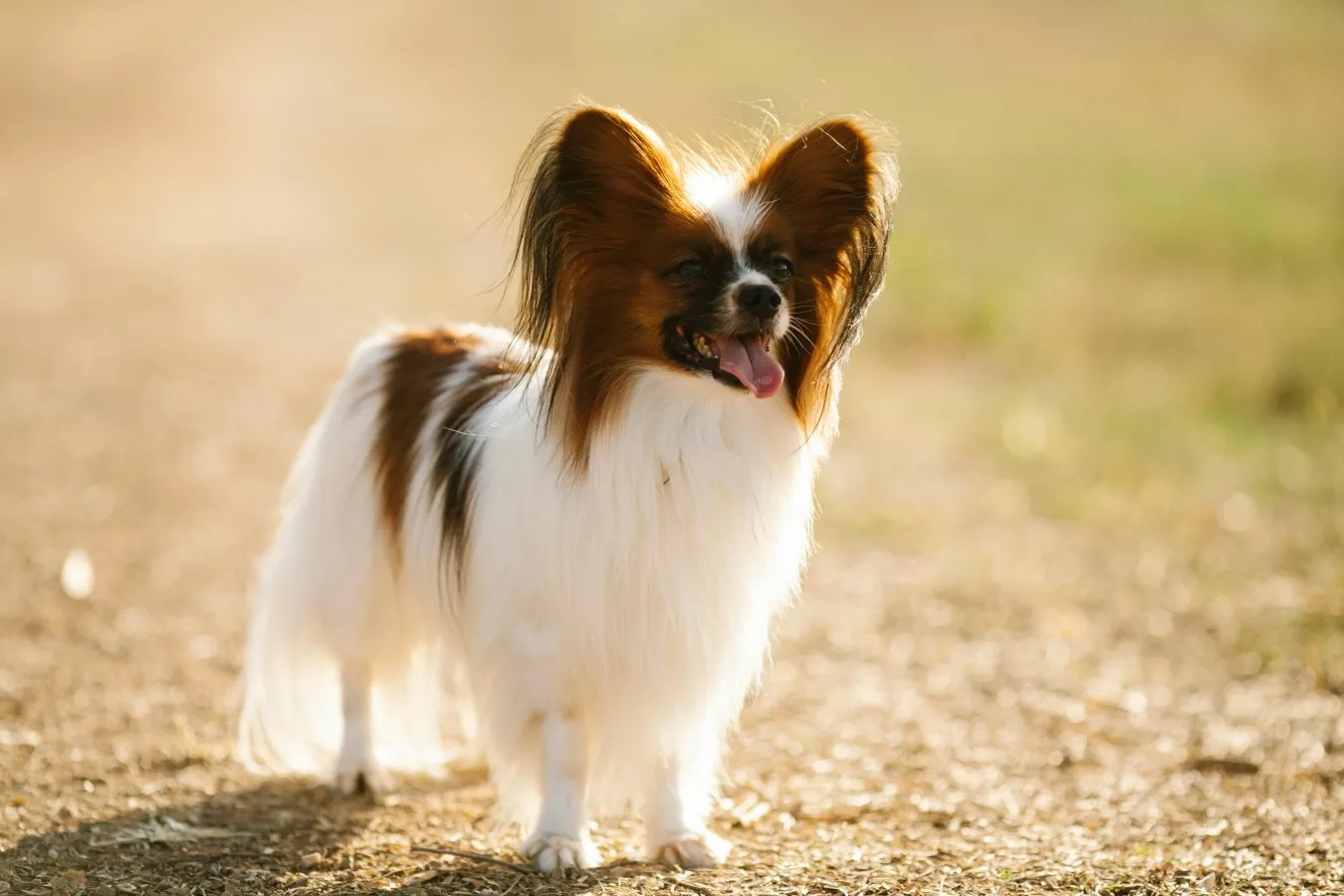
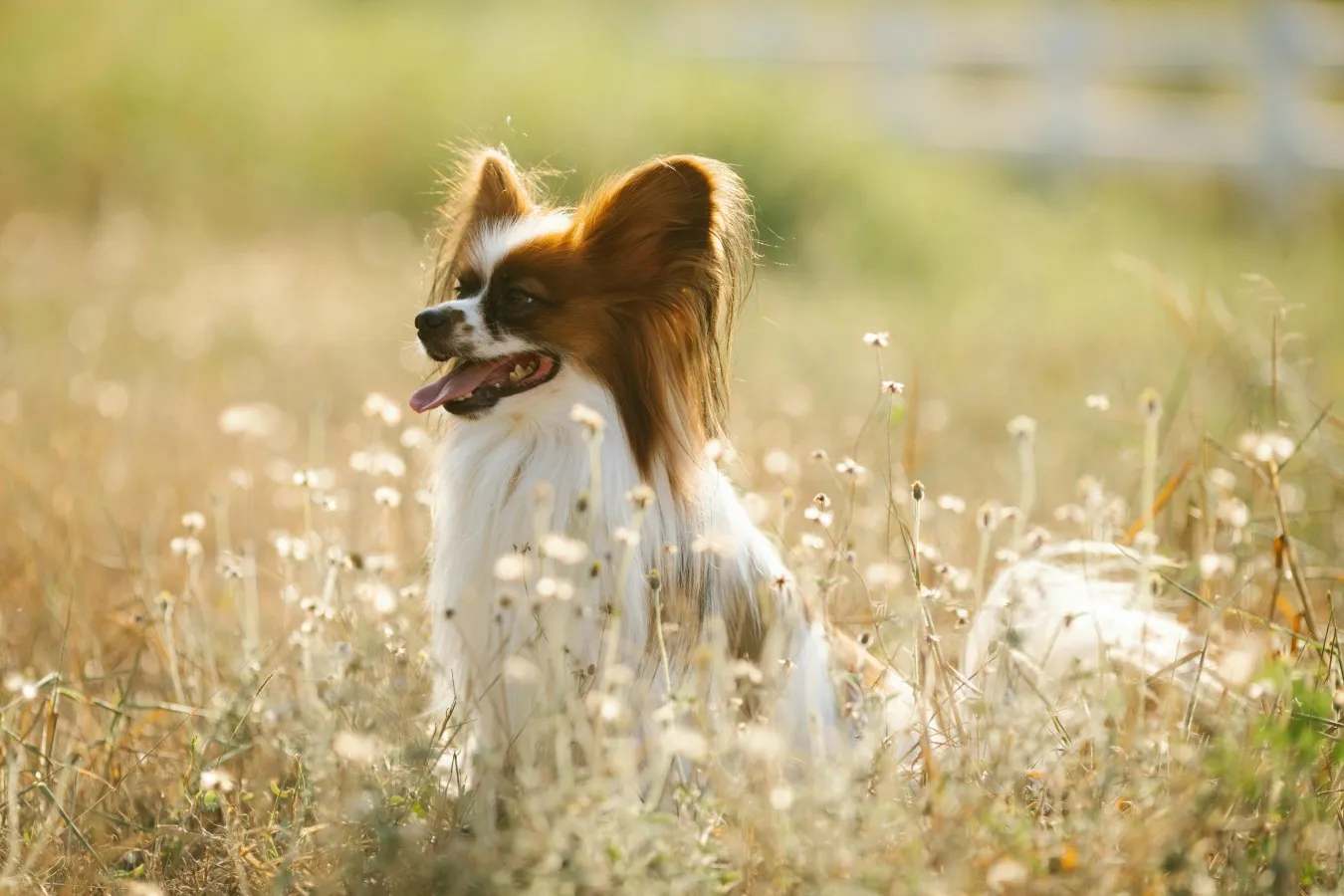
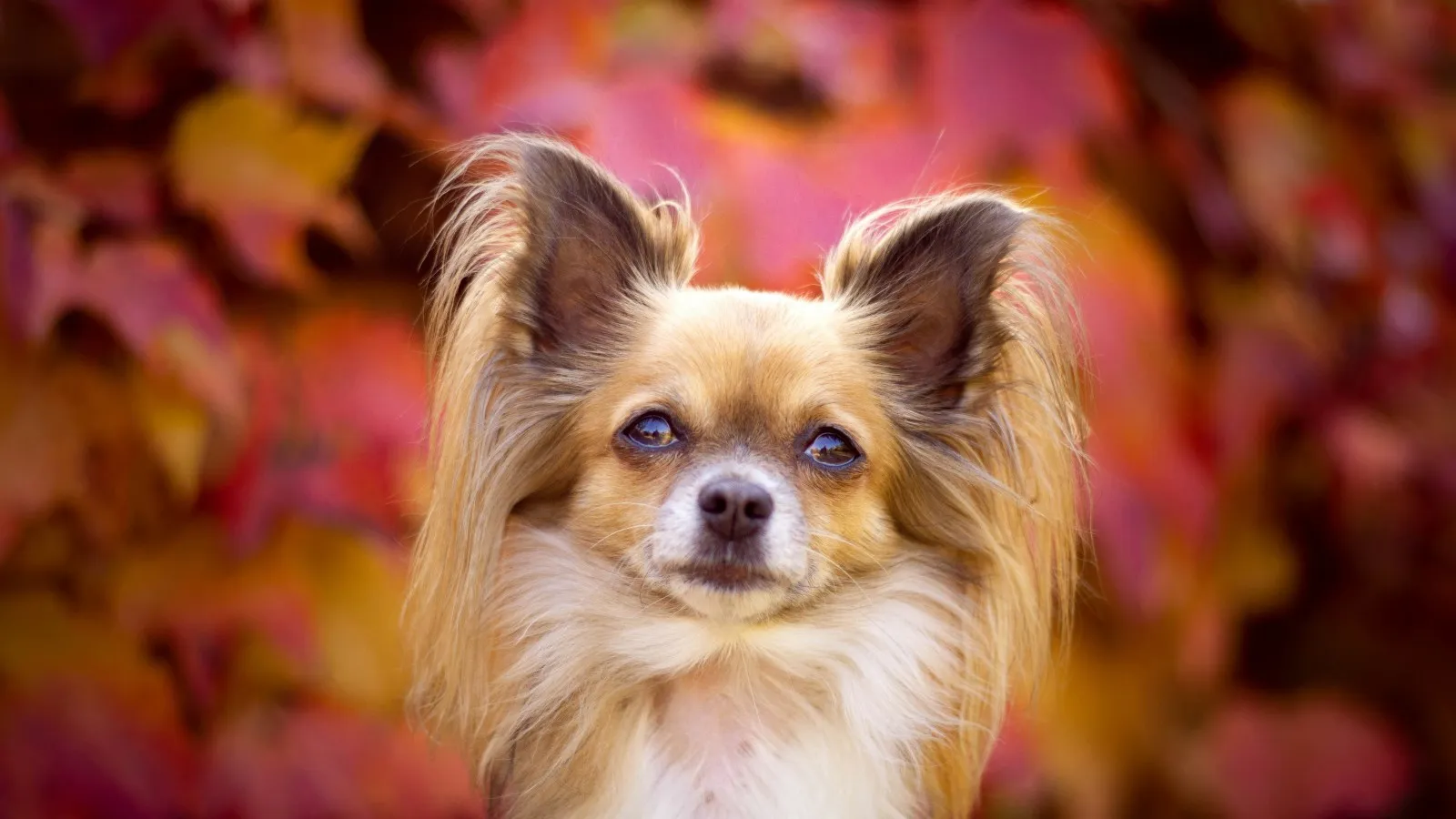
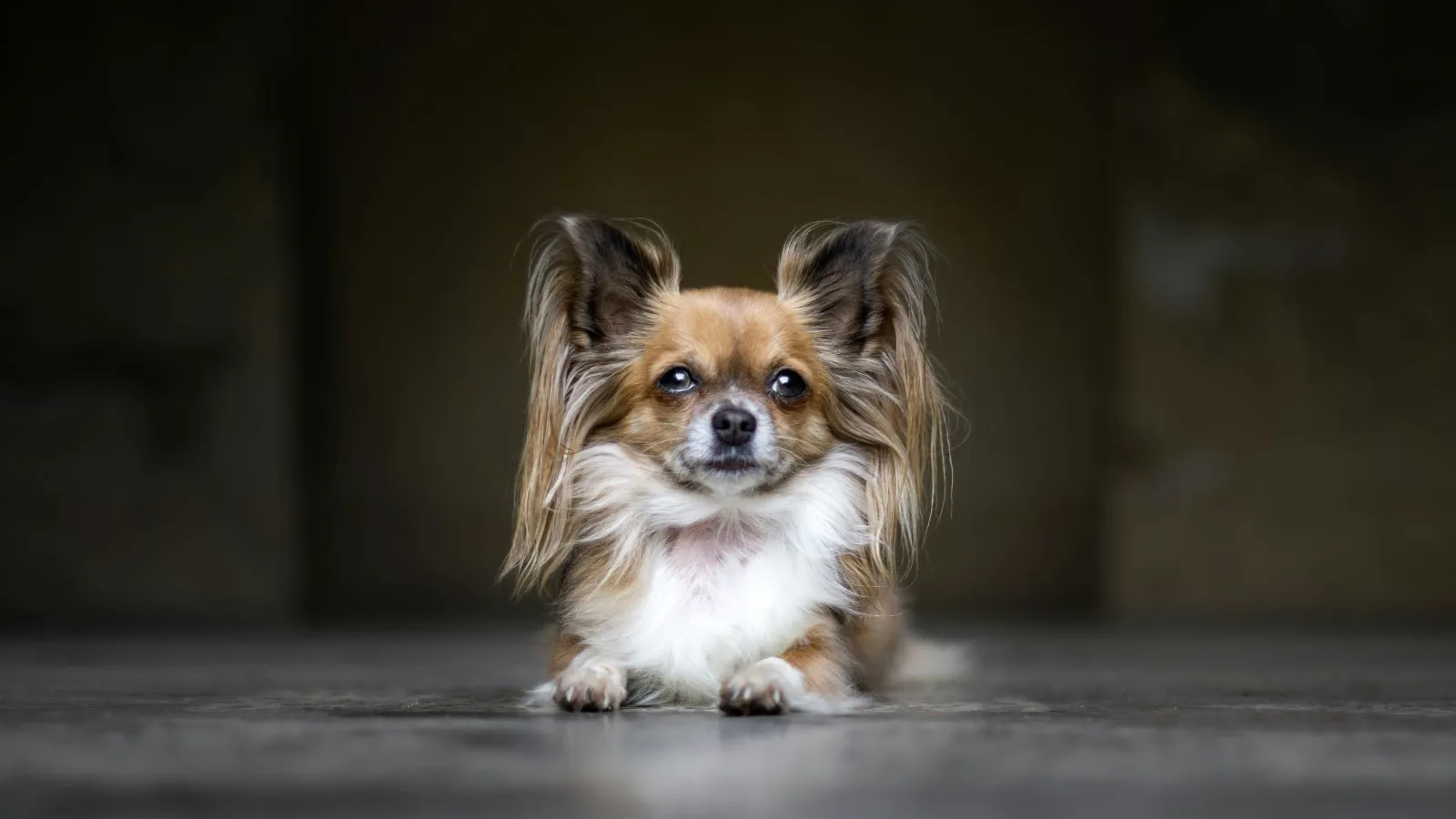
The Papillon is a tiny athlete with butterfly ears and a huge brain. Brilliant, agile, and affectionate, they’re the ultimate smart companions.

BREED GROUP

Toy Dogs

Country of origin

France

BREED SIZE

Toy

BREED HEIGHT

8 -

11 IN

20 -

28 cm

BREED WEIGHT

5 -

10 LB

2 -

5 KG

WHAT YOU NEED TO KNOW

The Papillon is an elegant, intelligent toy breed known for its distinctive butterfly-like ears and spirited personality. Originating as royal lapdogs, these agile companions are surprisingly hardy and excel in obedience and agility. They are affectionate and social, thriving on human interaction, though their small size requires protection from rough play with larger animals or children. With a lifespan of 13-17 years, they are generally healthy but prone to luxating patellas and dental issues. Their silky, single coat is relatively low-maintenance, requiring regular combing but minimal professional grooming. Compact and athletic, they adapt well to various living environments.
american kennel club (AKC) recognition

Yes

Breed was recognized in 1915.

International Canine Federation (FCI) recognition

Yes

Breed was recognized in 1954.
WHAT DO OWNERS WANT TO KNOW?

Are Papillons good family dogs?

Excellent

10 out of 10

The Papillon is a good family dog for those with older children, as they are affectionate, social, and thrive on human interaction. However, because of their small toy size, they require protection from rough play to avoid injury. Their adaptable and spirited nature makes them excellent companions for families who can provide a gentle environment.

Excellent

10 out of 10

Papillons are generally excellent with children, offering a playful and energetic personality that matches active kids. Because of their small size and fine bones, they are best suited for families with older, respectful children who understand how to handle them gently. While they are hardy and athletic, supervision is always required around younger children to prevent accidental injury from rough play.

Exceptional

10 out of 10

Papillons are an excellent choice for first-time owners because they are highly intelligent, eager to please, and exceptionally easy to train. Their small size makes them manageable for novices, and their friendly, adaptable nature allows them to thrive in various living situations. While they require consistent mental stimulation and companionship, their quick learning ability makes the responsibilities of pet ownership a rewarding experience.

Exceptional

10 out of 10

Papillons make excellent apartment dogs due to their compact size and ability to burn most of their energy through indoor play. While they are lively and athletic, they are remarkably adaptable and can thrive in small living spaces provided they receive daily walks and consistent mental stimulation. Their friendly, quiet nature and ease of training further make them well-suited for city dwellers seeking an intelligent and affectionate companion.

Not Required

10 out of 10

A yard is not strictly required for a Papillon, as their small size and adaptable nature make them ideal for apartment living. While they are energetic and enjoy having a fenced area to run and play, their exercise needs can be easily met through indoor games, daily walks, and mental stimulation.

Poor

2 out of 10

Papillons are highly social companions that thrive on human contact and do not handle long periods of solitude well. They are prone to developing separation anxiety and undesirable behaviors, such as excessive barking or chewing, if left alone for too long. They are best suited for households where someone is frequently present to provide the interaction and mental stimulation they require.

Exceptional

10 out of 10

Papillons generally coexist well with cats, as they are friendly, social, and often view other pets as playmates. Due to their high intelligence and adaptable nature, they can learn to respect feline boundaries, especially when raised together from a young age. However, their playful energy and occasional prey drive may lead to chasing, so initial introductions should be supervised to ensure a harmonious multi-pet household.

Very Gentle

10 out of 10

Papillons are not naturally aggressive; they are typically happy, alert, and friendly companions. While they should never be shy or aggressive, they may develop "small dog syndrome" or shyness if not properly socialized or trained. With consistent positive reinforcement and early exposure to various people and environments, they remain sociable, outgoing, and gentle family pets.

High

8 out of 10

Papillons are surprisingly high-energy and athletic toy dogs that require regular physical exercise and mental stimulation. They thrive on activities like daily walks, fetch, and agility training, needing about 30 to 60 minutes of active engagement to maintain their health and prevent boredom.

~45 min a day

4 out of 10

Papillons require regular physical exercise and mental stimulation to stay healthy and happy. They typically need about 30 to 60 minutes of active engagement daily, which can include walks, games of fetch, and agility training. Because they are highly intelligent, incorporating puzzle toys and obedience work is essential to prevent boredom-induced behaviors.

Good

6 out of 10

Papillons generally handle warm weather well and are adaptable to various climates. However, due to their small size and single-layered coat, they can still overheat if overexerted in extreme heat. Owners should provide plenty of fresh water and shade, and limit vigorous outdoor activities to the cooler morning or evening hours during heatwaves.

Good

6 out of 10

Papillons generally handle warm weather well and are adaptable to various climates. However, due to their small size and single-layered coat, they can still overheat if overexerted in extreme heat. Owners should provide plenty of fresh water and shade, and limit vigorous outdoor activities to the cooler morning or evening hours during heatwaves.

Never Banned

10 out of 10

Papillons are rarely subject to breed bans, as they are widely regarded as premier apartment dogs. Their compact size, quiet nature, and manageable exercise needs make them favorites for city living. However, always verify individual landlord policies regarding general pet weight limits or specific rental insurance requirements.

WHAT DO OWNERS WANT TO KNOW?


Photo
Reviewed by
Dr. Vojtech Gabriel
DVM · PhD · MBA
Veterinarian Researcher Dog breed specialist
Verified

"Papillons are generally healthy and long-lived, with a life expectancy of 13-16 years, but they are prone to several breed-specific issues. As a veterinarian, I strongly recommend daily dental care and professional cleanings, as their compact mouths make them highly susceptible to severe periodontal disease. They are also predisposed to luxating patellas (dislocating kneecaps) and should be screened for genetic eye conditions like Progressive Retinal Atrophy (PRA). Owners must be cautious of their fragile stature to prevent injuries and monitor for respiratory issues like collapsing trachea. Due to their high intelligence and social nature, they require consistent mental stimulation and companionship to prevent separation anxiety and boredom-induced behaviors. Routine exams should also include checks for heart valve disease and liver shunts to ensure these spirited companions thrive."

Other Toy Dogs