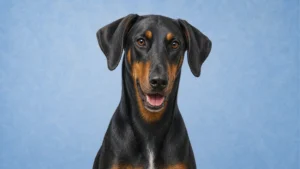
Miniature Pinscher Training Profile
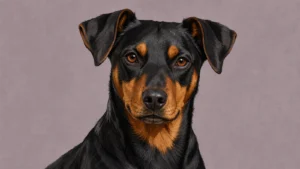
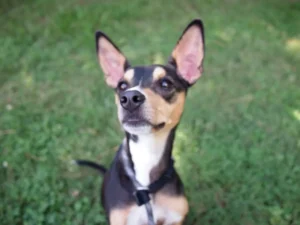
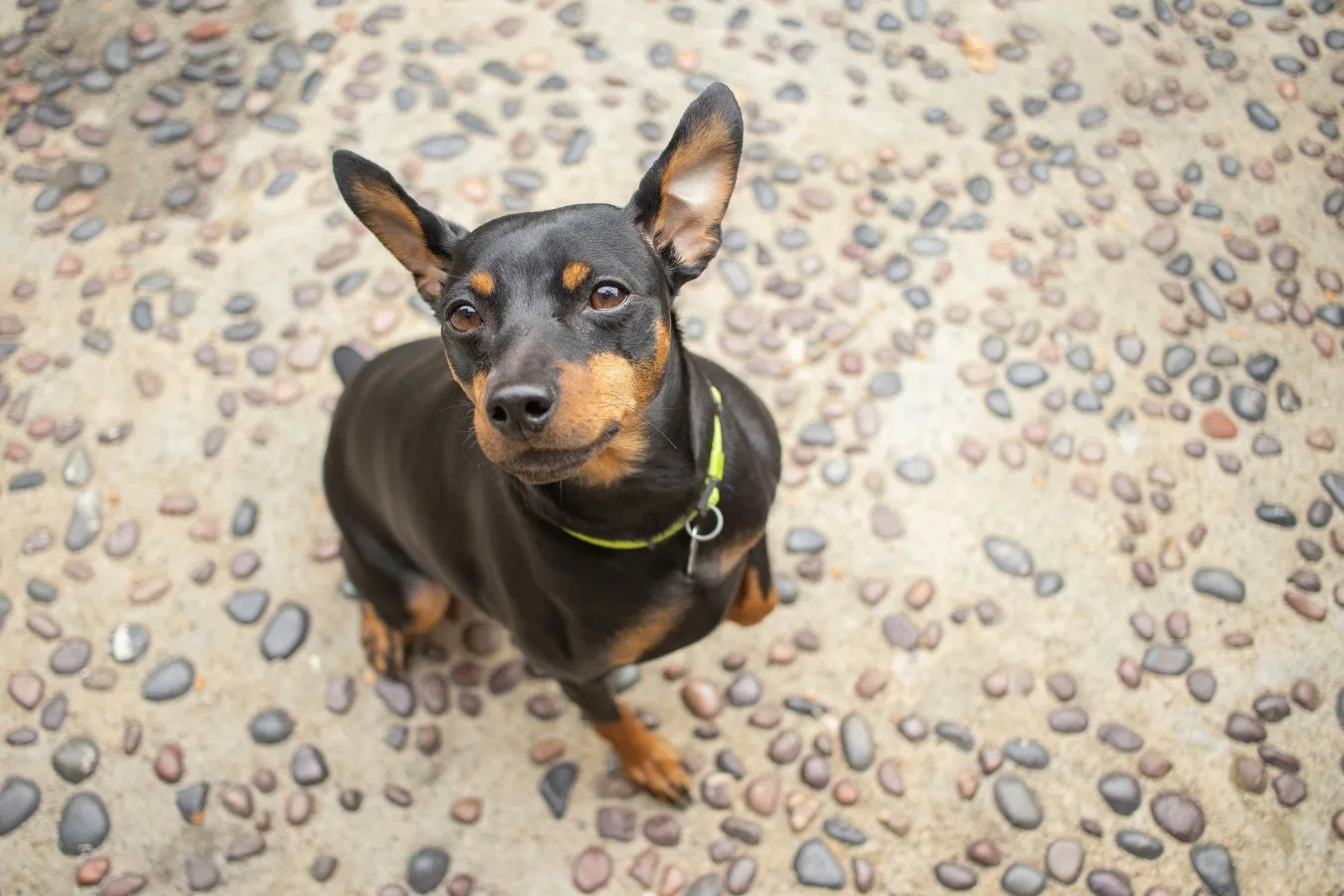
Miniature Pinschers are intelligent yet notoriously stubborn, requiring firm, consistent leadership and early socialization. These spirited “King of Toys” respond best to positive reinforcement and high-value rewards during short, engaging sessions. While they learn quickly, their independent nature and high energy necessitate patience and regular exercise to ensure a well-mannered companion.
TRAINABILITY
Hard
2 out of 10
MENTAL STIMULATION NEEDS
High Needs
8 out of 10
LOVE FOR GRUB
Voracious
9 out of 10
TRAINING FAQ
Are Miniature Pinschers easy to train?
Stubborn
3 out of 10
Miniature Pinschers are intelligent but notoriously stubborn, requiring a firm and consistent owner. Their independent nature and “big dog” personality mean they often test boundaries. Successful training requires immense patience, positive reinforcement, and high-value rewards to keep this spirited breed engaged and cooperative during learning sessions.
Are Miniature Pinschers stubborn?
Very Stubborn
2 out of 10
Miniature Pinschers are famously stubborn and independent, often earning the nickname King of Toys for their assertive personalities. Their high intelligence means they learn quickly, but they may ignore commands if they find something more interesting. Success requires firm, consistent leadership and high-value rewards to keep them engaged.
How to train a Miniature Pinscher puppy?
Difficult
2 out of 10
Train your Miniature Pinscher puppy using firm, consistent, and positive reinforcement starting at 8 weeks old. Focus on early socialization and basic commands like sit, come, and down using high-value treats and praise to manage their independent and stubborn nature. Establish clear leadership to prevent dominance issues, and use short, engaging sessions of 5 to 20 minutes to accommodate their brief attention span. Incorporate crate training for housebreaking and gentle handling exercises to build confidence and prevent future aggression or fear.
How difficult is to potty train a Miniature Pinscher puppy?
Difficult
2 out of 10
Potty training a Miniature Pinscher typically takes several months, often reaching full reliability by six months of age. Known for their stubbornness and independent streak, success requires extreme consistency, a strict schedule, and high-value rewards. Utilizing crate training is highly effective for managing this strong-willed breed’s housebreaking needs.
How many walks does a Miniature Pinscher need?
Low Needs
2 out of 10
Miniature Pinschers are high-energy dogs that require at least 30 to 60 minutes of daily exercise. This is best achieved through two brisk walks supplemented with interactive play or games like fetch. Providing consistent physical activity and mental stimulation is essential to prevent boredom and destructive behaviors.
What is the best daily routine for a Miniature Pinscher?
Moderate
6 out of 10
A Miniature Pinscher’s daily routine should prioritize mental and physical engagement to manage their high energy. Provide 30 to 60 minutes of exercise through brisk walks and interactive play like fetch or agility. Feed puppies three to four times daily and adults once or twice, using high-quality food and monitoring weight carefully. Essential care includes weekly brushing, regular dental cleaning, and checking their large eyes and ears for irritation. Incorporate two 10-20 minute training sessions using positive reinforcement to channel their intelligence and curb barking. Ensure they have a warm place to sleep and a jacket for cold weather, as their short coats offer little protection.
VET INSIGHTS
Miniature Pinschers are intelligent yet notoriously stubborn, requiring firm leadership and consistent positive reinforcement. This high-energy “King of Toys” needs 30 to 60 minutes of daily exercise and early socialization to manage their independent nature. Housebreaking is challenging, often taking several months. Their care routine includes weight monitoring, dental hygiene, and protection from cold weather.
Reviewed by
Dr. Vojtech Gabriel
DVM · PhD · MBA
Veterinarian
Researcher
Dog breed specialist
✓
Verified