Skip to content

Tyrolean Hound - MAIN HUB

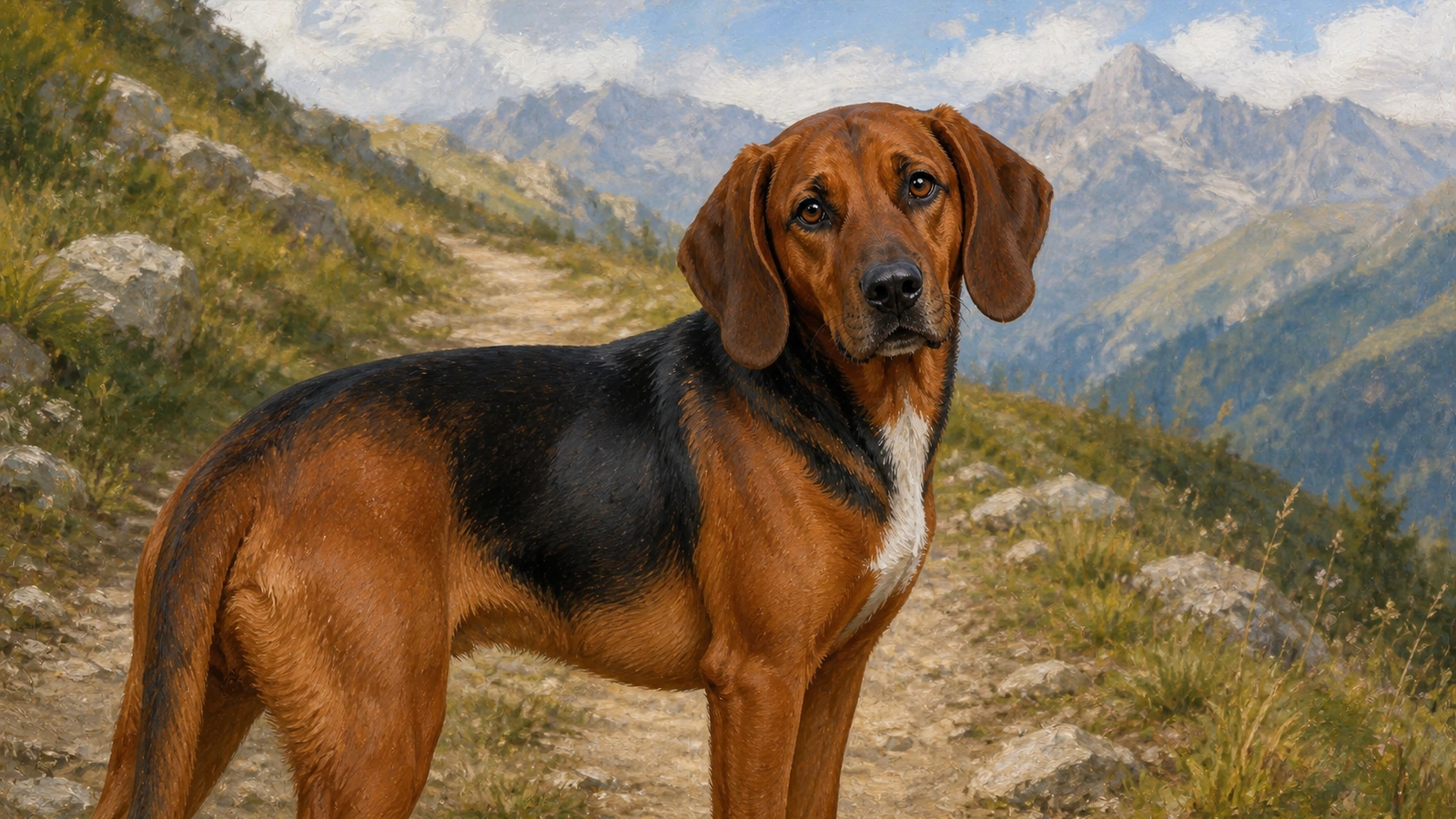
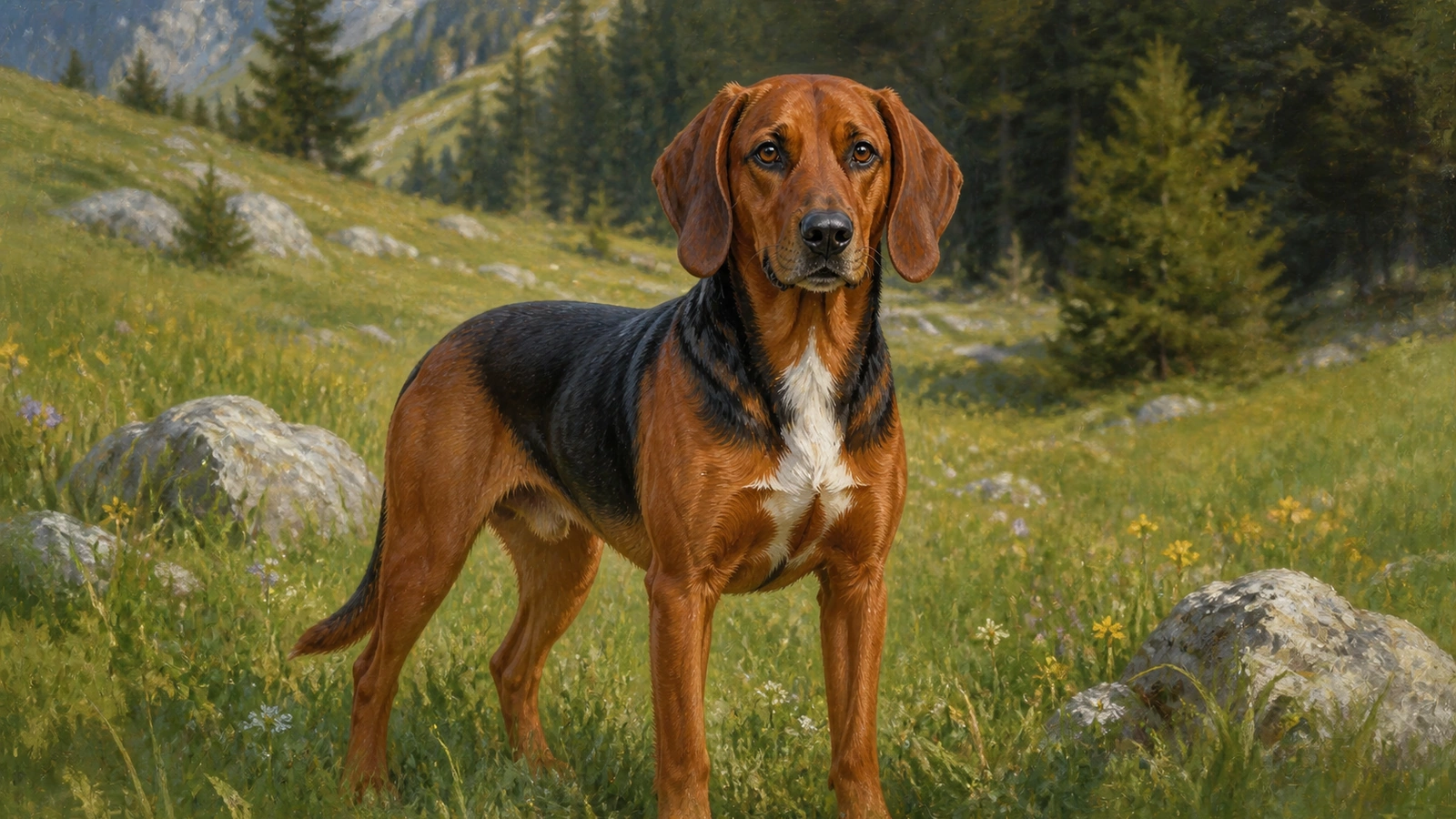
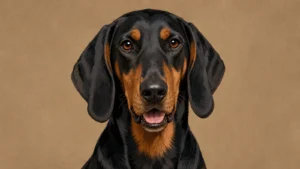
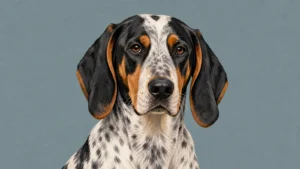
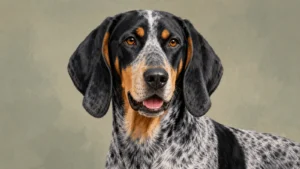
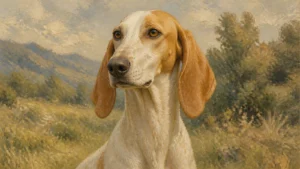
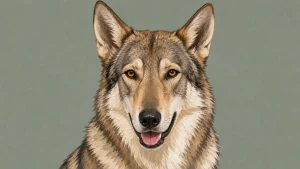
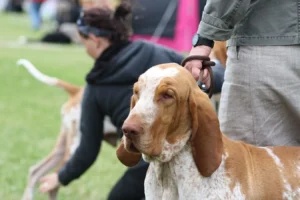
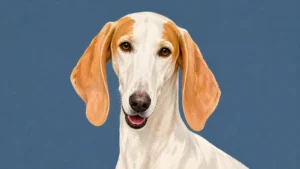
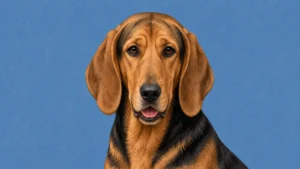
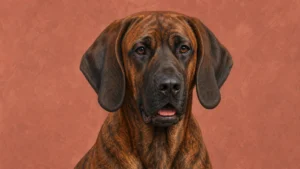
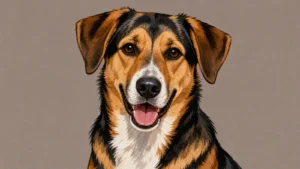
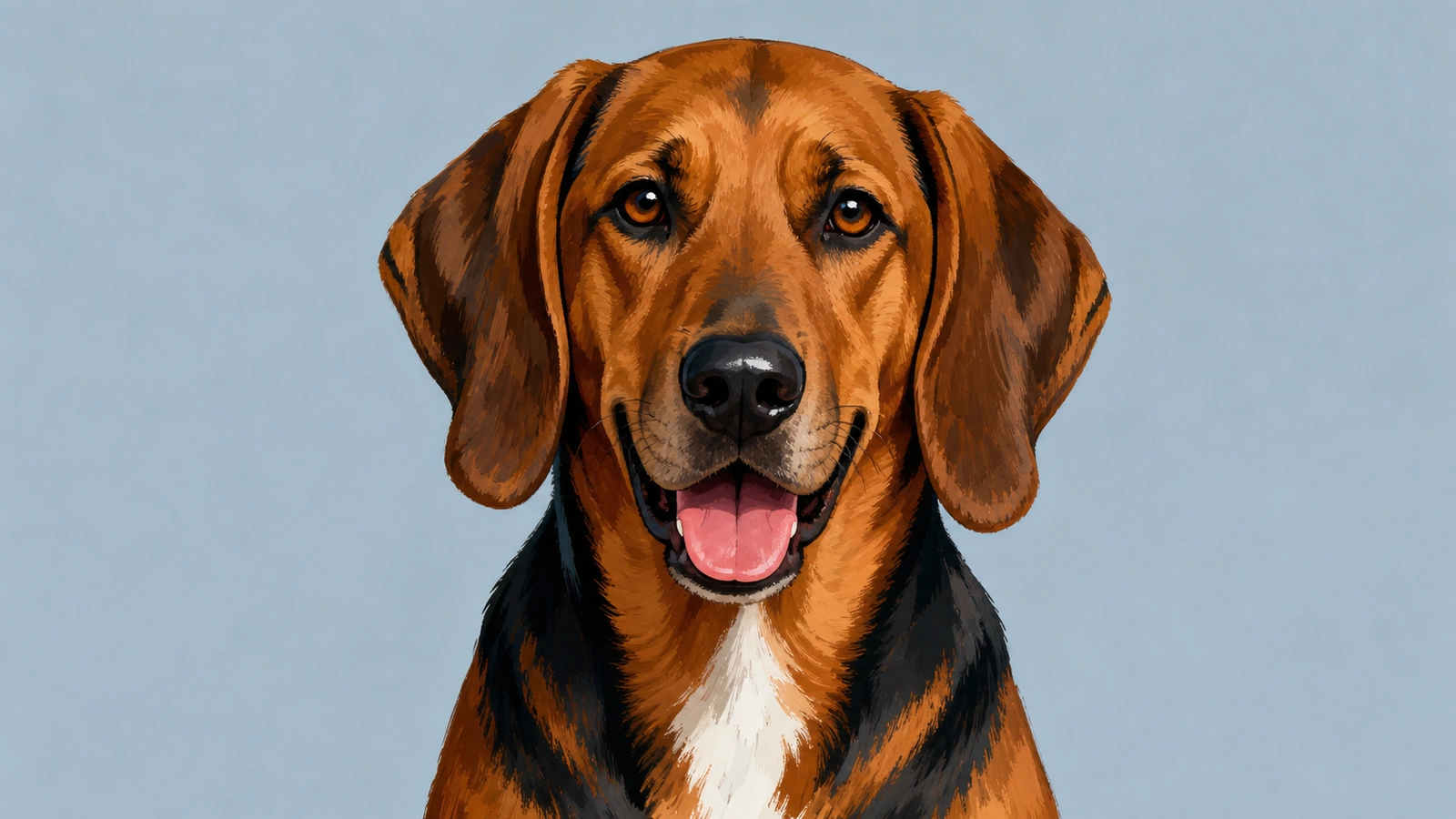
Meet the Tyrolean Hound: a loyal Austrian explorer! This hardworking, spirited hound is the perfect companion for families who love the outdoors.

BREED GROUP

Hound Dogs

Country of origin

Austria

BREED SIZE

Medium

BREED HEIGHT

17 -

20 IN

43 -

51 cm

BREED WEIGHT

35 -

60 LB

16 -

27 KG

WHAT YOU NEED TO KNOW

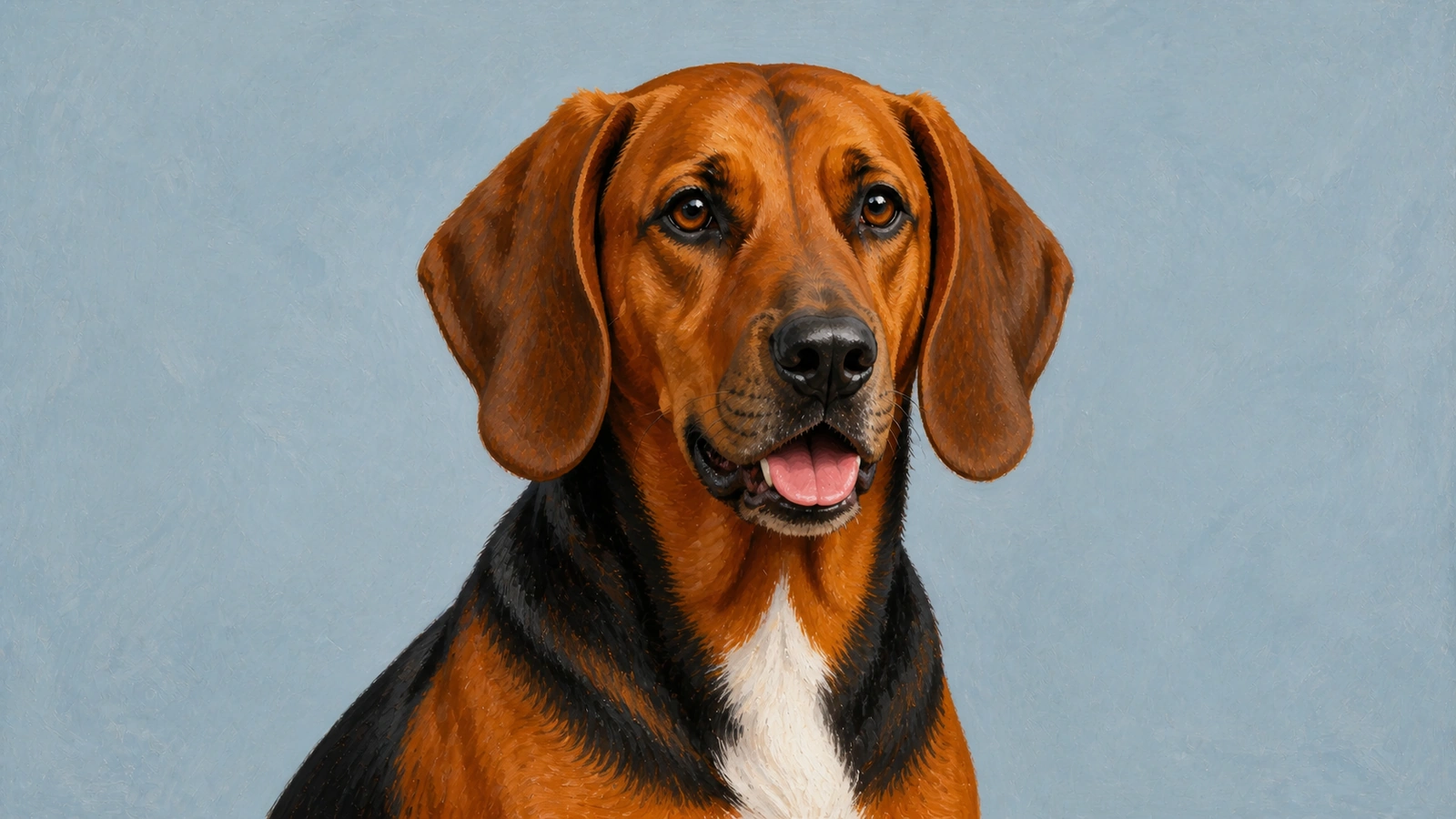
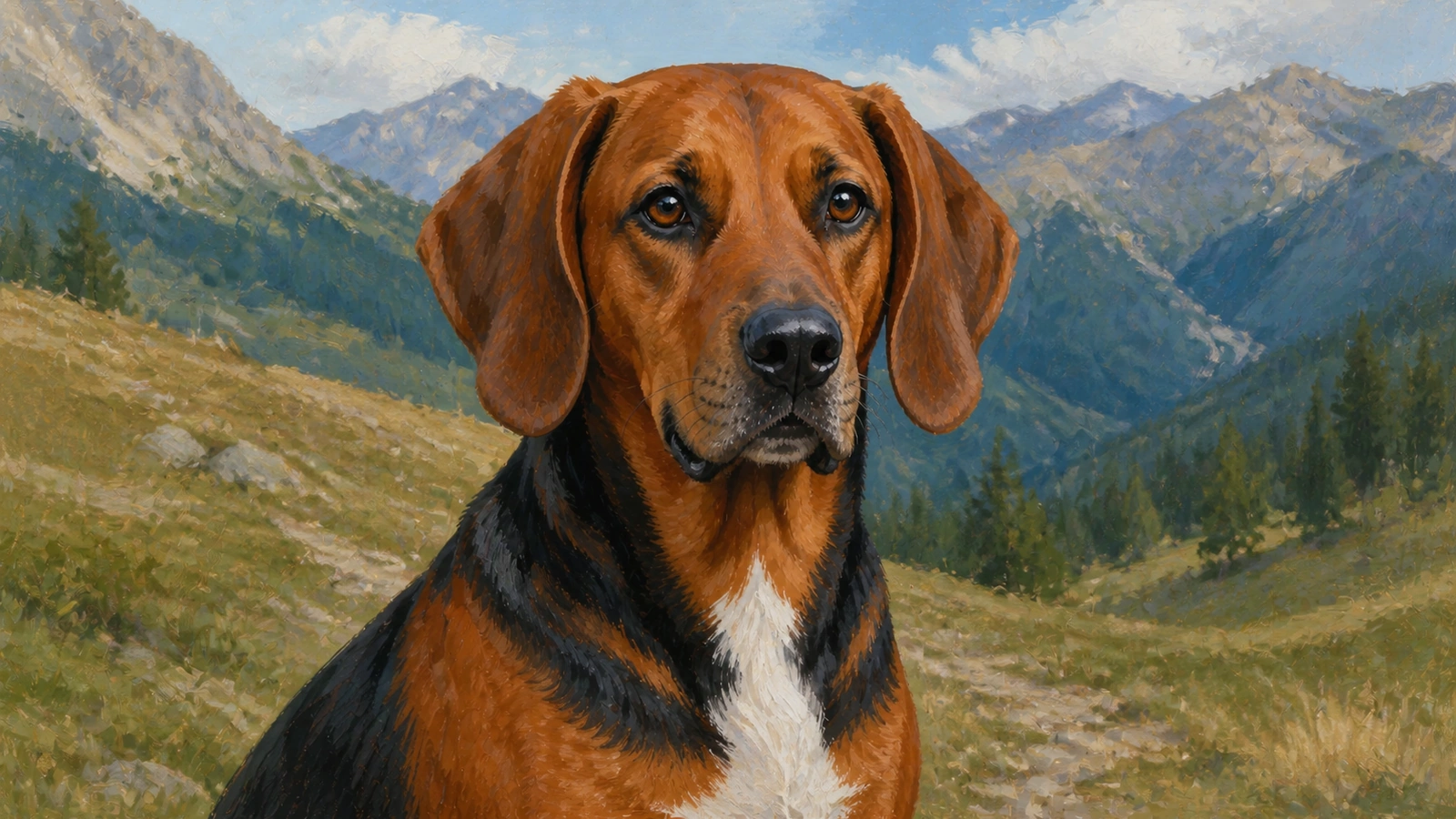
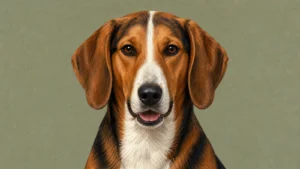
The Tyrolean Hound is an Austrian scent hound bred for hunting in mountainous terrain. Known for their intelligence and independent spirit, these medium-sized dogs are hardworking, passionate, and loyal companions. They possess a thick double coat, making them adaptable to both hot and cold weather. While generally healthy with a lifespan of 12-14 years, owners should monitor for hip dysplasia and ear infections. Their high energy levels require significant exercise and outdoor space, making them ideal for active families. Their alert nature and loud bark also make them excellent watchdogs.
american kennel club (AKC) recognition

No

Breed was recognized in 0.

International Canine Federation (FCI) recognition

Yes

Breed was recognized in 1954.
WHAT DO OWNERS WANT TO KNOW?

Are Tyrolean Hounds good family dogs?

Above Average

6 out of 10

Tyrolean Hounds make excellent family dogs for active households, as they are loyal, affectionate, and well-behaved companions in the home. Their high energy levels and need for significant exercise make them ideal for families who enjoy outdoor activities and have access to open space. While they are friendly with their families, they also serve as effective watchdogs due to their alert nature and loud bark.

Average

6 out of 10

Tyrolean Hounds are generally good with children, known for being relaxed, easy-going, and patient companions in a home setting. While they are affectionate and loyal to their families, early socialization and proper training are recommended to ensure they remain gentle and well-behaved around kids, especially given their history as energetic hunters. Supervision is always advised during playtime to maintain a safe environment for both the dog and the children.

Tyrolean Hounds are generally not recommended for first-time owners due to their independent nature and high exercise requirements.

6 out of 10

Wetterhouns are generally not recommended for first-time owners due to their independent, strong-willed nature and high exercise requirements. While they are loyal and patient companions, their stubbornness and sensitivity require a patient, experienced owner who can provide consistent, positive training and structured socialization from an early age. Novice owners may find it challenging to manage their protective instincts and intense prey drive without prior experience in handling working or guardian breeds.

Good

6 out of 10

Tyrolean Hounds are not recommended for apartment life as they are active working dogs that thrive in rural settings.

Rarely Needed

9 out of 10

A large, secure yard is highly recommended for Tyrolean Hounds to accommodate their high energy and need for space.

Very Good

8 out of 10

Tyrolean Hounds are independent but require significant mental and physical stimulation to prevent boredom when left alone.

Excellent

9 out of 10

Tyrolean Hounds generally have a strong hunting instinct that can make them less compatible with cats, as they may view smaller animals as prey. However, they can learn to coexist peacefully if they are socialized with cats from a very young age and receive consistent training to manage their prey drive. Owners should remain vigilant and supervise interactions to ensure the safety of both pets.

Calm

8 out of 10

Tyrolean Hounds are naturally calm and well-behaved companions that are rarely, if ever, aggressive toward people. While they can be aloof with strangers and may bark to alert their owners, they lack the temperament for guard work. Early socialization and consistent training are recommended to manage their strong prey drive and help them adapt to life with other dogs.

Mellow

4 out of 10

Tyrolean Hounds are high-energy working dogs that require significant daily exercise and mental stimulation to stay healthy and happy. They thrive on outdoor activities like hiking and tracking, though they are known to be calm and affectionate companions indoors when their physical needs are properly met.

1-2 hours a day

2 out of 10

Tyrolean Hounds require 1 to 2 hours of daily exercise, including long walks and tracking games, to stay healthy.

Very Poor

2 out of 10

Tyrolean Hounds are considered to be highly adaptable to various climates, including hot weather, due to their thick double coats and history of working in rugged terrain. Austrian hunters respect the breed for its ability to hunt effectively in the heat, though owners should still provide ample shade and fresh water during peak temperatures. As a robust working breed, they handle environmental changes better than many other similar-sized hounds.

Very Poor

2 out of 10

Tyrolean Hounds are considered to be highly adaptable to various climates, including hot weather, due to their thick double coats and history of working in rugged terrain. Austrian hunters respect the breed for its ability to hunt effectively in the heat, though owners should still provide ample shade and fresh water during peak temperatures. As a robust working breed, they handle environmental changes better than many other similar-sized hounds.

Moderate Risk

6 out of 10

Tyrolean Hounds face a moderate risk of being restricted in rentals, largely due to their high energy requirements and tendency to bark loudly. While they are medium-sized and not typically considered aggressive, their need for significant daily exercise and alert nature may conflict with strict apartment rules. Always check specific landlord policies regarding noise and activity levels to ensure this active breed is permitted.

WHAT DO OWNERS WANT TO KNOW?


Photo
Reviewed by
Dr. Vojtech Gabriel
DVM · PhD · MBA
Veterinarian Researcher Dog breed specialist
Verified

"The Tyrolean Hound is a hardy and robust breed, but potential owners must still prioritize proactive health monitoring. As a veterinarian, I recommend regular screening for hip dysplasia, which can impact their mobility in rugged terrain. Their pendant ears are prone to trapping moisture and debris, making routine ear cleanings essential to prevent chronic infections. While generally healthy, their high activity levels can lead to field injuries or joint strain, so maintaining a lean weight and providing consistent, low-impact exercise during development is critical. Early socialization and structured training are also vital to manage their independent nature and ensure a well-adjusted companion."
Other Hound Dogs