Skip to content

Pitsky - MAIN HUB

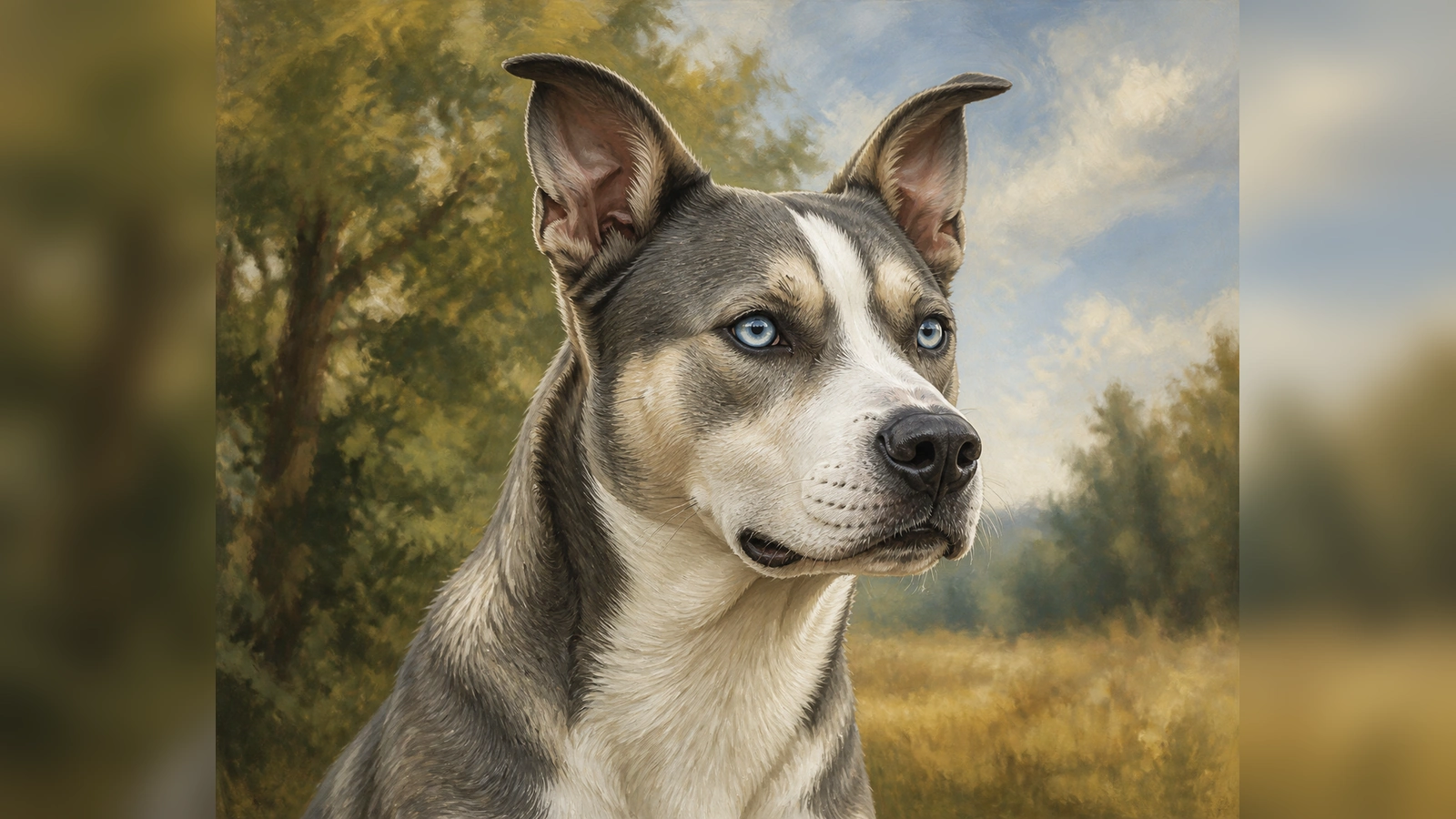
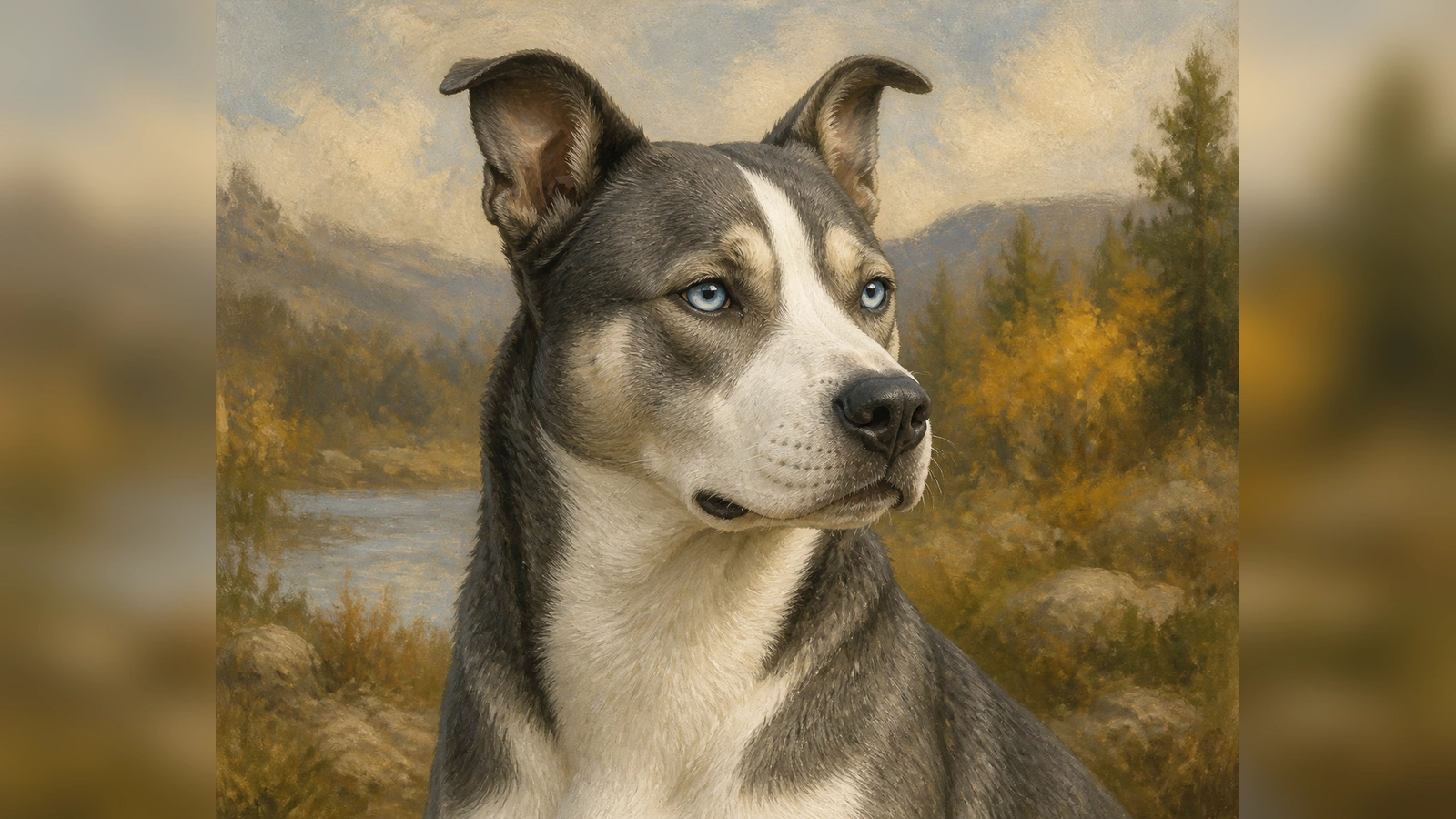
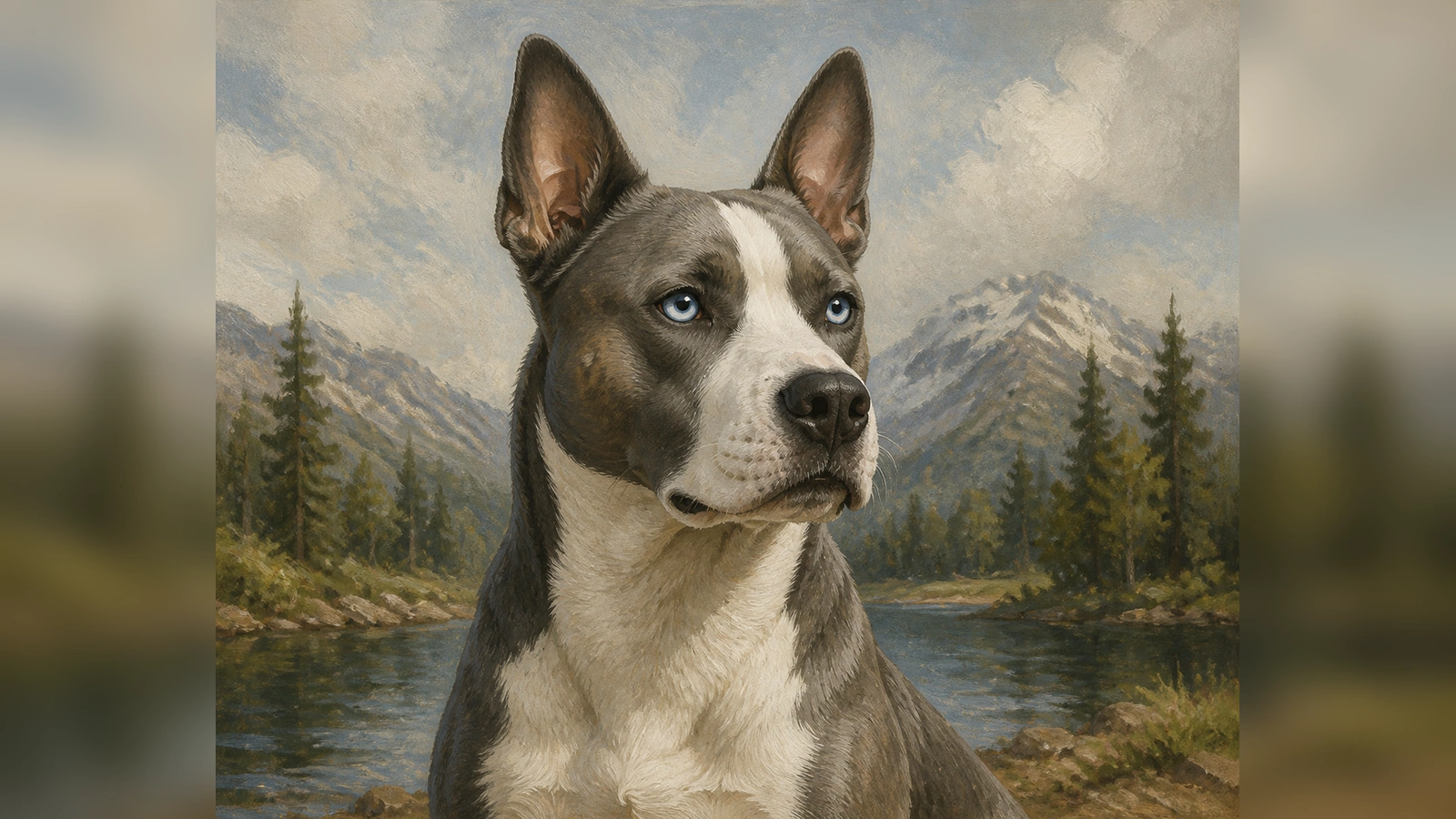
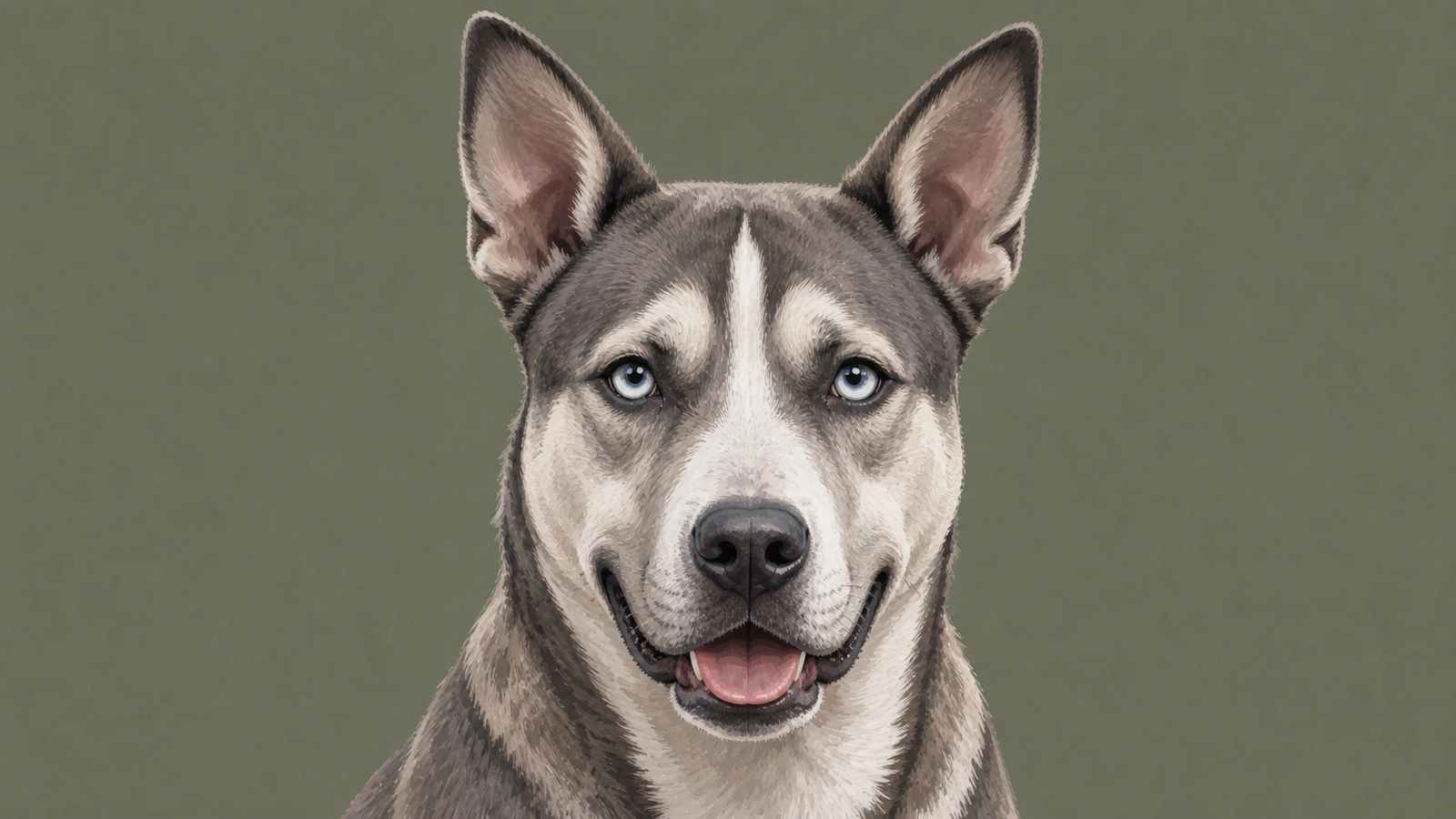
Meet the Pitsky: a loyal, high-energy athlete who loves adventure! This smart, affectionate hybrid is the perfect partner for an active lifestyle.

BREED GROUP

Hybrid Dogs

Country of origin

United States

BREED SIZE

Large

BREED HEIGHT

16 -

25 IN

41 -

64 cm

BREED WEIGHT

30 -

150 LB

14 -

68 KG

WHAT YOU NEED TO KNOW

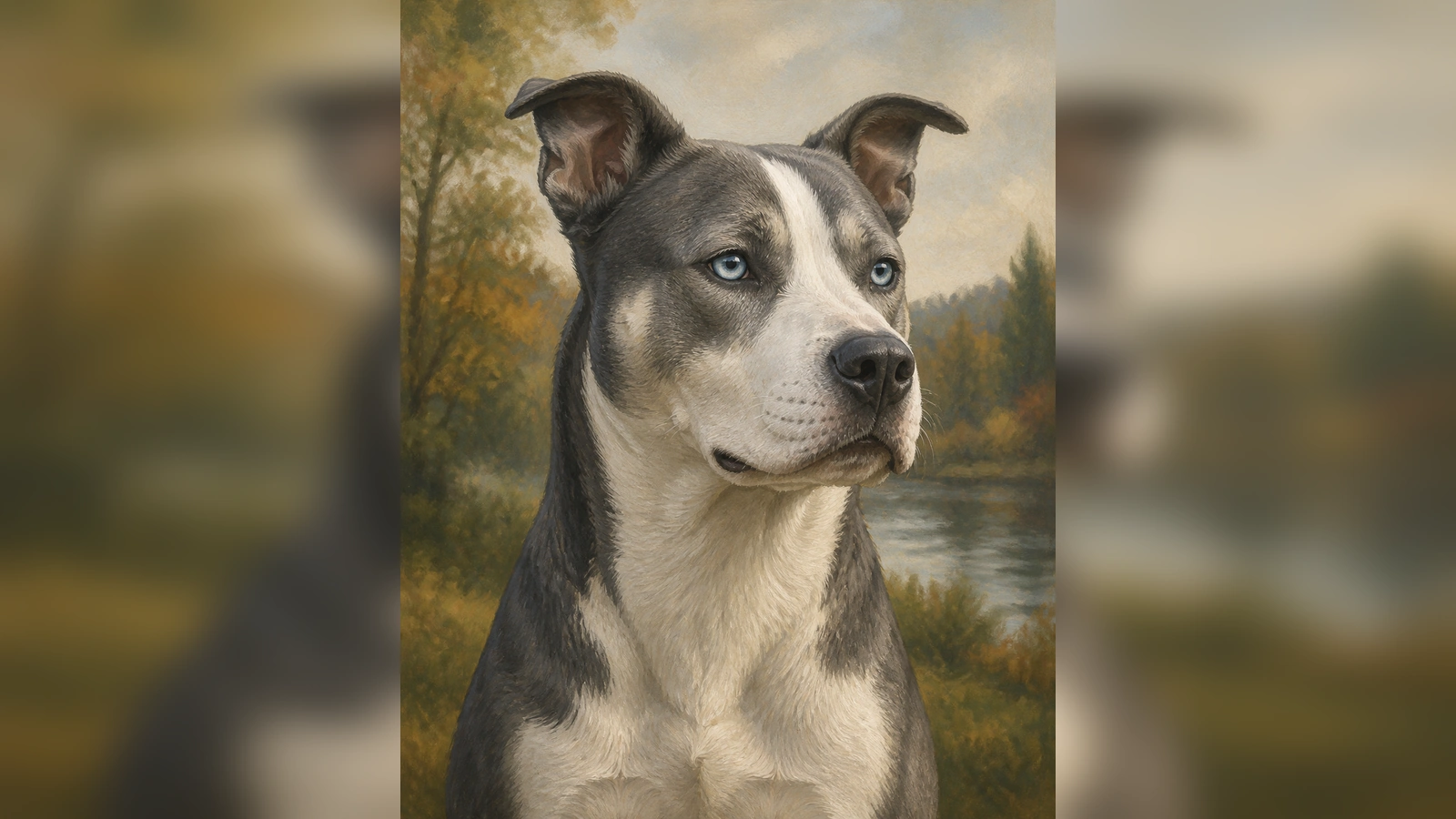
The Pitsky is a high-energy crossbreed between an American Pit Bull Terrier and a Siberian or Alaskan Husky. This athletic hybrid is known for its intense loyalty, intelligence, and affectionate nature toward family. Owners should expect significant exercise requirements, often needing two hours of daily activity to prevent destructive behaviors. Due to their Husky heritage, they can be vocal and may possess a strong prey drive or independent streak, making them best suited for experienced, active owners. While generally healthy, potential health concerns include hip dysplasia, hypothyroidism, and various eye or skin conditions.
american kennel club (AKC) recognition

No

Breed was recognized in 0.

International Canine Federation (FCI) recognition

No

Breed was recognized in 0.
WHAT DO OWNERS WANT TO KNOW?

Are Pitskies good family dogs?

Excellent

3 out of 10

The Pitsky is an affectionate and intensely loyal hybrid that can make a fantastic companion for active families with older children. However, due to their high energy levels and significant exercise needs, they are best suited for experienced owners who can provide consistent training and at least two hours of daily activity.

Fair

3 out of 10

Pitskies are affectionate and intensely loyal dogs that can be good companions for children, particularly in active households with older kids. Their high energy and enthusiastic play style may be overwhelming for toddlers, so consistent training and early socialization are vital. As with all high-drive breeds, close supervision is necessary to maintain a safe and positive environment.

Fair

3 out of 10

Pitskies can be suitable for first-time owners who are prepared for their high energy levels and significant exercise needs. While they are affectionate and loyal, their potential for stubbornness and vocalization means they require consistent training and a commitment of at least two hours of daily activity. Prospective owners should be aware of their tendency for separation anxiety and ensure they have the time to provide the necessary mental and physical stimulation to prevent destructive behaviors.

Poor

2 out of 10

Pitskies can adapt to apartment living if their significant physical and mental needs are met, though they are generally better suited for larger homes with yards. Due to their high energy and Husky heritage, they require at least two hours of daily exercise to prevent destructive behaviors and howling. Owners must prioritize consistent training and socialization to manage their vocal nature and high activity levels within a compact living space.

Rarely Needed

9 out of 10

A fenced yard is highly recommended for a Pitsky to safely manage their high energy levels and natural tendency to wander. While they are athletic and thrive with a secure outdoor space for free play, their significant exercise needs—often requiring two hours of daily activity—can be met through dedicated walks and runs if a yard is unavailable. Giving them a safe area to burn off steam helps prevent the destructive behaviors and vocalizing that can stem from boredom.

Good

7 out of 10

Pitskies can typically manage being left alone for moderate periods due to their independent nature. However, because they are deeply devoted to their families and possess high energy levels, they are prone to separation anxiety and destructive behaviors if isolated for too long. Providing vigorous physical exercise and mental stimulation before leaving them is essential to ensure they remain calm and well-behaved while alone.

Average

5 out of 10

Pitskies generally coexist well with cats, especially when raised together from a young age. While their Husky heritage can trigger a strong prey drive and a desire to chase, their Pit Bull side often shows love and endearment to other family pets. Early socialization, consistent training, and gradual, supervised introductions are essential to managing their instincts and ensuring a harmonious multi-pet household.

Easygoing

7 out of 10

Pitskies are not inherently aggressive; they are typically friendly, loyal, and affectionate companions that bond deeply with their families. While they are generally easygoing with people, they can inherit the protective instincts of the Pit Bull or the high prey drive of the Husky, which may lead to chasing smaller animals. Early socialization and consistent positive reinforcement training are essential to manage their strength and ensure their natural energy is channeled into well-behaved, stable behavior.

Active

6 out of 10

Pitskies are exceptionally high-energy athletes that require significant daily physical and mental stimulation to thrive. Inheriting the endurance of the Husky and the strength of the Pit Bull, they are best suited for active owners who can provide vigorous activities like hiking, running, or dog sports. Without at least two hours of daily exercise, these intelligent hybrids can become bored, vocal, and prone to destructive behaviors.

90-120+ min a day

2 out of 10

Pitskies are high-energy athletes that require a significant amount of daily exercise to stay healthy and prevent destructive behaviors. Owners should provide at least 90 minutes to two hours of vigorous activity, such as running, hiking, or agility training. Because they inherit the stamina of both the Husky and Pit Bull, they benefit from structured tasks like carrying items in a dog backpack to help burn off their intense energy. Feeding them with puzzle toys and providing consistent obedience training are also essential to satisfy their high intelligence and working-dog mindset.

Very Poor

2 out of 10

Pitskies have a very poor tolerance for hot weather due to their mixed heritage from the Siberian Husky and Pit Bull. Their Husky lineage often results in a thick double coat that traps heat, while their Pit Bull side can contribute to shorter snouts that make cooling down through panting less efficient. Owners must be extremely cautious, providing constant access to air conditioning and fresh water while restricting exercise to the coolest parts of the day to prevent life-threatening heatstroke.

Very Poor

2 out of 10

Pitskies have a very poor tolerance for hot weather due to their mixed heritage from the Siberian Husky and Pit Bull. Their Husky lineage often results in a thick double coat that traps heat, while their Pit Bull side can contribute to shorter snouts that make cooling down through panting less efficient. Owners must be extremely cautious, providing constant access to air conditioning and fresh water while restricting exercise to the coolest parts of the day to prevent life-threatening heatstroke.

Low Risk

7 out of 10

Pitskies are generally considered low risk for breed bans as they are often categorized as mixed breeds rather than purebreds. However, because they are a cross with the American Pit Bull Terrier, they may still be subject to "pit bull type" restrictions in buildings with strict breed-specific policies. Owners should always verify individual landlord rules regarding hybrids and check if the dog's size aligns with specific property weight limits.

WHAT DO OWNERS WANT TO KNOW?


Photo
Reviewed by
Dr. Vojtech Gabriel
DVM · PhD · MBA
Veterinarian Researcher Dog breed specialist
Verified

"Pitskies are robust and athletic, but owners should monitor for hip dysplasia, allergies, and hypothyroidism. Regular checkups are recommended."
Other Hybrid Dogs