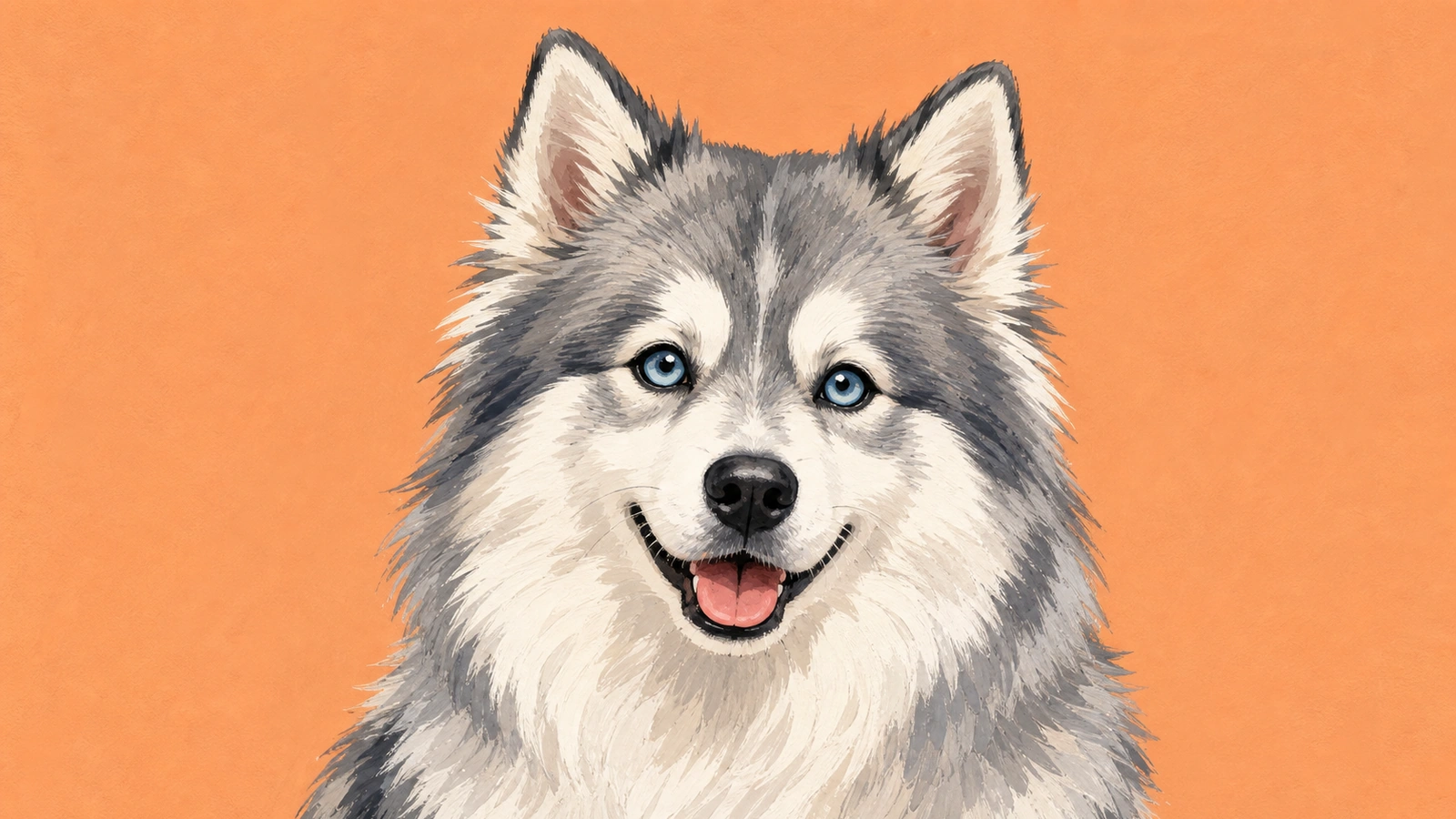
Pomsky - MAIN HUB
BREED GROUP
Hybrid Dogs
Country of origin
United States
BREED SIZE
Small
BREED HEIGHT
10 -
15 IN
25 -
38 cm
BREED WEIGHT
7 -
38 LB
3 -
17 KG
WHAT YOU NEED TO KNOW
american kennel club (AKC) recognition
No
Breed was recognized in 0.

International Canine Federation (FCI) recognition
No
Breed was recognized in 0.
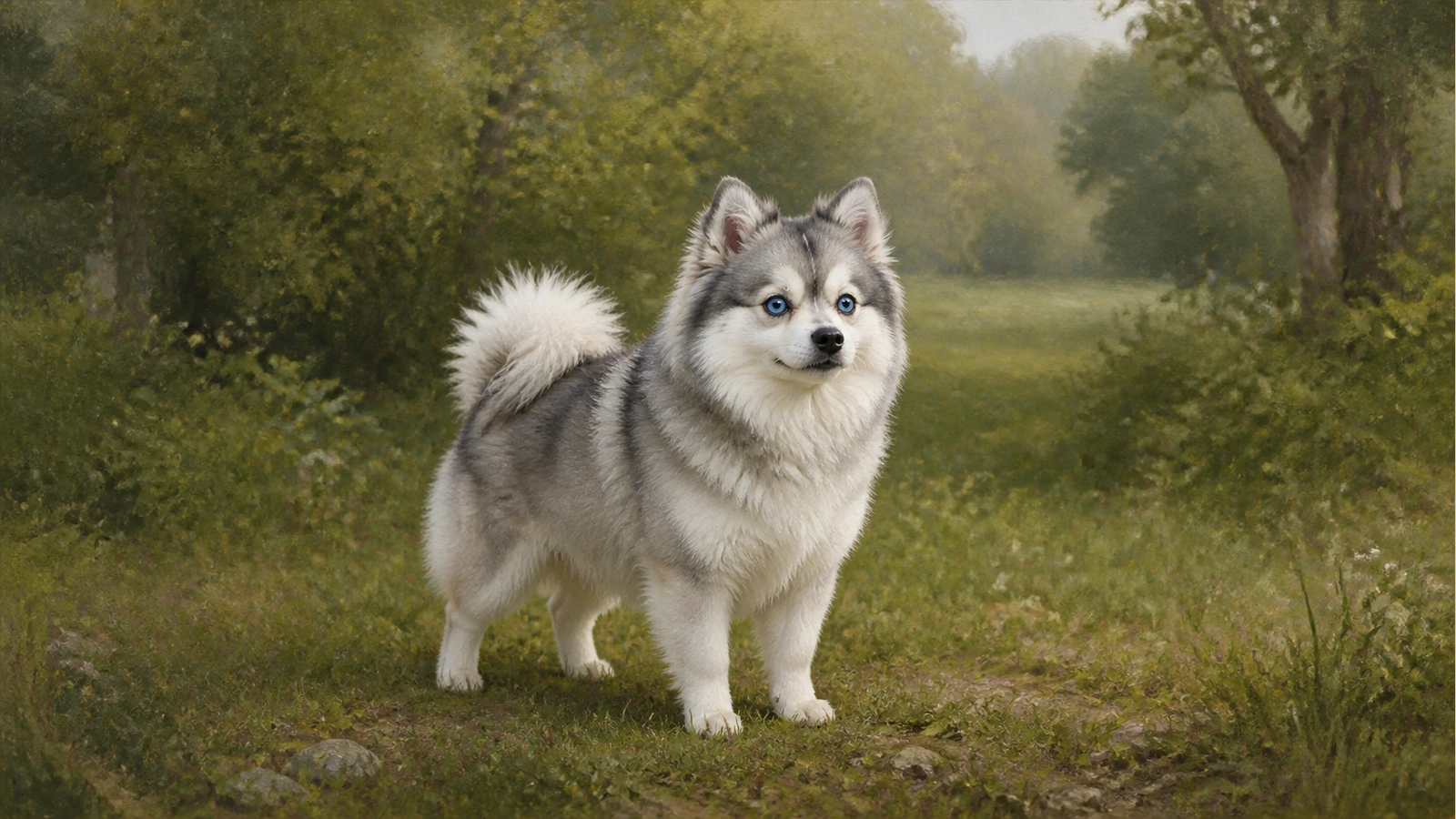
WHAT DO OWNERS WANT TO KNOW?
Are Pomskies good family dogs?
Poor
2 out of 10
The Pomsky can be a good family dog for active households that can provide the consistent training and mental stimulation this spirited breed requires. While their intelligence and playful nature make them engaging companions, potential owners should be prepared for their vocal tendencies and significant grooming needs.

Are Pomskies good with kids?
Not Recommended
2 out of 10
Pomskies are generally gentle and playful, making them fun companions for children, but they are typically recommended for families with older kids. Due to their high energy and sometimes nippy play style, they can be skittish or on edge around very young children and may nip if they feel mishandled. Consistent socialization and supervised interactions are essential to ensure safety and help the breed become comfortable around younger family members.
Are Pomskies good dogs for first time owners?
Poor
2 out of 10
Pomskies are generally not recommended for first-time owners due to their high energy, vocal nature, and stubborn streak. Inheriting the intelligence of a Husky and the protective instincts of a Pomeranian, they require an experienced leader who can provide consistent training and significant mental stimulation. Novices may find their grooming needs and potential for separation anxiety overwhelming, making them better suited for those familiar with challenging breeds.
Are Pomskies good apartment dogs?
Fair
4 out of 10
Pomskies are great apartment dogs due to their small-to-medium size and adaptable nature. While they are energetic and require regular exercise like daily walks and mental stimulation to prevent boredom, their manageable stature makes them well-suited for smaller living spaces. Owners should be mindful of their vocal tendencies, as they can be talkative or prone to barking, which may require consistent training to ensure they remain polite neighbors.
Do Pomskies need a yard?
Below Average
6 out of 10
A yard is not strictly required for a Pomsky, as their small-to-medium size makes them well-suited for apartment living. While a fenced yard is a bonus for off-leash play, their exercise needs can be fully met through daily walks, indoor play, and mental stimulation. Owners without a yard must commit to regular outdoor activity and interactive games to ensure this energetic and intelligent breed remains healthy and happy.
Can Pomskies be left at home alone?
Not Recommended
7 out of 10
Pomskies can typically handle being left alone for moderate periods, but they are social animals that may struggle with separation anxiety or excessive vocalization if left for too long. They thrive best with consistent mental stimulation and a reliable routine to help them remain calm while their owners are away.
Do Pomskies tolerate cats well?
Below Average
3 out of 10
Pomskies can live with cats but may be challenging due to their high prey drive and persistent energy levels. They often attempt to chase or herd cats, which can lead to conflict if not managed. While they can form bonds if raised together, consistent training and providing the cat with a safe retreat are essential for a peaceful home.
Are Pomskies known to be aggressive?
Easygoing
7 out of 10
Pomskies are generally friendly and playful companions that are not naturally aggressive. While they possess a spirited and sometimes stubborn nature inherited from their parent breeds, any signs of aggression typically arise from discomfort or a lack of early socialization. With consistent positive reinforcement training and exposure to various environments during puppyhood, they grow into well-adjusted and affectionate family pets.
Do Pomskies have a lot of energy?
Active
6 out of 10
Pomskies are active, high-energy dogs that require significant daily physical and mental stimulation to stay happy and prevent destructive behaviors. Blending the athletic nature of a Siberian Husky with the spirited personality of a Pomeranian, they thrive on activities like brisk walks, hiking, and interactive play. Without adequate outlets for their energy, such as puzzle toys or agility training, they can become bored, vocal, or mischievous.
How much exercise do Pomskies need?
~60 min a day
4 out of 10
Pomskies are active dogs that typically require 45 to 90 minutes of daily exercise to manage their high energy and prevent destructive behaviors. A combination of brisk walks, play sessions, and mental stimulation like puzzle toys or obedience training is ideal. Because of their Husky heritage, they thrive on vigorous activities such as hiking or running, but owners should tailor the intensity to the individual dog's size and age.
Do Pomskies tolerate hot weather well?
Great
8 out of 10
Pomskies generally tolerate warm weather well, but they can be sensitive to heat due to their thick double coats. Owners should provide constant access to shade and fresh water while avoiding strenuous exercise during peak sun hours. Because their heat tolerance can vary based on whether they inherit more Siberian Husky or Pomeranian traits, it is important to monitor for signs of overheating and schedule activities for the cooler parts of the day.
Are Pomskies good with cold weather?
Great
8 out of 10
Pomskies generally tolerate warm weather well, but they can be sensitive to heat due to their thick double coats. Owners should provide constant access to shade and fresh water while avoiding strenuous exercise during peak sun hours. Because their heat tolerance can vary based on whether they inherit more Siberian Husky or Pomeranian traits, it is important to monitor for signs of overheating and schedule activities for the cooler parts of the day.
Are Pomskies sometimes banned from rentals?
Rarely Banned
8 out of 10
Pomskies are rarely subject to breed bans, as their small-to-medium size typically falls within standard apartment weight limits. While they are generally accepted in rentals, their vocal nature and tendency to howl or bark may lead to noise complaints if not properly trained. Owners should always confirm individual landlord policies regarding designer crossbreeds and potential noise restrictions before moving in.
WHAT DO OWNERS WANT TO KNOW?