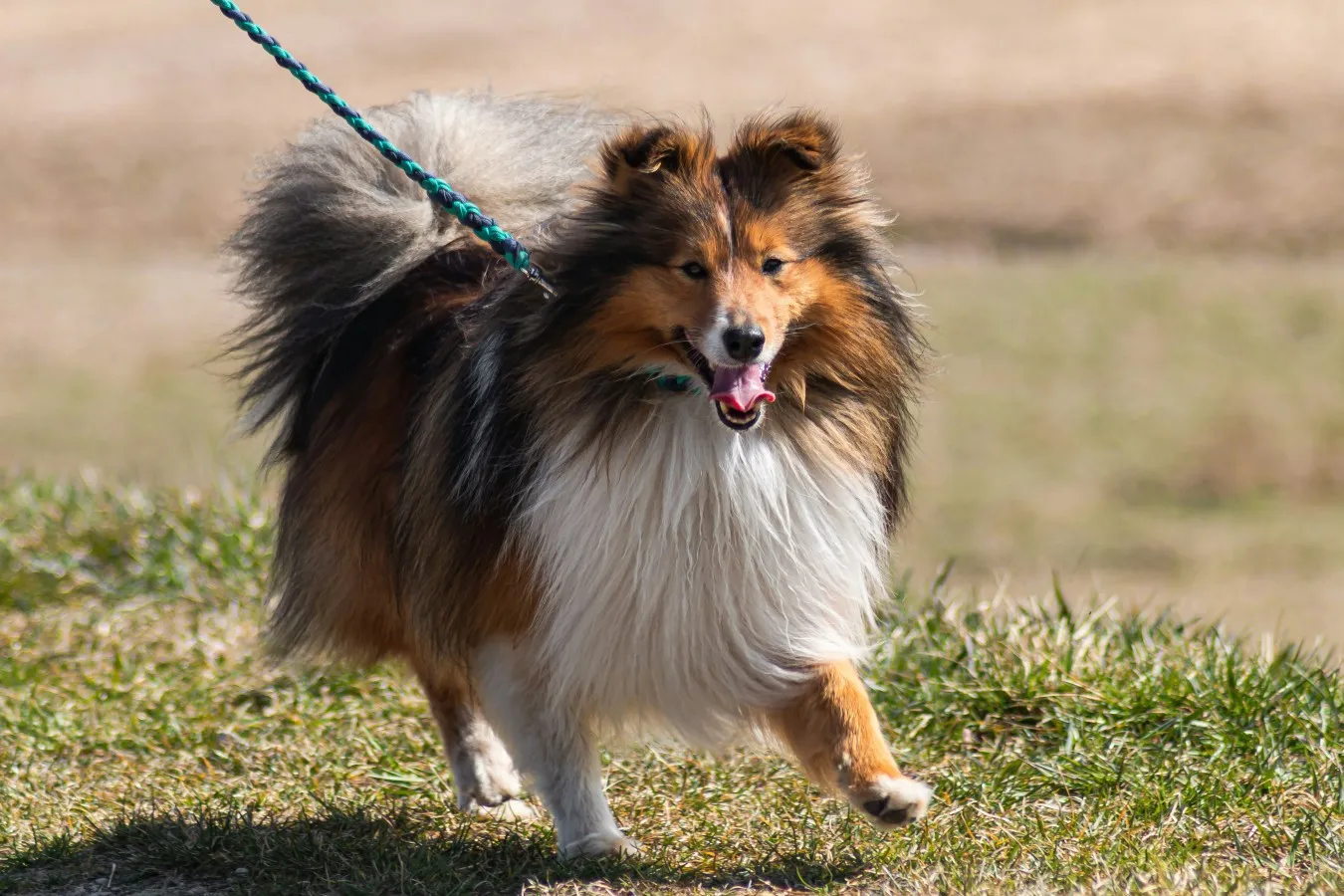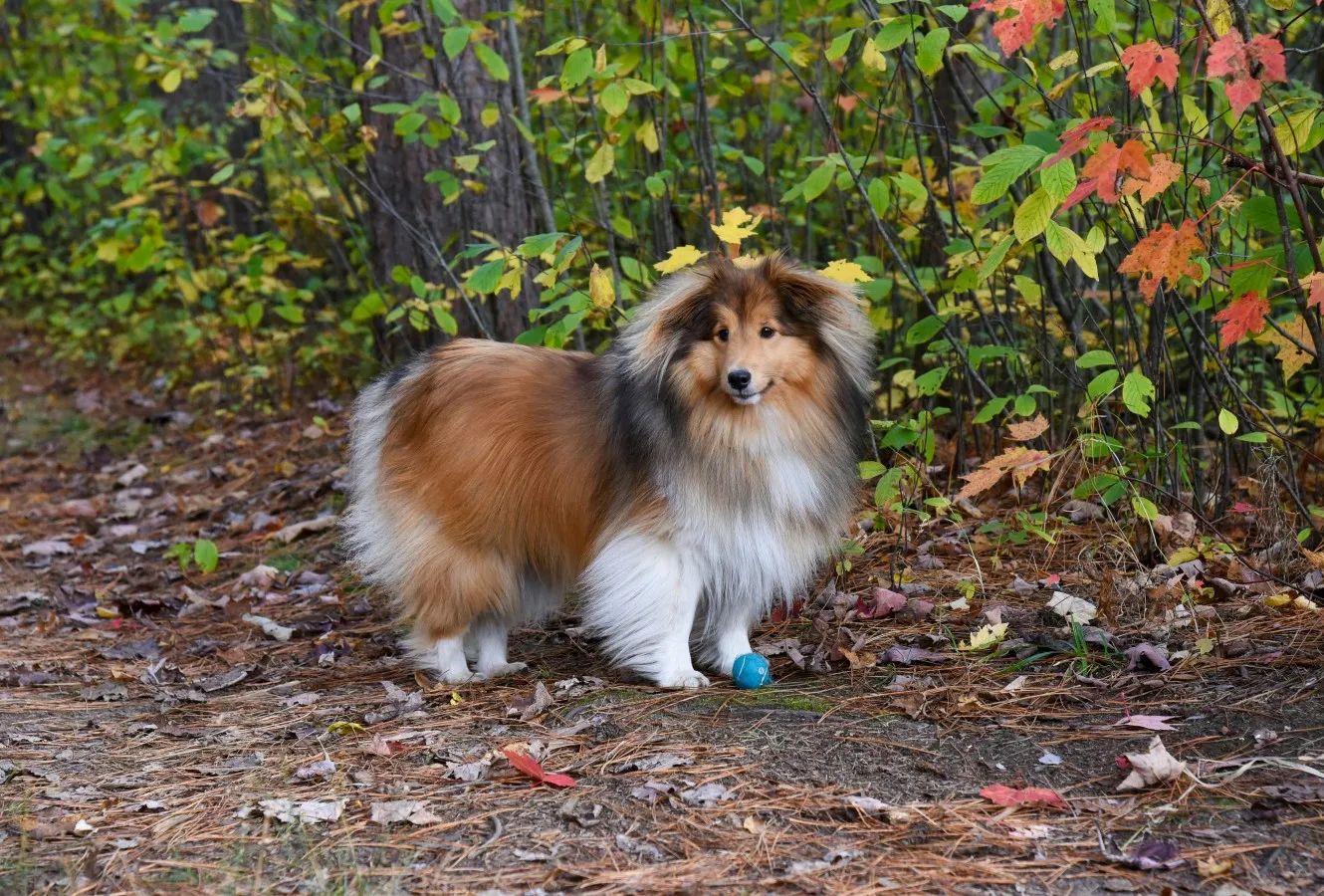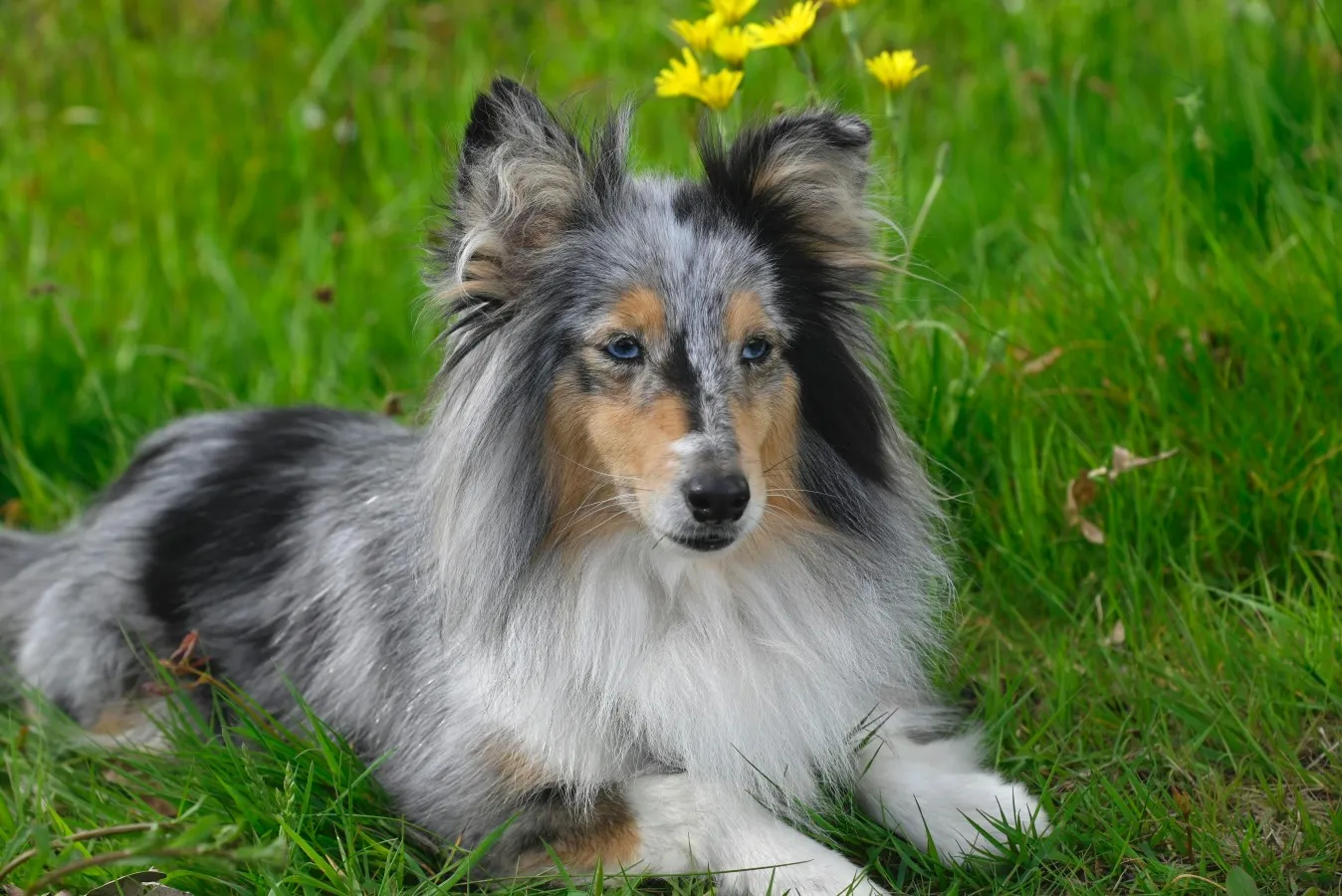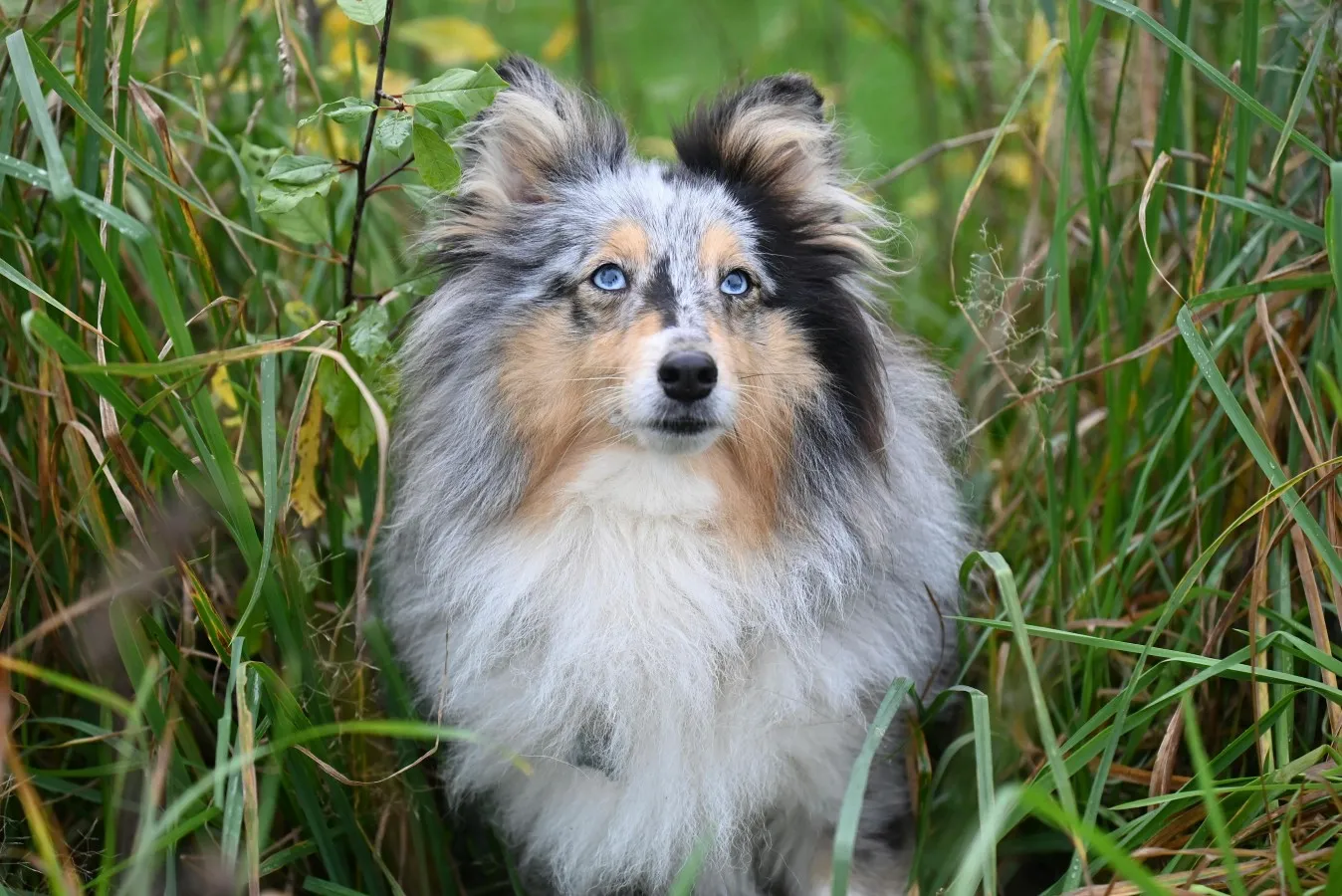
Shetland Sheepdog - MAIN HUB
BREED GROUP
Herding Dogs
Country of origin
United Kingdom
BREED SIZE
Small
BREED HEIGHT
14 -
16 IN
36 -
41 cm
BREED WEIGHT
18 -
30 LB
8 -
14 KG
WHAT YOU NEED TO KNOW
american kennel club (AKC) recognition
Yes
Breed was recognized in 1911.

International Canine Federation (FCI) recognition
Yes
Breed was recognized in 1954.

WHAT DO OWNERS WANT TO KNOW?
Are Shetland Sheepdogs good family dogs?
Excellent
10 out of 10
Shetland Sheepdogs make excellent family dogs due to their affectionate, loyal, and eager-to-please nature. Their intelligence and alert character make them great companions and watchdogs for active families willing to provide necessary exercise and grooming.
Are Shetland Sheepdogs good with kids?
Excellent
10 out of 10
Shetland Sheepdogs are generally excellent with children, known for being gentle, patient, and loyal companions with a natural affinity for kids. While their strong herding instinct may lead them to nip at heels, early socialization and consistent training ensure they remain devoted and well-behaved playmates.


Are Shetland Sheepdogs good dogs for first time owners?
Exceptional
10 out of 10
Shetland Sheepdogs are an excellent choice for first-time owners because of their high intelligence and eagerness to please, which makes them exceptionally trainable. However, novices must be prepared for their significant grooming requirements, vocal nature, and need for daily mental and physical stimulation. Their sensitive and loyal disposition makes them deeply rewarding companions for those ready to commit to their active lifestyle.
Are Shetland Sheepdogs good apartment dogs?
Very Good
7 out of 10
Shetland Sheepdogs can adapt well to apartment living provided their physical and mental exercise needs are consistently met. Their compact size and gentle indoor nature make them comfortable in smaller spaces, but owners must prioritize early training to manage their natural tendency to bark. Daily walks and interactive play are essential to keep these intelligent dogs happy and prevent boredom-induced behaviors in a confined environment.
Do Shetland Sheepdogs need a yard?
Not Required
9 out of 10
A yard is not strictly required for a Shetland Sheepdog, as they can adapt well to apartment living with dedicated owners. While a fenced yard is a bonus for their high energy and herding instincts, their needs can be met through daily walks, mental stimulation, and indoor play. Consistent activity and engagement are essential to keep these intelligent dogs happy regardless of yard access.
Can Shetland Sheepdogs be left at home alone?
Not Recommended
1 out of 10
Shetland Sheepdogs bond intensely with their families and are prone to separation anxiety if left alone for long periods. They thrive on human companionship and mental stimulation, and they can become destructive or vocal if they feel neglected. With consistent training and adequate exercise, they can learn to tolerate moderate absences, but they are best suited for households where someone is frequently present.
Do Shetland Sheepdogs tolerate cats well?
Exceptional
10 out of 10
Shetland Sheepdogs generally coexist very well with cats, as they are known for their sweet and gentle nature. While their strong herding instinct may lead them to chase or "herd" feline companions, they typically view other household pets as part of their flock. With early socialization and clear boundaries, they often form close bonds, even napping together. Providing cats with their own space and supervising initial interactions will ensure a harmonious relationship.
Are Shetland Sheepdogs known to be aggressive?
Gentle
10 out of 10
Shetland Sheepdogs are not naturally aggressive but are known for being reserved and wary of strangers, making them vocal and alert watchdogs. While they are deeply loyal and gentle with their families, their strong herding instincts may lead them to nip at the heels of children or other pets. Early socialization and consistent, positive training are essential to prevent shyness and ensure their protective nature is well-managed.
Do Shetland Sheepdogs have a lot of energy?
Very High
9 out of 10
Shetland Sheepdogs are energetic and athletic companions that require moderate-to-high levels of daily physical and mental exercise. They thrive on activities like brisk walks, fetch, and agility games to channel their herding instincts and intelligence. While active outdoors, they are adaptable and often happy to relax at home once their needs for stimulation have been met.
How much exercise do Shetland Sheepdogs need?
~90 min a day
8 out of 10
Shetland Sheepdogs require approximately one hour of daily exercise, such as brisk walks and interactive play. Incorporating mental stimulation through obedience training or agility is also essential to satisfy their high intelligence and active herding instincts.
Do Shetland Sheepdogs tolerate hot weather well?
Fair
4 out of 10
Shetland Sheepdogs have a medium tolerance for hot weather. Their thick double coat provides some insulation against heat, but they are prone to overheating if overexerted. Owners should provide ample shade and fresh water, and limit strenuous activity to the cooler early morning or late evening hours. Regular grooming is essential to maintain airflow through the coat, and they should never be shaved as it can disrupt their natural temperature regulation.
Are Shetland Sheepdogs good with cold weather?
Fair
4 out of 10
Shetland Sheepdogs have a medium tolerance for hot weather. Their thick double coat provides some insulation against heat, but they are prone to overheating if overexerted. Owners should provide ample shade and fresh water, and limit strenuous activity to the cooler early morning or late evening hours. Regular grooming is essential to maintain airflow through the coat, and they should never be shaved as it can disrupt their natural temperature regulation.
Are Shetland Sheepdogs sometimes banned from rentals?
Rarely Banned
8 out of 10
Shetland Sheepdogs are rarely included in apartment breed bans, but their vocal nature and high intelligence can lead to noise complaints if they become bored or stressed. While they typically fall within standard weight limits, always check specific landlord policies regarding vocal breeds and activity requirements before signing a lease.
WHAT DO OWNERS WANT TO KNOW?