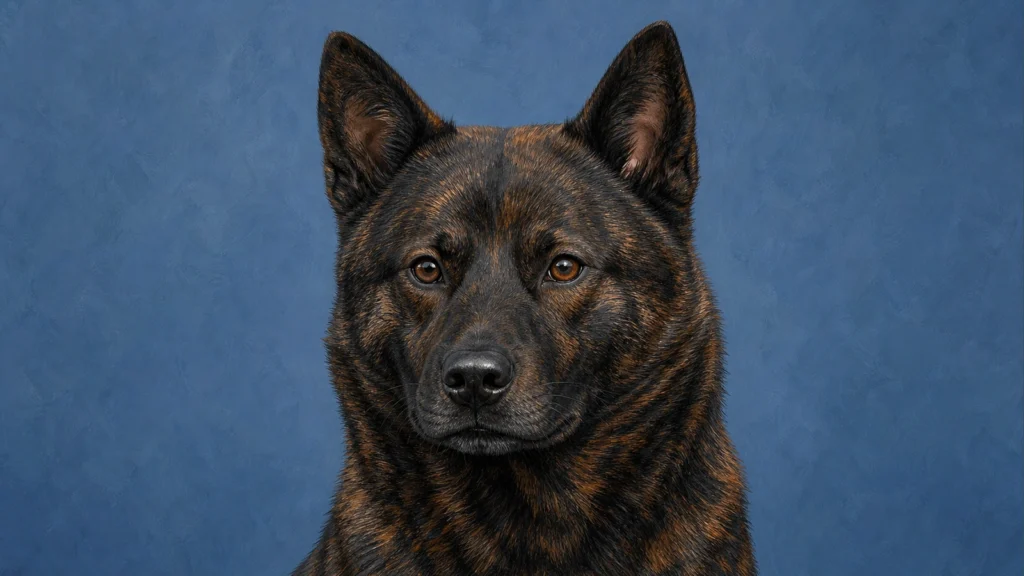
Kai Ken
Breed Group
Spitz Dogs
Country of Origin
Japan
Breed Size
Medium
AKC Recognition
No
FCI Recognition
Yes, recognized in 1964
Family dog
Excellent3 / 10
Good with kids
Excellent10 / 10
First-time owner
Below Average4 / 10
Apartment dog
Good6 / 10
Yard need
Below Average6 / 10
Can be left alone
Above Average6 / 10
What Do Owners Want to Know?
Are Kai Ken good family dogs?
Kai Kens are excellent family dogs known for their legendary loyalty and ability to form deep, lifelong bonds with their owners. Their intelligence and eagerness to please make them adaptable to various living situations, provided they receive regular physical and mental exercise.
Family dog: 3 / 10
Are Kai Ken good with kids?
Kai Ken dogs are generally good with children, known for being loyal, gentle, and protective family companions. While their natural hunting instincts and reserved nature toward strangers mean they should be supervised during play, they are typically patient and affectionate with their own family. Early socialization and teaching children how to interact safely with dogs are essential to ensure a harmonious and positive relationship.
Good with kids: 10 / 10
Are Kai Ken good for first-time owners?
Kai Kens can be challenging for first-time owners due to their independent hunting background and naturally reserved nature with strangers. While they are deeply loyal and intelligent, they require a dedicated owner who can provide consistent socialization and regular mental and physical stimulation to manage their strong-willed and vigilant personality.
First-time owner: 4 / 10
Are Kai Ken good apartment dogs?
Kai Kens are good apartment dogs due to their adaptable nature and ability to remain quiet and calm indoors. While they are medium-sized, they can thrive in smaller living spaces provided they receive regular physical and mental stimulation. Their loyalty and intelligence make them suitable companions for apartment dwellers who are committed to providing daily exercise.
Apartment dog: 6 / 10
Do Kai Ken need a yard?
A yard is not strictly required for a Kai Ken, as they are adaptable enough to live in apartments provided their physical and mental exercise needs are met through daily walks and activities. However, a securely fenced yard is highly recommended for this athletic and agile breed, offering a safe space for them to play, explore, and burn off energy off-leash without the risk of wandering.
Yard need: 6 / 10
Can Kai Ken be left alone?
Kai Kens are highly social and form deep, lifelong bonds with their families, making them prone to boredom or destructive behavior if left alone for too long. While they are more adaptable than some other Japanese breeds, they thrive best in households where they receive consistent companionship and mental stimulation throughout the day. Providing adequate exercise before departures and interactive puzzle toys can help them remain calm during moderate periods of solitude.
Can be left alone: 6 / 10
Are Kai Ken good with cats?
Kai Kens generally coexist peacefully with cats, especially when raised together from a young age. While their hunting background can trigger a chase instinct, their intelligence and social nature often lead to harmonious relationships. Owners should provide slow introductions and supervised interactions to ensure a safe and positive environment for both pets.
Good with cats: 8 / 10
Are Kai Ken aggressive?
Kai Kens are not naturally aggressive but possess a strong-willed and vigilant nature. While they are deeply loyal and affectionate with their families, they are naturally reserved with strangers and serve as alert watchdogs. Proper early socialization and consistent training are essential to ensure their protective instincts remain manageable and do not develop into unnecessary wariness or territorial aggression.
Aggression tendency: 6 / 10
Are Kai Ken high-energy dogs?
Kai Kens generally have mellow energy levels and are known for being quiet and adaptable indoors. While they possess an athletic background as mountain hunters, they are content with moderate daily activity, typically requiring around 45 minutes of exercise. This balanced temperament makes them excellent companions for those seeking a loyal dog that is calm at home but ready for outdoor adventure.
Energy level: 4 / 10
How much exercise does a Kai Ken need?
Kai Kens require moderate daily exercise, typically around 45 minutes, to satisfy their agile and athletic nature as former mountain hunters. A mix of brisk walks, hiking, and mental stimulation through training or interactive play is essential to keep them healthy and engaged. Providing consistent physical activity helps these intelligent companions remain calm and well-behaved indoors.
Exercise need: 5 / 10
Can Kai Ken live in hot weather?
Kai Kens can adapt to warmer climates due to their insulating double coat, but they generally prefer cooler temperatures. Owners should provide plenty of shade and fresh water, and limit strenuous exercise to the cooler parts of the day. Because they are prone to heat exhaustion, they should be monitored closely and given access to indoor cooling or activities like swimming during hot weather.
Hot weather tolerance: 3 / 10
Can Kai Ken live in cold weather?
Kai Kens are moderately well-suited for cold weather thanks to their dense, water-resistant double coats, which provide natural insulation against chilly temperatures. Originally bred for the mountainous regions of Japan, they can handle brisk conditions but may require extra protection like a sweater or limited outdoor time when temperatures drop below freezing. Owners should monitor for signs of discomfort during extreme winter weather to prevent hypothermia or frostbite.
Cold weather tolerance: 4 / 10
Are Kai Ken banned in apartments or rentals?
Kai Kens are often considered a moderate risk for apartment breed bans due to their medium size and heritage as Japanese hunting dogs. While they are not commonly listed on standard aggressive breed registries, their rare status means they may be subject to individual landlord scrutiny or general weight and noise restrictions. Potential owners should provide training certifications and references to demonstrate their dog's calm, adaptable nature when applying for rentals.
Rental restriction risk: 6 / 10
Vet Insights
Kai Kens are a rare and generally healthy breed, but they are predisposed to several hereditary conditions that require proactive screening. As a veterinarian, I prioritize monitoring for orthopedic issues such as luxating patella, hip dysplasia, and elbow dysplasia, which can lead to lameness and arthritis. The breed is also prone to eye conditions, specifically Progressive Retinal Atrophy (PRA-prcd and PRA-cord1), which can result in vision loss. Other noted concerns include allergies, seizures, autoimmune thyroiditis, and transitional vertebrae. I strongly recommend that prospective owners ensure parent dogs have received OFA certifications for hips, patellas, and thyroid, along with annual ACVO eye exams to maintain the health and longevity of this ancient Japanese treasure.