Skip to content

American Akita - MAIN HUB

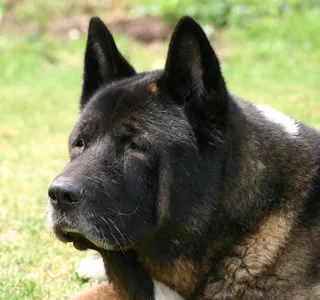
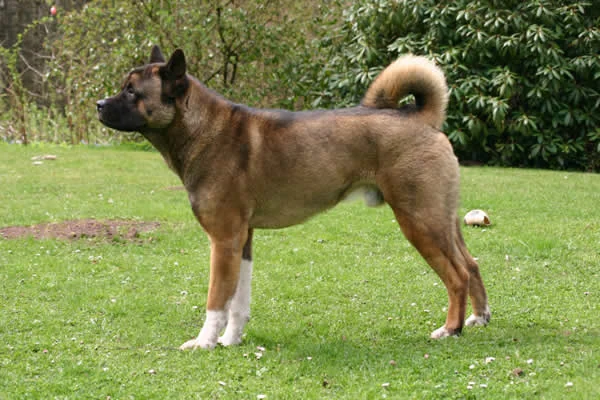
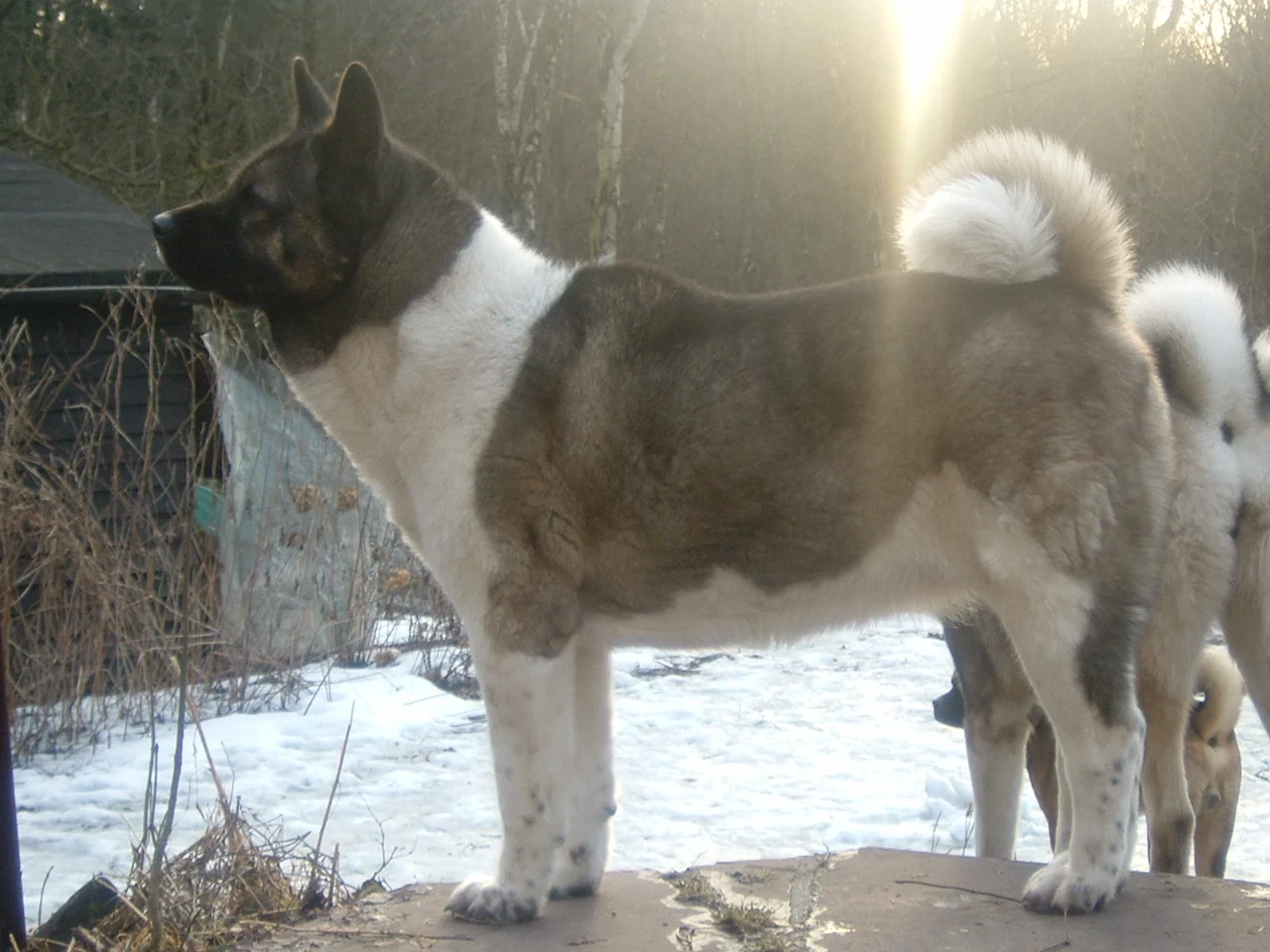
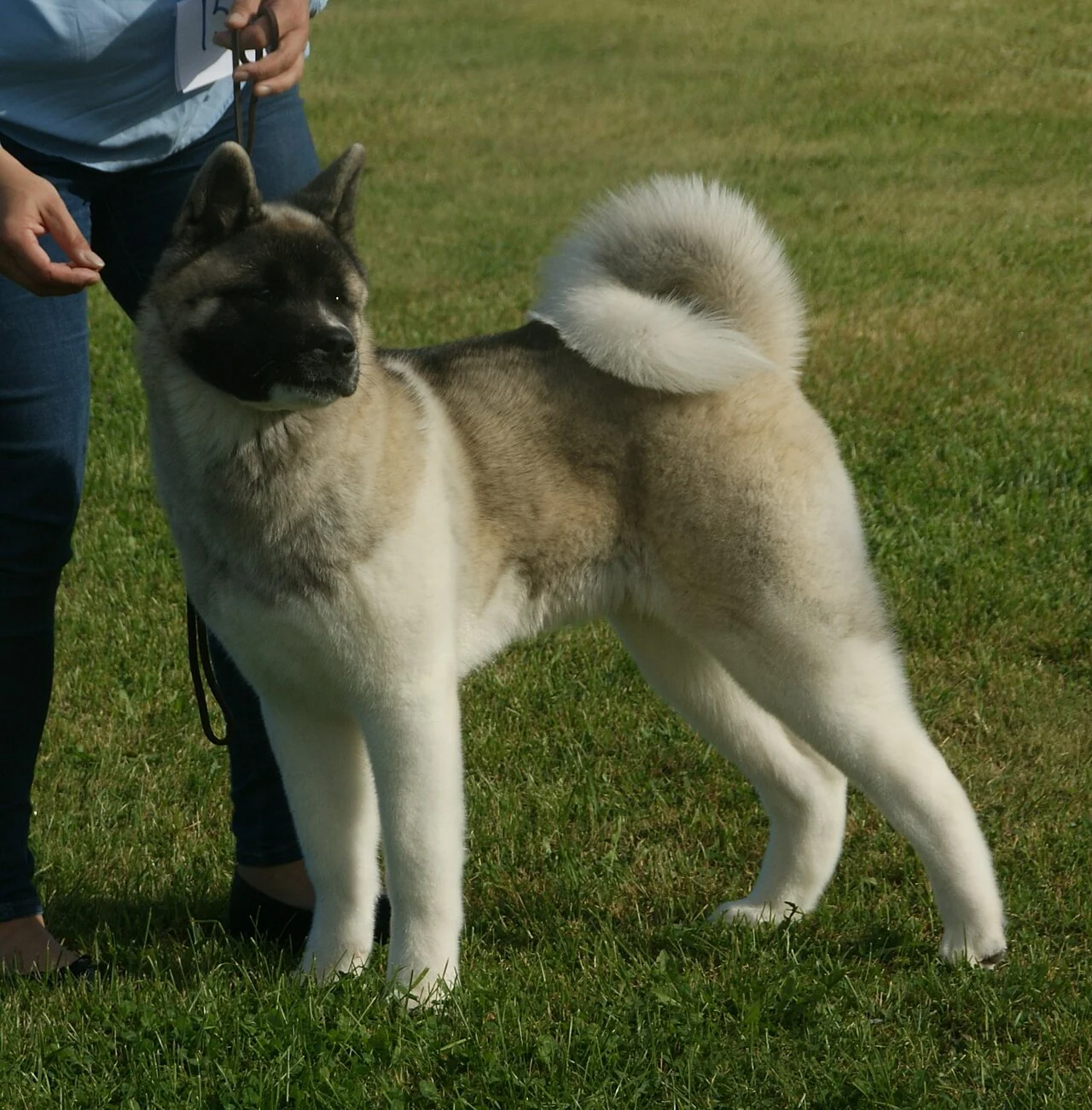
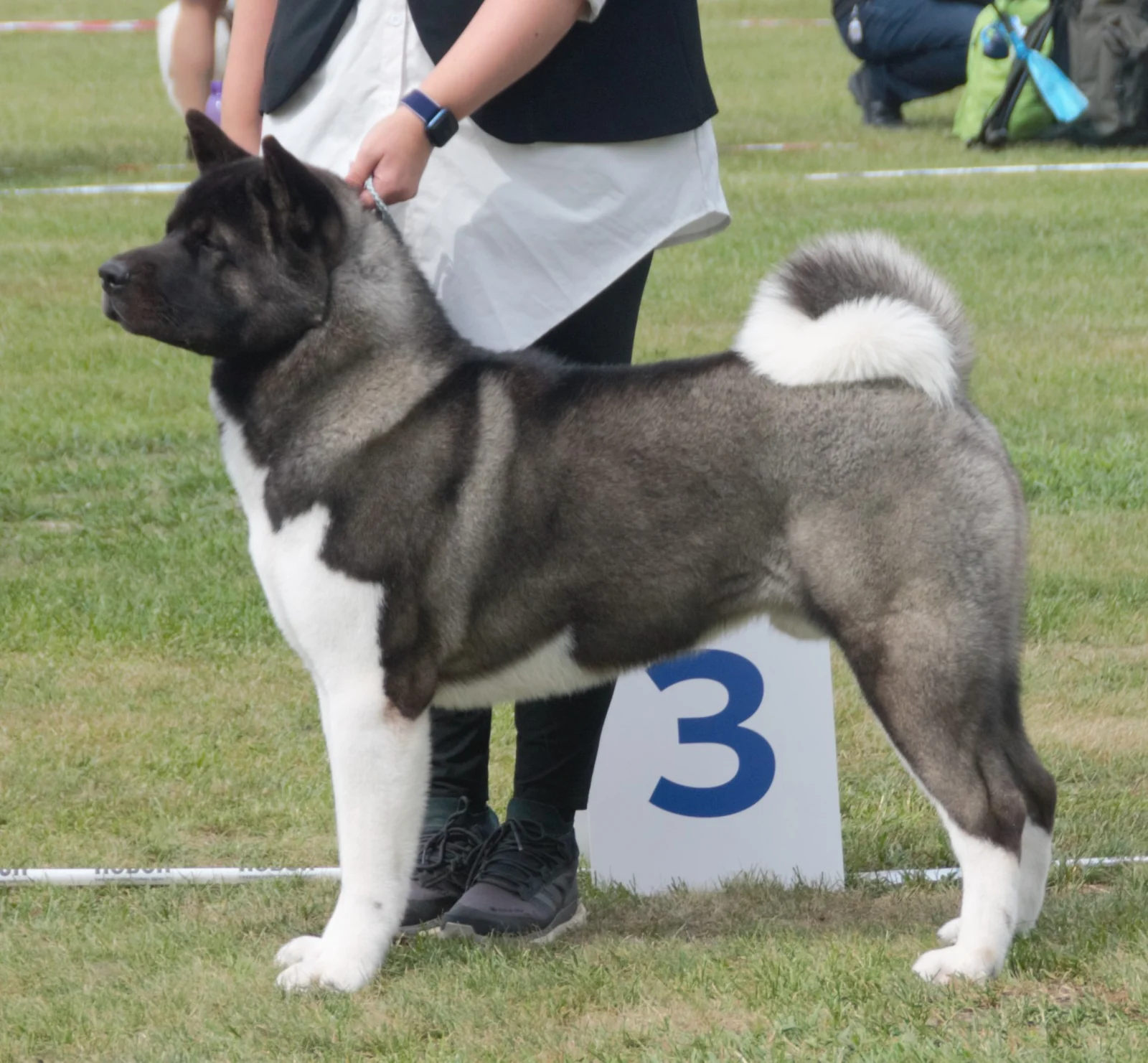
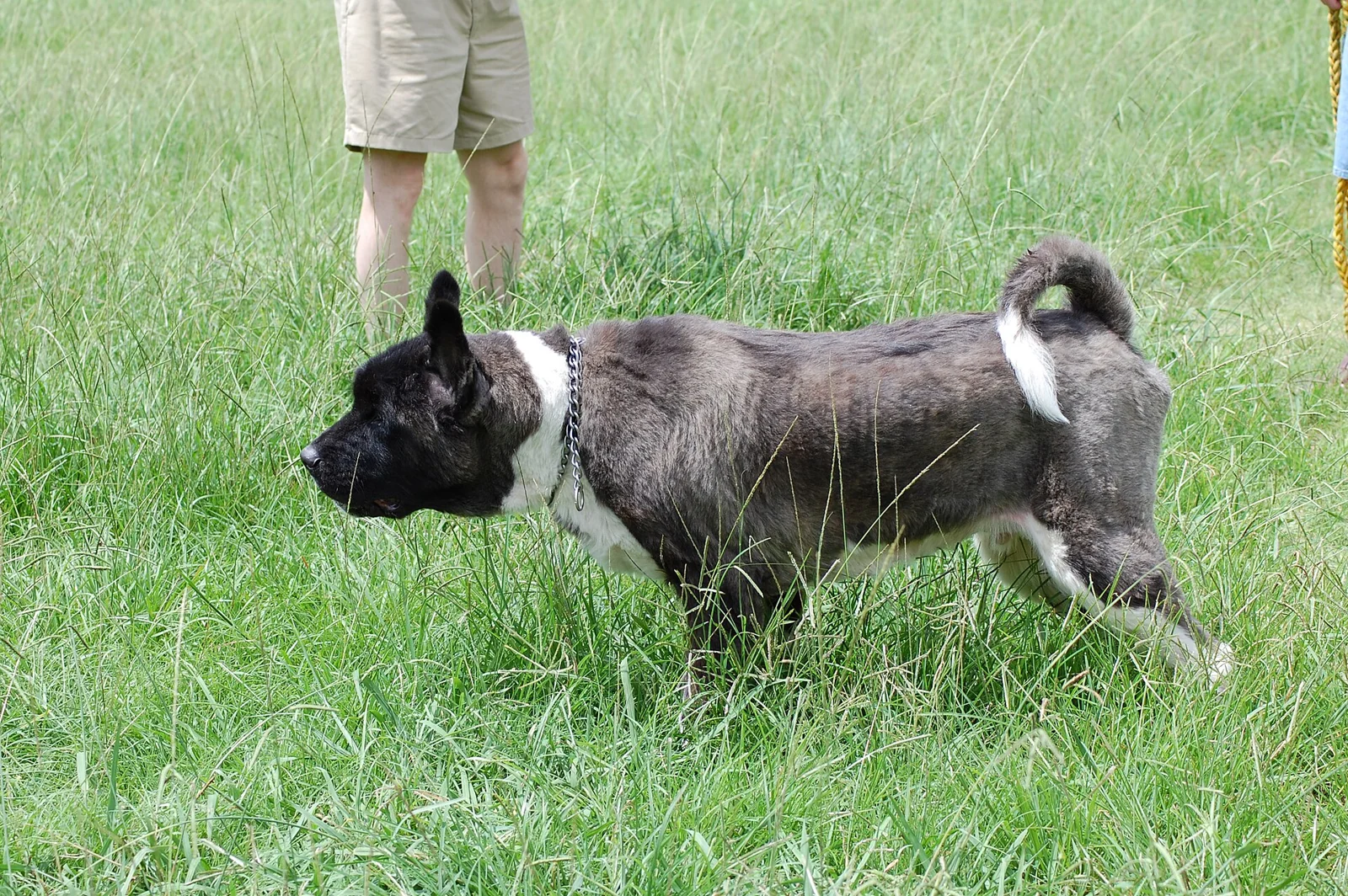
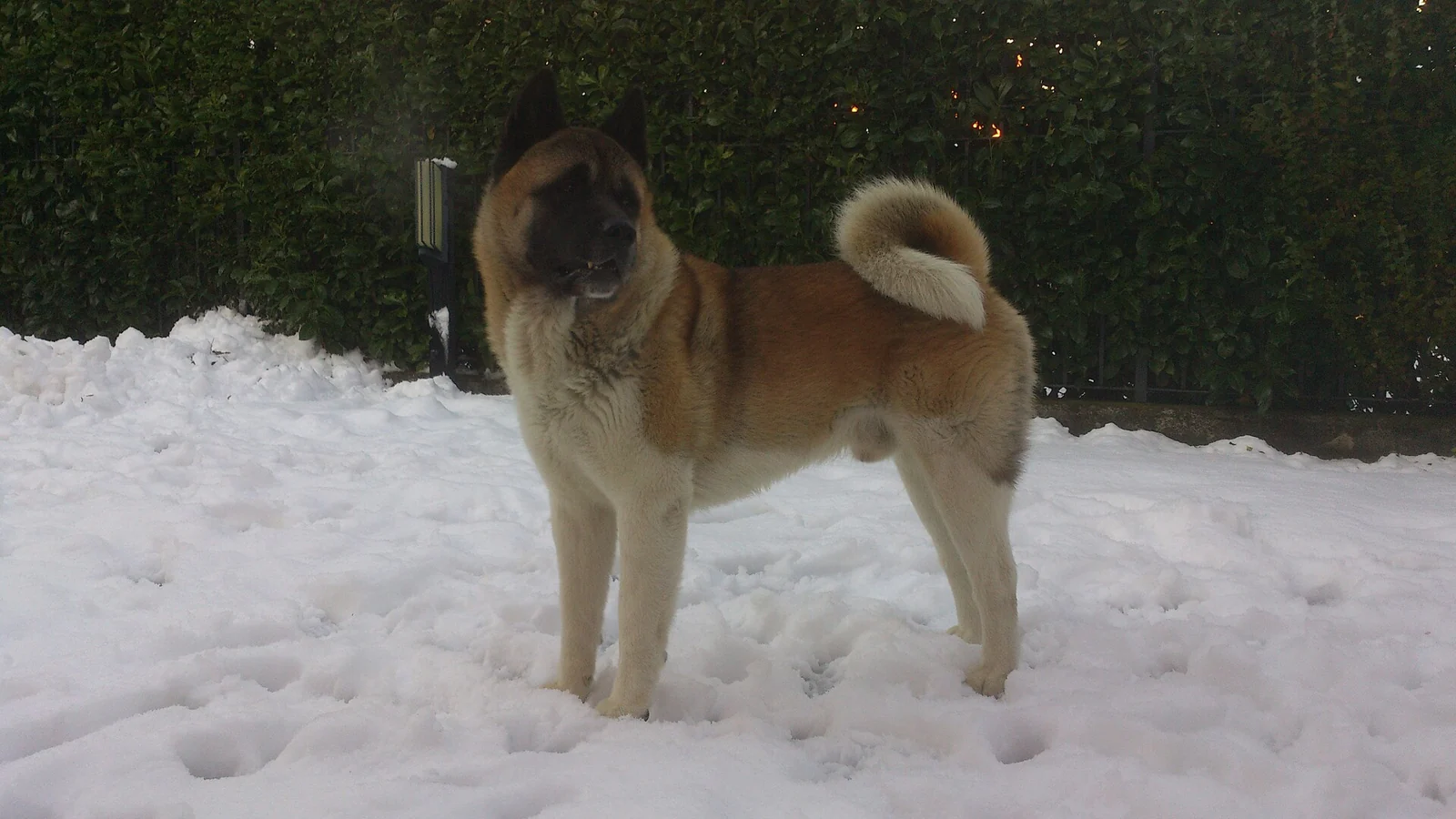
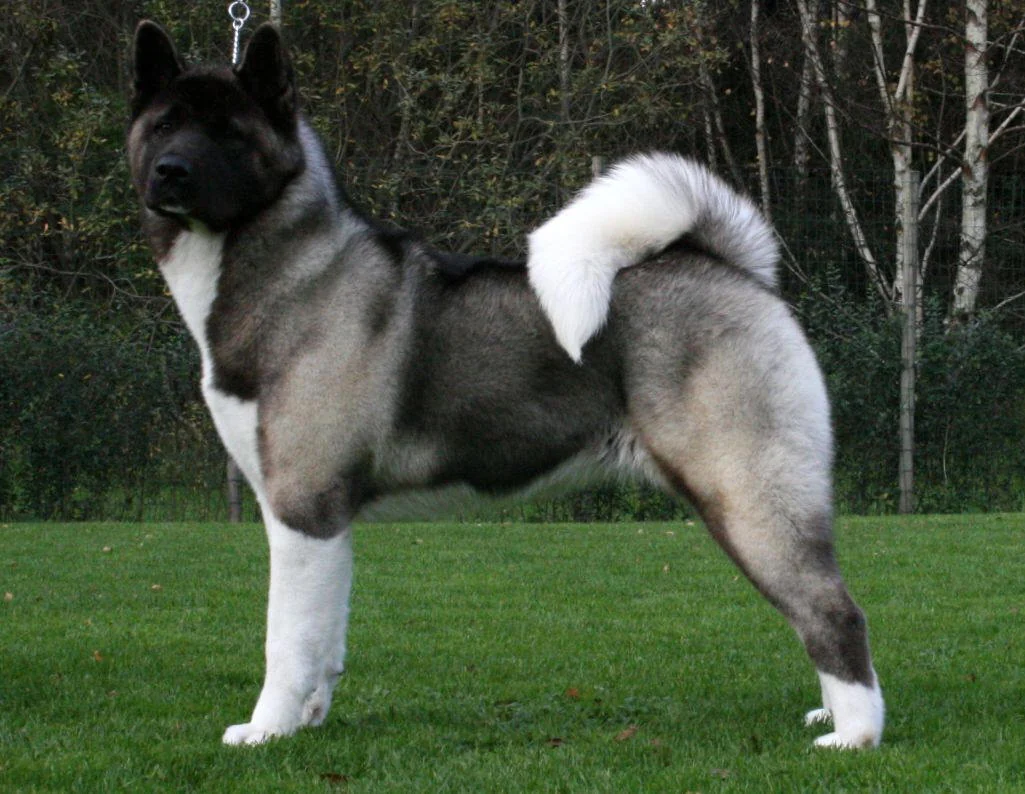
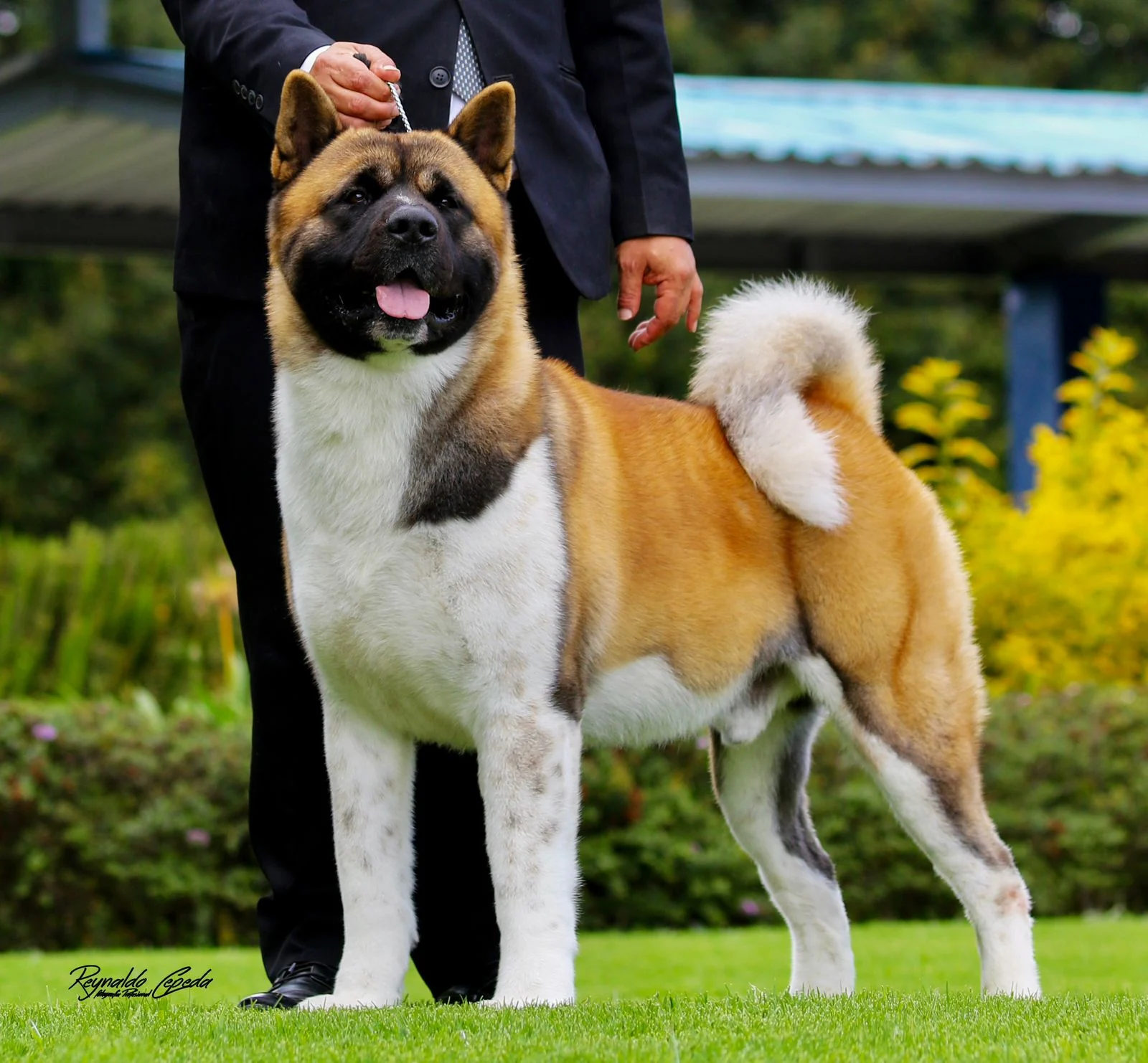
A powerful, bear-like guardian with a heart of gold. The American Akita is a loyal, dignified companion for those who value strength and devotion.

BREED GROUP

Spitz Dogs

Country of origin

United States

BREED SIZE

Giant

BREED HEIGHT

24 -

28 IN

61 -

71 cm

BREED WEIGHT

70 -

130 LB

32 -

59 KG

WHAT YOU NEED TO KNOW

The American Akita is a large, powerful working breed known for its profound loyalty and dignified, courageous temperament. Originating from Japan and further developed in the United States, these independent thinkers serve as dedicated family guardians but can be aloof with strangers and intolerant of other dogs. They possess a dense double coat that sheds heavily twice a year, requiring regular grooming. While moderately active, they thrive on human companionship and need consistent, firm training. Owners should monitor for health issues like hip dysplasia and bloat while providing mental stimulation to prevent boredom.
american kennel club (AKC) recognition

Yes

Breed was recognized in 1972.

International Canine Federation (FCI) recognition

Yes

Breed was recognized in 1954.
WHAT DO OWNERS WANT TO KNOW?

Are American Akitas good family dogs?

Excellent

10 out of 10

American Akitas are excellent family dogs for those seeking a deeply loyal and dedicated guardian that thrives on human companionship. However, their large size and independent nature require owners to provide consistent, firm training and early socialization to manage their protective instincts. They are best suited for active households that can meet their needs for mental stimulation and leadership.

Not Recommended

1 out of 10

American Akitas are deeply loyal and protective of children within their own family, often forming strong, patient bonds when raised with them from a young age. However, due to their large size, powerful build, and independent nature, they are generally not recommended for households with very small children or toddlers without constant supervision. It is crucial to socialize them early and teach children how to interact respectfully, as the breed can be less tolerant of boisterous play from children outside their immediate family.

Not Recommended

1 out of 10

American Akitas are generally not recommended for first-time owners due to their large size, independent nature, and strong-willed personality. They require a confident leader who can provide consistent, firm training and extensive early socialization to manage their protective instincts and potential dog selectivity. While their loyalty is unmatched, the challenges of handling such a powerful and sometimes stubborn breed often demand the experience and patience of a seasoned dog owner.

Poor

2 out of 10

American Akitas are generally poor apartment dogs due to their massive size and need for space, though they can adapt if owners commit to several long, vigorous walks daily. While they are naturally clean, quiet, and "cat-like" indoors, their independent and territorial nature requires significant mental stimulation and firm leadership to prevent boredom and destructive behavior in confined living environments. Owners must also navigate frequent breed-specific restrictions in rental agreements and insurance policies.

Not Required

10 out of 10

A yard is not strictly required for an American Akita, as they are moderately active indoors and can adapt to various living situations with dedicated owners. However, a large, securely fenced yard is highly recommended to accommodate their size and provide a safe space for the vigorous daily exercise and mental stimulation these powerful guardians need to thrive.

Good

7 out of 10

American Akitas are independent and typically handle being alone better than many breeds, often managing 6 to 8 hours once they reach adulthood. While they are less prone to separation anxiety, they still crave human companionship and can become bored or destructive if isolated for too long. Owners should provide mental stimulation and ensure a secure, temperature-controlled environment during absences to maintain their well-being.

Poor

2 out of 10

American Akitas can coexist with cats, especially when raised with them from a puppyhood, but they possess a very high prey drive that requires constant vigilance. While they may view indoor cats as part of their family pack, they often remain intolerant of strange cats outdoors. Due to their size and instinctive hunting background, all interactions should be strictly supervised, and cats must be provided with secure, dog-free vertical spaces to ensure their safety.

Aggressive

1 out of 10

American Akitas are not naturally aggressive toward people but possess powerful guarding instincts that can be mistaken for aggression. While they are affectionate and gentle with their families, they are naturally aloof with strangers and can be highly intolerant of other dogs, especially those of the same sex. Their protective nature requires early socialization and firm, consistent training to ensure they remain calm and non-reactive in various environments.

Mellow

4 out of 10

American Akitas are mellow and dignified companions that possess moderate energy levels, meaning they are active without being hyperactive. They enjoy playing with their families and require vigorous daily exercise, such as long walks or jogs, to stay mentally and physically stimulated. While they have the stamina for athletic activities like hiking, they also have a strong "off switch" and enjoy kicking back and relaxing with their favorite people once their exercise needs are met.

~90 min a day

8 out of 10

American Akitas are large, powerful dogs with high stamina that require regular physical and mental stimulation. Healthy adults typically need between 1 and 2 hours of daily exercise, such as long walks, jogging, or hiking, to prevent boredom and destructive behavior. While they are dignified and mellow indoors, providing consistent outdoor activities and interactive play is essential for maintaining their strength and overall well-being.

Danger

1 out of 10

American Akitas are highly sensitive to heat because of their thick, insulating double coats, which make them prone to overheating and heatstroke. They are not suited for warm climates and require a climate-controlled indoor environment with air conditioning during hot weather. Owners should provide constant access to fresh water, ample shade, and limit all physical activity to the earliest morning or late evening hours to ensure their safety.

Danger

1 out of 10

American Akitas are highly sensitive to heat because of their thick, insulating double coats, which make them prone to overheating and heatstroke. They are not suited for warm climates and require a climate-controlled indoor environment with air conditioning during hot weather. Owners should provide constant access to fresh water, ample shade, and limit all physical activity to the earliest morning or late evening hours to ensure their safety.

Frequently Restricted

1 out of 10

American Akitas are frequently subject to apartment breed bans due to their large size, powerful build, and reputation as protective guardians. They are often listed as high-risk liabilities by insurance companies, leading landlords to prohibit them to manage risk and maintain coverage. Renters should always verify specific building policies and insurance requirements, as this breed is commonly restricted regardless of an individual dog's temperament.

WHAT DO OWNERS WANT TO KNOW?


Photo
Reviewed by
Dr. Vojtech Gabriel
DVM · PhD · MBA
Veterinarian Researcher Dog breed specialist
Verified

"American Akitas are powerful and loyal guardians, but as a veterinarian, I must emphasize their predisposition to several serious health conditions. This giant breed is at high risk for Gastric Dilatation-Volvulus (bloat), a life-threatening emergency that requires immediate surgical intervention; I recommend feeding multiple small meals and avoiding exercise around mealtimes. They are also genetically prone to orthopedic issues like hip dysplasia and cranial cruciate ligament injuries, as well as autoimmune disorders such as Sebaceous Adenitis and VKH Syndrome. Additionally, owners should screen for hypothyroidism, Progressive Retinal Atrophy (PRA), and von Willebrand Disease. Given their size and independent nature, maintaining a lean weight and investing in comprehensive pet insurance are essential for managing potential lifelong medical and joint-related costs."


Other Spitz Dogs