Korean Nureongi - MAIN HUB
BREED GROUP
Spitz Dogs
Country of origin
South Korea
BREED SIZE
Medium
BREED HEIGHT
18 -
24 IN
46 -
61 cm
BREED WEIGHT
22 -
55 LB
10 -
25 KG
WHAT YOU NEED TO KNOW
american kennel club (AKC) recognition
No
Breed was recognized in 0.

International Canine Federation (FCI) recognition
No
Breed was recognized in 0.
WHAT DO OWNERS WANT TO KNOW?
Are Korean Nureongis good family dogs?
Poor
2 out of 10
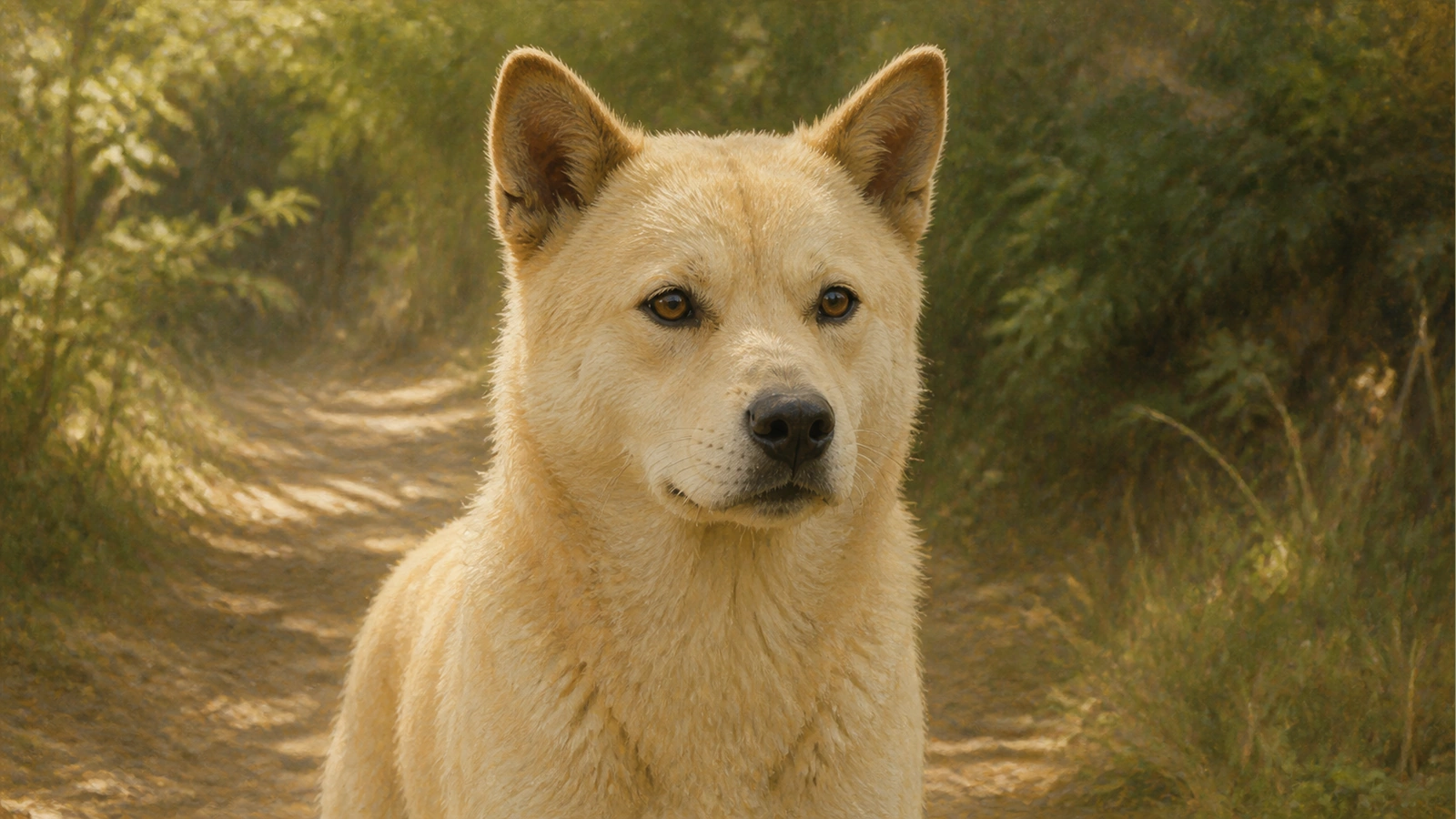
The Korean Nureongi can be a good family dog, as they are known for being devoted, gentle, and patient in a family setting. However, because of their primitive nature and independent streak, they require patient socialization and consistent handling to successfully transition into a domestic environment.
Are Korean Nureongis good with kids?
Not Recommended

2 out of 10
Korean Nureongis are generally gentle and patient with children, often forming deep bonds with their family members. However, due to their independent nature and history as a landrace breed, they require early socialization and consistent training to ensure they remain well-behaved around kids. Supervision is recommended to manage their protective instincts and ensure safe, positive interactions for both the dog and the child.

Are Korean Nureongis good dogs for first time owners?
Poor
2 out of 10
Korean Nureongis are generally not recommended for first-time owners due to their primitive nature and strong independent streak. They require experienced handling and extensive socialization to successfully transition from their landrace roots into a domestic home environment. Prospective owners must be prepared for the significant patience and consistent training required to manage their self-sufficient and less refined temperament.
Are Korean Nureongis good apartment dogs?
Very Good
7 out of 10
Korean Nureongis adapt well to apartment living despite their working origins, as they are relatively calm and patient indoors. While they require daily walks and mental stimulation to stay happy, their medium size and loyal nature make them suitable for smaller homes. Consistent socialization is key to ensuring they thrive in an urban environment.
Do Korean Nureongis need a yard?
Below Average
6 out of 10
A yard is not strictly required for a Korean Nureongi, as they are adaptable and can live in apartments if their physical and mental stimulation needs are met. However, a secure outdoor space is beneficial for this hardy and independent breed to safely explore and burn off energy between daily walks and interactive play.
Can Korean Nureongis be left at home alone?
Above Average
6 out of 10
Korean Nureongis are independent and hardy dogs that generally handle solitude better than many refined breeds. Due to their primitive nature and self-sufficient temperament, they are often comfortable spending time alone and are less prone to separation anxiety, provided they have a established routine and their basic needs are met. However, consistent socialization is still important to ensure they remain well-adjusted when left for moderate periods.
Do Korean Nureongis tolerate cats well?
Great
8 out of 10
Korean Nureongis generally get along well with cats due to their patient and gentle nature within a family setting. While their primitive background may trigger an occasional chase instinct, they can coexist harmoniously if socialized together from a young age. Consistent training and slow, supervised introductions are essential to manage their protective instincts and ensure a peaceful relationship with feline companions.
Are Korean Nureongis known to be aggressive?
Moderate
6 out of 10
Korean Nureongis are not typically aggressive but possess a primitive, protective nature that requires careful management. While loyal and gentle with their families, their independent streak means they can be wary of strangers or other dogs without proper training. Early, consistent socialization and firm, patient handling are essential to ensure their natural instincts do not escalate into problematic behavior.
Do Korean Nureongis have a lot of energy?
Low
3 out of 10
Korean Nureongis have low to moderate energy levels, as they are hardy, self-sufficient dogs that can be calm indoors once their daily exercise needs are met. While they have a background as versatile workers, they are often content to lounge quietly and require only about 30 to 60 minutes of activity to stay healthy and prevent destructive behaviors.
How much exercise do Korean Nureongis need?
~60 min a day
4 out of 10
Korean Nureongis require about 60 minutes of daily exercise to remain healthy and engaged. As a resilient landrace breed, they benefit from a mix of brisk walks and mental stimulation through training or interactive play. Their independent yet devoted nature makes them adaptable to moderate activity levels within a domestic environment.
Do Korean Nureongis tolerate hot weather well?
Poor
3 out of 10
The Korean Nureongi has a poor tolerance for hot weather due to its thick double coat, which is designed for a temperate climate and can lead to overheating. In high temperatures, they require constant access to shade, fresh water, and a cool indoor environment. Owners should avoid strenuous exercise during the hottest parts of the day to prevent heatstroke and respiratory distress.
Are Korean Nureongis good with cold weather?
Poor
3 out of 10
The Korean Nureongi has a poor tolerance for hot weather due to its thick double coat, which is designed for a temperate climate and can lead to overheating. In high temperatures, they require constant access to shade, fresh water, and a cool indoor environment. Owners should avoid strenuous exercise during the hottest parts of the day to prevent heatstroke and respiratory distress.
Are Korean Nureongis sometimes banned from rentals?
Moderate Risk
6 out of 10
Korean Nureongis face a moderate risk of apartment restrictions due to their primitive nature and medium size. While they are not commonly found on official banned breed lists, their independent streak and protective instincts may require owners to provide proof of proper socialization for landlord approval. Prospective tenants should always verify specific rental policies and insurance requirements to ensure these hardy, loyal companions are permitted in their homes.
WHAT DO OWNERS WANT TO KNOW?