Skip to content

Rottsky - MAIN HUB

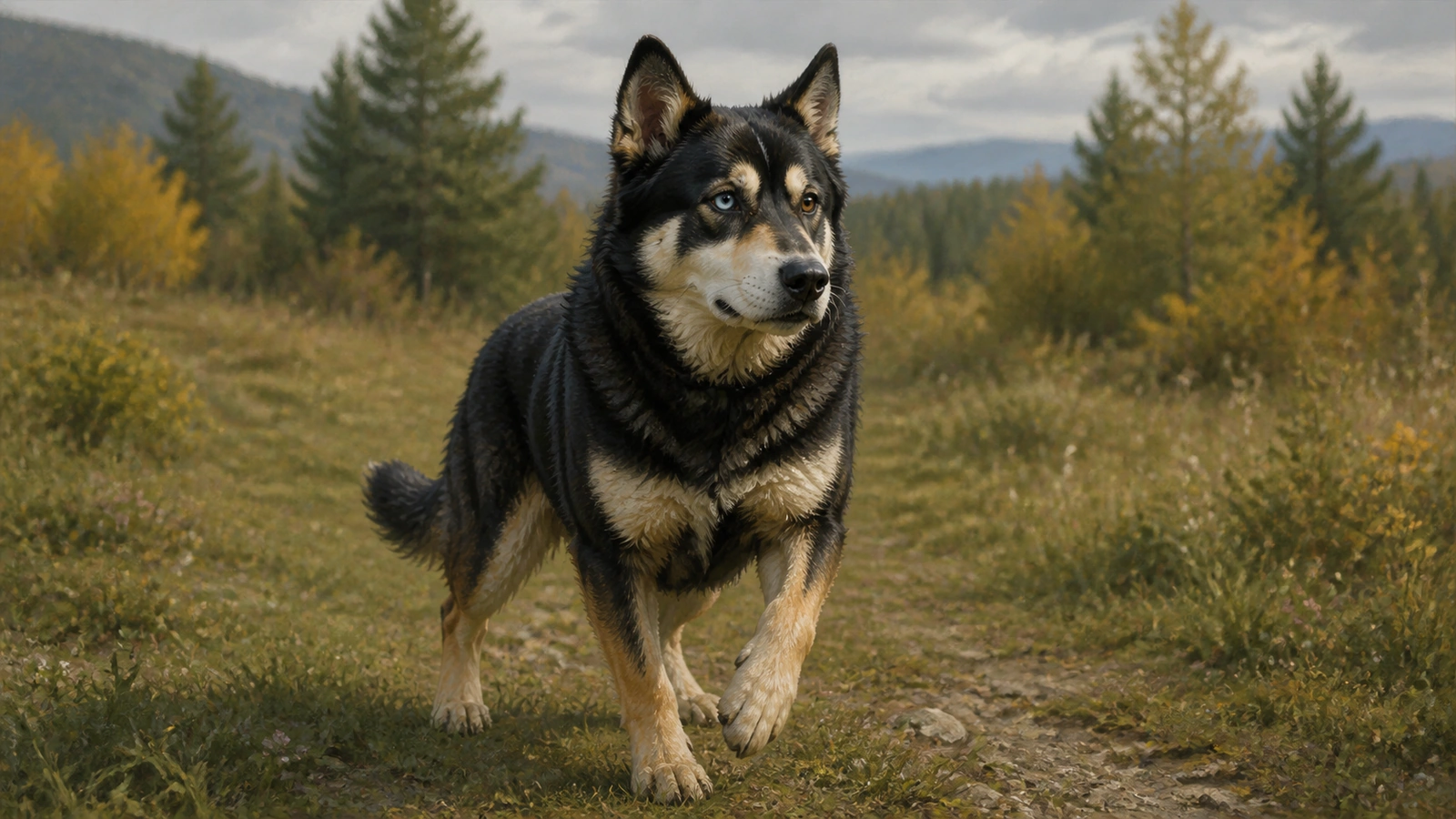
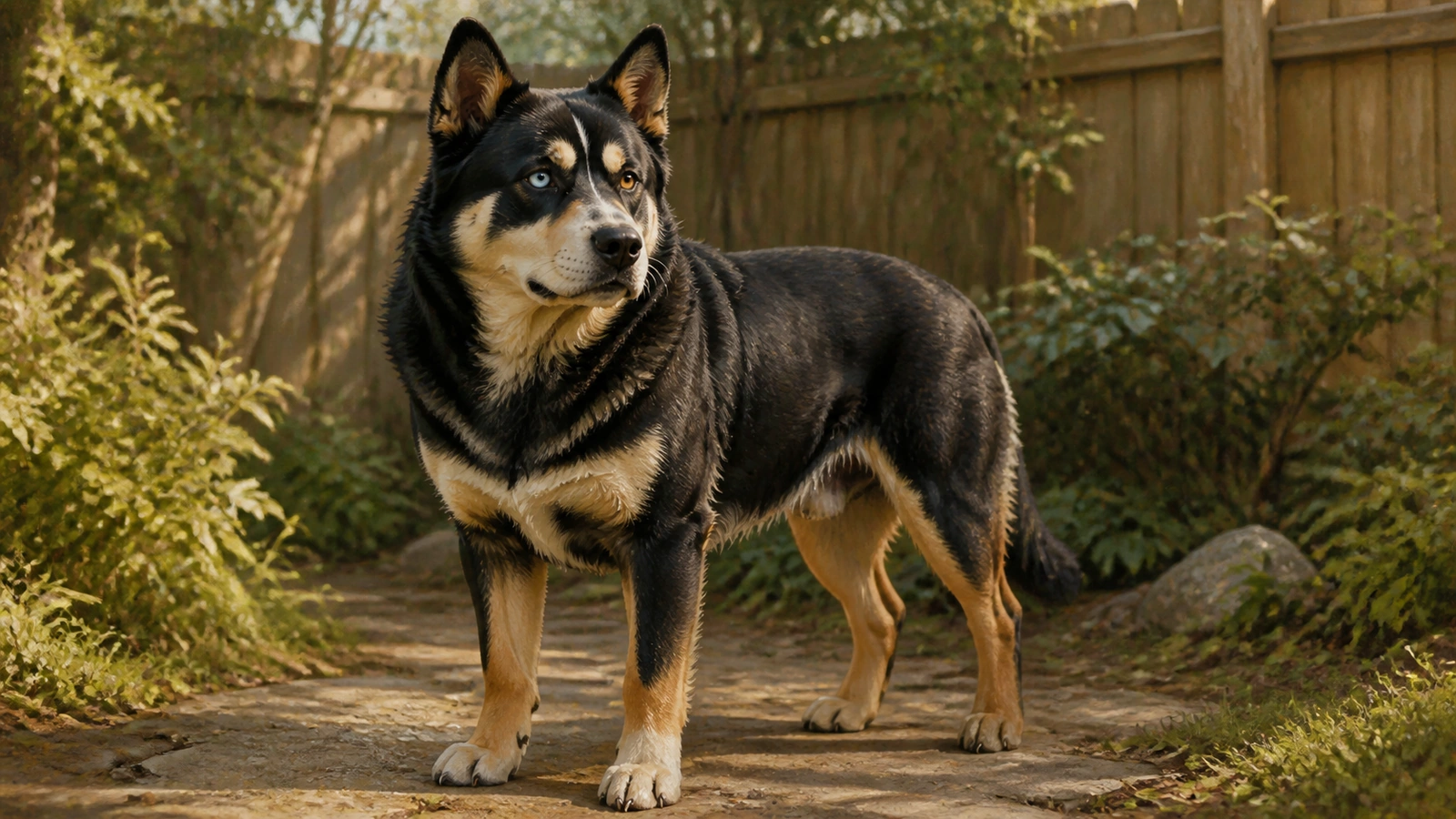
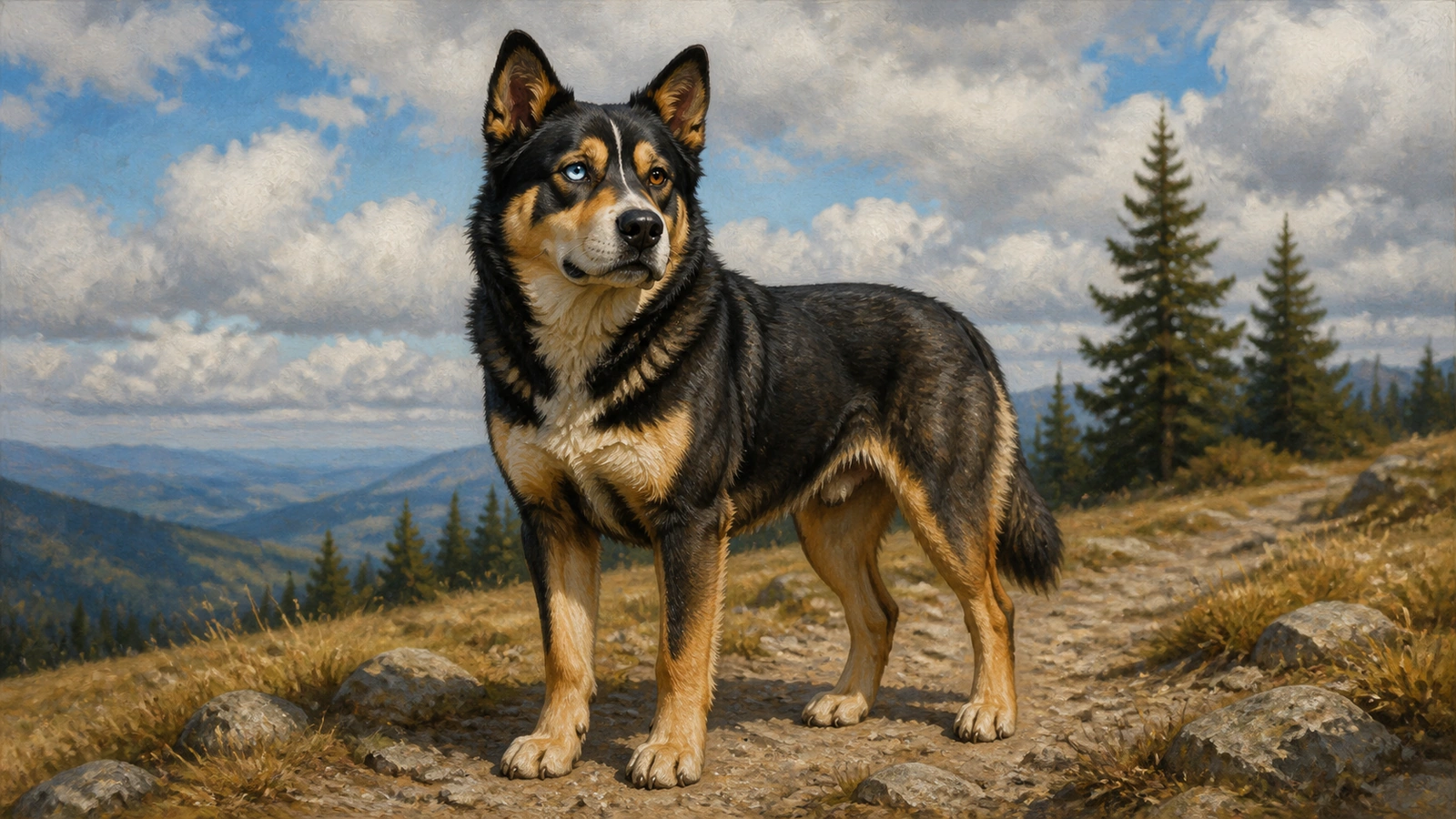
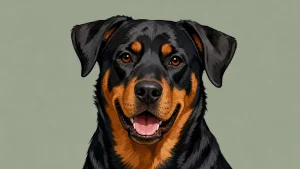
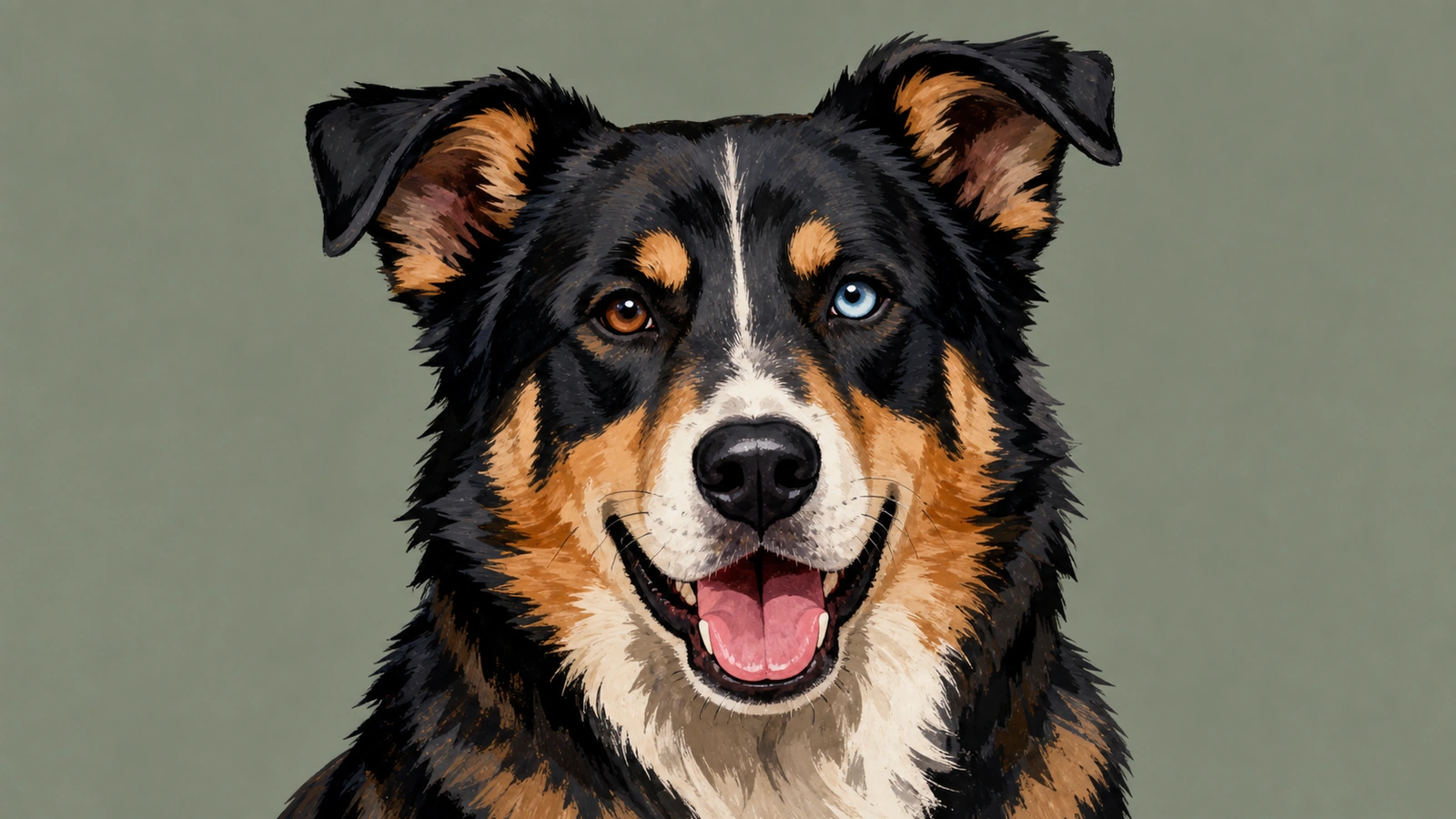
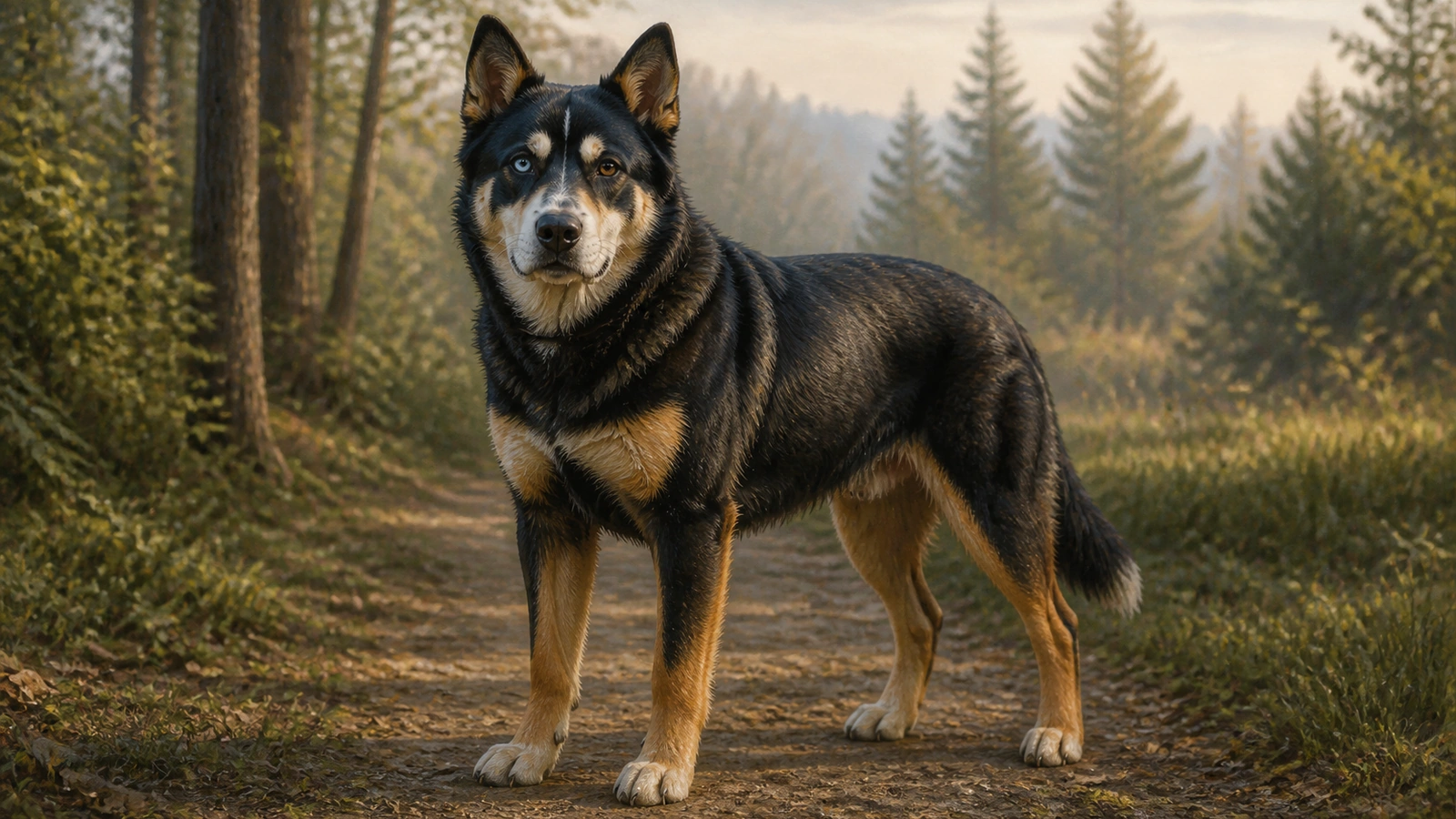
Meet the Rottsky! A powerful, striking mix of Rottweiler loyalty and Husky energy, perfect for active owners seeking a devoted, athletic companion.

BREED GROUP

Hybrid Dogs

Country of origin

United States

BREED SIZE

Large

BREED HEIGHT

20 -

26 IN

51 -

66 cm

BREED WEIGHT

65 -

100 LB

29 -

45 KG

WHAT YOU NEED TO KNOW

The Rottsky is a powerful and athletic designer breed, a cross between the Rottweiler and the Siberian Husky. Originating in the United States, these large dogs typically live for 10 to 13 years. They are known for their striking appearance, often inheriting the Husky's piercing eyes and the Rottweiler's sturdy build. For owners, this breed requires significant physical exercise and mental stimulation to manage their high energy levels. While loyal and protective, they need consistent training and early socialization to ensure they are well-adjusted and manageable companions for active households.
american kennel club (AKC) recognition

No

Breed was recognized in 0.

International Canine Federation (FCI) recognition

No

Breed was recognized in 0.
WHAT DO OWNERS WANT TO KNOW?

Are Rottskies good family dogs?

Fair

3 out of 10

The Rottsky is a loyal and protective breed that can make an excellent companion for active families willing to meet its high energy needs. To ensure they are well-adjusted for a household, they require consistent training, early socialization, and significant daily physical and mental exercise.

Fair

3 out of 10

Rottskies are generally fair with children, benefiting from the loyal nature of the Rottweiler and the playful energy of the Husky. Because they are large, powerful, and high-energy dogs, they may accidentally knock over smaller children during exuberant play. Consistent training and early socialization are vital to manage their protective instincts, and supervision is always recommended to ensure safe interactions.

Fair

3 out of 10

Rottskies are generally challenging for first-time owners due to their high energy, strong-willed nature, and intense exercise requirements. This powerful crossbreed requires an experienced handler capable of providing consistent training, early socialization, and significant mental stimulation to manage their protective instincts. Success requires a major commitment to vigorous daily activity and firm leadership to prevent stubborn or destructive behaviors.

Poor

2 out of 10

Rottskies are generally poor apartment dogs due to their large size, high energy, and tendency to be vocal. They require significant physical and mental stimulation to prevent destructive behavior and are best suited for spacious homes with yards. While they can adapt with intense commitment to exercise and training, their loud howling and protective nature may cause issues in shared living spaces.

Above Average

4 out of 10

A yard is not strictly required for a Rottsky, but it is highly recommended due to their large size and high energy levels inherited from the Rottweiler and Husky. While they can adapt to various living situations if provided with at least 90 minutes of vigorous daily exercise, a large, securely fenced yard provides a vital space for them to roam, play, and burn off energy safely. Without sufficient outdoor space or activity, this athletic breed can become restless and destructive.

Good

7 out of 10

Rottskies can typically handle being alone for moderate periods of four to six hours if they are well-exercised beforehand. However, their highly social nature makes them prone to separation anxiety and destructive behaviors, like howling or chewing, if left isolated for too long. They thrive best in active households where they receive consistent companionship and mental stimulation throughout the day.

Very Good

7 out of 10

Rottskies generally get along well with cats, particularly when socialized from a young age, though their high prey drive may trigger a chase instinct. While the Rottweiler heritage can make them loyal and adaptable to feline housemates, their Siberian Husky side often contributes to a desire to hunt small animals. Success depends on consistent training, early exposure, and slow, supervised introductions to ensure a harmonious multi-pet household.

Protective

7 out of 10

Rottskies are not naturally aggressive but possess a strong protective instinct and high prey drive. While they are loyal and loving with their families, they can be reserved or wary of strangers and may develop same-sex aggression toward other dogs. Consistent training, early socialization, and firm boundaries are essential to manage their power and ensure their guarding tendencies remain appropriate.

Hyperactive

10 out of 10

The Rottsky is an exceptionally active and athletic breed that requires significant physical and mental stimulation to remain stable. Inheriting the high endurance of the Siberian Husky and the powerful drive of the Rottweiler, these dogs thrive on vigorous activities like running, hiking, or canine sports. Without a consistent outlet for their intense energy, they can become restless and highly destructive, making them best suited for active owners who can commit to a rigorous daily exercise routine.

~120+ min a day

6 out of 10

Rottskies are exceptionally athletic dogs that require a high level of physical and mental activity, typically needing 90 to 120 minutes of exercise daily. Because they inherit the endurance of the Siberian Husky and the power of the Rottweiler, they thrive on vigorous activities such as running, hiking, agility training, or pulling sports like sledding. Without a consistent outlet for their energy, they can become highly destructive and restless, making them best suited for active owners who can commit to a rigorous routine that includes both aerobic exercise and structured mental challenges.

Average

5 out of 10

Rottskies can be sensitive to heat due to their thick double coats and are prone to heat exhaustion. Owners should provide constant access to shade and fresh water, and avoid intense exercise during the hottest parts of the day. Individuals inheriting a heavier Rottweiler build or a particularly dense Husky coat require extra care to prevent overheating in warm climates.

Average

5 out of 10

Rottskies can be sensitive to heat due to their thick double coats and are prone to heat exhaustion. Owners should provide constant access to shade and fresh water, and avoid intense exercise during the hottest parts of the day. Individuals inheriting a heavier Rottweiler build or a particularly dense Husky coat require extra care to prevent overheating in warm climates.

Likely Banned

3 out of 10

Rottskies are frequently subject to apartment breed bans due to their parentage, as both Rottweilers and Siberian Huskies are commonly included on restricted breed lists. Their large size and powerful build often exceed standard weight limits, and insurance policies frequently label them as high-risk liabilities. Renters should proactively provide a pet resume, training certifications, and references to potentially secure an exception from private landlords.

WHAT DO OWNERS WANT TO KNOW?


Photo
Reviewed by
Dr. Vojtech Gabriel
DVM · PhD · MBA
Veterinarian Researcher Dog breed specialist
Verified
"Rottskies are powerful and athletic, but their heritage predisposes them to several serious health concerns from both parent breeds. As a veterinarian, I prioritize screening for hip and elbow dysplasia, as well as monitoring for Gastric Dilatation-Volvulus (bloat), a life-threatening emergency common in deep-chested dogs. They are also at an increased risk for osteosarcoma (bone cancer) and cardiac issues like subaortic stenosis. Other concerns include eye conditions like cataracts and progressive retinal atrophy, along with potential skin infections if their dense coats are not properly dried. Given these risks, I strongly recommend maintaining a lean weight to protect their joints, providing intense mental and physical stimulation to prevent destructiveness, and securing comprehensive pet insurance."
Other Hybrid Dogs