Gerberian Shepsky - MAIN HUB
BREED GROUP
Hybrid Dogs
Country of origin
United States
BREED SIZE
Large
BREED HEIGHT
20 -
25 IN
51 -
64 cm
BREED WEIGHT
45 -
88 LB
20 -
40 KG
WHAT YOU NEED TO KNOW
american kennel club (AKC) recognition
No
Breed was recognized in 0.

International Canine Federation (FCI) recognition
No
Breed was recognized in 0.
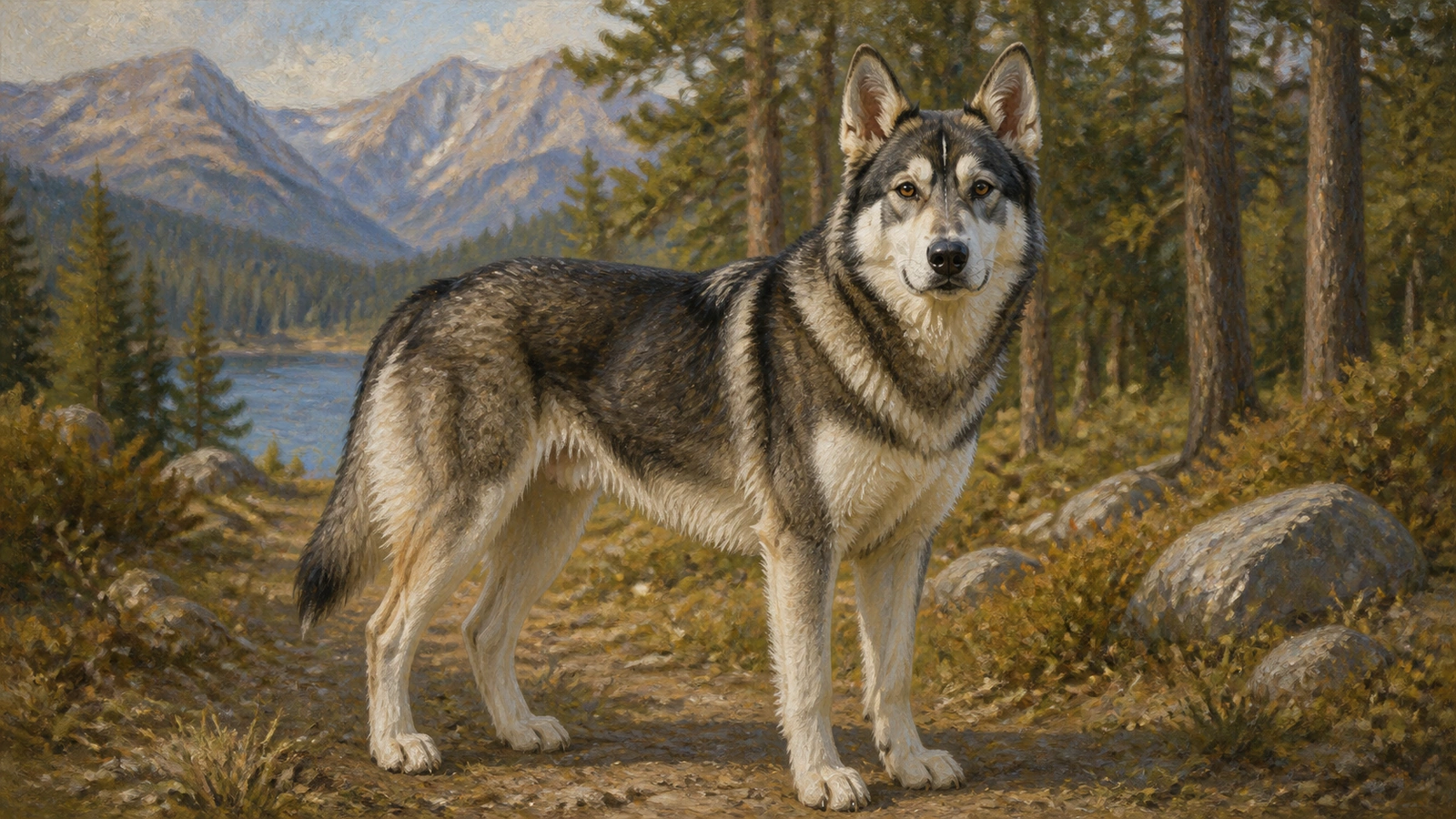
WHAT DO OWNERS WANT TO KNOW?
Are Gerberian Shepskies good family dogs?
Fair
4 out of 10
Gerberian Shepskys are affectionate and fiercely loyal protectors, making them devoted companions for their families. However, their extreme energy levels and strength make them better suited for active, experienced owners who can provide significant daily exercise and a large yard.


Are Gerberian Shepskies good with kids?
Fair
4 out of 10
Gerberian Shepskys are generally good with children and often act as spirited playmates during outdoor activities. Due to their large size and high energy, they may accidentally knock over smaller kids, so close supervision is recommended to ensure interactions remain safe.
Are Gerberian Shepskies good dogs for first time owners?
Below Average
4 out of 10
Gerberian Shepskys are not recommended for first-time owners due to their high energy, strong hunting instincts, and independent nature. Originally bred as pack hunters, they require significant daily exercise and an owner who understands how to manage a scenthound's stubborn streak. Their intense stamina and tendency to be vocal mean they thrive best with experienced handlers in active, rural environments rather than domestic or urban settings.
Are Gerberian Shepskies good apartment dogs?
Not Recommended
6 out of 10
Gerberian Shepskys are generally not recommended for apartment living due to their large size and exceptionally high energy levels. As athletic scenthounds built for endurance and pack hunting, they require significant daily physical activity and ample space to roam. Their intense stamina and field-driven instincts are better suited for active households with large yards rather than confined urban environments.
Do Gerberian Shepskies need a yard?
Below Average
6 out of 10
A fenced yard is highly recommended for the Gerberian Shepsky to accommodate its immense energy and stamina. These athletic scenthounds thrive with wide-open, secure spaces where they can run, play, and engage their hunting instincts safely. While they are primarily working dogs, having access to a yard helps satisfy their high physical and mental exercise requirements outside of structured field activities.
Can Gerberian Shepskies be left at home alone?
Average
5 out of 10
Gerberian Shepskys are pack-oriented working dogs that thrive on constant company and high activity levels, making them highly susceptible to separation anxiety if left alone. They do best in environments where they have the company of other dogs or humans, as prolonged isolation can lead to depression, excessive vocalizing, or destructive behaviors.
Do Gerberian Shepskies tolerate cats well?
Below Average
3 out of 10
Gerberian Shepskys can coexist peacefully with cats if introduced early and with clear boundaries. While their strong hunting instincts may lead to chasing, they are generally tolerant of other household pets. Consistent training and supervised initial meetings are essential to ensure a safe and harmonious relationship between the hound and feline companions.
Are Gerberian Shepskies known to be aggressive?
Balanced
5 out of 10
Gerberian Shepskys can coexist peacefully with cats if introduced early and with clear boundaries. While their strong hunting instincts may lead to chasing, they are generally tolerant of other household pets. Consistent training and supervised initial meetings are essential to ensure a safe and harmonious relationship between the hound and feline companions.
Do Gerberian Shepskies have a lot of energy?
Moderate
5 out of 10
Gerberian Shepskys are exceptionally high-energy working dogs with remarkable stamina, originally bred for long-distance pack hunting. They require significant daily physical exercise and mental stimulation to stay healthy and prevent boredom-induced behaviors. These athletic hounds thrive in active environments where they have ample space to run, track scents, and engage in vigorous outdoor activities.
How much exercise do Gerberian Shepskies need?
90+ min a day
5 out of 10
Gerberian Shepskys can coexist peacefully with cats if introduced early and with clear boundaries. While their strong hunting instincts may lead to chasing, they are generally tolerant of other household pets. Consistent training and supervised initial meetings are essential to ensure a safe and harmonious relationship between the hound and feline companions.
Do Gerberian Shepskies tolerate hot weather well?
Average
5 out of 10
Gerberian Shepskys can adapt to warm climates but are sensitive to heat due to their thick double coats inherited from German Shepherds and Siberian Huskies. Owners should provide constant access to fresh water and air conditioning, while limiting vigorous exercise to the cooler early morning or late evening hours to prevent overheating. Careful monitoring for signs of heat stress, such as excessive panting or lethargy, is essential during summer months.
Are Gerberian Shepskies good with cold weather?
Average
5 out of 10
Gerberian Shepskys can adapt to warm climates but are sensitive to heat due to their thick double coats inherited from German Shepherds and Siberian Huskies. Owners should provide constant access to fresh water and air conditioning, while limiting vigorous exercise to the cooler early morning or late evening hours to prevent overheating. Careful monitoring for signs of heat stress, such as excessive panting or lethargy, is essential during summer months.
Are Gerberian Shepskies sometimes banned from rentals?
Moderate Risk
6 out of 10
Gerberian Shepskys are rarely subject to breed-specific bans, but their large size and high energy levels may pose challenges in apartments with weight limits. Because they are athletic pack hunters requiring significant physical activity, they are best suited for rural environments. Prospective renters should check for general restrictions on large, high-energy working breeds and verify individual landlord policies regarding exercise needs and noise.
WHAT DO OWNERS WANT TO KNOW?