Skip to content

Goldendoodle - MAIN HUB

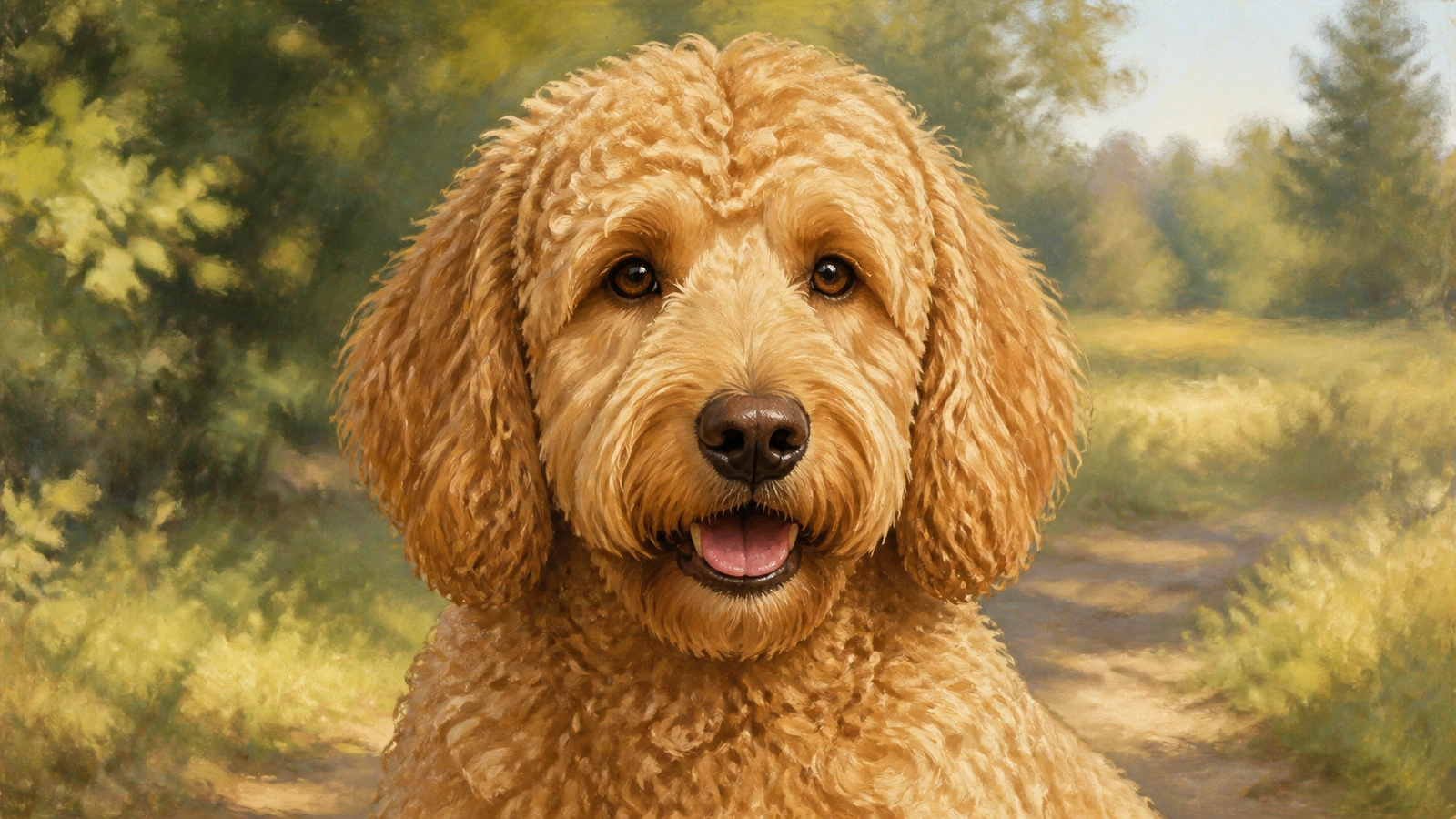
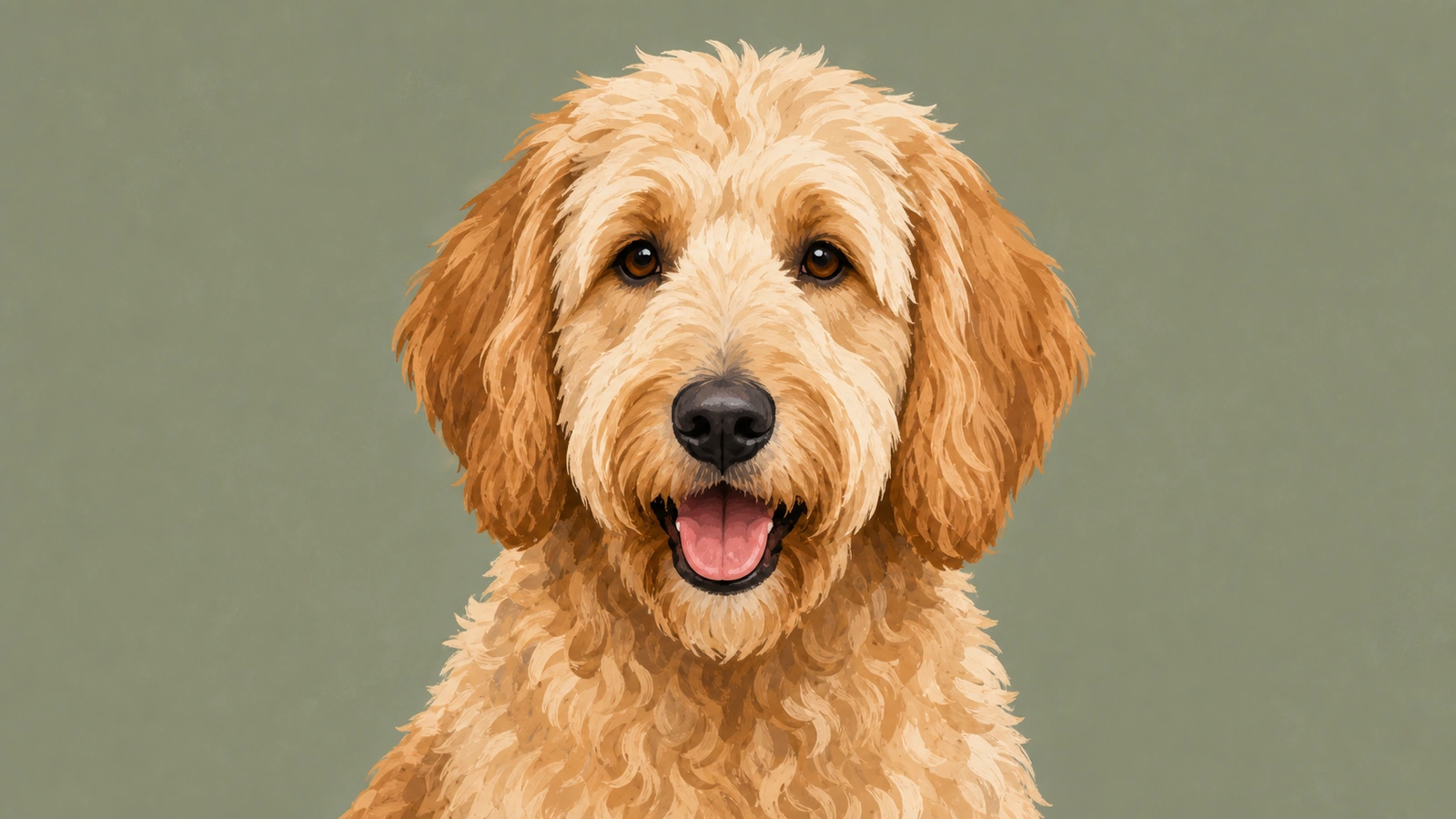
Smart, social, and snuggly, the Goldendoodle is a low-shedding “teddy bear” that loves kids and learns fast—the ultimate joyful family companion!

BREED GROUP

Hybrid Dogs

Country of origin

United States

BREED SIZE

Medium

BREED HEIGHT

13 -

26 IN

33 -

66 cm

BREED WEIGHT

15 -

66 LB

7 -

30 KG

WHAT YOU NEED TO KNOW

The Goldendoodle is a popular crossbreed combining the intelligence of a Poodle with the friendly nature of a Golden Retriever. These affectionate dogs are highly trainable, making them excellent choices for first-time owners and families with children. They typically possess low-shedding, hypoallergenic coats that require regular professional grooming. While adaptable to various lifestyles, Goldendoodles are social animals prone to separation anxiety and thrive on human companionship. Owners should provide 30-60 minutes of daily exercise and mental stimulation to satisfy their high energy levels and ensure a happy, well-adjusted pet.
american kennel club (AKC) recognition

No

Breed was recognized in 0.

International Canine Federation (FCI) recognition

No

Breed was recognized in 0.

WHAT DO OWNERS WANT TO KNOW?

Are Goldendoodles good family dogs?

Exceptional

5 out of 10

Goldendoodles are excellent family dogs due to their friendly nature, high trainability, and compatibility with children. They are highly social animals that thrive on human companionship, making them devoted partners for active households that can provide daily exercise and mental stimulation.

Exceptional

5 out of 10

Goldendoodles are patient and gentle companions known for their affectionate nature and love for play, making them well-suited for families with children. They inherit a social temperament that allows them to bond closely with kids of all ages. Supervision is recommended to manage their high energy and ensure safe, gentle interactions during playtime.

Good

6 out of 10

Goldendoodles are highly recommended for first-time owners due to their exceptional intelligence, friendly nature, and eagerness to please, which makes training relatively easy. Their adaptable and social temperament helps novices build confidence, though owners must be prepared for significant grooming needs and high daily exercise requirements to keep this energetic breed happy and well-behaved.

Below Average

4 out of 10

Goldendoodles are considered below average for apartment living because their high energy levels and social nature require significant daily exercise and constant companionship. While smaller varieties like Mini or Toy Goldendoodles are more adaptable to compact spaces and can thrive in apartments, standard sizes may struggle in confined environments and are prone to developing separation anxiety or destructive behaviors without an active lifestyle.

Below Average

6 out of 10

A yard is not strictly required for a Goldendoodle, as they are highly adaptable and can thrive in apartments with committed owners. While a fenced yard is beneficial for supervised play and exercise, their needs can be met through multiple daily walks, visits to dog parks, and indoor mental stimulation. Owners must ensure these active dogs receive 60 to 90 minutes of daily activity to prevent boredom-induced behaviors.

Average

5 out of 10

Goldendoodles are highly social companions that thrive on human interaction and are notably prone to separation anxiety if left alone for extended periods. While they can manage moderate stretches of solitude with sufficient mental stimulation, they are happiest in households where they are integrated into daily activities and receive consistent companionship.

Excellent

3 out of 10

Goldendoodles can struggle to live harmoniously with cats because their high energy and enthusiasm can be overwhelming for smaller pets. Inherited hunting instincts from their parent breeds may trigger a drive to chase, making early socialization and consistent training essential. Owners should provide cats with safe, dog-free zones and use supervised introductions to manage the Goldendoodle's boisterous play style.

Balanced

5 out of 10

Goldendoodles are not naturally aggressive and are widely known for their friendly, outgoing, and people-pleasing nature. While they are exceptionally social and gentle with children and other pets, individual aggression can occasionally surface due to a lack of early socialization, fear, or underlying health issues. Consistent positive reinforcement training and exposing them to various environments from a young age are essential to ensuring they remain the well-tempered, affectionate companions they are bred to be.

Energetic

7 out of 10

Goldendoodles are high-energy dogs that require significant daily physical and mental stimulation to thrive. Inheriting the athletic nature of both the Poodle and Golden Retriever, they are often described as having boundless enthusiasm and require at least 60 to 90 minutes of vigorous exercise daily. Activities like brisk walks, swimming, and fetch, combined with mental challenges like puzzle toys, are essential to prevent boredom-induced behaviors such as chewing or excessive barking.

~60-90 min a day

5 out of 10

Goldendoodles are high-energy dogs that typically require 60 to 90 minutes of daily physical and mental exercise. Their needs vary by size and life stage, but most benefit from a combination of brisk walks, swimming, and interactive play like fetch. Providing consistent daily activity and mental stimulation through training or puzzle toys is essential to prevent boredom and destructive behaviors.

Very Good

7 out of 10

Goldendoodles generally tolerate warm weather well, but their thick double coats and high energy levels make them susceptible to overheating and heatstroke. Owners should provide constant access to fresh water and shade, avoid exercise during peak sun hours, and never shave their coats completely, as the fur provides essential insulation against heat and sun. Vigilance is necessary, especially for puppies, seniors, or those with darker coats, to monitor for signs of heat exhaustion like heavy panting or lethargy.

Very Good

7 out of 10

Goldendoodles generally tolerate warm weather well, but their thick double coats and high energy levels make them susceptible to overheating and heatstroke. Owners should provide constant access to fresh water and shade, avoid exercise during peak sun hours, and never shave their coats completely, as the fur provides essential insulation against heat and sun. Vigilance is necessary, especially for puppies, seniors, or those with darker coats, to monitor for signs of heat exhaustion like heavy panting or lethargy.

Often Restricted

4 out of 10

Goldendoodles are often restricted in apartments due to their large size and high energy levels, which may exceed standard weight limits and space requirements. While they are not typically listed as aggressive, they may be banned if they are considered "high-risk" due to their size or potential for noise and property damage. Prospective owners should review individual lease agreements and consider providing training certificates or pet resumes to demonstrate their dog's suitability for apartment living.

WHAT DO OWNERS WANT TO KNOW?


Photo
Reviewed by
Dr. Vojtech Gabriel
DVM · PhD · MBA
Veterinarian Researcher Dog breed specialist
Verified

"Goldendoodles are vibrant and affectionate, but as a veterinarian, I focus on several hereditary and breed-specific health risks. They are highly predisposed to hip and elbow dysplasia, which can lead to early-onset arthritis, making weight management and joint supplements crucial. Due to their floppy ears and thick coats, chronic ear infections and skin allergies are extremely common and require regular cleaning and professional grooming to prevent painful matting and sores. I also prioritize screening for Progressive Retinal Atrophy (PRA), a genetic eye condition that leads to blindness, and monitoring for heart disease like subvalvular aortic stenosis. Because of their deep-chested Poodle lineage, owners must be vigilant about Gastric Dilatation-Volvulus (bloat), a life-threatening emergency. Early genetic testing and consistent preventative care are essential for ensuring a long, healthy life for this popular crossbreed."


Other Hybrid Dogs