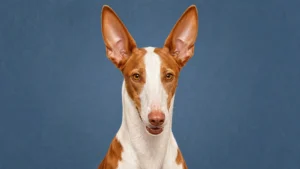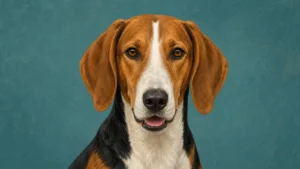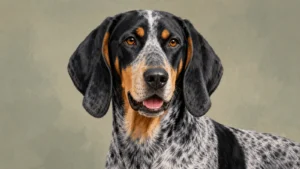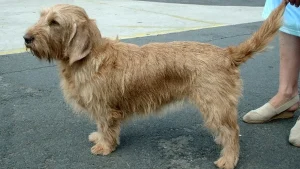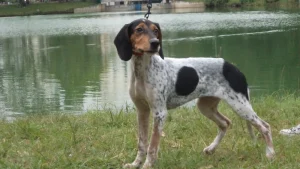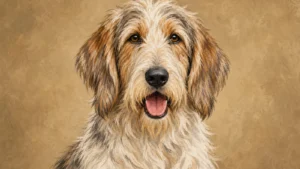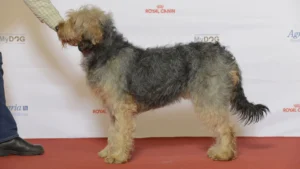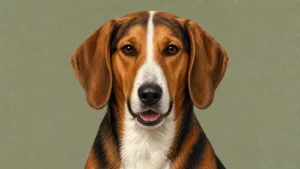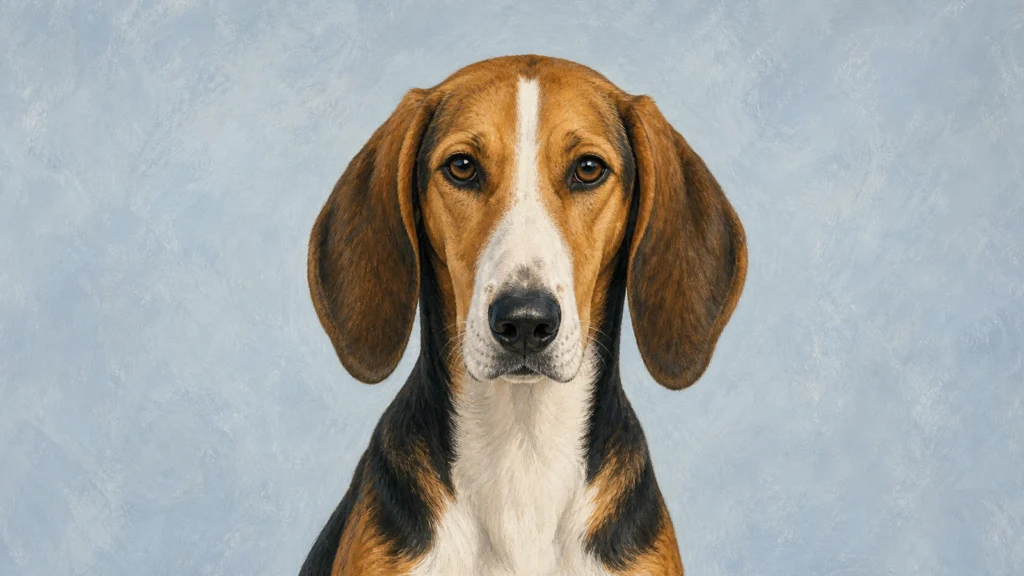
French Tricolour Hound
Breed Group
Hound Dogs
Country of Origin
France
Breed Size
Large
AKC Recognition
Yes
FCI Recognition
Yes, recognized in 1957
Family dog
Poor2 / 10
Good with kids
Not Recommended2 / 10
First-time owner
Fair3 / 10
Apartment dog
Average5 / 10
Yard need
High3 / 10
Can be left alone
Average5 / 10
What Do Owners Want to Know?
Are French Tricolour Hound good family dogs?
The French Tricolour Hound can be a challenging family dog because it is a high-energy pack hunter built for the field rather than domestic life. While athletic and loyal, they require significant physical activity and active environments to properly channel their intense stamina and hunting instincts.
Family dog: 2 / 10
Are French Tricolour Hound good with kids?
French Tricolour Hounds are generally considered patient and gentle with children, making them compatible playmates for active families. Their large, sturdy build allows them to handle energetic play, while their typically docile and balanced nature helps them form loyal bonds. However, because they are high-energy pack hunters with strong instincts, supervision is always recommended to ensure interactions remain safe and manageable.
Good with kids: 2 / 10
Are French Tricolour Hound good for first-time owners?
French Tricolour Hounds are generally considered fair for first-time owners due to their mellow and balanced nature. While they are large, athletic pack hunters with high stamina, they are typically good-natured and manageable for those committed to providing at least an hour of daily moderate to vigorous exercise. Success for a novice depends on maintaining a consistent training routine and ensuring their significant physical and mental stimulation needs are met to prevent boredom.
First-time owner: 3 / 10
Are French Tricolour Hound good apartment dogs?
French Tricolour Hounds are average apartment dogs due to their large size and high energy levels. While they can adapt to smaller spaces, they are primarily pack hunters built for the field and require significant daily exercise and active environments to properly channel their intense stamina and hunting instincts.
Apartment dog: 5 / 10
Do French Tricolour Hound need a yard?
A yard is highly recommended for the French Tricolour Hound to accommodate its high energy and stamina. While they are primarily pack hunters built for the field, a large, securely fenced outdoor space allows them to safely burn off energy and indulge their scent-tracking instincts between daily walks and active excursions.
Yard need: 3 / 10
Can French Tricolour Hound be left alone?
French Tricolour Hounds are pack-oriented hunting dogs that generally handle being alone for moderate periods but prefer the company of other dogs or humans. While they possess an independent working nature, extended isolation can lead to boredom and destructive behaviors, so they thrive best in environments where their social needs and high activity requirements are consistently met.
Can be left alone: 5 / 10
Are French Tricolour Hound good with cats?
French Tricolour Hounds generally coexist peacefully with cats, particularly when raised together from a young age, due to their balanced and social pack-hunting nature. However, their intense prey drive means they may be inclined to chase small animals, so early socialization and supervised introductions are essential to ensure a safe and harmonious household.
Good with cats: 5 / 10
Are French Tricolour Hound aggressive?
French Tricolour Hounds are not naturally aggressive and typically possess a docile, stable temperament, especially toward other dogs due to their pack-hunting heritage. While they can be reserved or wary with strangers, they are generally non-hostile toward people. However, their intense prey drive means they may show aggression toward small animals, making early socialization and consistent leadership essential to managing their hunting instincts.
Aggression tendency: 5 / 10
Are French Tricolour Hound high-energy dogs?
French Tricolour Hounds are high-energy working dogs with impressive stamina and athletic endurance. While they possess a mellow and balanced temperament, they require significant daily physical and mental stimulation to prevent boredom-related behaviors. They are best suited for active environments where they can channel their hunting instincts through vigorous exercise like long-distance running or scent-tracking.
Energy level: 4 / 10
How much exercise does a French Tricolour Hound need?
French Tricolour Hounds are high-energy working dogs with impressive stamina, requiring at least 60 to 120 minutes of vigorous daily exercise. They thrive on activities like long-distance running, hiking, and scent-based tracking in wide-open, rural spaces. Without sufficient physical and mental stimulation, these athletic hounds may develop destructive behaviors such as non-stop barking or digging.
Exercise need: 6 / 10
Can French Tricolour Hound live in hot weather?
Average
Hot weather tolerance: 2 / 10
Can French Tricolour Hound live in cold weather?
French Tricolour Hounds handle cold weather very well due to their dense, weather-resistant double coats, which were bred for endurance in the field. They generally remain comfortable in chilly temperatures, but owners should monitor for signs of discomfort during extreme freezes and ensure they have a warm, dry place to retreat after outdoor activities.
Cold weather tolerance: 8 / 10
Are French Tricolour Hound banned in apartments or rentals?
French Tricolour Hounds are often restricted in apartments and rentals due to their large size and tendency to be extremely vocal. Their high energy levels and intense need for physical activity make them a poor fit for compact urban living, leading many landlords to enforce weight limits or noise policies that exclude these athletic scenthounds. Always verify specific building rules regarding large working breeds and potential noise concerns.
Rental restriction risk: 4 / 10
Vet Insights
French Tricolour Hounds are athletic scenthounds primarily bred for endurance in the field, which predisposes them to specific physical demands and health risks. As a veterinarian, I emphasize monitoring for hip dysplasia, a common concern in large, active breeds that can lead to mobility issues if not managed through maintaining a lean weight and regular joint supplements. Their deep-chested build may also put them at risk for gastric dilatation-volvulus (bloat), requiring owners to feed smaller, frequent meals and avoid vigorous exercise immediately after eating. Additionally, their long ears should be checked regularly for infections, especially after outdoor excursions. Given their high stamina and pack-oriented nature, providing significant daily physical and mental stimulation is essential to prevent boredom-related behaviors and ensure their long-term well-being.