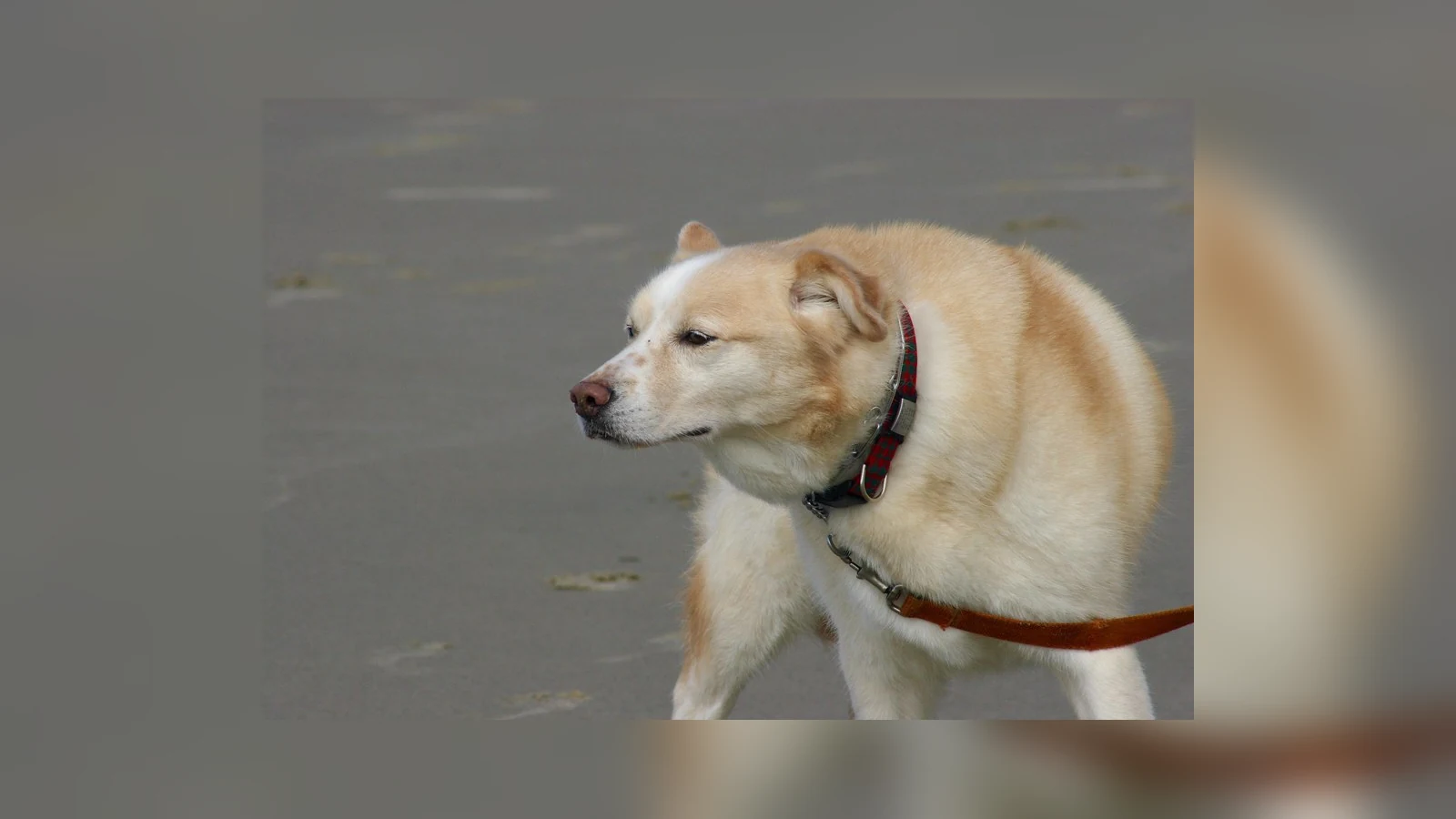
Huskador - MAIN HUB
BREED GROUP
Hybrid Dogs
Country of origin
United States
BREED SIZE
Large
BREED HEIGHT
20 -
28 IN
51 -
71 cm
BREED WEIGHT
45 -
75 LB
20 -
34 KG
WHAT YOU NEED TO KNOW
american kennel club (AKC) recognition
No
Breed was recognized in 0.

International Canine Federation (FCI) recognition
No
Breed was recognized in 0.
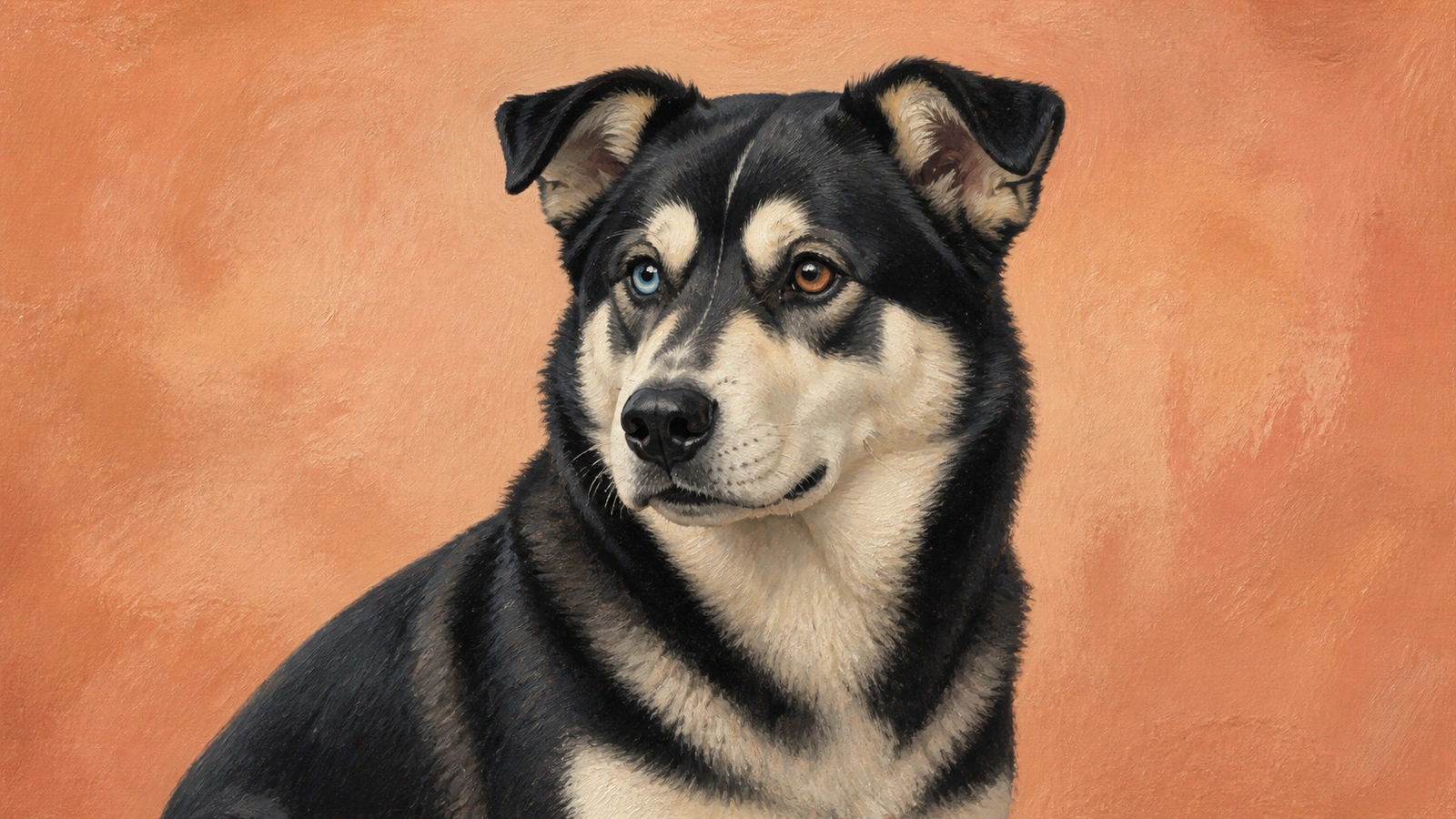
WHAT DO OWNERS WANT TO KNOW?
Are Huskadors good family dogs?
Fair
4 out of 10
Huskadors make excellent family dogs for active households due to their loyal, friendly demeanor and strong desire for close family bonds. Their high intelligence and patient nature, inherited from their parent breeds, allow them to bond deeply and participate in various family adventures.
Are Huskadors good with kids?
Fair
4 out of 10
Huskadors are generally great with children, as they inherit the patient, affectionate nature of Labradors and the playful, social spirit of Huskies. Their sturdy frames allow them to handle active play, but their high energy levels and tendency to be boisterous mean they should be supervised around younger children. Early socialization and training are essential to ensure they remain gentle and well-behaved companions for all family members.
Are Huskadors good dogs for first time owners?
Below Average
4 out of 10
Huskadors may be challenging for first-time owners due to their high energy and the stubborn, independent nature of the Siberian Husky. They require significant daily exercise and mental stimulation to prevent destructive behaviors, as well as consistent training and early socialization. While their friendly Labrador side makes them affectionate, novices must be prepared for their intense activity needs and strong-willed personality.
Are Huskadors good apartment dogs?
Fair
3 out of 10
Huskadors are fair apartment dogs but can be challenging due to their medium-to-large size and exceptionally high energy levels. They require 1 to 2 hours of vigorous daily exercise to prevent boredom and destructive behaviors in confined spaces. Their need for significant physical and mental stimulation makes them best suited for active owners who can commit to a rigorous outdoor routine.
Do Huskadors need a yard?
Below Average
6 out of 10
Huskadors thrive with access to a large, fenced yard where they can safely burn off their high energy and satisfy their athletic instincts. While they can adapt to apartment living if provided with several hours of vigorous daily activity like running or hiking, a yard is highly recommended to accommodate their stamina and prevent destructive behaviors stemming from boredom.
Can Huskadors be left at home alone?
Above Average
6 out of 10
Huskadors are social dogs with a strong pack mentality that makes them prone to separation anxiety when left alone for long periods. While they can manage moderate absences if well-exercised, prolonged isolation often leads to destructive behaviors like chewing or digging. They thrive best in active households where they receive consistent companionship and mental stimulation throughout the day.
Do Huskadors tolerate cats well?
Below Average
3 out of 10
Huskadors can coexist peacefully with cats, but their moderate-to-high prey drive inherited from their parent breeds means they may view them as something to chase. They generally get along well when raised together from a young age and socialized properly. Supervision during introductions and providing safe, elevated spaces for cats is recommended to manage their energetic and curious nature.
Are Huskadors known to be aggressive?
Moderate
6 out of 10
Huskadors are not inherently aggressive, typically inheriting a friendly and social temperament from both Labrador Retriever and Siberian Husky parents. While they may possess protective instincts and a moderate prey drive, any aggressive behavior is usually a result of poor socialization or lack of exercise. Early training and consistent positive reinforcement are essential to ensuring these energetic companions remain gentle and well-adjusted.
Do Huskadors have a lot of energy?
Energetic
7 out of 10
Huskadors are exceptionally high-energy dogs that inherit the endurance of a Siberian Husky and the enthusiasm of a Labrador Retriever. They require significant daily physical and mental stimulation, typically needing 1 to 2 hours of vigorous exercise like running, hiking, or swimming to stay happy and prevent destructive behaviors.
How much exercise do Huskadors need?
1 to 2 hours a day
5 out of 10
Huskadors require approximately 1 to 2 hours of vigorous daily exercise to satisfy their high energy levels and athletic instincts. As a cross between two active working breeds, they thrive on activities such as running, hiking, or swimming. Providing consistent physical and mental stimulation is essential to prevent boredom and destructive behaviors, ensuring they remain happy and well-adjusted companions.
Do Huskadors tolerate hot weather well?
Average
10 out of 10
Huskadors are exceptionally well-suited for hot weather, as they often inherit a more adaptable coat from their Labrador Retriever parent that allows for better heat dissipation than a purebred Husky. Their high energy and athletic build enable them to remain active even in warmer climates. Owners should still ensure consistent access to fresh water and shaded areas to prevent overexertion during intense physical activity.
Are Huskadors good with cold weather?
Average
10 out of 10
Huskadors are exceptionally well-suited for hot weather, as they often inherit a more adaptable coat from their Labrador Retriever parent that allows for better heat dissipation than a purebred Husky. Their high energy and athletic build enable them to remain active even in warmer climates. Owners should still ensure consistent access to fresh water and shaded areas to prevent overexertion during intense physical activity.
Are Huskadors sometimes banned from rentals?
Often Restricted
4 out of 10
Huskadors are often subject to breed restrictions in apartments and rentals due to their parentage. Siberian Huskies are frequently included on restricted breed lists because they are considered a high risk for property damage, such as chewing and howling, and are sometimes classified as an aggressive breed by insurance companies. Additionally, their medium-to-large size and high energy levels may conflict with specific weight limits or activity requirements of some rental properties. Owners should be prepared to provide training certifications, veterinary records, or pet resumes to potentially secure an exception.

WHAT DO OWNERS WANT TO KNOW?