Skip to content

Lancashire Heeler - MAIN HUB

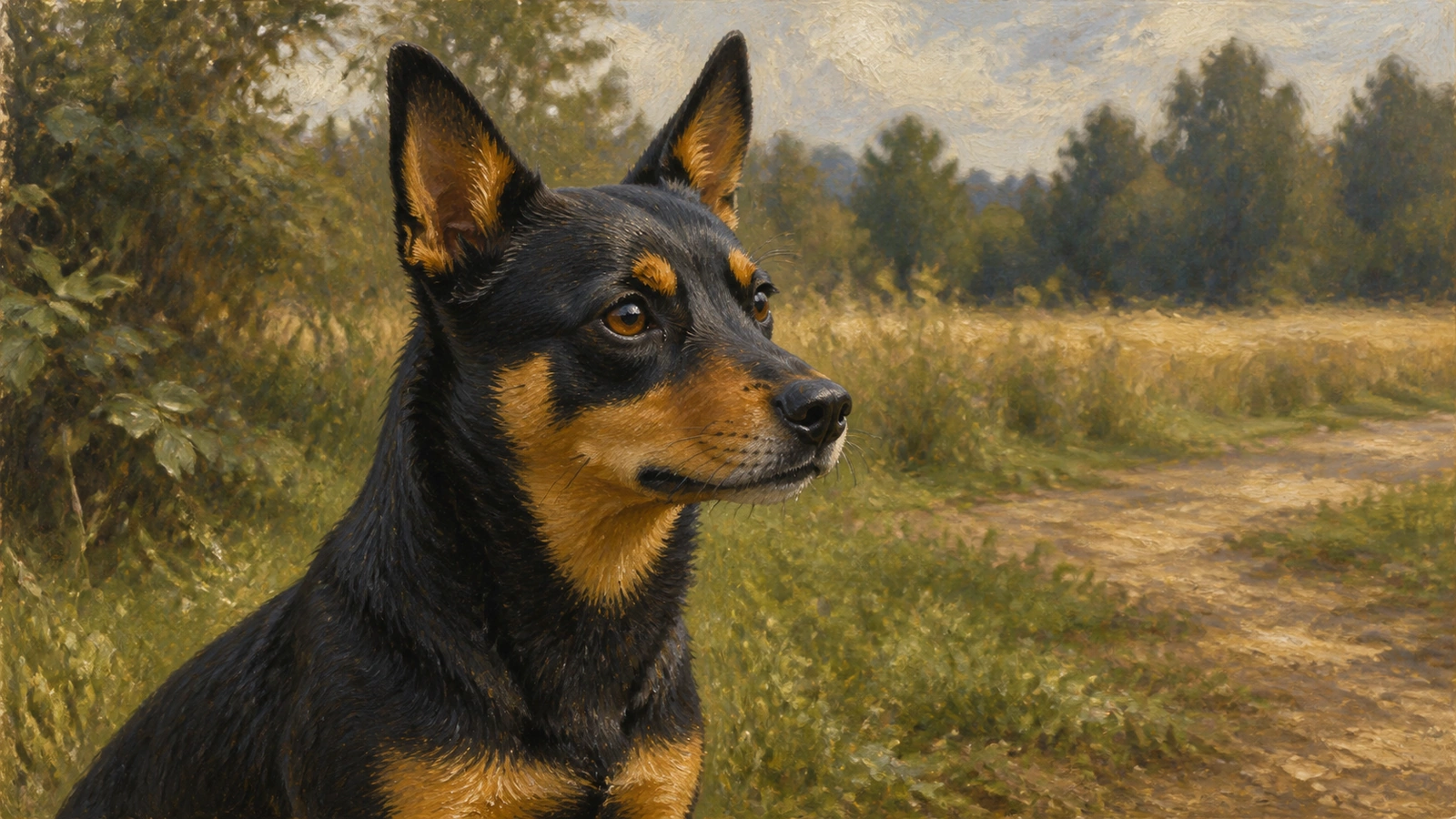
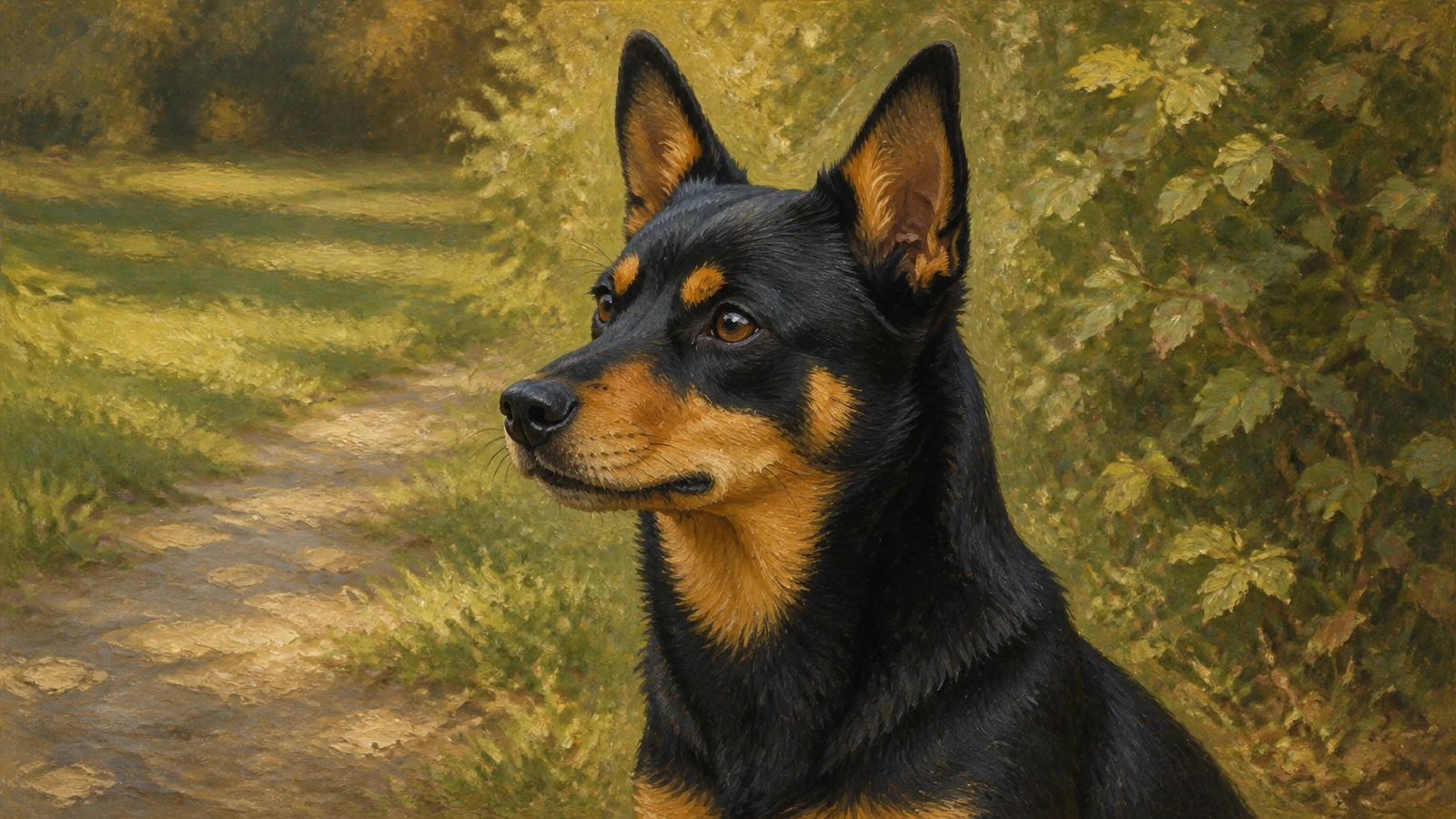
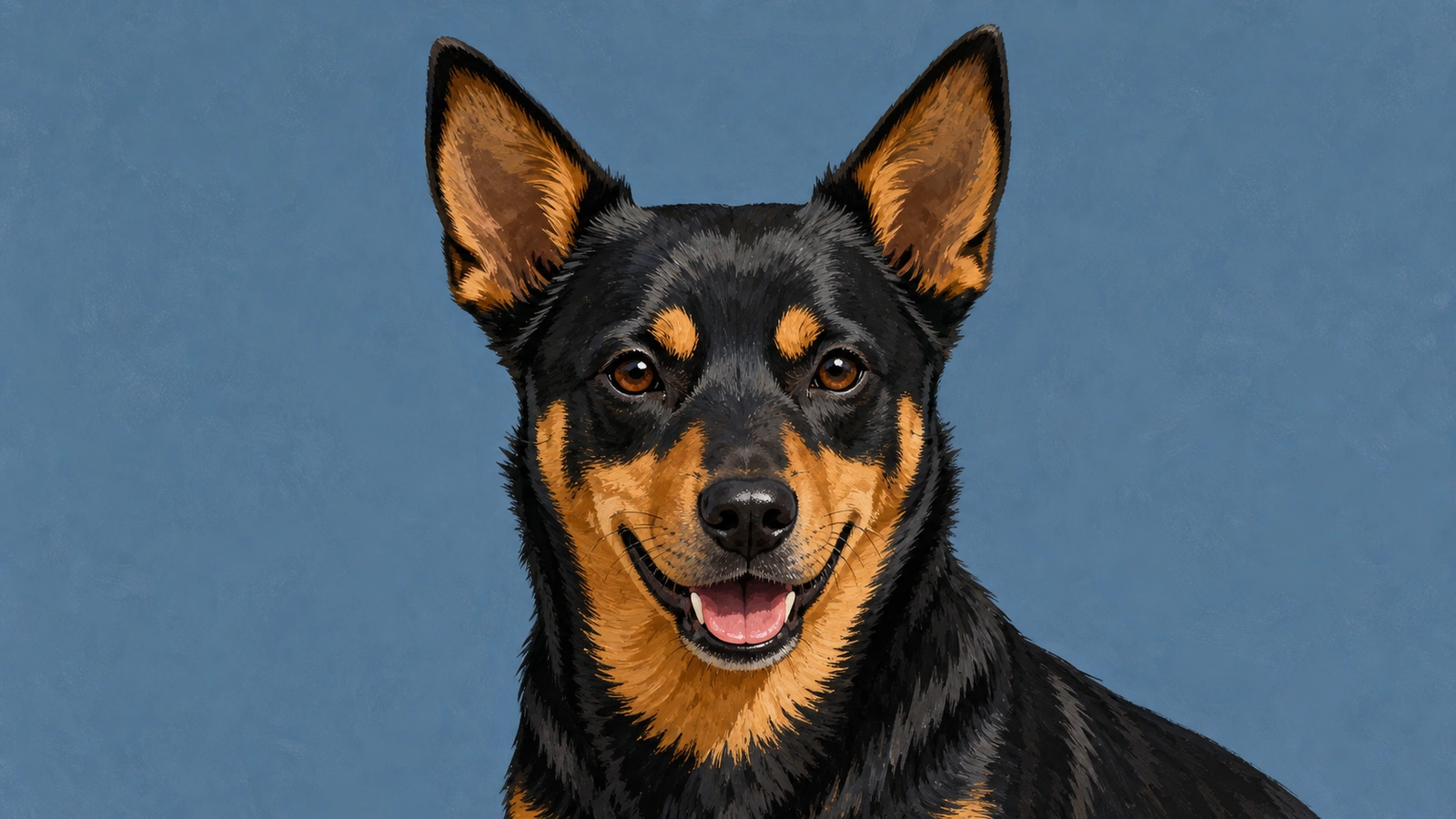
Meet the Lancashire Heeler: a tiny, brainy herding dynamo! Loyal, spunky, and full of “smiles,” this rare gem is the perfect partner for active homes.

BREED GROUP

Herding Dogs

Country of origin

United Kingdom

BREED SIZE

Small

BREED HEIGHT

10 -

12 IN

25 -

30 cm

BREED WEIGHT

9 -

18 LB

4 -

8 KG

WHAT YOU NEED TO KNOW

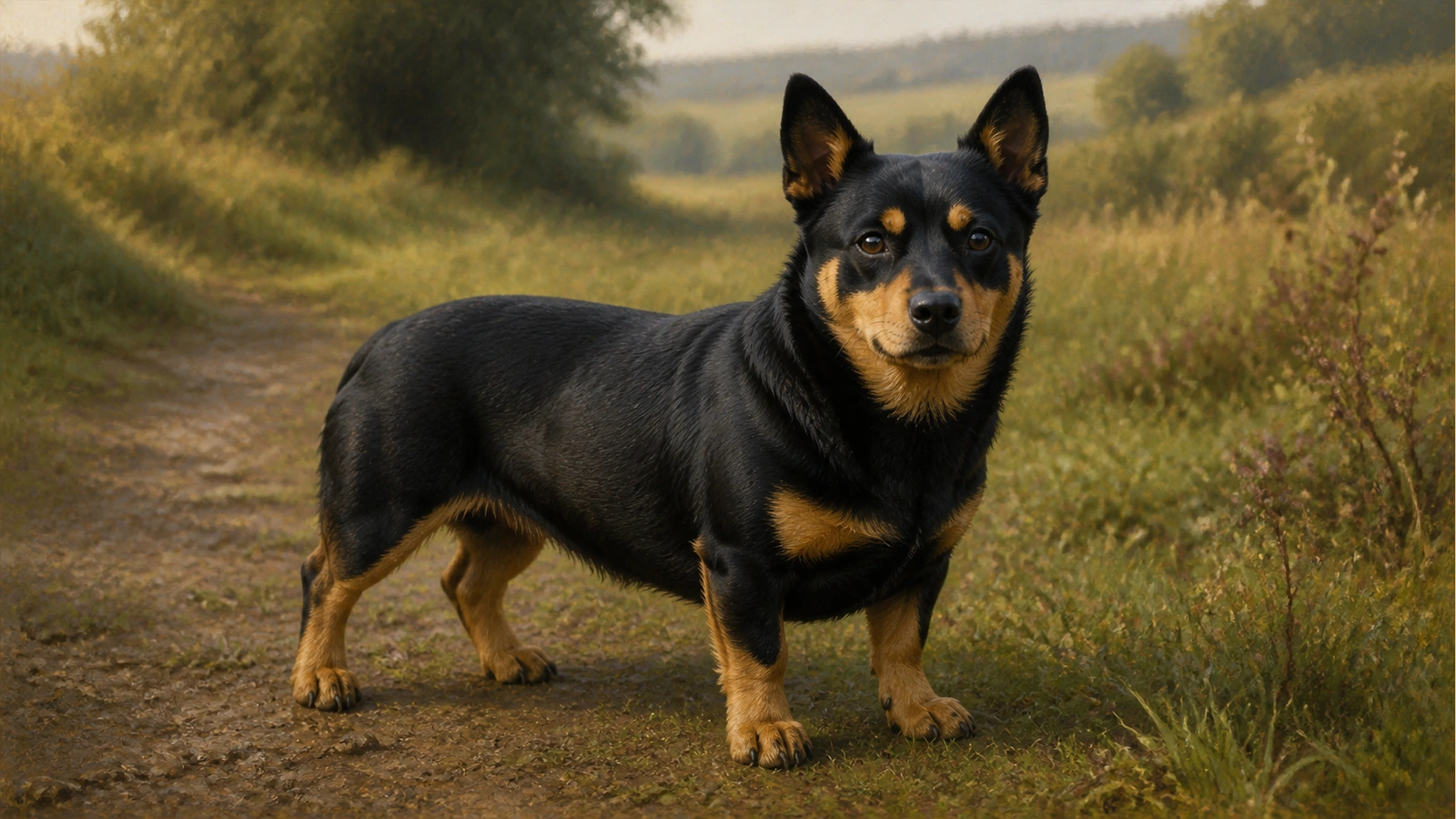
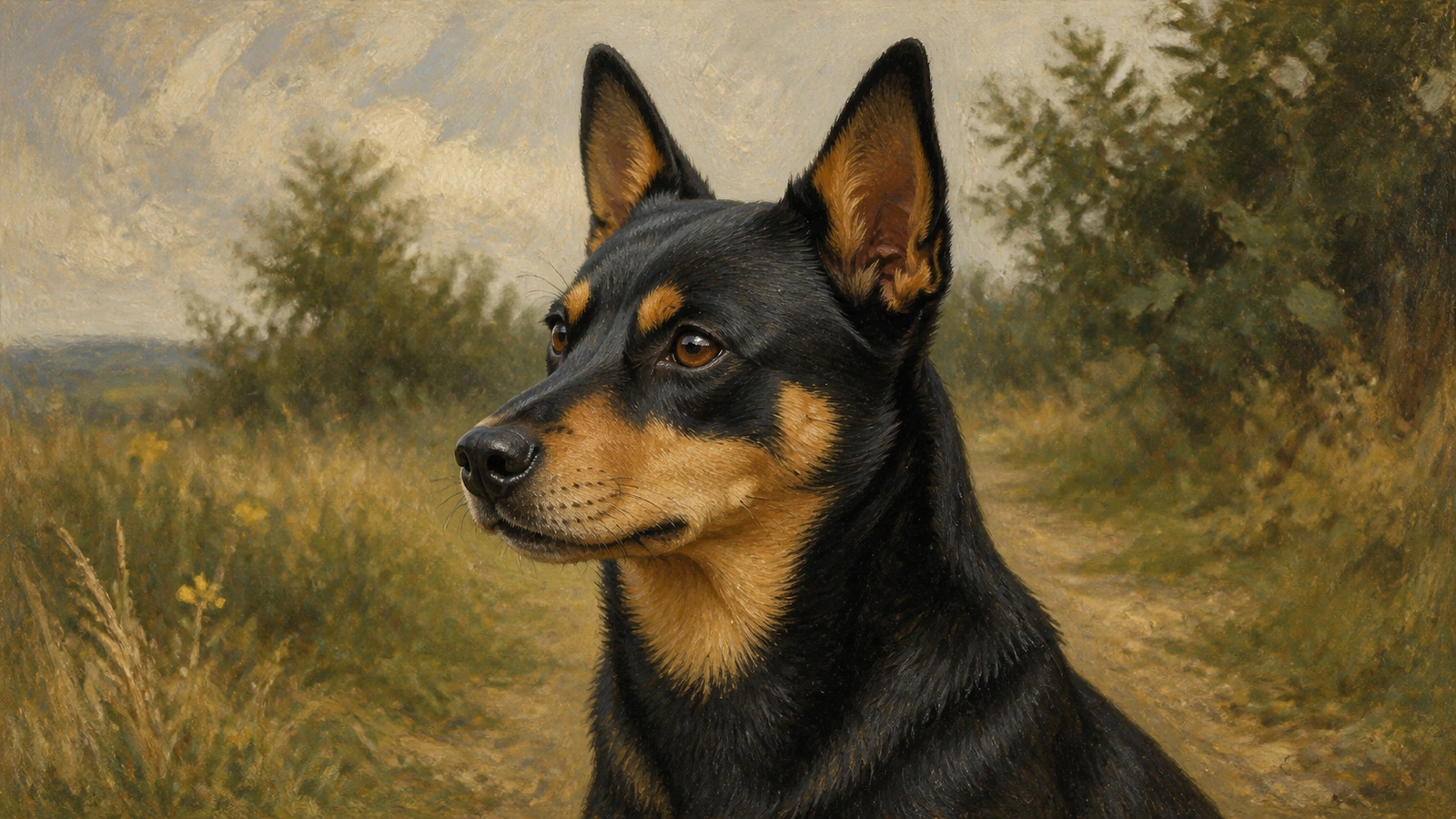
The Lancashire Heeler is a small, sturdy herding dog originating from the United Kingdom. Known for its intelligence and high energy, this breed excels in agility and obedience while remaining a devoted family companion. They typically weigh 9-17 pounds and live 12-15 years. Their short, weather-resistant coat requires minimal grooming, but they need significant daily exercise and mental stimulation. While affectionate with owners, they possess strong herding instincts and may nip at heels, making early socialization and firm, consistent training essential for a well-adjusted pet.
american kennel club (AKC) recognition

Yes

Breed was recognized in 2024.

International Canine Federation (FCI) recognition

Yes

Breed was recognized in 1954.
WHAT DO OWNERS WANT TO KNOW?

Are Lancashire Heelers good family dogs?

Good

7 out of 10

The Lancashire Heeler is a devoted and affectionate companion that can be a good family dog for active households. However, their strong herding instincts may lead them to nip at heels, necessitating early socialization and consistent training to ensure they integrate well with all family members.

Good

7 out of 10

Lancashire Heelers are generally good with children, known for being affectionate and loyal family companions. Due to their herding background, they may instinctively nip at heels, making them better suited for families with older, respectful children who understand how to interact with them. Supervision is recommended with younger kids to ensure play remains safe and to manage their high-energy, working-dog nature.

Very Good

7 out of 10

Lancashire Heelers can be a slight challenge for first-time owners due to their independent streak and high energy. While they are intelligent and eager to please, they require a patient, consistent owner who can provide firm guidance and significant mental stimulation. Dedicated novices who commit to early socialization and regular exercise will find them to be loyal and rewarding companions.

Great

8 out of 10

Lancashire Heelers can adapt well to apartment living due to their compact size and versatile nature. However, because they are high-energy working dogs, they require significant daily physical exercise and mental stimulation to prevent boredom-induced barking or destructive behavior. As long as their activity needs are met through regular walks and play, they can thrive in smaller living spaces.

Very Low

8 out of 10

A yard is not strictly required for a Lancashire Heeler, as they can adapt to apartment living provided their high energy levels are managed. However, a securely fenced yard is highly recommended for this active working breed to enjoy safe, off-leash playtime and burn off stamina. Because they are known escape artists, any outdoor space must be well-secured, and consistent daily walks remain essential to satisfy their physical and mental stimulation needs.

Poor

2 out of 10

Lancashire Heelers are highly social and crave human interaction, making them prone to separation anxiety if left alone for too long. While they can manage moderate periods of solitude if well-exercised, they thrive in households where someone is frequently present. Without companionship or mental stimulation, they may develop unwanted behaviors like excessive barking or destructive chewing.

Good

6 out of 10

Lancashire Heelers can get along well with cats, especially when raised together from a young age. However, their strong herding and hunting instincts may trigger an urge to chase or herd feline companions. Consistent training and early socialization are essential to manage these behaviors and ensure a harmonious multi-pet household.

Protective

3 out of 10

Lancashire Heelers are not inherently aggressive; they are typically friendly, affectionate, and loyal companions. While they may be cautious or reserved around strangers and can be protective of their families, any aggressive behavior is uncommon and usually a result of their strong herding instincts or a lack of socialization. With early training and positive reinforcement, they remain spirited and devoted pets.

Very High

9 out of 10

Lancashire Heelers are high-energy working dogs that require significant daily physical exercise and mental stimulation. They thrive on activities like long walks, agility training, and interactive play to channel their spirited nature and prevent boredom-induced behaviors. While affectionate and capable of relaxing at home, they are best suited for active households that can provide consistent outlets for their athletic and intelligent minds.

30-60 min a day

8 out of 10

Lancashire Heelers require moderate to high levels of daily exercise, typically between 30 to 60 minutes of activity. As high-energy herding dogs, they thrive on a combination of brisk walks, free running in a secure area, and interactive play like fetch or hiking. Because they are highly intelligent, incorporating mental stimulation through training, agility trials, or puzzle games is essential to prevent boredom and ensure a well-adjusted, happy companion.

Good

6 out of 10

Lancashire Heelers have a moderate tolerance for hot weather, but their dense, weather-resistant double coats can make them susceptible to overheating in extreme temperatures. Owners should provide ample shade and fresh water, and limit vigorous outdoor activity to the cooler morning or evening hours to prevent heat stress.

Good

6 out of 10

Lancashire Heelers have a moderate tolerance for hot weather, but their dense, weather-resistant double coats can make them susceptible to overheating in extreme temperatures. Owners should provide ample shade and fresh water, and limit vigorous outdoor activity to the cooler morning or evening hours to prevent heat stress.

Rarely Banned

8 out of 10

Lancashire Heelers are rarely subject to apartment breed bans because they are small, affectionate companions that adapt well to various living environments. Their compact size generally falls within standard weight limits, making them widely accepted in most rentals. However, since they are active herding dogs, it is important to confirm individual landlord policies regarding energy levels or specific pet insurance requirements.

WHAT DO OWNERS WANT TO KNOW?


Photo
Reviewed by
Dr. Vojtech Gabriel
DVM · PhD · MBA
Veterinarian Researcher Dog breed specialist
Verified

"The Lancashire Heeler is a sturdy breed, but as a veterinarian, I focus on several hereditary conditions that can impact their quality of life. The most significant concern is Primary Lens Luxation (PLL), a painful condition where the lens of the eye dislocates, potentially leading to glaucoma and blindness. They are also prone to Collie Eye Anomaly (CEA), which affects retinal development, as well as hereditary cataracts and Patellar Luxation. Because many of these conditions are inherited, I strongly advise purchasing puppies only from breeders who provide DNA test results and clinical eye certificates for both parents. Maintaining a healthy weight and ensuring regular veterinary eye examinations are essential for the long-term well-being of this spirited herding dog."

Other Herding Dogs