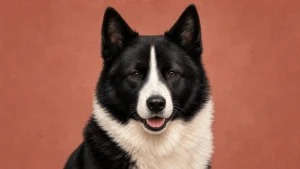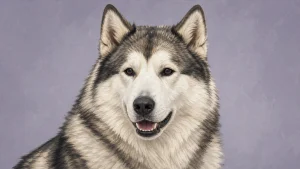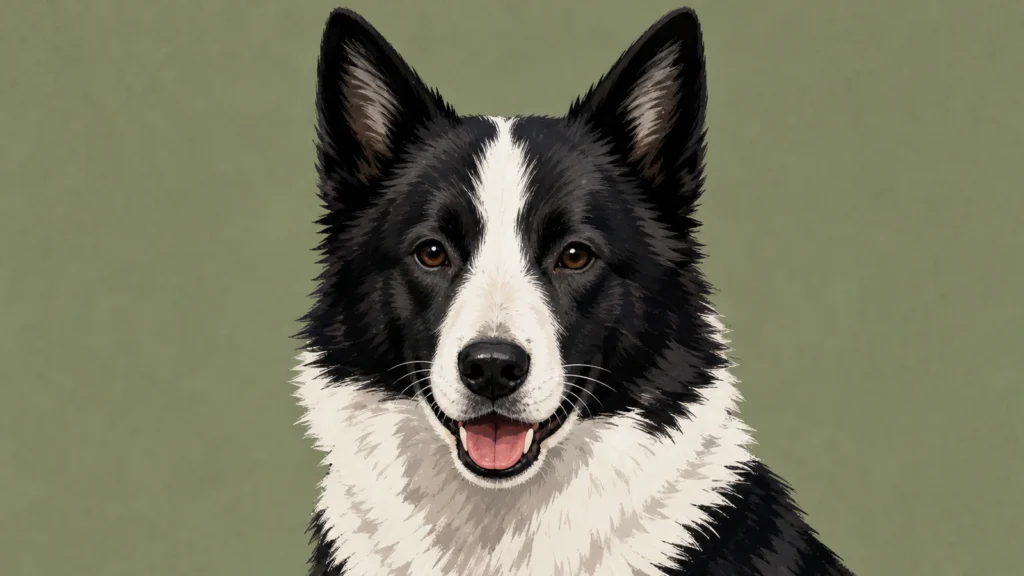
Russian-European Laika
Breed Group
Spitz Dogs
Country of Origin
Russia
Breed Size
Medium
AKC Recognition
No
FCI Recognition
Yes, recognized in 1980
Family dog
Very Good8 / 10
Good with kids
Good8 / 10
First-time owner
Great8 / 10
Apartment dog
Below Average4 / 10
Yard need
Above Average4 / 10
Can be left alone
Good7 / 10
What Do Owners Want to Know?
Are Russian-European Laika good family dogs?
The Russian-European Laika is an excellent companion for active families due to its loyal, protective nature and remarkable tolerance of children. However, its high energy and territorial instincts mean it thrives best with owners who can provide consistent training and significant daily exercise.
Family dog: 8 / 10
Are Russian-European Laika good with kids?
Russian-European Laikas are excellent companions for children due to their loyal, patient, and remarkably tolerant nature. Their energetic and playful spirit makes them wonderful playmates for active kids, though their medium-to-large size and hunting background mean supervision is recommended to ensure safe interactions. Early socialization and consistent training are key to maintaining their gentle and reliable behavior around the youngest family members.
Good with kids: 8 / 10
Are Russian-European Laika good for first-time owners?
Russian-European Laikas are not recommended for first-time owners due to their high energy, intense training needs, and strong hunting instincts. While they are loyal and intelligent, their independent nature and territorial tendencies require an experienced handler who can provide consistent socialization and vigorous daily exercise. Success with this breed requires a significant commitment to both physical and mental stimulation.
First-time owner: 8 / 10
Are Russian-European Laika good apartment dogs?
Russian-European Laikas are generally not recommended for apartment living due to their high energy levels, vocal nature, and strong hunting instincts. They thrive best in rural environments with ample outdoor space to roam and may become restless or destructive if confined to small, urban spaces without significant daily exercise.
Apartment dog: 4 / 10
Do Russian-European Laika need a yard?
While a yard is not strictly required for a Russian-European Laika, it is highly recommended due to their high energy and need for significant exercise. They thrive best in rural settings with ample space to run and explore, making a fenced yard an ideal environment to help meet their physical and mental stimulation needs.
Yard need: 4 / 10
Can Russian-European Laika be left alone?
Russian-European Laikas are moderately tolerant of being left alone, but they thrive on companionship and require significant mental and physical stimulation. While they can manage moderate periods of solitude if well-exercised, prolonged isolation may lead to boredom and destructive behaviors. They are best suited for households where they can remain active and engaged with their family throughout the day.
Can be left alone: 7 / 10
Are Russian-European Laika good with cats?
Russian-European Laikas are generally not recommended for households with cats due to their exceptionally high prey drive and natural hunting instincts. Originally bred to hunt and kill small game, they may view feline companions as prey. While early socialization and constant supervision are essential, their territorial nature and tendency to be aggressive toward smaller animals make a harmonious multi-pet household with cats difficult to achieve.
Good with cats: 3 / 10
Are Russian-European Laika aggressive?
Russian-European Laikas are not naturally aggressive to humans but possess a high prey drive and can be highly territorial toward other dogs and small animals. Early socialization and supervision are recommended.
Aggression tendency: 7 / 10
Are Russian-European Laika high-energy dogs?
Russian-European Laikas are highly energetic hunting dogs that require significant daily exercise and mental stimulation to remain happy and well-behaved. They thrive in active households where they can participate in vigorous activities like long hikes or running in open spaces. Without at least one to two hours of daily physical engagement, these high-spirited dogs may become bored and exhibit destructive behaviors.
Energy level: 7 / 10
How much exercise does a Russian-European Laika need?
Russian-European Laikas are highly energetic hunting dogs that require a significant amount of daily physical activity to stay healthy and prevent destructive behavior. They need at least one to two hours of vigorous exercise, such as long walks, jogs, or off-leash runs in secure areas. These dogs thrive best in rural environments where they have ample space to explore and engage their strong hunting instincts.
Exercise need: 9 / 10
Can Russian-European Laika live in hot weather?
Russian-European Laikas have a very poor tolerance for hot weather due to their thick, insulating double coats designed for Siberian climates. They are highly susceptible to overheating and heatstroke in warm or humid conditions. Owners must exercise extreme caution, providing constant access to shade, fresh water, and air conditioning while limiting outdoor activities to the coolest parts of the day.
Hot weather tolerance: 2 / 10
Can Russian-European Laika live in cold weather?
Russian-European Laikas are exceptionally well-suited for cold weather, having been developed in the harsh climates of northern Russia and Siberia. Their thick, weather-resistant double coat, consisting of a harsh outer layer and a dense, woolly undercoat, provides excellent insulation against freezing temperatures and snow. While they thrive in the cold, owners should still ensure they have access to dry shelter and fresh, unfrozen water during extreme winter conditions.
Cold weather tolerance: 7 / 10
Are Russian-European Laika banned in apartments or rentals?
Russian-European Laikas are often subject to apartment restrictions due to their high energy levels, vocal nature, and strong hunting instincts. Their need for significant outdoor space and potential for territorial behavior can make them less suitable for compact urban living. Prospective owners should verify individual landlord policies and insurance requirements, as this active breed thrives best in rural environments with ample room to roam.
Rental restriction risk: 4 / 10
Vet Insights
The Russian-European Laika is a hardy hunting breed, but as a veterinarian, I recommend proactive screening for hip and elbow dysplasia, as they are predisposed to these hereditary joint conditions. Though data is limited, they may also be at risk for progressive retinal atrophy and cataracts, so regular ophthalmic exams are advised. Given their thick double coats, maintaining a lean body weight is essential to reduce joint stress, and owners must provide ample shade and water in warmer climates to prevent overheating. Early socialization and consistent mental engagement are also vital to manage their high energy and strong hunting instincts.