Skip to content

Shikoku - MAIN HUB

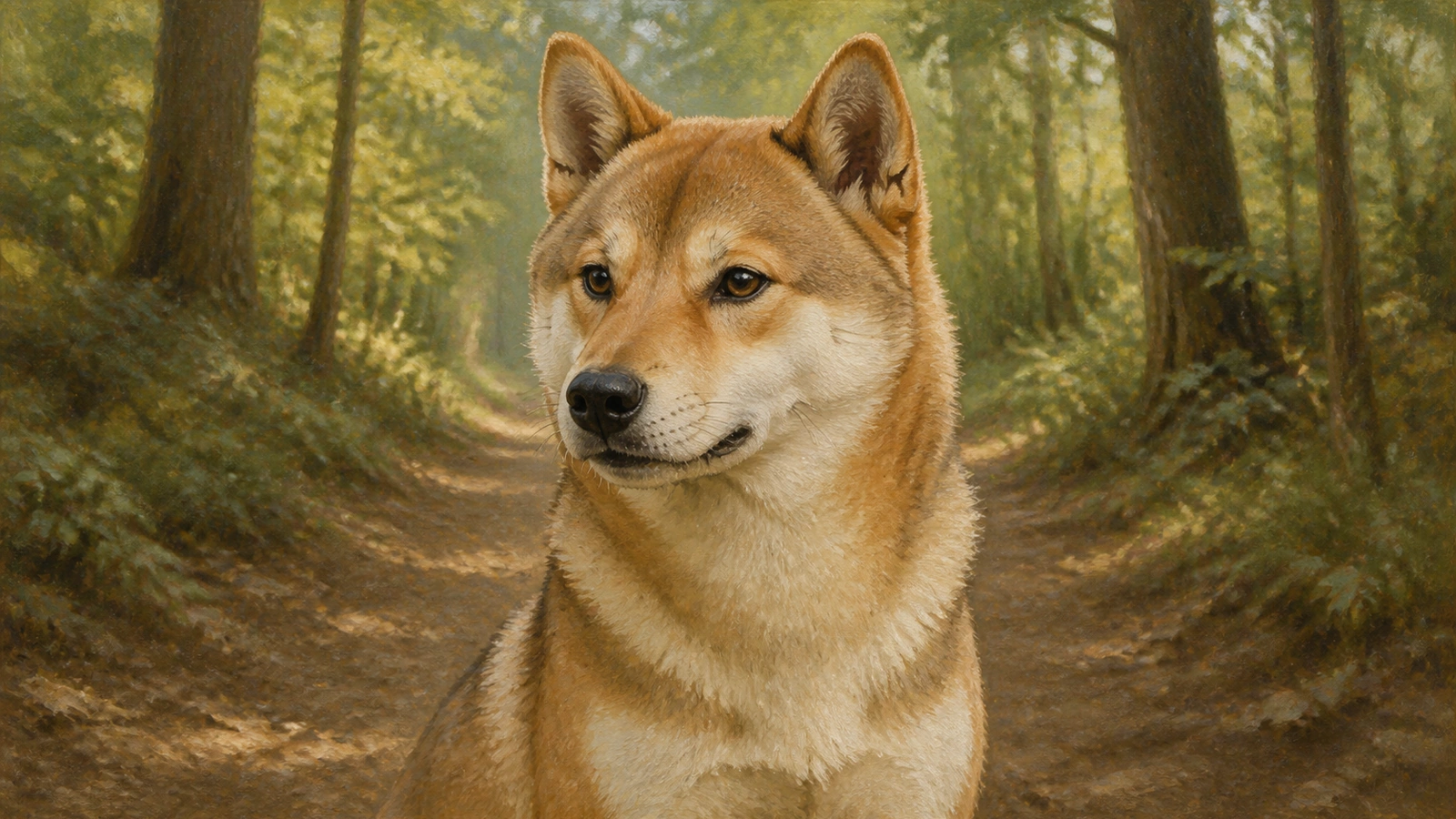
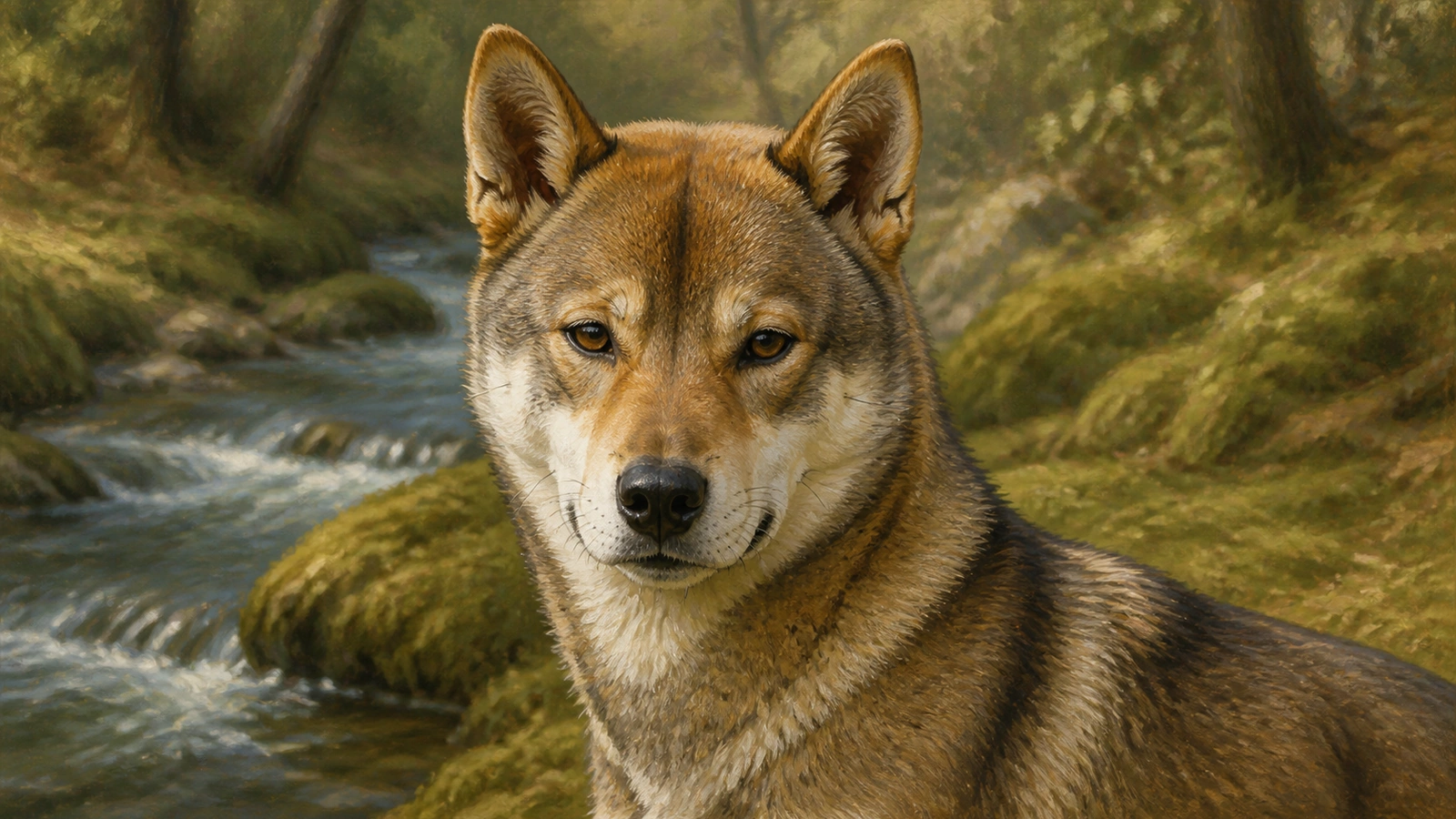
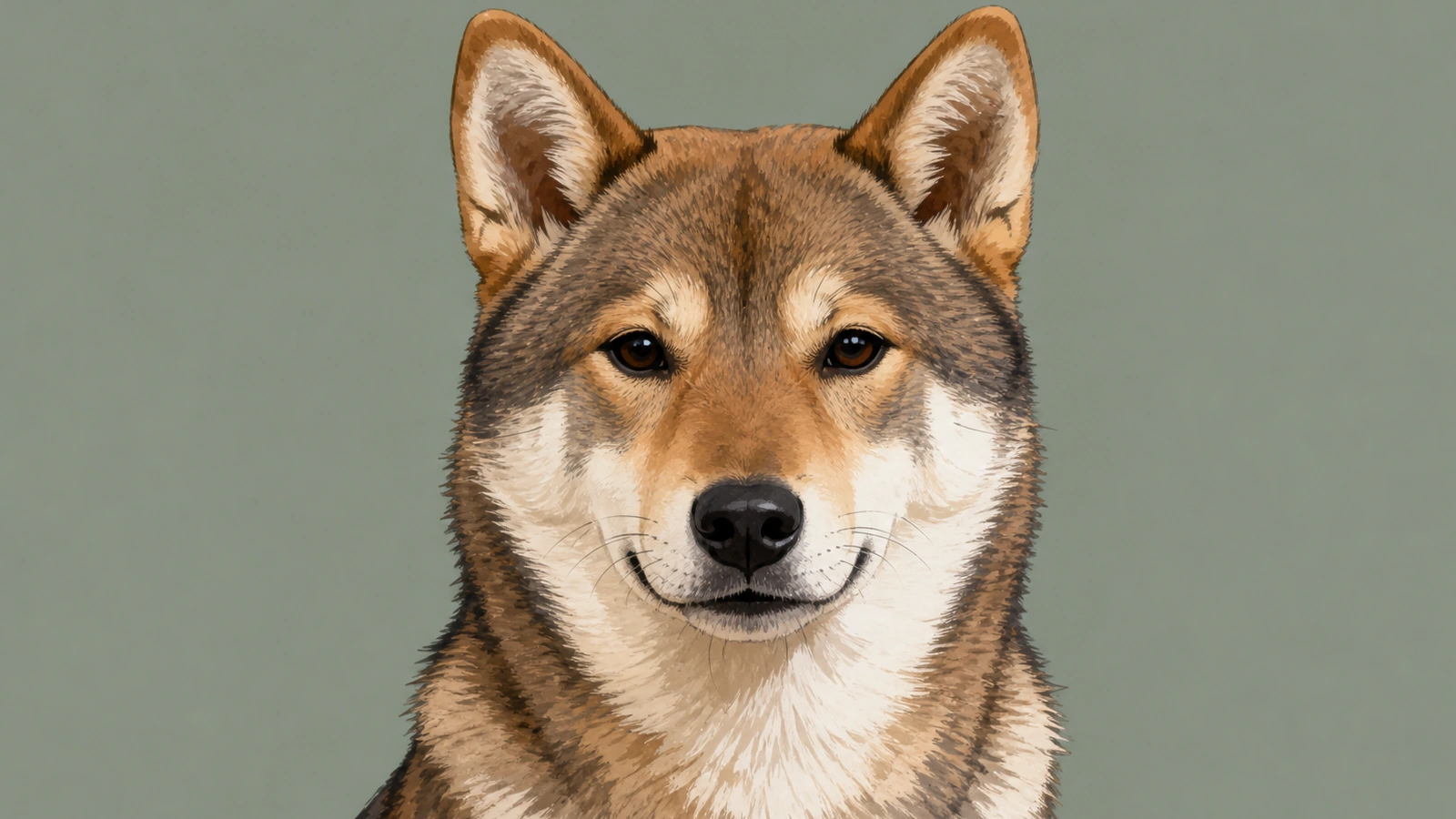
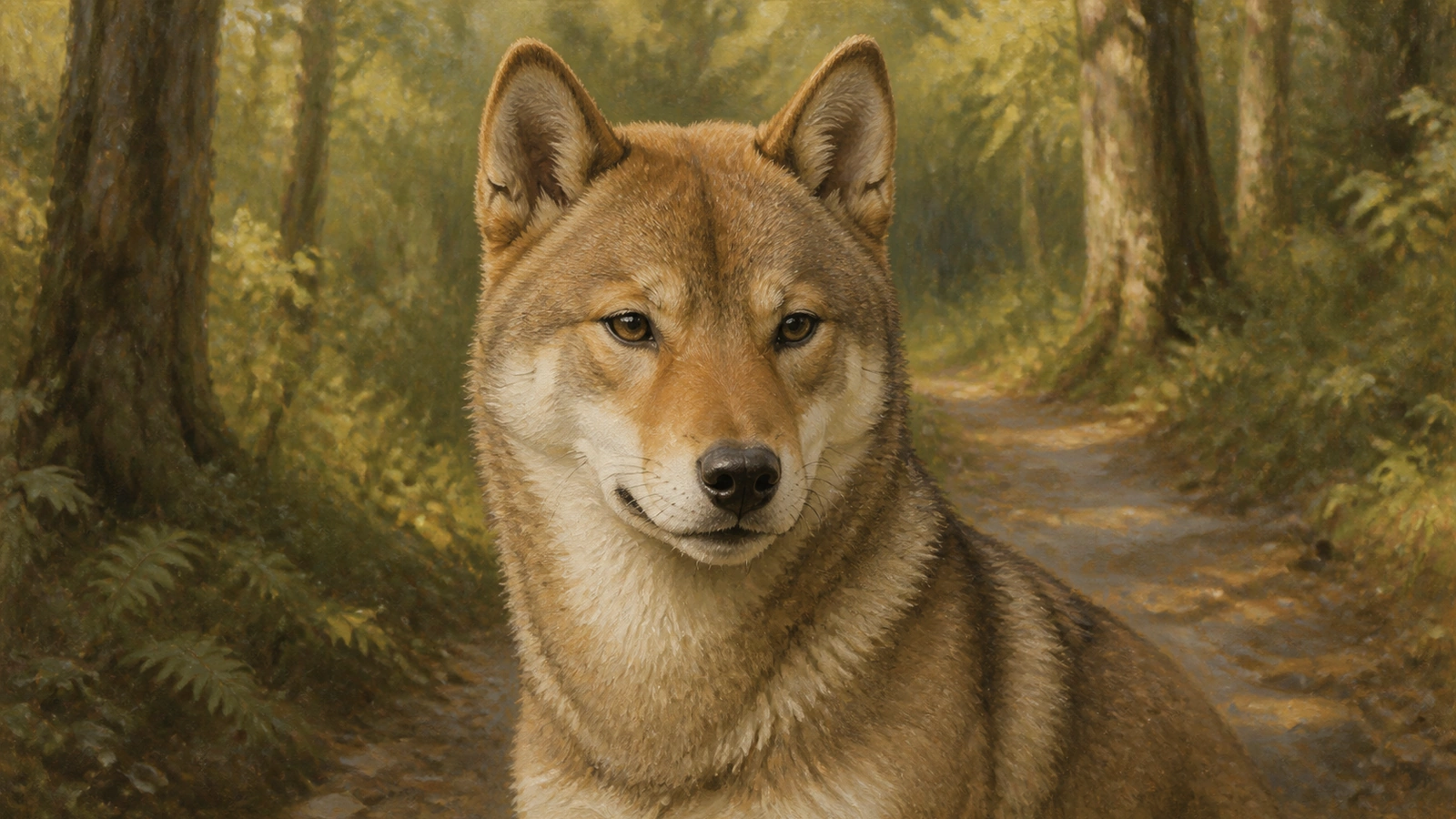
The Shikoku is a rare, wolf-like Japanese hunter known for its fierce loyalty and athletic drive. Perfect for active, experienced owners!

BREED GROUP

Spitz Dogs

Country of origin

Japan

BREED SIZE

Medium

BREED HEIGHT

17 -

22 IN

43 -

56 cm

BREED WEIGHT

35 -

55 LB

16 -

25 KG

WHAT YOU NEED TO KNOW

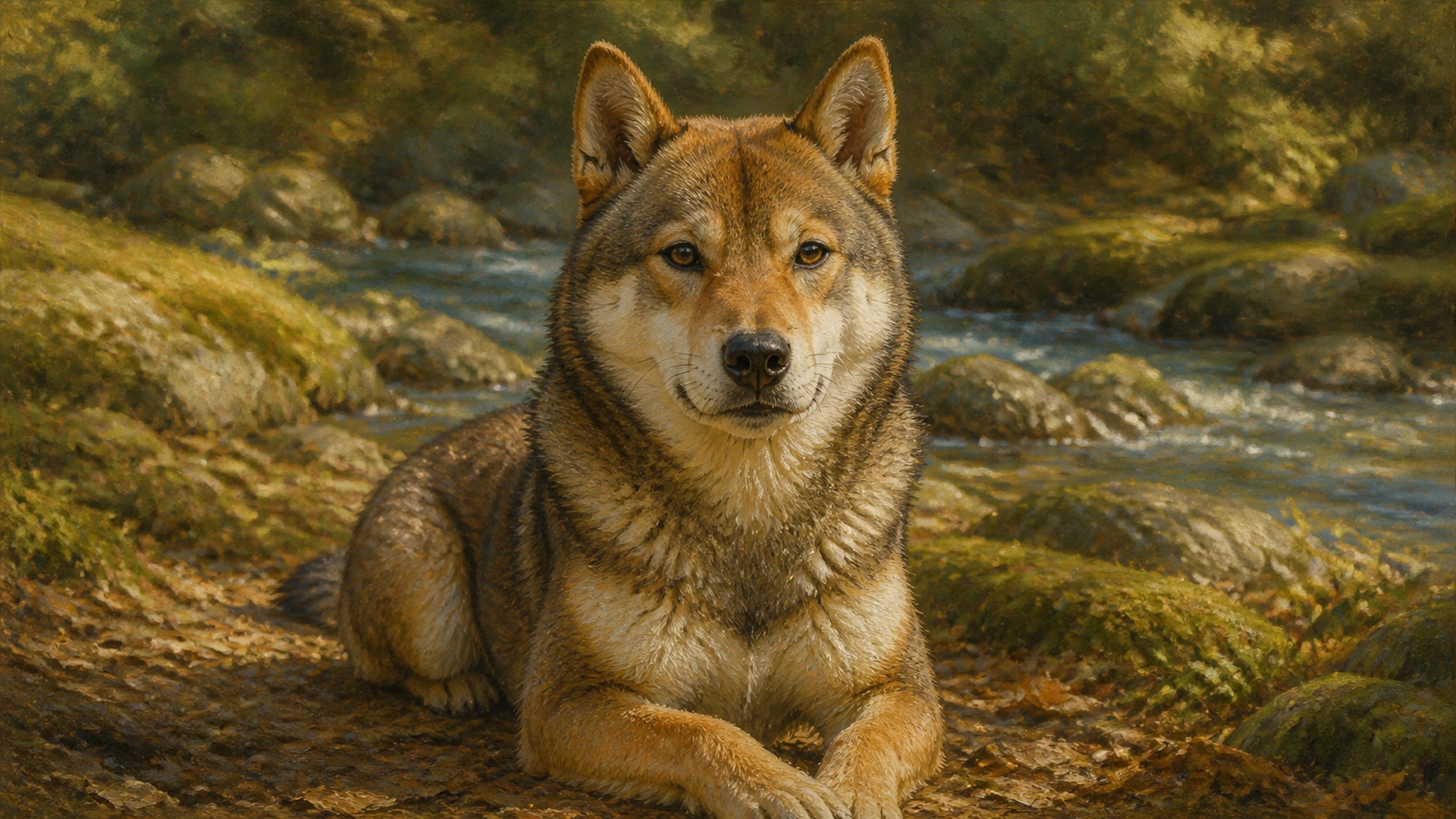
The Shikoku is a rare, medium-sized Japanese breed originally developed for hunting boar in rugged mountains. Known for its wolf-like appearance and sesame-colored double coat, this athletic dog is fiercely loyal to its family but often reserved with strangers. With a lifespan of 10-12 years, the Shikoku possesses high energy, acute senses, and a strong prey drive, requiring vigorous daily exercise and mental stimulation. While intelligent and docile with their owners, they have an independent streak that demands experienced handling and consistent, positive reinforcement training.
american kennel club (AKC) recognition

No

Breed was recognized in 0.

International Canine Federation (FCI) recognition

Yes

Breed was recognized in 1964.
WHAT DO OWNERS WANT TO KNOW?

Are Shikokus good family dogs?

Good

5 out of 10

The Shikoku is a fiercely loyal and docile companion for its owners, making it a devoted family dog for those who can manage its high energy and hunting instincts. However, its independent streak and need for vigorous daily exercise mean it is best suited for active families with experience in handling athletic, primitive breeds.

Average

5 out of 10

Shikoku can be good with children if raised with them, particularly older children who understand how to interact respectfully. However, they are not recommended for homes with young children due to their low tolerance for rough play and potential to be overprotective or snappy if they feel their space is invaded. Consistent training and supervision are essential to ensure safe interactions.

Average

5 out of 10

The Shikoku is generally not recommended for first-time owners due to its independent nature, high prey drive, and need for experienced handling. While loyal and intelligent, they can be stubborn and impulsive, requiring firm, consistent, and positive reinforcement training. Success for a novice would require a significant commitment to vigorous daily exercise and extensive early socialization to manage their primitive instincts.

Average

5 out of 10

Shikoku are average apartment dogs because while they are generally quiet and polite indoors, they have a vocal nature and high energy levels that require consistent physical and mental outlets. They can adapt to smaller living spaces provided they receive regular exercise to prevent boredom and potential behavioral issues. Their independent spirit and need for an active lifestyle make them better suited for apartment dwellers who are committed to daily outdoor engagement and structured training.

Low

7 out of 10

A yard is not strictly required for a Shikoku, but it is highly recommended due to their high energy levels and athletic nature. While they can adapt to apartment living if their significant physical and mental exercise needs are met through long walks and hikes, a securely fenced yard provides a safe space for them to play and satisfies their instinctual need to roam and explore.

Good

7 out of 10

Shikoku are highly social animals that crave human companionship and can manage being left alone for moderate periods, but they are prone to destructive behaviors like excessive barking if isolated for too long with nothing to do. They thrive best in active households where they are treated as part of the family and provided with sufficient mental and physical stimulation to prevent boredom.

Poor

2 out of 10

Shikokus have a high prey drive due to their hunting background, making them generally unsafe around cats and other small pets. While they may coexist with cats they are raised with from a young age through early socialization and slow introductions, their strong instinct to chase means they should never be left unsupervised with feline companions.

Reserved

7 out of 10

Shikokus are not naturally aggressive toward people, often described as loyal and docile with their owners. However, they are a primitive hunting breed with a high prey drive and a cautious, reserved nature toward strangers. Without early and extensive socialization, they can become suspicious or protective, potentially leading to reactivity or aggression toward other dogs and unfamiliar people. Consistent, positive reinforcement training is essential to manage their independent spirit and ensure they remain well-behaved companions.

High Energy

4 out of 10

Shikokus are high-energy, athletic hunters that require vigorous daily exercise and mental stimulation to stay healthy. They thrive as companions for active owners who enjoy hiking, jogging, and long outdoor adventures, but they can become destructive or vocal if bored or under-stimulated. While they are famously energetic and agile outdoors, they are known to be calm and quiet companions when relaxing at home with their families.

~60-90 min a day

4 out of 10

Shikokus require significant daily exercise, typically between 60 and 90 minutes of vigorous activity. As athletic hunters, they thrive on long walks, hikes, and jogging to satisfy their physical and mental needs. Without consistent outlets for their high energy, they may develop destructive behaviors or become vocal, making regular engagement essential for a well-balanced companion.

Very Poor

2 out of 10

Shikokus have a low tolerance for hot weather due to their thick, insulating double coats, which were originally developed for cold mountain climates. They are prone to overheating in high temperatures and humidity. Owners should provide constant access to shade and fresh water, and limit vigorous outdoor activities to the cooler morning or evening hours to prevent heatstroke.

Very Poor

2 out of 10

Shikokus have a low tolerance for hot weather due to their thick, insulating double coats, which were originally developed for cold mountain climates. They are prone to overheating in high temperatures and humidity. Owners should provide constant access to shade and fresh water, and limit vigorous outdoor activities to the cooler morning or evening hours to prevent heatstroke.

Sometimes Restricted

5 out of 10

The Shikoku is sometimes subject to rental restrictions due to its medium size, high prey drive, and primitive breed status, which can be associated with higher risks for noise or dog reactivity. While not commonly found on standard "dangerous breed" lists, their rarity and hunting background may require owners to provide training certificates or pet references to satisfy landlord concerns. Owners should always verify individual property policies and consider pet liability insurance to facilitate approval in apartment environments.

WHAT DO OWNERS WANT TO KNOW?


Photo
Reviewed by
Dr. Vojtech Gabriel
DVM · PhD · MBA
Veterinarian Researcher Dog breed specialist
Verified

"The Shikoku is a generally healthy and hardy breed, but as a veterinarian, I recommend proactive screening for orthopedic issues such as hip and elbow dysplasia, which affect approximately 25% of the population. This breed is also genetically predisposed to idiopathic epilepsy, necessitating a seizure action plan and regular neurological monitoring. Owners should also be aware of potential eye conditions like entropion and progressive retinal atrophy, as well as a sensitive digestive constitution that may lead to food intolerances. Maintaining a consistent dental routine and avoiding pediatric spaying or neutering is essential to support proper musculoskeletal development and long-term health."


Other Spitz Dogs