Skip to content

Black Norwegian Elkhound - MAIN HUB

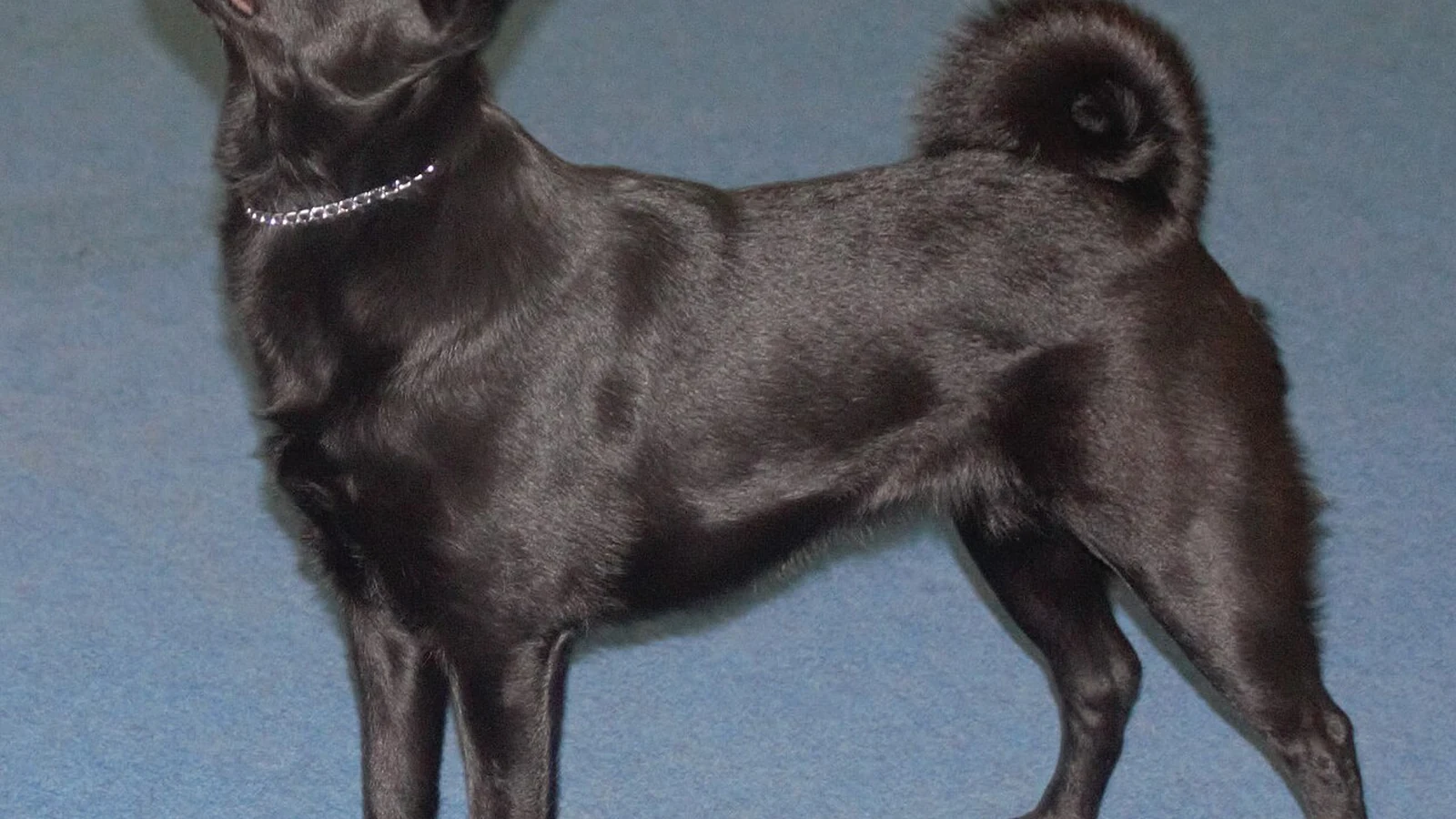
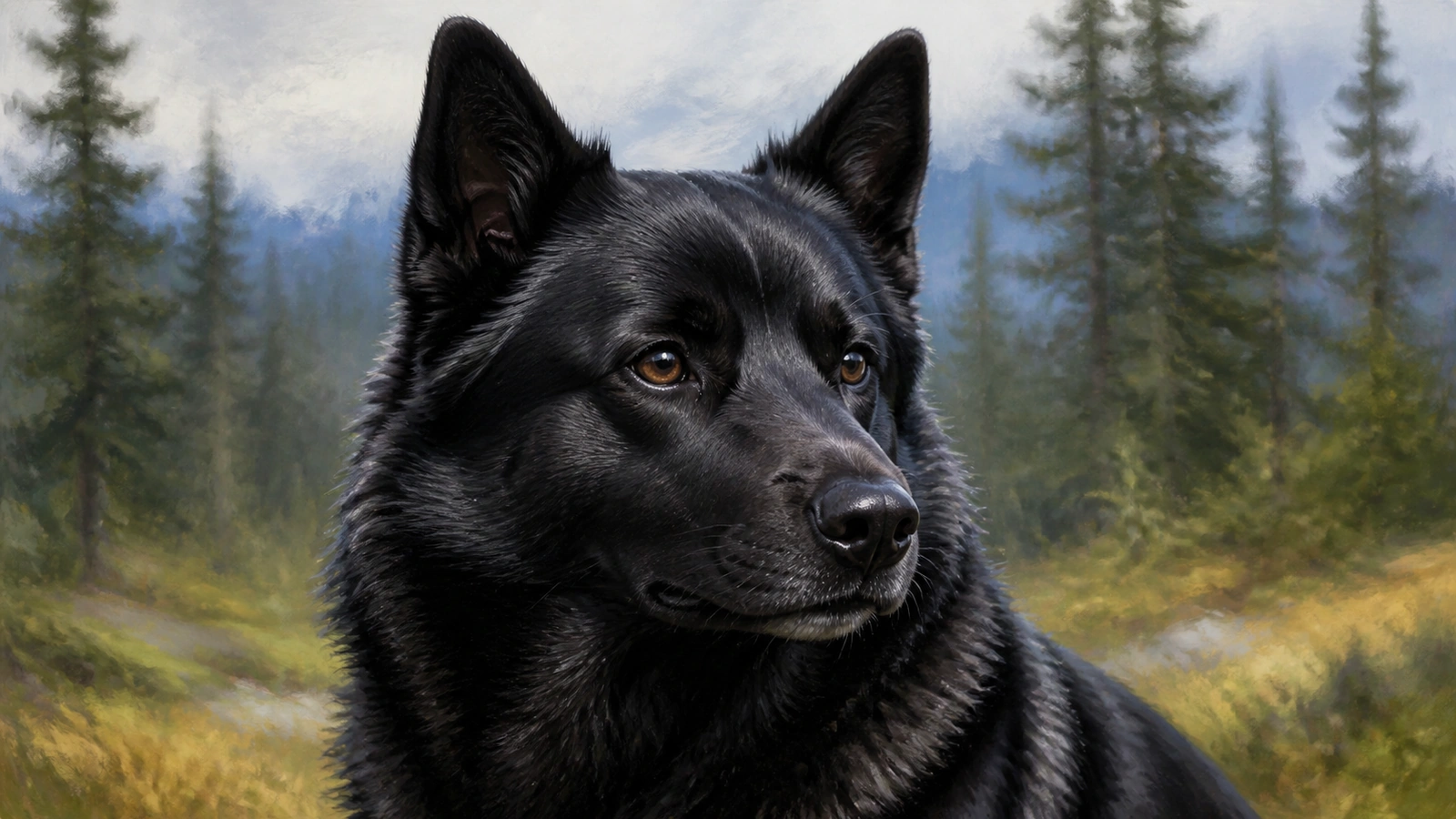
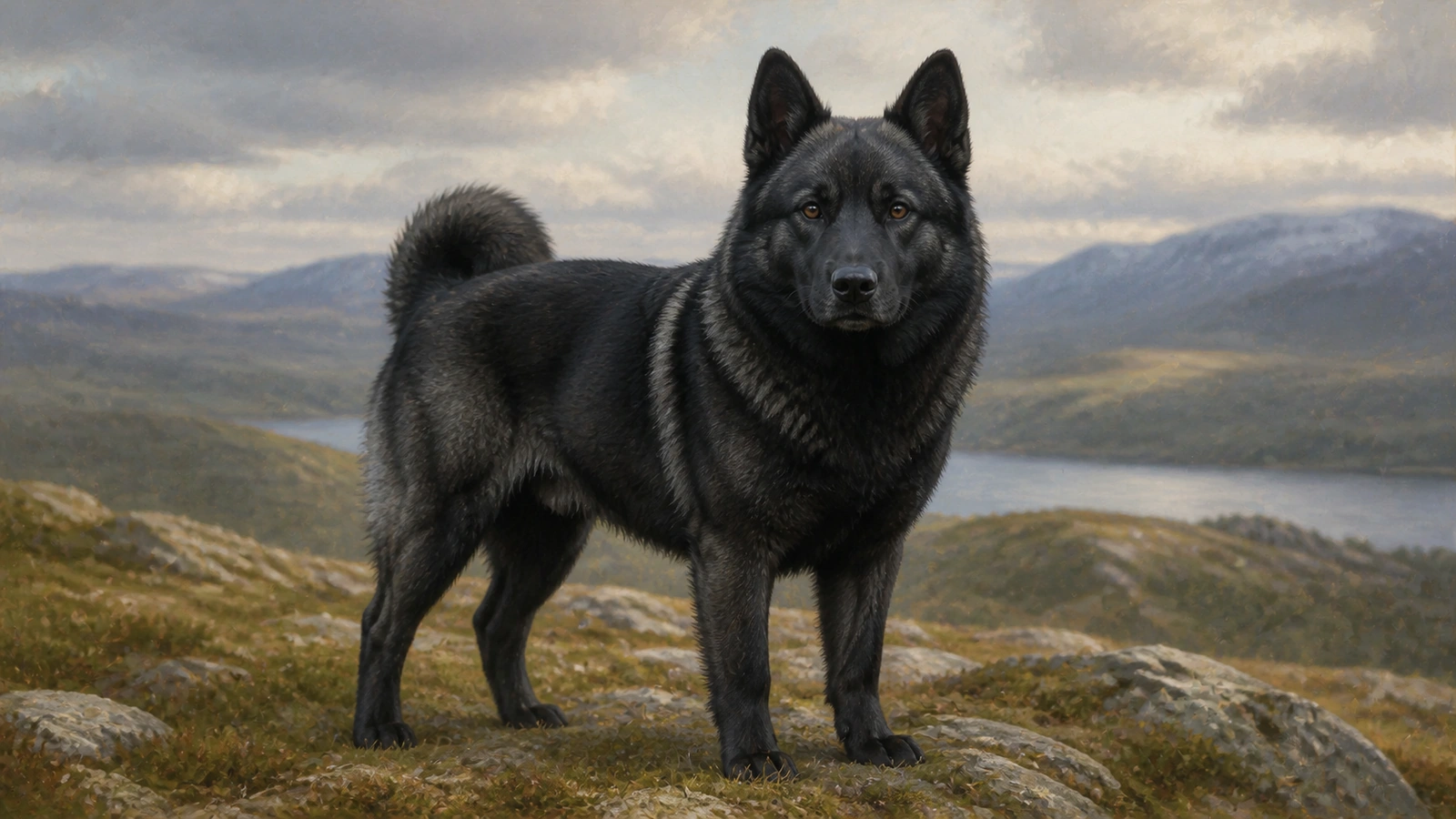
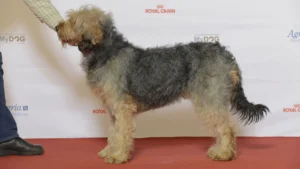
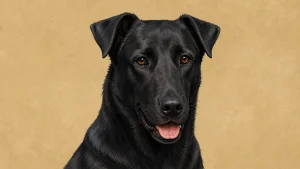
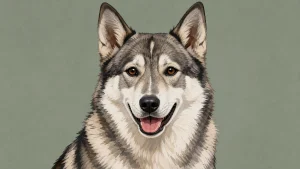
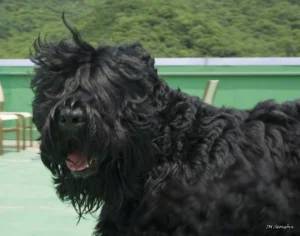
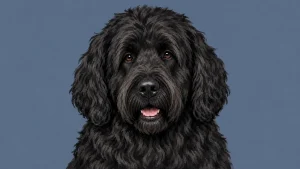
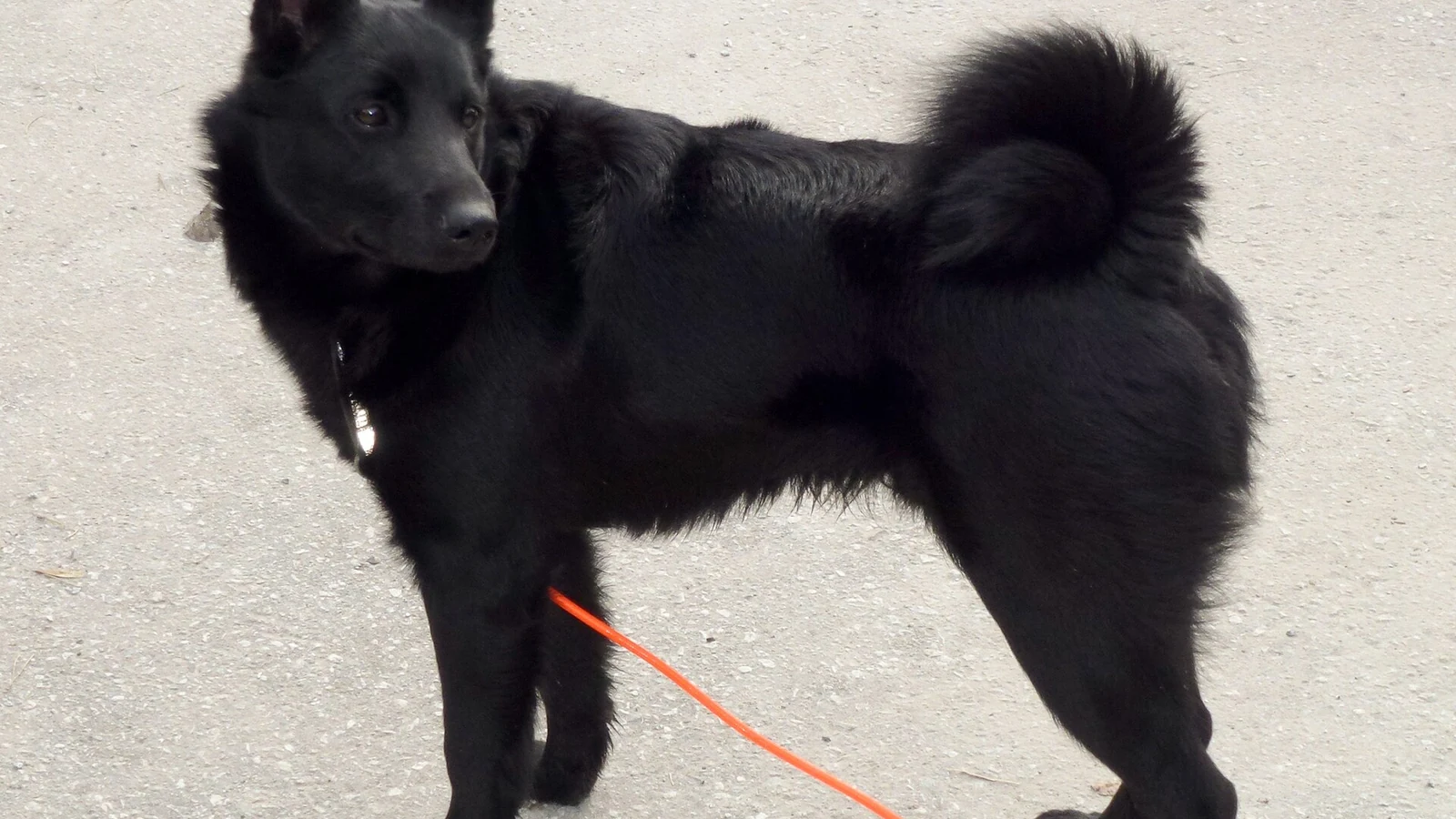
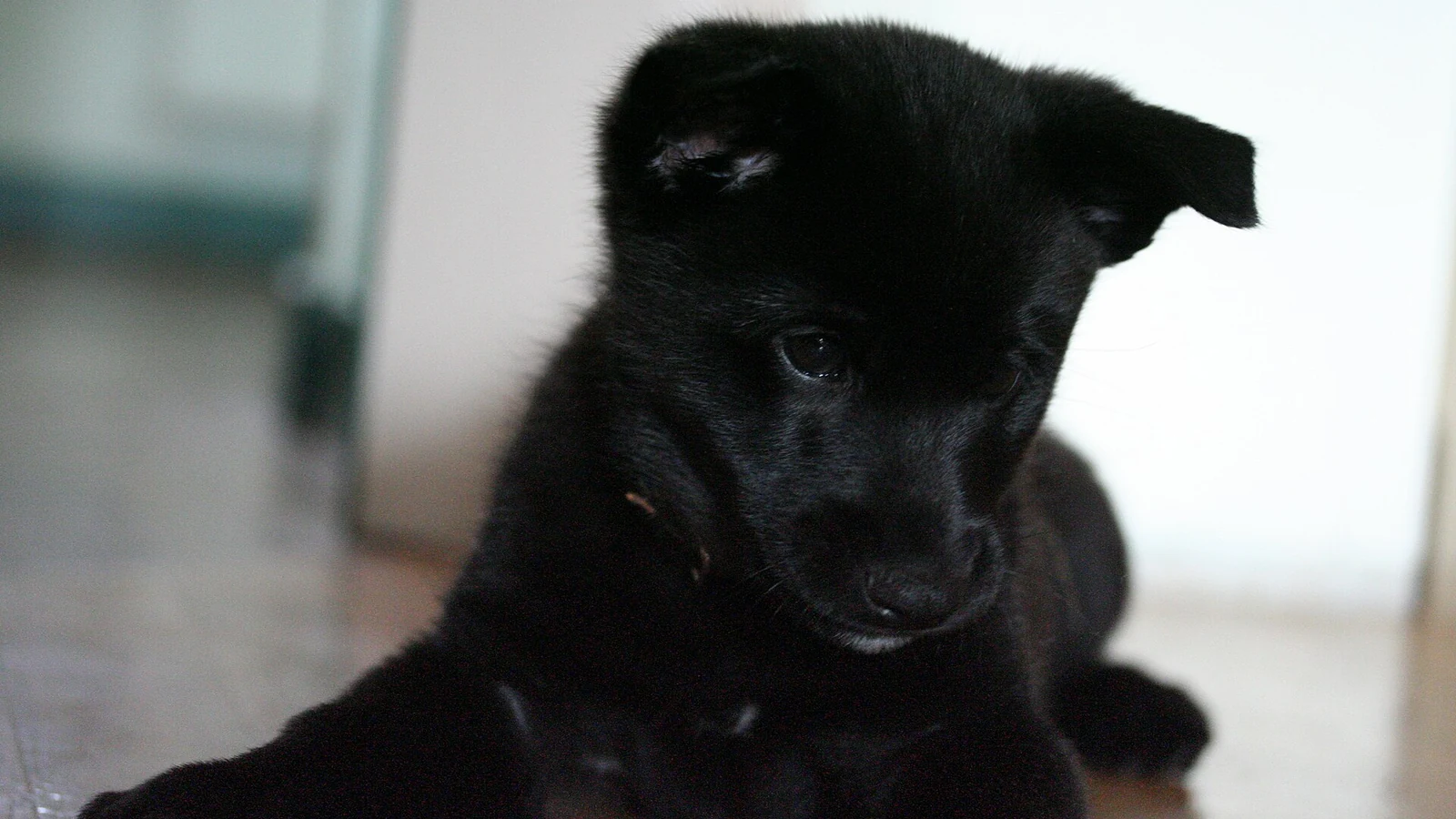
The Black Norwegian Elkhound is a rare, agile hunter and devoted companion. This loyal, high-energy Spitz thrives in active homes and cold climates.

BREED GROUP

Spitz Dogs

Country of origin

Norway

BREED SIZE

Medium

BREED HEIGHT

17 -

20 IN

43 -

51 cm

BREED WEIGHT

35 -

55 LB

16 -

25 KG

WHAT YOU NEED TO KNOW

The Black Norwegian Elkhound is a rare, agile Spitz-type breed originating from Norway. Known as a versatile hunting companion and devoted family dog, it is smaller and quieter than the Grey Norwegian Elkhound. These intelligent dogs form strong bonds with owners and are generally good with children, though they require early socialization and consistent training due to their independent nature. Highly active and cold-hardy, they thrive on vigorous daily exercise and mental stimulation. Their dense, weather-resistant black double coat needs regular grooming, and owners should be mindful of their high prey drive.
american kennel club (AKC) recognition

No

Breed was recognized in 0.

International Canine Federation (FCI) recognition

No

Breed was recognized in 0.
WHAT DO OWNERS WANT TO KNOW?

Are Black Norwegian Elkhounds good family dogs?

Very Good

8 out of 10

Black Norwegian Elkhounds make devoted family dogs that form strong bonds with their owners and are generally good with children. While they are affectionate companions, their independent nature requires early socialization and consistent training to ensure they integrate well into a household. They are best suited for active families that can provide the vigorous daily exercise and mental stimulation these intelligent dogs need.

Excellent

9 out of 10

Black Norwegian Elkhounds are generally excellent with children, known for being patient, protective, and loyal family companions. While their high energy and spirited nature require supervised play, their deep bonds with their pack make them wonderful playmates for kids. Early socialization and consistent training are key to ensuring they remain calm and well-mannered around children.

Good

6 out of 10

Black Norwegian Elkhounds are suitable for first-time owners who can commit to an active lifestyle and consistent, positive training. Their intelligence and loyalty make them rewarding companions, but their independent nature and high energy can be challenging for novices. Success for a first-time owner depends on providing the vigorous daily exercise and mental stimulation this spirited breed requires to remain well-behaved.

Average

5 out of 10

While they are smaller than the Grey variety, they are generally not recommended for apartments due to their high energy and vocal nature. They can adapt to apartment living provided their high energy and mental stimulation needs are met through vigorous daily exercise, but they are ideally suited for homes with yards where they can freely burn energy. Their vocal nature and potential for boredom-induced behavior require dedicated training and activity to ensure they remain polite in close quarters.

Highly Recommended

2 out of 10

A yard is not strictly required for a Black Norwegian Elkhound, as they can adapt to apartment living if their high physical and mental exercise needs are met. However, a large, securely fenced yard is highly recommended to accommodate their high energy levels and provide a safe space for them to roam without wandering off due to their strong hunting instincts.

Not Recommended

1 out of 10

While social, they were specifically bred for on-leash hunting and may handle solitude better than some other Spitz breeds if properly exercised. Black Norwegian Elkhounds are highly social and devoted to their families, making them prone to separation anxiety if left alone for extended periods without exercise. They thrive best in active households where they receive consistent human companionship and mental stimulation. Prolonged isolation may lead to boredom, excessive barking, or destructive behaviors as they prefer to be involved in daily family activities.

Poor

2 out of 10

Black Norwegian Elkhounds are generally not well-suited for homes with cats due to their powerful hunting instincts and high prey drive. The Black Norwegian Elkhound often has a higher prey drive than the Grey variety, requiring even more caution with smaller pets. They are prone to viewing smaller animals as prey and may chase them, particularly when outdoors. While coexistence is possible if they are raised together from a young age, owners must prioritize early socialization, slow introductions, and constant supervision to ensure the safety of all pets.

Alert

4 out of 10

Black Norwegian Elkhounds are not naturally aggressive; they are known for being fearless, friendly, and reliable companions. While they possess strong protective instincts and make excellent watchdogs that will alert owners to strangers, they are not typically attack dogs. Any potential aggression is usually limited to same-sex dogs if proper leadership is not established, but with early socialization and firm, positive training, they remain devoted and well-behaved family pets.

Energetic

7 out of 10

Black Norwegian Elkhounds are highly active dogs that require vigorous daily physical exercise and mental stimulation to thrive. They are best suited for energetic owners, as a lack of activity can lead these intelligent Spitz-type dogs to become bored and potentially destructive.

~45 min a day

5 out of 10

Black Norwegian Elkhounds require approximately 45 to 60 minutes of vigorous daily exercise to satisfy their high energy levels and hunting instincts. Activities such as long walks, hiking, and agility training are ideal, as these intelligent dogs thrive on both physical exertion and mental stimulation. Providing consistent outlets for their energy is essential to prevent boredom and potential destructive behaviors at home.

Danger

1 out of 10

Black Norwegian Elkhounds have a very low tolerance for heat due to their dense black double coats, which absorb sunlight and trap heat. They are highly susceptible to overheating and heatstroke in warm climates. Owners must provide a cool indoor environment with air conditioning, ensure constant access to fresh water, and strictly limit exercise to the early morning or late evening when temperatures are lowest. Grooming to remove dead undercoat is essential for better air circulation, but the coat should never be shaved as it also provides some insulation against heat.

Danger

1 out of 10

Black Norwegian Elkhounds have a very low tolerance for heat due to their dense black double coats, which absorb sunlight and trap heat. They are highly susceptible to overheating and heatstroke in warm climates. Owners must provide a cool indoor environment with air conditioning, ensure constant access to fresh water, and strictly limit exercise to the early morning or late evening when temperatures are lowest. Grooming to remove dead undercoat is essential for better air circulation, but the coat should never be shaved as it also provides some insulation against heat.

Sometimes Restricted

5 out of 10

Black Norwegian Elkhounds are sometimes restricted in rentals due to their vocal nature and high prey drive. While they are not on common aggressive breed blacklists, their tendency to bark loudly and hunt may lead to noise complaints or liability concerns. Prospective owners should provide a pet resume and emphasize their dog's training to navigate potential building or insurance restrictions.

WHAT DO OWNERS WANT TO KNOW?


Photo
Reviewed by
Dr. Vojtech Gabriel
DVM · PhD · MBA
Veterinarian Researcher Dog breed specialist
Verified

"The Black Norwegian Elkhound is a hardy breed, but as a veterinarian, I focus on monitoring for several hereditary conditions to ensure their long-term health. Hip dysplasia is a primary concern, so maintaining a lean weight and regular joint assessments are essential. I also prioritize screening for Fanconi syndrome, a serious kidney disorder that can be managed if caught early through routine urinalysis. Owners should also be vigilant for Progressive Retinal Atrophy (PRA), which can lead to vision loss, and sebaceous cysts, which are common under their thick double coats. Because they are prone to obesity and hypothyroidism, I recommend a strict diet and consistent, vigorous exercise to prevent secondary metabolic and joint issues."

Other Spitz Dogs