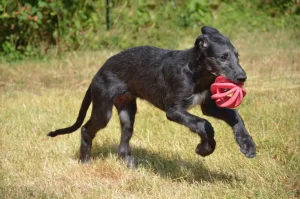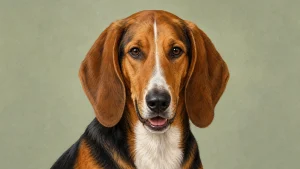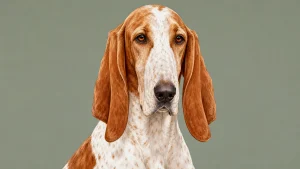
Drever
Breed Group
Hound Dogs
Country of Origin
Sweden
Breed Size
Medium
AKC Recognition
No
FCI Recognition
No
Family dog
Fair4 / 10
Good with kids
Fair4 / 10
First-time owner
Below Average4 / 10
Apartment dog
Good6 / 10
Yard need
Below Average6 / 10
Can be left alone
Average5 / 10
What Do Owners Want to Know?
Are Drever good family dogs?
Drevers make excellent family companions because they are loyal, affectionate, and even-tempered by nature. However, potential owners should be aware of their stubborn streak and high stamina, which necessitate early, consistent training and regular vigorous exercise. They also tend to get along well with other dogs, making them suitable for multi-pet homes.
Family dog: 4 / 10
Are Drever good with kids?
Drevers are generally excellent with children, displaying a patient, tolerant, and affectionate nature. Their sturdy build and even temperament make them well-suited for family life and capable of handling active play. As with any breed, supervision is recommended to ensure interactions remain respectful and safe for both the dog and the child.
Good with kids: 4 / 10
Are Drever good for first-time owners?
Drevers may be challenging for first-time owners due to their high stamina and stubborn nature, which require a significant commitment to consistent training and vigorous exercise. While they are loyal and even-tempered companions, novices must be prepared to manage their strong prey drive and vocal personality to ensure a well-behaved household pet.
First-time owner: 4 / 10
Are Drever good apartment dogs?
Drevers are good apartment dogs due to their manageable medium size and even-tempered nature. While they have high stamina and a vocal scenthound heritage, they can adapt well to smaller spaces if owners commit to regular vigorous exercise and mental stimulation. Consistent training is necessary to manage their stubbornness and barking to ensure they remain considerate neighbors.
Apartment dog: 6 / 10
Do Drever need a yard?
A yard is not strictly required for a Drever, as they can adapt to various living situations if their physical and mental needs are met. However, a securely fenced yard is highly beneficial for this energetic scenthound, providing a safe space to manage their high stamina and tracking instincts. Consistent daily walks and vigorous activity are necessary to keep them healthy and prevent boredom-related behaviors.
Yard need: 6 / 10
Can Drever be left alone?
Drevers can typically handle being left alone for moderate periods due to their steady and somewhat independent nature. However, because they are vocal scenthounds with high exercise needs, they may become restless or bark excessively if left for too long without proper physical and mental stimulation.
Can be left alone: 5 / 10
Are Drever good with cats?
Drevers may struggle to coexist with cats due to their strong prey drive and history as tenacious hunting scenthounds. While they are even-tempered with people and other dogs, their instinct to chase smaller animals is significant. Success in a multi-pet household depends on early socialization and very slow, supervised introductions, but they are often noted to get along well with other household pets if introduced properly.
Good with cats: 2 / 10
Are Drever aggressive?
Drevers are typically even-tempered and friendly companions, not inherently known for aggression. While they are loyal and affectionate with their families, their history as tenacious hunting hounds means they can be determined and occasionally stubborn. Early socialization and consistent training are important to ensure they remain well-behaved and confident around strangers or other animals.
Aggression tendency: 5 / 10
Are Drever high-energy dogs?
Drevers are energetic scenthounds that require regular vigorous exercise and mental stimulation to manage their high stamina. They thrive when given opportunities to explore and follow scents in secure areas, as their strong prey drive and hunting instincts keep them active and alert. Without appropriate outlets for their energy, they may become bored or prone to vocalizing, making consistent physical and mental engagement essential for their well-being.
Energy level: 7 / 10
How much exercise does a Drever need?
Drevers require approximately 45 to 60 minutes of daily exercise to manage their high stamina and satisfy their strong hunting instincts. This should include vigorous activities such as brisk walks, jogging, or playtime in a securely fenced area. Because they are scenthounds, allowing time for sniffing and providing mental stimulation is essential to keep them engaged and prevent boredom-related behaviors.
Exercise need: 5 / 10
Can Drever live in hot weather?
Drevers have a fair tolerance for hot weather but are at risk of overheating due to their thick coats and physical exertion. Owners should provide ample shade and fresh water, and limit vigorous exercise to the cooler morning or evening hours. It is crucial to monitor for signs of heat exhaustion and never leave them in a parked vehicle, as temperatures can rise to dangerous levels quickly.
Hot weather tolerance: 4 / 10
Can Drever live in cold weather?
Drevers have a moderate tolerance for cold weather thanks to their Swedish heritage and thick coats. While they handle cool temperatures well, their short legs keep them close to frozen ground, so owners should monitor for shivering and consider protective layers during extreme freezes to ensure their comfort.
Cold weather tolerance: 5 / 10
Are Drever banned in apartments or rentals?
Drevers are rarely subject to breed-specific bans, as they are not typically classified as an aggressive breed. However, because they are vocal scenthounds with high exercise needs, they may face restrictions in some apartments or be subject to general weight and size limits. Always verify specific landlord policies or insurance requirements before moving in.
Rental restriction risk: 6 / 10
Vet Insights
Drevers are robust and generally healthy, but their unique physical structure requires specific veterinary attention. As a scenthound with a short-legged, long-backed build, they are predisposed to Intervertebral Disc Disease (IVDD), making weight management and the use of ramps to avoid jumping from high surfaces critical to their long-term health. Owners should also monitor for ear infections due to their drop ears and potential spinal strain. Because they are prone to obesity, which exacerbates joint and back issues, I recommend a strict diet and regular, low-impact exercise. Early screening for hip dysplasia and maintaining a consistent dental care routine are also essential for this long-lived Swedish breed.