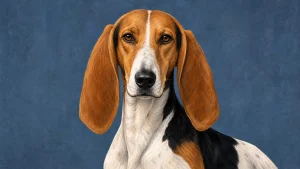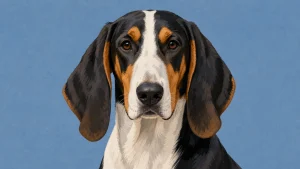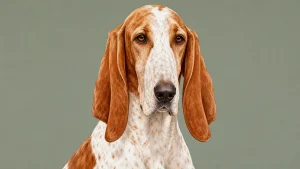
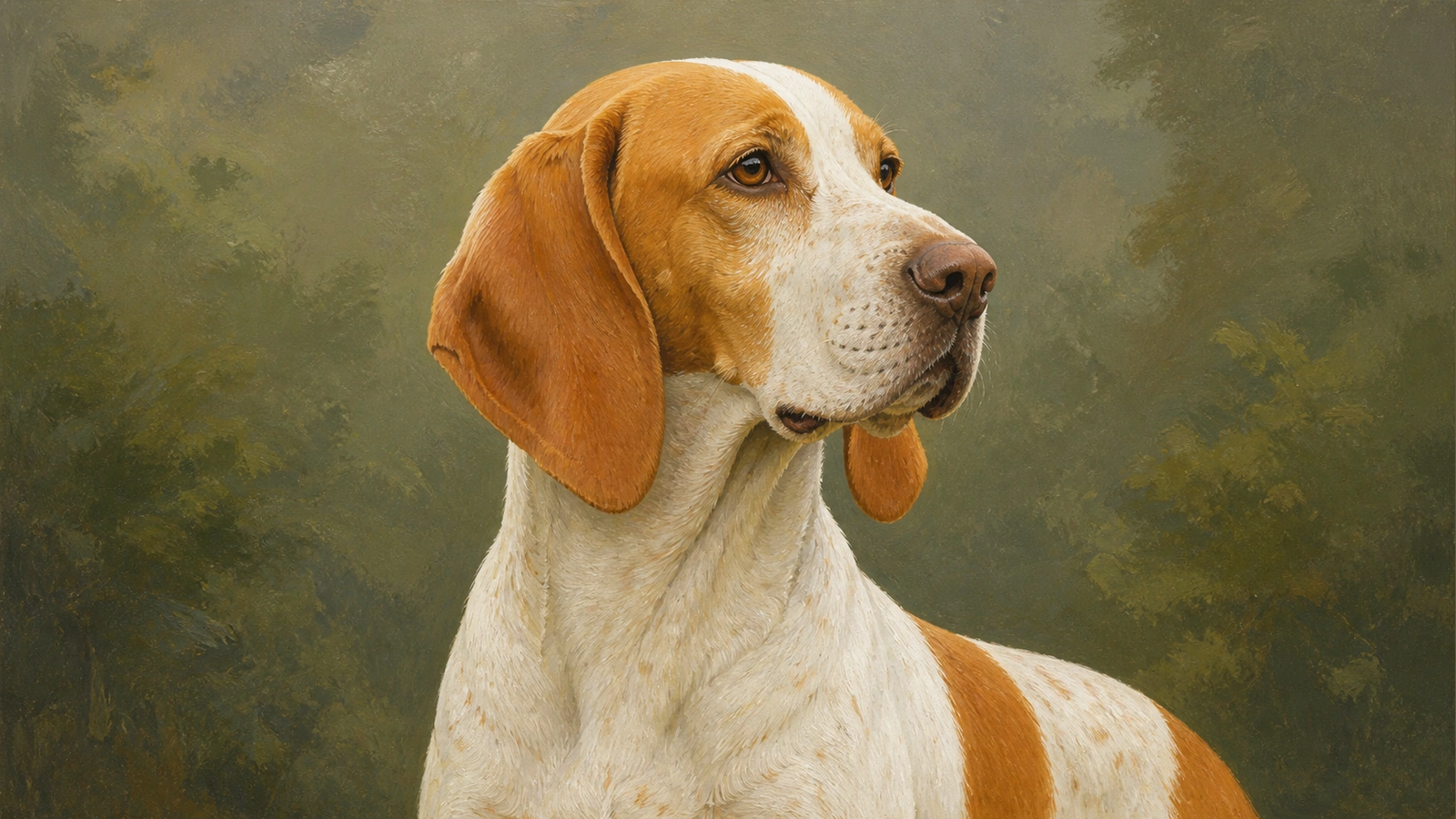
French White and Orange Hound - MAIN HUB
BREED GROUP
Hound Dogs
Country of origin
France
BREED SIZE
Large
BREED HEIGHT
24 -
28 IN
61 -
71 cm
BREED WEIGHT
15 -
66 LB
7 -
30 KG
WHAT YOU NEED TO KNOW
american kennel club (AKC) recognition
No
Breed was recognized in 0.

International Canine Federation (FCI) recognition
No
Breed was recognized in 0.
WHAT DO OWNERS WANT TO KNOW?
Are French White and Orange Hounds good family dogs?
Average
5 out of 10
The French White and Orange Hound is a loyal and affectionate companion for families, but they are best suited for experienced owners who can provide firm leadership. Due to their high exercise needs, loud bay, and strong prey drive, they thrive in active households with plenty of space rather than apartment settings.

Are French White and Orange Hounds good with kids?
Average
5 out of 10
French White and Orange Hounds are generally respectful and tolerant with children, making them trustworthy companions. However, they are energetic scenthounds that rarely engage in playful antics, preferring to satisfy their hunting instincts outdoors. Because of their large size and high energy, supervision is recommended to ensure interactions remain safe and appropriate for younger family members.
Are French White and Orange Hounds good dogs for first time owners?
Good
6 out of 10
French White and Orange Hounds are moderately recommended for first-time owners who can provide the firm leadership and consistent training this independent scenthound requires. While loyal and affectionate, their high exercise needs, loud bay, and strong prey drive demand a significant commitment to physical activity and mental stimulation that may be challenging for novices.
Are French White and Orange Hounds good apartment dogs?
Unsuitable
9 out of 10
French White and Orange Hounds are not suitable for apartment living due to their high exercise needs, loud baying, and strong prey drive. These athletic scenthounds require significant daily activity and plenty of open space to roam, which makes a home with a large, securely fenced yard far more appropriate for their physical and mental well-being.
Do French White and Orange Hounds need a yard?
Very Low
8 out of 10
A fenced yard is highly recommended for a French White and Orange Hound. As an athletic scenthound with high exercise needs and a strong prey drive, they thrive in environments with plenty of space to roam and explore safely. While they are loyal and affectionate, their loud bay and need for vigorous activity make a secure outdoor area essential for their physical and mental well-being.
Can French White and Orange Hounds be left at home alone?
Average
5 out of 10
French White and Orange Hounds are independent scenthounds that can generally tolerate moderate periods of solitude if their high exercise needs are met. However, as pack-oriented dogs, they may become vocal or destructive if left alone for too long without mental stimulation. They thrive best in active households where they receive consistent interaction and plenty of outdoor engagement to prevent boredom.
Do French White and Orange Hounds tolerate cats well?
Poor
7 out of 10
French White and Orange Hounds are generally not very compatible with cats due to their high prey drive and scenthound heritage. Their natural instinct to chase small animals can trigger a predatory response, making them a risky choice for multi-pet households. While early socialization may help, they are not typically recommended for living with feline companions.
Are French White and Orange Hounds known to be aggressive?
Balanced
5 out of 10
French White and Orange Hounds are not typically aggressive but can be independent and dominant toward other dogs if not properly socialized. They require firm leadership and early training to manage their hunting instincts and ensure they remain loyal, balanced companions within the family.
Do French White and Orange Hounds have a lot of energy?
Energetic
7 out of 10
French White and Orange Hounds are athletic scent hounds that possess a high level of energy and remarkable endurance. Originally bred for pack hunting, they thrive on vigorous activity and mental stimulation, often requiring structured outlets like scent work or long outdoor adventures to satisfy their instincts. While they can be calm indoors when properly exercised, their spirited nature and independent drive mean they are best suited for active owners who can provide consistent engagement.
How much exercise do French White and Orange Hounds need?
60-90 min a day
3 out of 10
French White and Orange Hounds are athletic scent hounds that require vigorous daily exercise, typically needing 60 to 90 minutes of active engagement to stay healthy. They thrive on long walks, hiking, and activities that utilize their keen sense of smell, such as tracking or scent work. Providing ample opportunities for free running in a securely fenced area and incorporating mental stimulation is essential to satisfy their hunting instincts and prevent destructive behaviors.
Do French White and Orange Hounds tolerate hot weather well?
Exceptional
10 out of 10
French White and Orange Hounds have an exceptional tolerance for hot weather, as their short coats and athletic frames allow them to regulate their body temperature effectively during outdoor activities. While they thrive in warm climates, owners should still provide constant access to fresh water and shade during peak sun hours to prevent heat-related fatigue.
Are French White and Orange Hounds good with cold weather?
Exceptional
10 out of 10
French White and Orange Hounds have an exceptional tolerance for hot weather, as their short coats and athletic frames allow them to regulate their body temperature effectively during outdoor activities. While they thrive in warm climates, owners should still provide constant access to fresh water and shade during peak sun hours to prevent heat-related fatigue.
Are French White and Orange Hounds sometimes banned from rentals?
Low Risk
7 out of 10
French White and Orange Hounds are typically at low risk for breed-specific bans, as they are a rare scenthound without a history of restricted status. While not commonly banned, their vocal nature and loud baying can lead to noise complaints in dense housing environments. Prospective owners should always check individual rental agreements and local noise ordinances to ensure this athletic hunting breed is permitted.
WHAT DO OWNERS WANT TO KNOW?