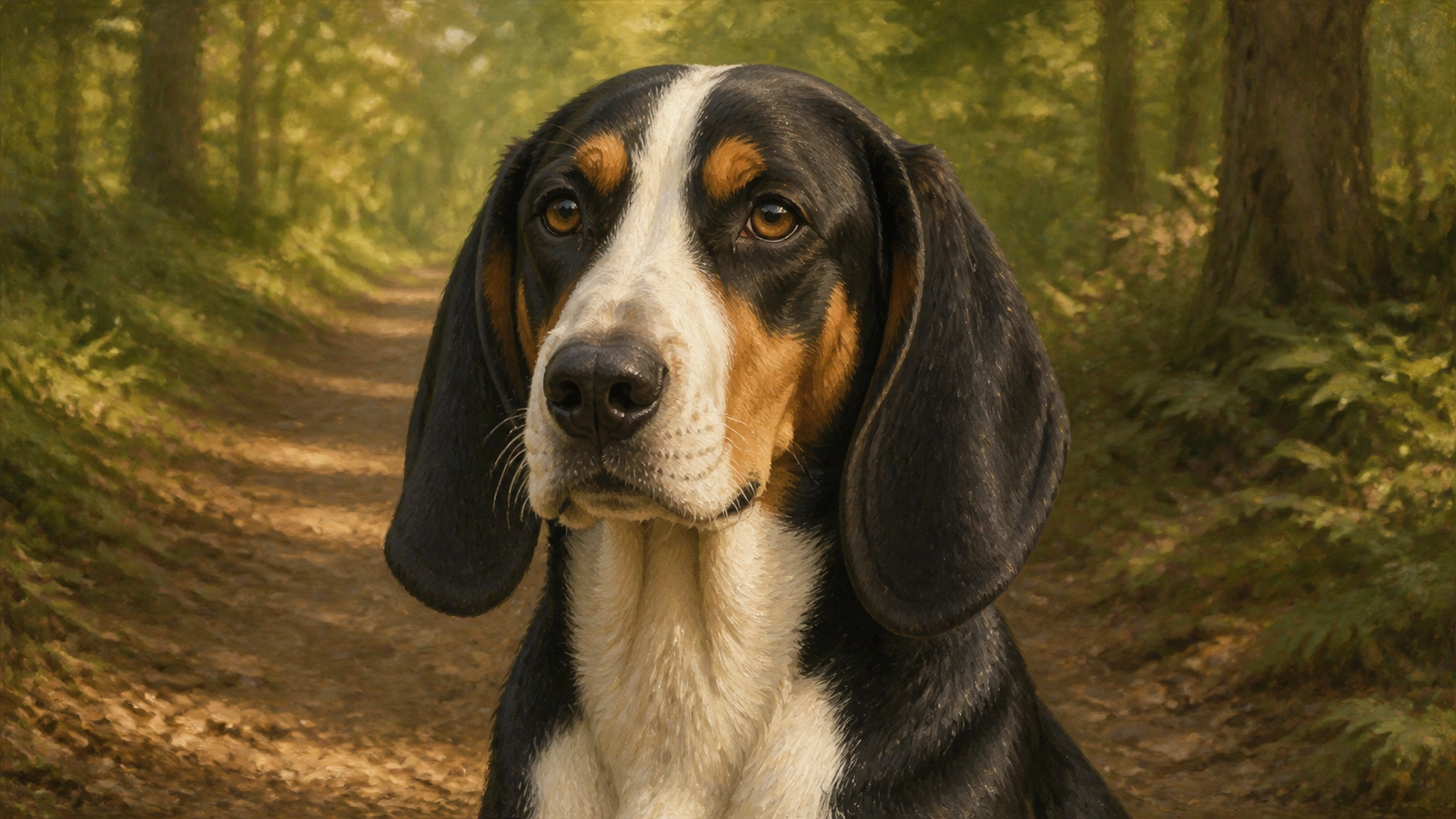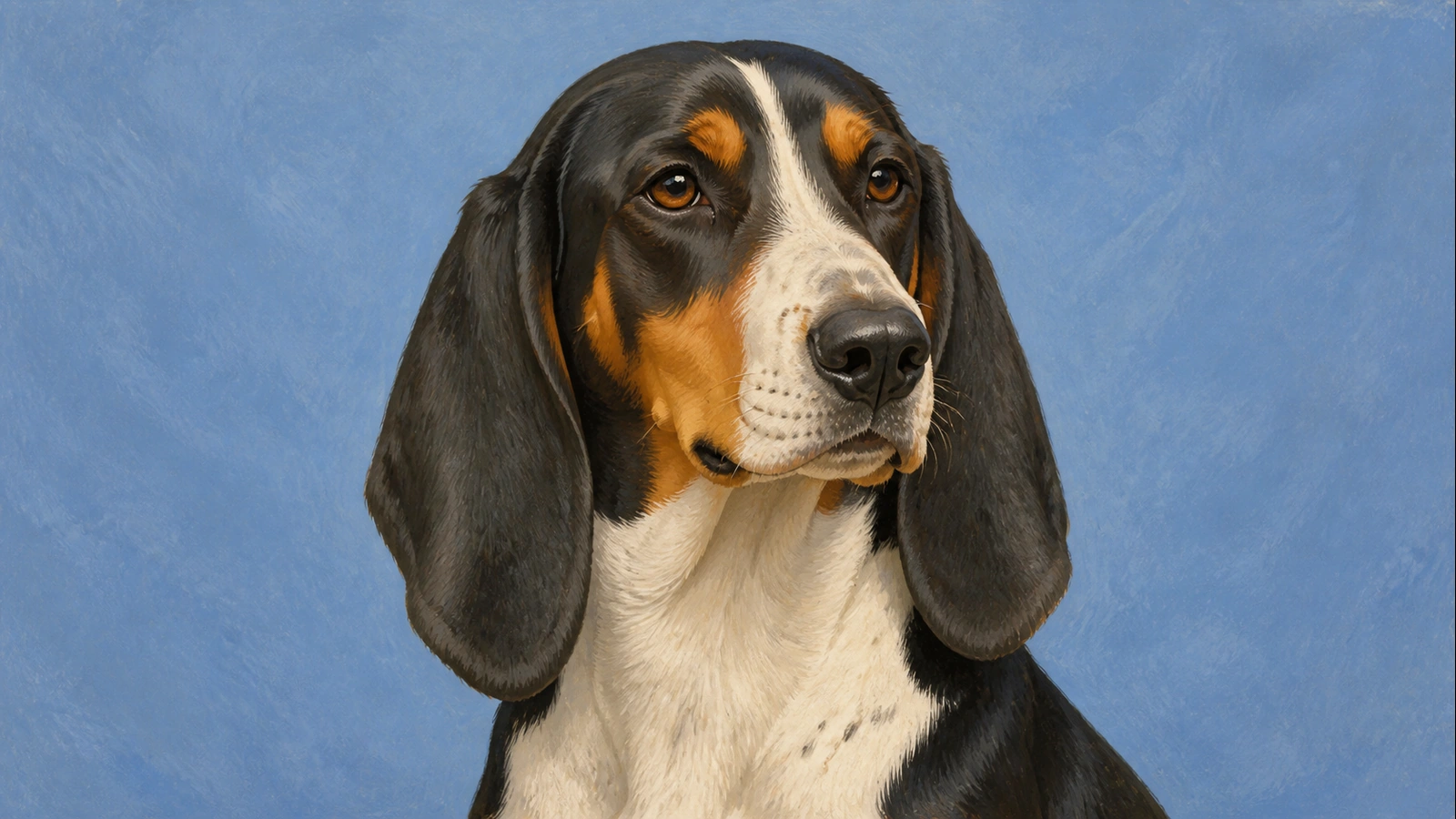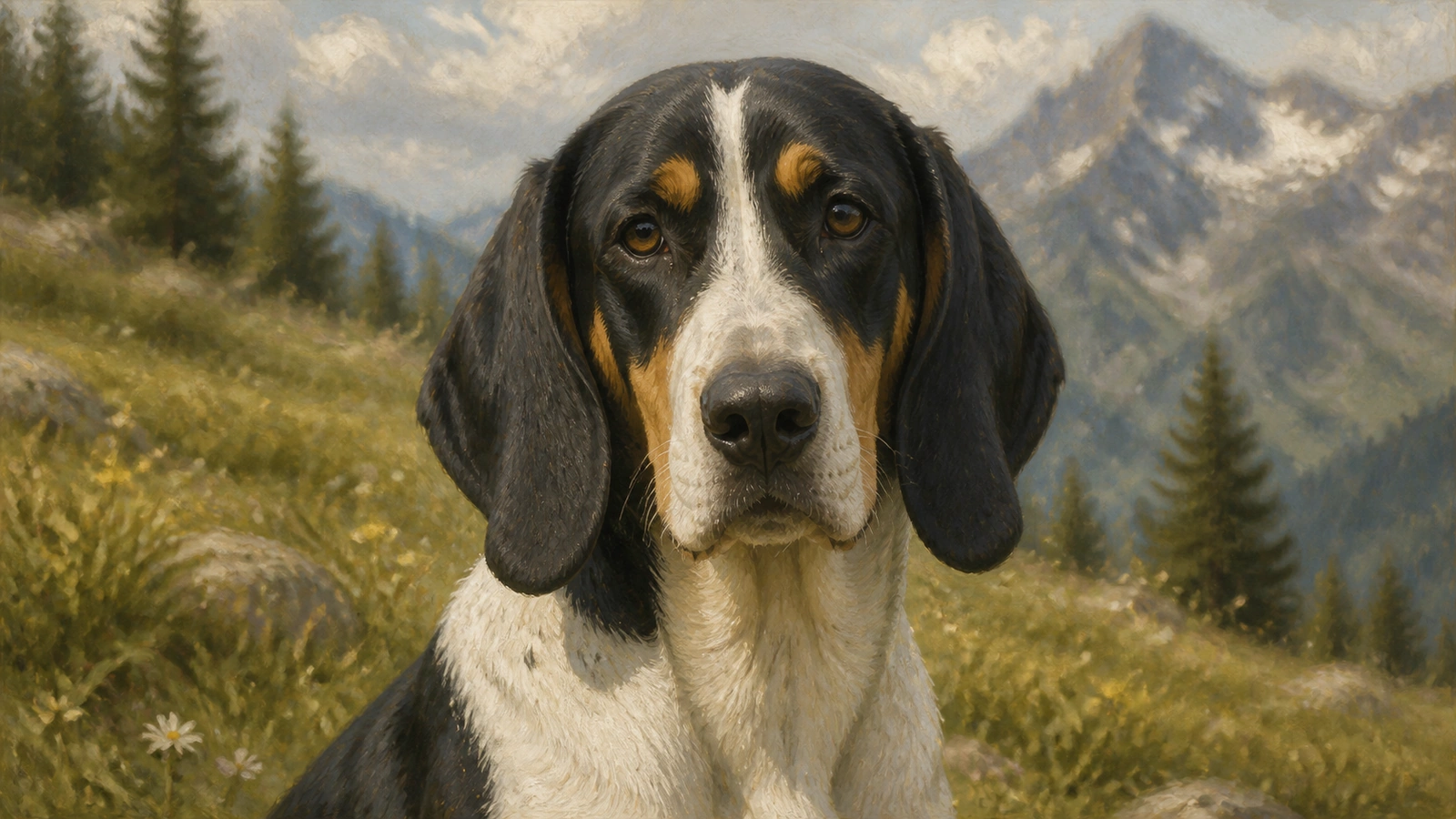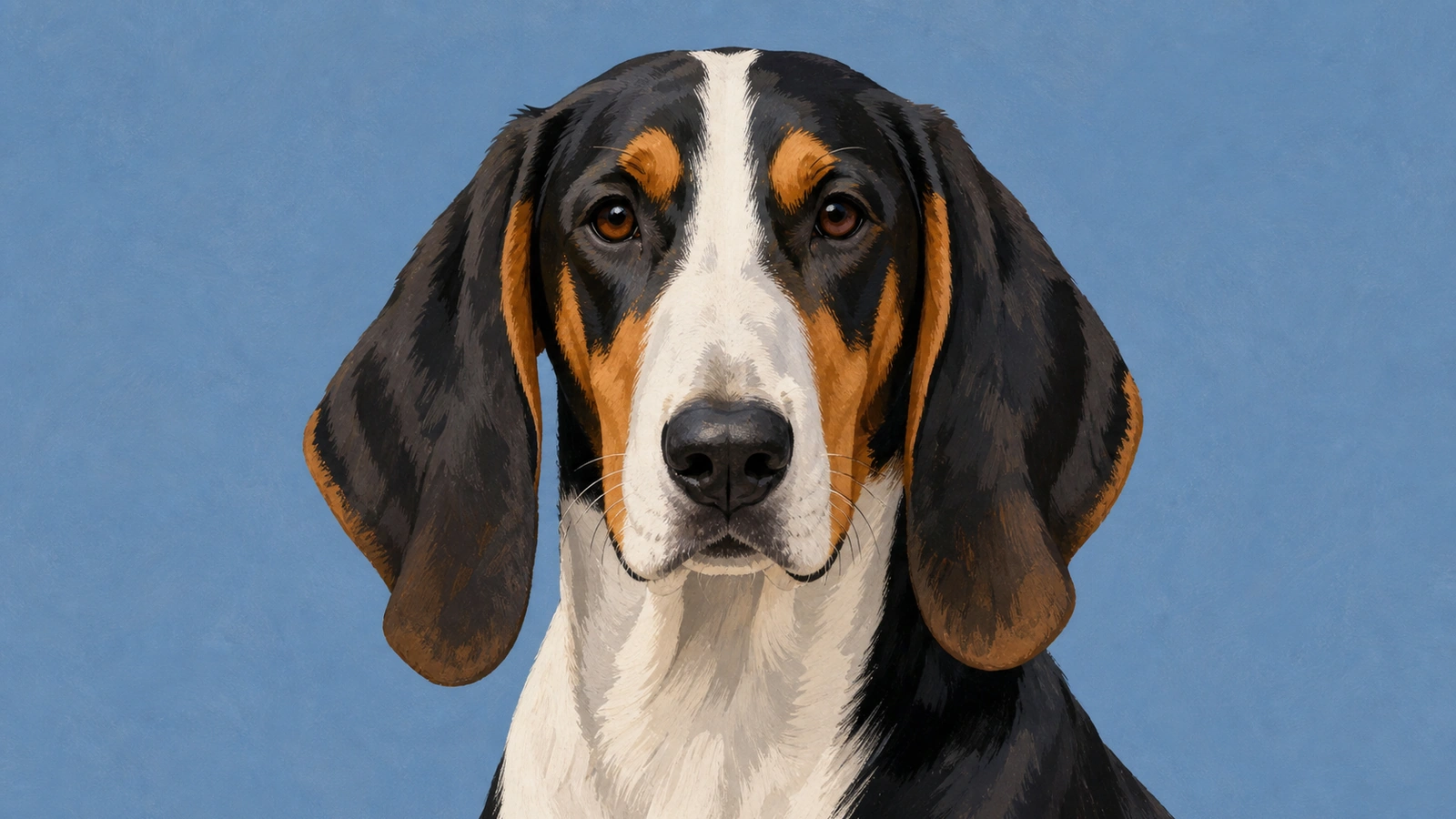
Swiss Hound - MAIN HUB
BREED GROUP
Hound Dogs
Country of origin
Switzerland
BREED SIZE
Medium
BREED HEIGHT
19 -
23 IN
48 -
58 cm
BREED WEIGHT
35 -
44 LB
16 -
20 KG
WHAT YOU NEED TO KNOW
american kennel club (AKC) recognition
No
Breed was recognized in 0.

International Canine Federation (FCI) recognition
Yes
Breed was recognized in 1954.
WHAT DO OWNERS WANT TO KNOW?
Are Swiss Hounds good family dogs?
Poor
2 out of 10
Swiss Hounds make loyal and docile family companions that are known for being deeply attached to their owners and eager to please. However, they are best suited for active families who can provide the 1-2 hours of vigorous daily exercise and mental stimulation they require to manage their high energy and tracking instincts.


Are Swiss Hounds good with kids?
Not Recommended
2 out of 10
Swiss Hounds are generally patient, gentle, and docile with children, making them suitable companions for active families. However, due to their high energy and spirited hunting nature, supervision is recommended with smaller children to ensure safe play. Providing consistent socialization helps these sensitive dogs remain well-behaved and deeply attached to all family members.
Are Swiss Hounds good dogs for first time owners?
Poor
2 out of 10
Swiss Hounds are generally considered a poor choice for first-time owners due to their high exercise requirements and independent nature. Their strong prey drive and single-mindedness when following a scent can make them a challenge to train, particularly regarding recall. Success with this breed requires a significant commitment to providing vigorous daily activity and consistent, patient socialization from an experienced handler.
Are Swiss Hounds good apartment dogs?
Fair
6 out of 10
Swiss Hounds are good apartment dogs because of their docile and sensitive nature, allowing them to remain calm indoors. However, their high energy and powerful tracking instincts mean they require at least 1 to 2 hours of vigorous daily exercise to stay content. Potential owners should be aware that their musical baying can be loud, so training to manage barking is essential for living in close proximity to neighbors.
Do Swiss Hounds need a yard?
Low
7 out of 10
A yard is not strictly required for a Swiss Hound, as they can adapt well to apartment living with sufficient activity. However, due to their high energy and tracking instincts, they thrive best with access to a securely fenced yard where they can explore and exercise safely. Regular vigorous daily walks and mental stimulation are essential to keep this breed healthy and content without a yard.
Can Swiss Hounds be left at home alone?
Very Good
8 out of 10
Swiss Hounds are deeply attached to their owners and prefer constant companionship, making them susceptible to separation anxiety if left alone for extended periods. While they can typically tolerate short intervals of solitude, they thrive in active households where they receive plenty of mental stimulation and physical activity to prevent boredom and destructive behaviors.
Do Swiss Hounds tolerate cats well?
Average
5 out of 10
Swiss Hounds generally coexist peacefully with cats, but their strong natural hunting and tracking instincts may trigger a drive to chase. Success depends on early socialization and consistent training from a young age. Providing cats with safe, high retreats and supervising all initial interactions is essential to ensure a harmonious and safe multi-pet household.
Are Swiss Hounds known to be aggressive?
Calm
8 out of 10
Swiss Hounds are not naturally aggressive; they are known for being docile, sensitive, and deeply attached to their owners. While they possess a strong prey drive typical of scenthounds, they are generally calm and friendly companions. Early socialization and consistent training are important to ensure they remain well-adjusted and manage their tracking instincts in a household setting.
Do Swiss Hounds have a lot of energy?
High Energy
9 out of 10
Swiss Hounds are energetic scenthounds with high physical and mental stimulation needs. Bred for endurance and tracking, they require substantial daily exercise to manage their natural instincts and prevent boredom. While they are docile and calm within the home, they are best suited for active owners who can provide regular outdoor adventures and vigorous activity.
How much exercise do Swiss Hounds need?
~120+ min a day
4 out of 10
Swiss Hounds are energetic scenthounds that require approximately 1 to 2 hours of daily vigorous exercise and mental stimulation to stay healthy. Originally bred for endurance and tracking, they thrive on activities that engage their keen sense of smell, such as long walks, hiking, or scent work. Consistent physical activity is essential for this breed to prevent boredom and manage their high energy levels.
Do Swiss Hounds tolerate hot weather well?
Great
8 out of 10
Swiss Hounds have a high heat tolerance and can comfortably handle warm weather, making them well-suited for active owners in sunnier climates. However, to prevent heatstroke, it is essential to provide constant access to fresh water and shade. Owners should still avoid intense activities during peak sun hours and watch for signs of overheating, such as excessive panting.
Are Swiss Hounds good with cold weather?
Great
8 out of 10
Swiss Hounds have a high heat tolerance and can comfortably handle warm weather, making them well-suited for active owners in sunnier climates. However, to prevent heatstroke, it is essential to provide constant access to fresh water and shade. Owners should still avoid intense activities during peak sun hours and watch for signs of overheating, such as excessive panting.
Are Swiss Hounds sometimes banned from rentals?
Moderate Risk
6 out of 10
Swiss Hounds face a moderate risk of apartment restrictions primarily due to their loud, musical baying and high exercise needs. While their medium size is generally acceptable, property managers may have concerns regarding potential noise complaints or boredom-related behaviors. Always verify specific breed lists and noise policies with landlords before signing a lease.
WHAT DO OWNERS WANT TO KNOW?