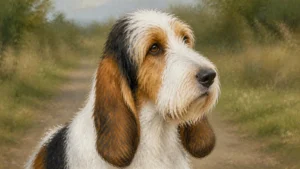
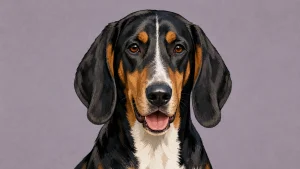
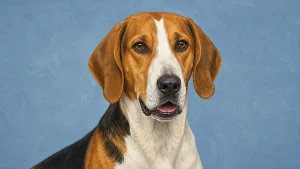
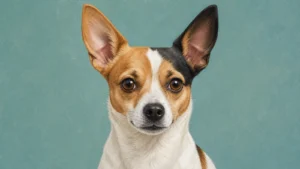
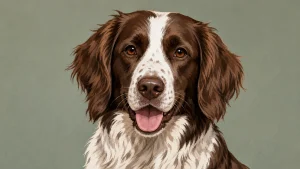
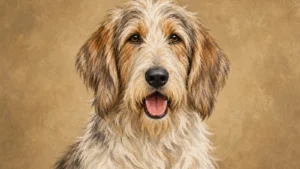
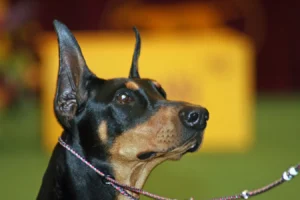
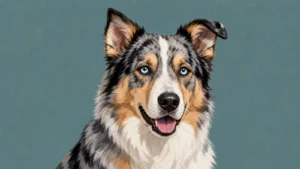
Swiss Hound Training Profile
Swiss Hounds are highly intelligent and eager to please, making them exceptionally easy to train. These cooperative hunters respond best to positive reinforcement and short, engaging sessions. While they require moderate mental stimulation and regular exercise, their docile nature and high trainability ensure they quickly master commands and housebreaking, becoming loyal, well-mannered companions.
TRAINABILITY
Very Easy
9 out of 10
MENTAL STIMULATION NEEDS
Above Average
7 out of 10
LOVE FOR GRUB
Moderate
5 out of 10
TRAINING FAQ
Are Swiss Hounds easy to train?
Eager
9 out of 10
Swiss Hounds are generally sensitive and docile companions that are very attached to their masters, making them relatively easy to train. While they are passionate and independent hunters with great stamina, they are described as cooperative and responsive to basic obedience commands. Using positive reinforcement and keeping sessions engaging will help manage their natural hunting instincts and ensure a well-mannered family pet.
Are Swiss Hounds stubborn?
Very Cooperative
9 out of 10
Swiss Hounds are generally cooperative and eager to please, making them easier to train than many other hound breeds. While they are intelligent and respond well to positive reinforcement, their powerful hunting instincts can occasionally lead to independent behavior or distractions when they catch a scent. Maintaining consistent, engaging training sessions and providing early socialization are key to managing their occasional stubbornness.
How to train a Swiss Hound puppy?
Very Good
9 out of 10
Train your Swiss Hound puppy using short, consistent sessions and plenty of positive reinforcement, such as food rewards and praise. Focus on early socialization to manage their strong hunting instincts and ensure they are comfortable around children and other pets. Maintain firm, consistent leadership to overcome occasional stubbornness, and start basic obedience training early to channel their high energy and lively nature into productive behaviors.
How difficult is to potty train a Swiss Hound puppy?
Easy
9 out of 10
Potty training a Swiss Hound typically takes 4 to 6 months for full reliability. While they are very easy to train and cooperative, their scent-driven nature and physical development require a consistent routine. Success relies on frequent outdoor breaks, positive reinforcement, and a strict schedule to ensure these agreeable dogs master housebreaking efficiently.
How many walks does a Swiss Hound need?
Moderate Needs
6 out of 10
Swiss Hounds are high-energy dogs with great stamina that require a significant amount of daily exercise, including long walks, hiking, or jogging. Due to their powerful tracking instincts and keen sense of smell, they should always be kept on a leash or in a securely fenced area to prevent them from wandering off after a scent trail. These dogs are happiest when they have a job to do or are allowed to run in open fields.
What is the best daily routine for a Swiss Hound?
Very High
9 out of 10
A Swiss Hound’s daily routine should focus on balancing their high energy with scent-based mental stimulation. Provide at least 45 to 60 minutes of daily activity, including long walks, hiking, or jogging where they have time to explore scents. Feed adult Swiss Hounds twice daily with a diet formulated for medium-sized active breeds, and monitor portions to prevent obesity. Essential daily care includes checking their long ears for dirt or wax build-up to prevent infections, along with short, engaging training sessions using positive reinforcement to keep them from becoming bored. Finally, ensure they have plenty of attention and interactive toys to prevent destructive behaviors caused by boredom.
VET INSIGHTS
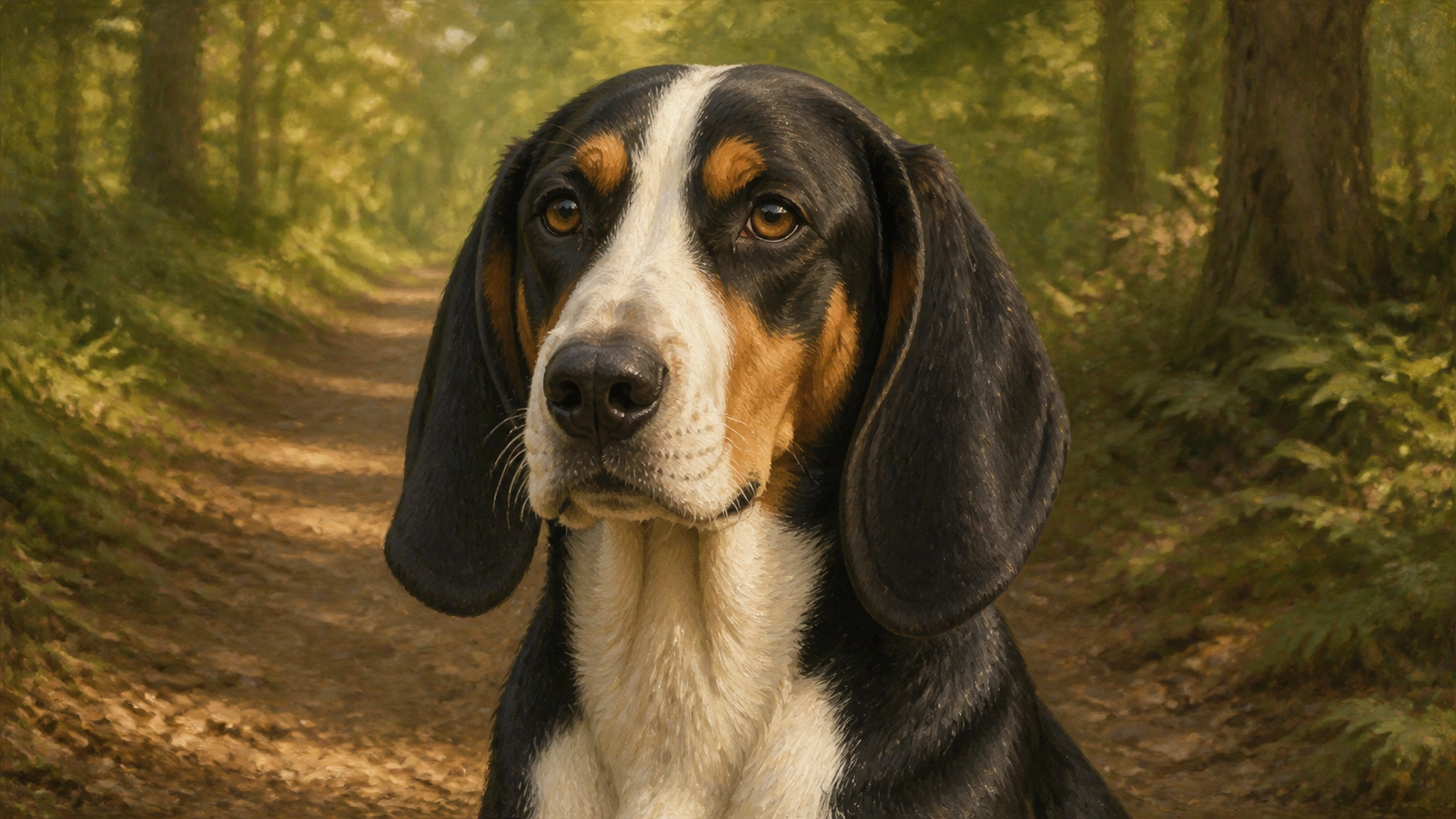
Swiss Hounds are intelligent, docile hunters that are exceptionally easy to train using positive reinforcement. They require at least 60 minutes of daily exercise, like long walks or hiking, to satisfy their high energy and scent-tracking instincts. Their routine emphasizes early socialization, ear cleaning, and consistent potty training, ensuring they develop into loyal, well-mannered family companions.
Reviewed by
Dr. Vojtech Gabriel
DVM · PhD · MBA
Veterinarian
Researcher
Dog breed specialist
✓
Verified