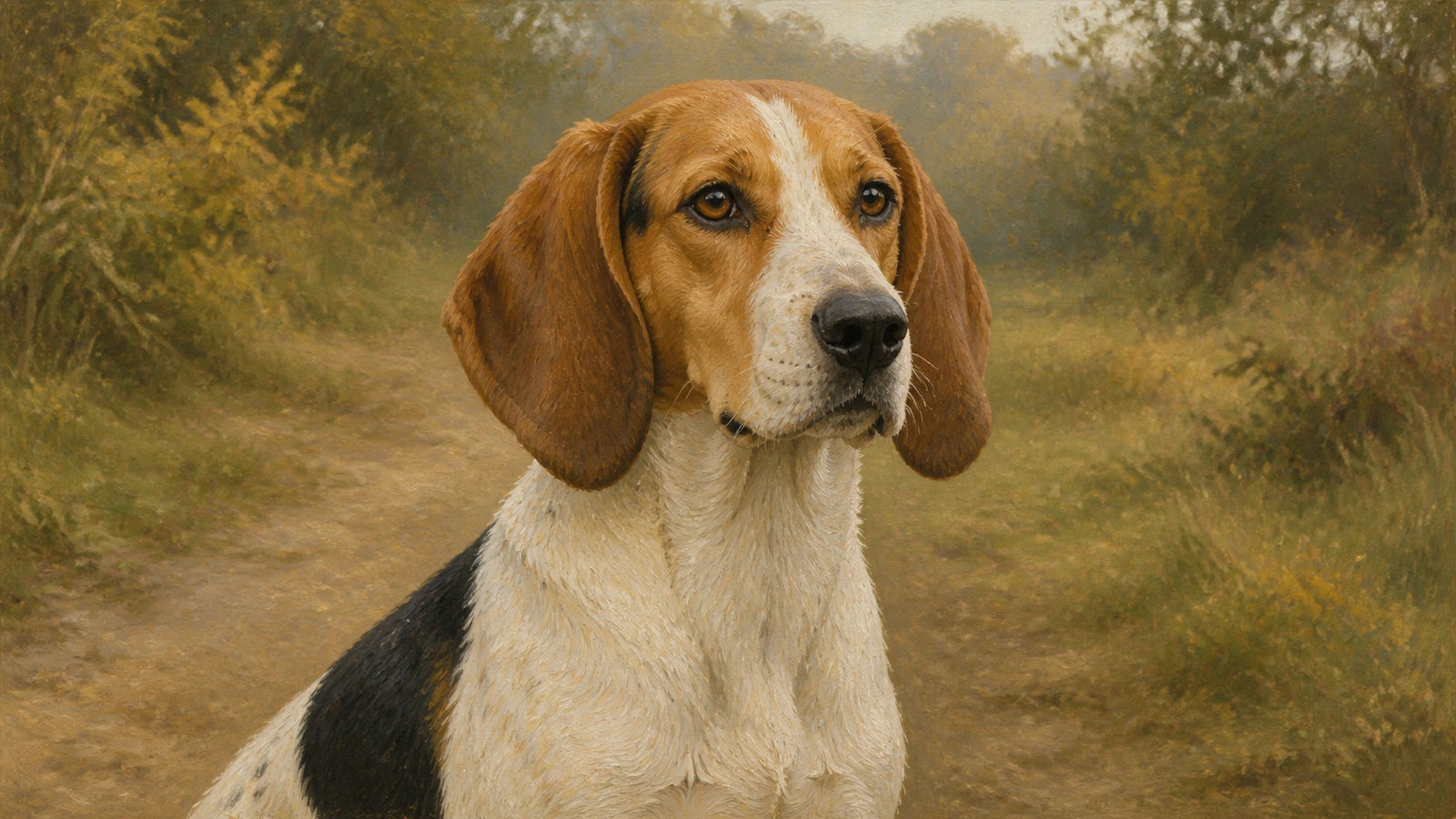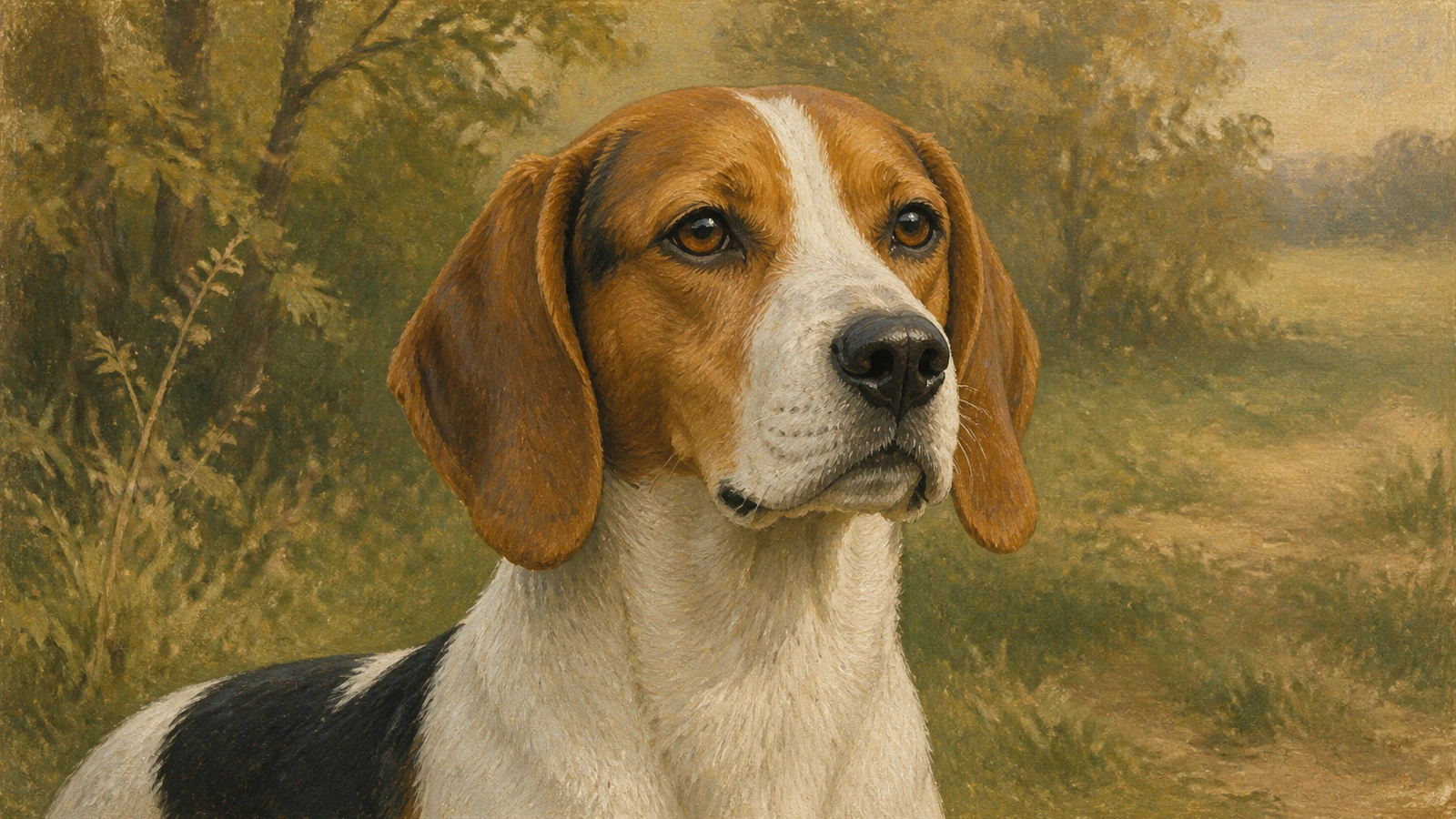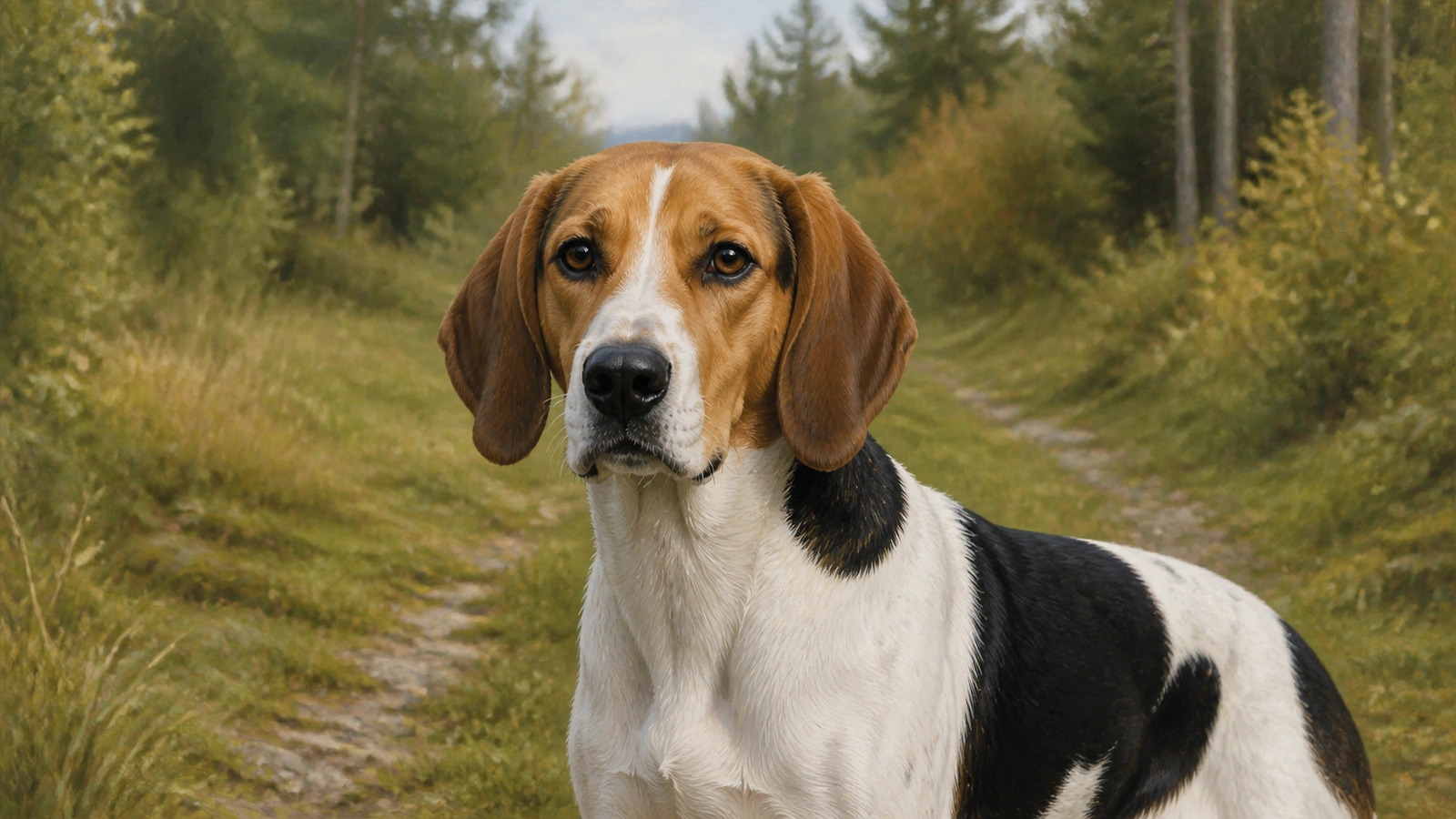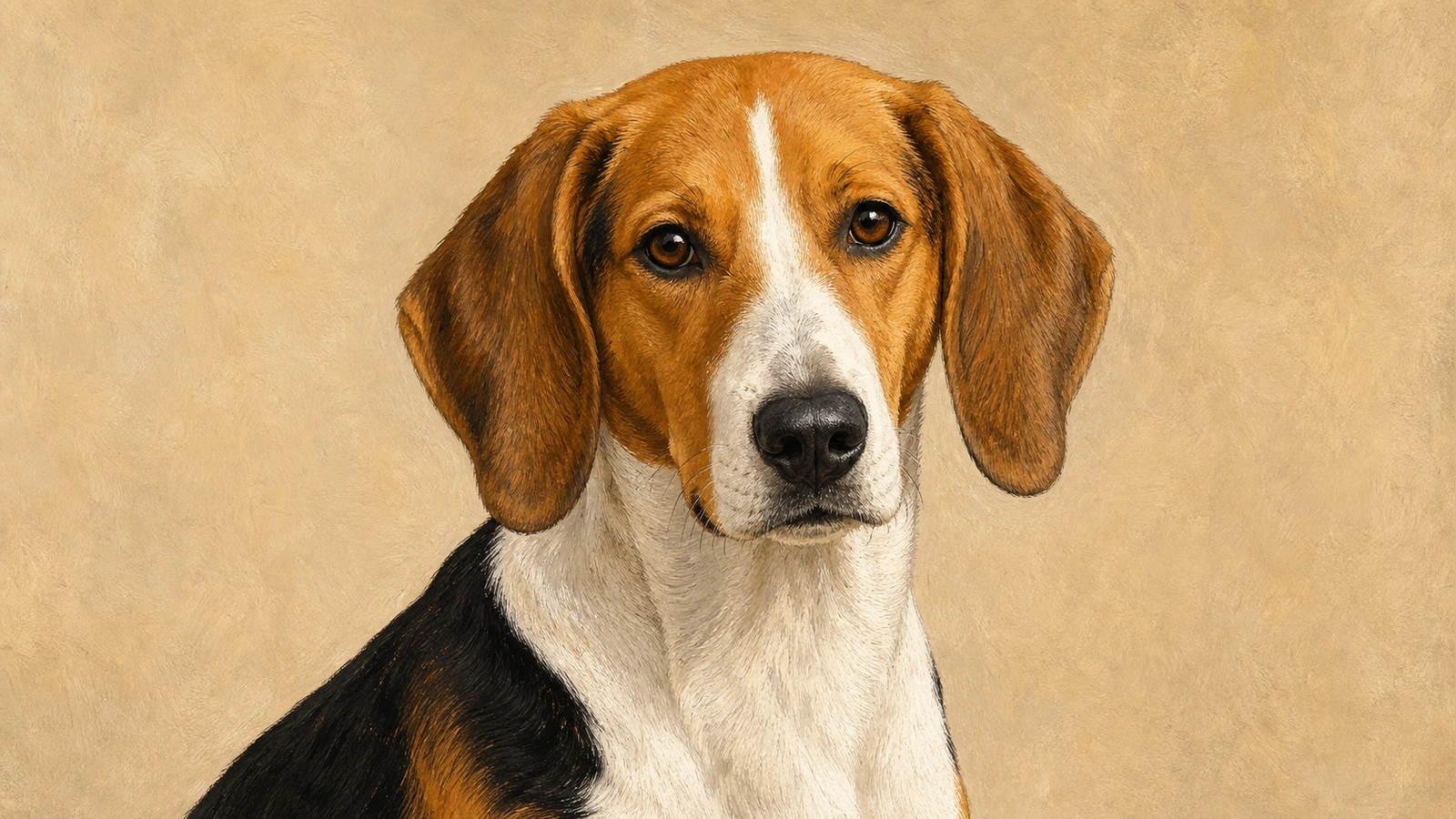
Estonian Hound - MAIN HUB
BREED GROUP
Hound Dogs
Country of origin
Estonia
BREED SIZE
Medium
BREED HEIGHT
17 -
21 IN
43 -
53 cm
BREED WEIGHT
33 -
44 LB
15 -
20 KG
WHAT YOU NEED TO KNOW
american kennel club (AKC) recognition
No
Breed was recognized in 0.

International Canine Federation (FCI) recognition
Yes
Breed was recognized in 2019.
WHAT DO OWNERS WANT TO KNOW?
Are Estonian Hounds good family dogs?
Good
7 out of 10
The Estonian Hound is an excellent family companion due to its friendly, calm, and even-tempered nature. They bond closely with humans and are generally good with children and other dogs, making them a devoted and sociable addition to a household.

Are Estonian Hounds good with kids?
Good
7 out of 10
Estonian Hounds are generally excellent with children, known for their calm, patient, and playful demeanor. They bond deeply with their families and are remarkably tolerant of children's active nature, often becoming devoted and gentle playmates. Early socialization and supervision during play are recommended to ensure positive and safe interactions for both the dog and the child.
Are Estonian Hounds good dogs for first time owners?
Very Good
7 out of 10
Estonian Hounds are excellent for first-time owners who lead active lifestyles and can meet their exercise needs. They are highly intelligent, eager to please, and relatively easy to train using positive reinforcement. While their strong hunting instincts and independent streak require consistent leadership and patience, their calm, friendly, and affectionate nature makes them rewarding companions for novices willing to commit to their physical and mental stimulation.
Are Estonian Hounds good apartment dogs?
Excellent
9 out of 10
Estonian Hounds can adapt well to apartment living because of their calm, even-tempered nature and relatively low indoor energy levels. While they are active hunters outdoors, they have a laid-back side and are known to be quiet and affectionate companions. Provided they receive a solid daily walk and mental stimulation, their medium size and polite demeanor make them suitable for smaller homes.
Do Estonian Hounds need a yard?
Highly Recommended
8 out of 10
A yard is not strictly required for an Estonian Hound, as they are adaptable and can thrive in apartments due to their calm and even-tempered nature. While a fenced yard is beneficial for their active moments, daily walks and consistent mental stimulation are sufficient to keep this loyal breed happy and healthy.
Can Estonian Hounds be left at home alone?
Average
5 out of 10
Estonian Hounds thrive on human interaction and do not like being left alone for long periods. Prolonged isolation can lead to boredom and anxiety, which may result in destructive behavior or excessive barking. They are happiest in households where someone is frequently present to provide companionship and mental stimulation.
Do Estonian Hounds tolerate cats well?
Very Good
7 out of 10
Estonian Hounds can coexist peacefully with cats, especially when raised together from a young age or socialized as puppies. However, their strong hunting instincts and prey drive mean they may still prone to chasing small animals. To ensure a safe and harmonious multi-pet household, introductions should be gradual and supervised, and the dog should not be left alone with feline companions.
Are Estonian Hounds known to be aggressive?
Balanced
5 out of 10
Estonian Hounds are not inherently aggressive; they are known for their friendly, calm, and even-tempered nature. While they may be standoffish or reserved with strangers, they are typically polite and well-mannered rather than hostile. Early socialization and consistent training help ensure their natural alertness and protective instincts remain manageable and do allowed them to develop into confident, well-behaved family companions.
Do Estonian Hounds have a lot of energy?
High
2 out of 10
Estonian Hounds are energetic and active hunters that possess a calm and even-tempered nature indoors. While they are enthusiastic and hardworking in the field, they are generally relaxed and affectionate at home, requiring a moderate amount of daily physical activity and mental stimulation to stay satisfied. Small bursts of play and consistent daily walks are usually enough to balance their moderate energy levels.
How much exercise do Estonian Hounds need?
~60-90 min a day
3 out of 10
Healthy adult Estonian Hounds are energetic working dogs that require approximately 60 to 90 minutes of vigorous daily exercise to remain happy and healthy. A combination of long walks, jogging, and interactive playtime is ideal to manage their high stamina. Incorporating scent work and mental stimulation through puzzle toys or training sessions is essential to satisfy their natural hunting instincts and prevent boredom-induced behaviors.
Do Estonian Hounds tolerate hot weather well?
Very Good
7 out of 10
Estonian Hounds generally tolerate warm weather well due to their short, sleek coats and athletic build. However, owners should still ensure they have constant access to fresh water and shade during peak summer temperatures. Limit intense hunting or exercise to the cooler morning and evening hours to prevent overexertion and maintain their comfort and safety in the heat.
Are Estonian Hounds good with cold weather?
Very Good
7 out of 10
Estonian Hounds generally tolerate warm weather well due to their short, sleek coats and athletic build. However, owners should still ensure they have constant access to fresh water and shade during peak summer temperatures. Limit intense hunting or exercise to the cooler morning and evening hours to prevent overexertion and maintain their comfort and safety in the heat.
Are Estonian Hounds sometimes banned from rentals?
Low Risk
7 out of 10
Estonian Hounds are generally considered low-risk for breed bans due to their calm, even-tempered nature and medium size. While they are not typically targeted by breed-specific legislation or common rental restrictions, always confirm specific weight limits and pet policies with individual landlords to ensure compliance with local lease agreements.
WHAT DO OWNERS WANT TO KNOW?