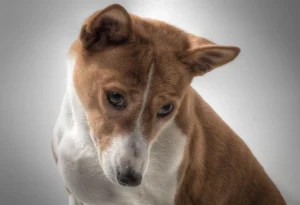
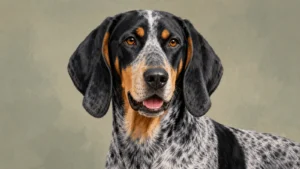
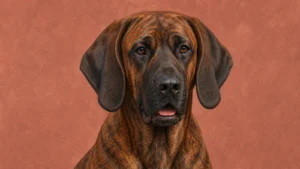
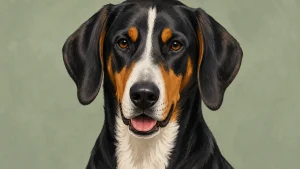
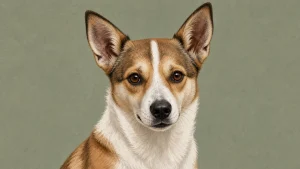
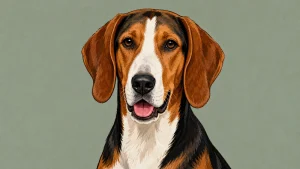
Estonian Hound Personality Profile
Breed Group
Hound Dogs
Country of Origin
Estonia
Breed Size
Medium
AKC Recognition
No
FCI Recognition
Yes, recognized in 2019
Friendliness
Very Accepting8 / 10
Attachment
Balanced5 / 10
Playfulness
Moderate6 / 10
Smart
Stubborn2 / 10
Cuddle
Moderately Cuddly6 / 10
Separation anxiety
Very Independent8 / 10
Personality FAQ
Are Estonian Hound smart?
Estonian Hounds are intelligent and eager to please, often making them easier to train than other scent hounds. However, their independent nature and strong hunting instincts can lead to a stubborn streak. They require consistent, positive reinforcement and early socialization to manage their distractibility and independent spirit.
Smart: 2 / 10
Do Estonian Hound like to cuddle?
Miniature Schnauzers are incredibly affectionate and thrive on human companionship. Known for their "Velcro dog" tendencies, they love snuggling on the couch and staying close to their favorite people. These outgoing extroverts form deep bonds and are happiest when included in all family activities and cuddle sessions.
Cuddle: 6 / 10
Do Estonian Hound get separation anxiety?
Estonian Hounds are very independent and generally handle alone time well. While they bond closely with their families and enjoy cuddling, they don't require constant attention. However, without enough mental stimulation, their independence can lead to boredom and destructive behavior, so regular exercise is essential.
Separation anxiety: 8 / 10
Do Estonian Hound bark a lot?
Estonian Hounds are naturally alert and will vocalize to warn you of approaching visitors, making them effective watchdogs. While generally friendly and non-aggressive with their families, they can be aloof or wary around strangers. Early socialization is essential to ensure their protective instincts remain balanced and manageable.
Barking: 4 / 10
Are Estonian Hound protective or territorial?
Estonian Hounds are naturally alert and will vocalize to warn you of approaching visitors, making them effective watchdogs. While generally friendly and non-aggressive with their families, they can be aloof or wary around strangers. Early socialization is essential to ensure their protective instincts remain balanced and manageable.
Protective tendency: 8 / 10
Vet Insights
Estonian Hounds are intelligent, friendly, and even-tempered hunting companions. They are deeply affectionate with family and excel as gentle playmates for children. While possessing an independent spirit that can lead to stubbornness, they are typically easy to train with positive reinforcement. These active hounds are social with other dogs but require regular exercise and mental stimulation to prevent boredom.