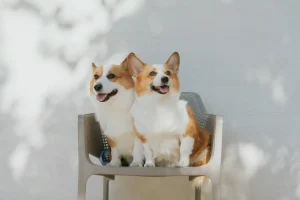
Schapendoes
Breed Group
Herding Dogs
Country of Origin
Netherlands
Breed Size
Medium
AKC Recognition
No
FCI Recognition
Yes, recognized in 1971
Family dog
Good7 / 10
Good with kids
Good7 / 10
First-time owner
Fair7 / 10
Apartment dog
Average5 / 10
Yard need
Low7 / 10
Can be left alone
Good7 / 10
What Do Owners Want to Know?
Are Schapendoes good family dogs?
The Schapendoes is an excellent family dog for active households due to its friendly, loyal, and high-spirited nature. While they are affectionate with their families, their strong herding instincts may lead them to try to corral children, so they require consistent mental and physical engagement.
Family dog: 7 / 10
Are Schapendoes good with kids?
Schapendoes are excellent companions for children due to their friendly, playful, and patient nature. Their medium size and sturdy build make them great playmates, though their strong herding instincts may lead them to try to corral children. Supervision is recommended to ensure interactions remain gentle and to manage their high-spirited energy during play.
Good with kids: 7 / 10
Are Schapendoes good for first-time owners?
Schapendoes are intelligent but have an independent herding nature. They can be a fair choice for novices who are committed to consistent training.
First-time owner: 7 / 10
Are Schapendoes good apartment dogs?
Schapendoes can adapt to apartment living if their high exercise needs are met, but they thrive best in homes with a yard.
Apartment dog: 5 / 10
Do Schapendoes need a yard?
A yard is highly recommended for a Schapendoes to accommodate their high energy and herding instincts.
Yard need: 7 / 10
Can Schapendoes be left alone?
Schapendoes are social and loyal dogs that can handle being left alone for moderate periods, but they prefer companionship.
Can be left alone: 7 / 10
Are Schapendoes good with cats?
The Schapendoes generally coexists well with cats, especially when raised with them from a young age. Their friendly and sociable nature helps them form positive relationships with other household pets. However, because they are a herding breed, they may occasionally try to corral or chase a cat, so introductions should be gradual and supervised.
Good with cats: 7 / 10
Are Schapendoes aggressive?
Schapendoes are not naturally aggressive and are known for their friendly and cheerful nature.
Aggression tendency: 7 / 10
Are Schapendoes high-energy dogs?
Schapendoes are high-spirited and athletic dogs that require substantial daily physical and mental stimulation.
Energy level: 5 / 10
How much exercise does a Schapendoes need?
Schapendoes require 1 to 2 hours of daily exercise, such as long walks, hiking, or agility, to prevent boredom.
Exercise need: 4 / 10
Can Schapendoes live in hot weather?
Schapendoes have a thick double coat and can be sensitive to heat. Owners should provide shade and avoid strenuous exercise in hot weather.
Hot weather tolerance: 5 / 10
Can Schapendoes live in cold weather?
Schapendoes are well-suited for cold weather due to their dense, shaggy double coat.
Cold weather tolerance: 5 / 10
Are Schapendoes banned in apartments or rentals?
Schapendoes are rarely subject to breed bans, as they are friendly and medium-sized dogs.
Rental restriction risk: 5 / 10
Vet Insights
Schapendoes are generally healthy, but owners should monitor for progressive retinal atrophy (PRA) and ensure their long coat is regularly groomed.