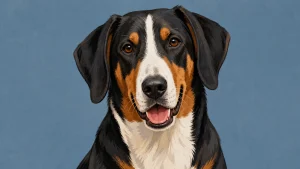
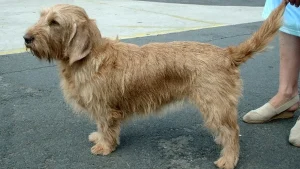
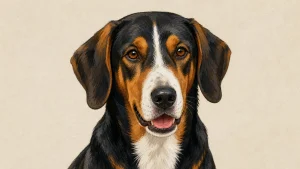
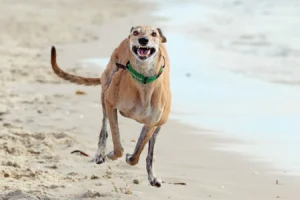
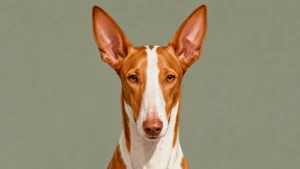
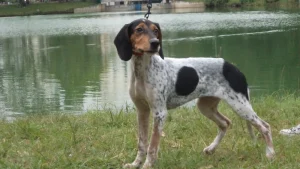
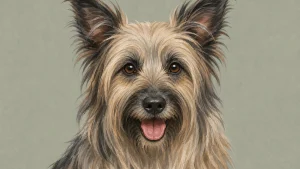
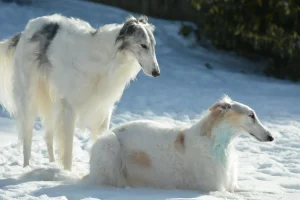
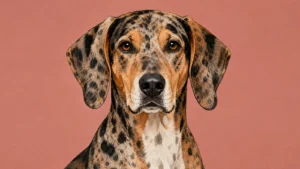
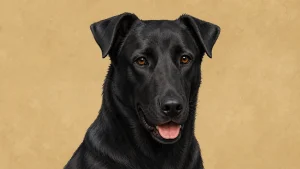
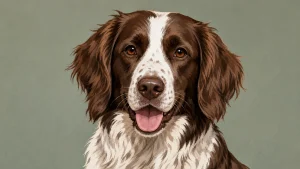
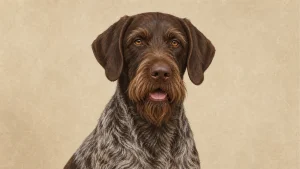
Appennine Hound
Breed Group
Hound Dogs
Country of Origin
Italy
Breed Size
Medium
AKC Recognition
No
FCI Recognition
Yes, recognized in 1954
Family dog
Below Average3 / 10
Good with kids
Good7 / 10
First-time owner
Not Recommended1 / 10
Apartment dog
Fair4 / 10
Yard need
Not Required10 / 10
Can be left alone
Fair3 / 10
What Do Owners Want to Know?
Are Appennine Hound good family dogs?
The Appennine Hound is a loyal and social breed that can make a good companion for active families who enjoy outdoor adventures. However, due to their high prey drive and significant exercise needs, they require consistent training and a securely fenced space to thrive.
Family dog: 3 / 10
Are Appennine Hound good with kids?
Appennine Hounds are generally good with children, known for being social and loyal family members. Their energetic and playful nature makes them fun companions, though their high prey drive and athletic build mean they are best suited for supervised interactions. Consistent training and early socialization are recommended to ensure they interact gently and safely with children.
Good with kids: 7 / 10
Are Appennine Hound good for first-time owners?
Appennine Hounds are generally not recommended for first-time owners due to their high prey drive and significant exercise requirements. While loyal, they are independent hunting dogs that demand consistent training and an active lifestyle, which can be challenging for those without previous experience managing athletic scenthounds. Success requires a dedicated commitment to providing both physical activity and mental stimulation to keep this driven breed balanced.
First-time owner: 1 / 10
Are Appennine Hound good apartment dogs?
While they can adapt to apartments, their high exercise needs and hunting nature make them better suited for homes with more space. Their loyal and social nature ensures they thrive as companions in an apartment environment if their needs are met.
Apartment dog: 4 / 10
Do Appennine Hound need a yard?
A yard is not strictly required for an Appennine Hound, as they can adapt well to various living situations if their daily exercise and mental stimulation needs are met. While a securely fenced yard is highly recommended to provide a safe space for this athletic hunter to manage its prey drive, regular walks and outdoor activities are sufficient to keep them healthy and engaged.
Yard need: 10 / 10
Can Appennine Hound be left alone?
Appennine Hounds are social and loyal hunters that bond deeply with their families, making them less suited for long periods of solitude. While they may tolerate moderate absences if their high exercise needs are met, they thrive best with frequent human companionship. Extended isolation can lead to boredom and destructive habits, so they are ideal for households where someone is often available to provide engagement.
Can be left alone: 3 / 10
Are Appennine Hound good with cats?
Appennine Hounds have a strong hunting background and a high prey drive, which can make living with cats challenging. While they may coexist with indoor cats if raised together from a young age and properly socialized, they are prone to chasing smaller animals. Consistent training and careful, supervised introductions are essential to maintain a safe environment.
Good with cats: 2 / 10
Are Appennine Hound aggressive?
Appennine Hounds are not typically aggressive; they are known for their intelligent, loyal, and social nature. As hunting dogs, they possess a high prey drive toward small animals, but they are generally friendly and bond closely with their human families. Proper socialization and regular physical activity are key to ensuring they remain well-adjusted and calm companions.
Aggression tendency: 3 / 10
Are Appennine Hound high-energy dogs?
Appennine Hounds are high-energy hunting dogs bred for long days tracking hares through mountain terrain. They need substantial daily exercise and mental stimulation, such as long hikes or nose work, to stay balanced and avoid restlessness or destructive habits.
Energy level: 8 / 10
How much exercise does a Appennine Hound need?
Appennine Hounds require significant daily physical and mental exercise to satisfy their athletic nature and natural hunting instincts. They thrive on activities like long hikes, brisk walks, and nose work that engage their keen sense of smell and keep them mentally sharp. Providing consistent opportunities for vigorous activity and interactive play is essential to ensure these loyal companions remain happy and well-adjusted.
Exercise need: 7 / 10
Can Appennine Hound live in hot weather?
Appennine Hounds generally tolerate warm weather well, but their active nature and double coats mean they can still overheat. Owners should provide constant access to shade and fresh water, and limit vigorous hunting or exercise to the cooler morning or evening hours. Monitoring for signs of heat stress, such as heavy panting or seeking shade, is essential to ensure they remain safe during outdoor activities.
Hot weather tolerance: 7 / 10
Can Appennine Hound live in cold weather?
Appennine Hounds are sensitive to cold temperatures due to their lean build and short coats. They lack the thick, insulating undercoat found in northern breeds, making them prone to shivering and discomfort in freezing weather. Owners should provide warm sweaters or jackets and limit outdoor exposure during winter months to ensure their safety and well-being.
Cold weather tolerance: 4 / 10
Are Appennine Hound banned in apartments or rentals?
Appennine Hounds are rarely subject to breed-specific bans due to their moderate size and social nature. As they are not commonly listed as high-risk or aggressive breeds, they are generally considered safe for most rental properties. However, because of their small to medium size and active hunting background, owners should confirm weight limits and individual landlord policies regarding high-energy scent hounds to ensure compliance with local lease agreements.
Rental restriction risk: 9 / 10
Vet Insights
The Appennine Hound is a hardy and athletic breed, but as a veterinarian, I recommend focusing on joint health and weight management to support their active lifestyle. Given their background as mountain hunters, they are prone to musculoskeletal injuries and hip dysplasia, so regular low-impact exercise and a balanced diet are essential. Their floppy ears can also trap moisture and debris, making them susceptible to chronic ear infections, so routine ear cleaning is a must. Because of their high prey drive and intensity during exercise, I also suggest monitoring for heat exhaustion during long outdoor sessions and ensuring they are kept in a securely fenced area to prevent roaming.