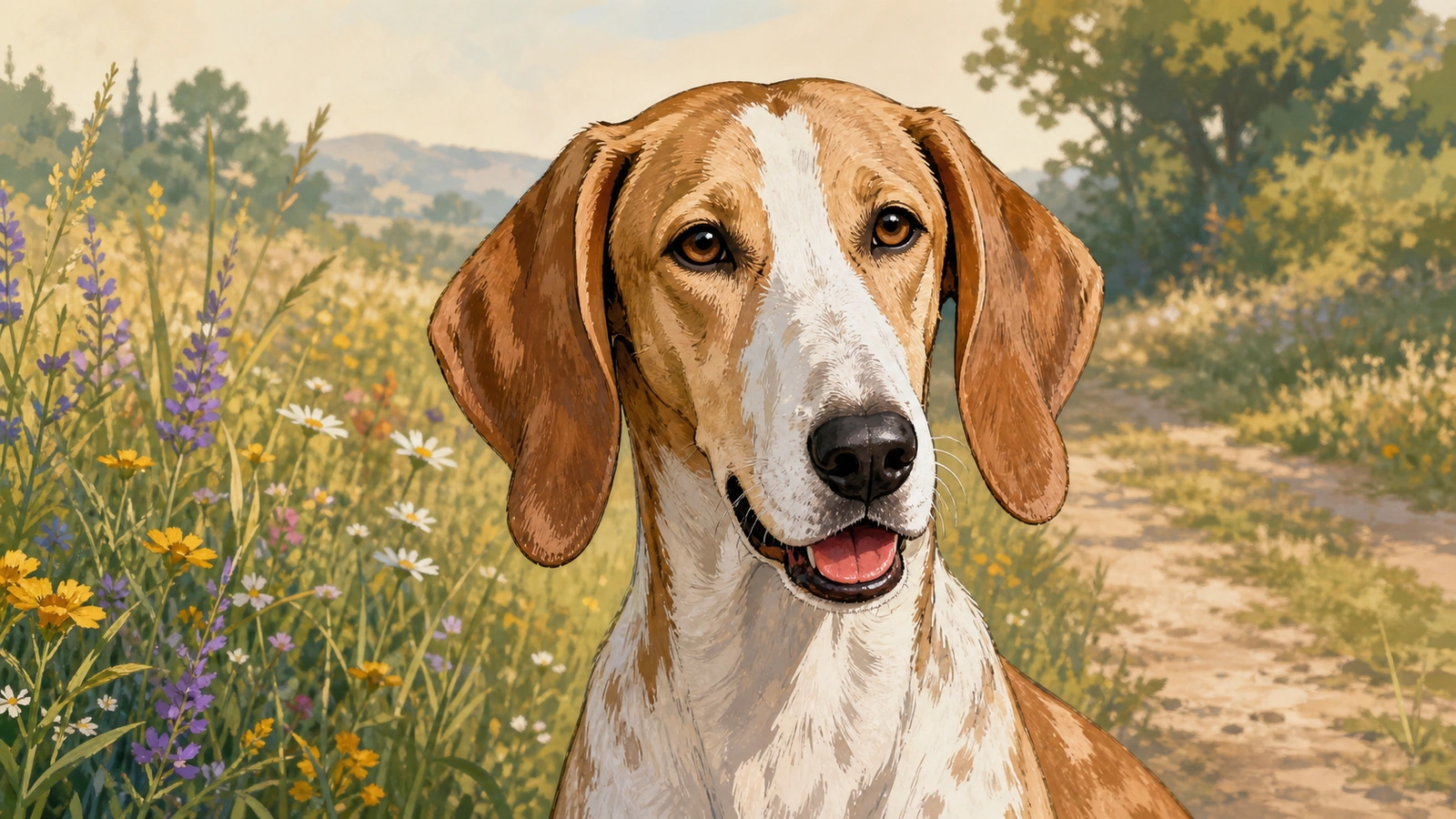
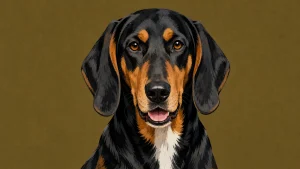
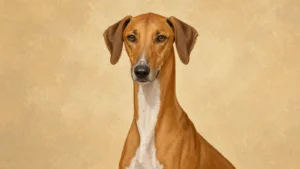
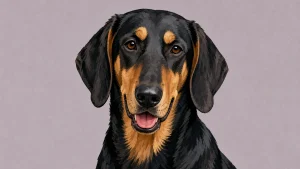
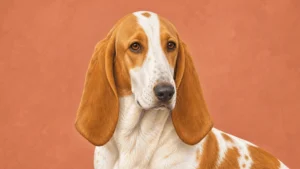
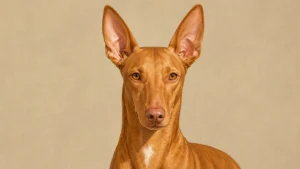
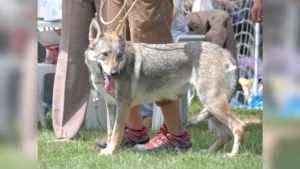
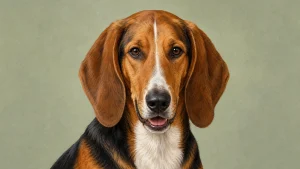
Appennine Hound – Italian Hare-Hunting Dog Grooming Profile
Weekly brushing manages moderate shedding. These hounds reach full height by 18 months and continue to fill out until age two or three.
COAT TYPE
Mixed/Variable
SHEDDING
Moderate
GROOMING SKILL
Easy
TRAINING FAQ
Are Appennine Hounds hypoallergenic?
SCORE
0/10
Worst Choice
Appennine Hound - Italian Hare-Hunting Dog are considered to have moderate allergy-friendly tendencies. They possess a mixed/variable coat that has moderate shedding. Their grooming needs are easy.
Do Appennine Hounds shed a lot?
SCORE
0/10
Average
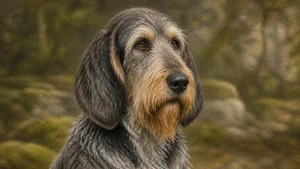
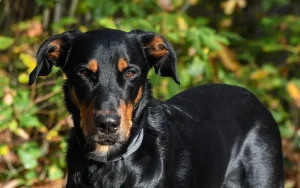
Appennine Hounds are moderate shedders. Both the smooth-haired and strong-haired varieties lose hair, but their short coat length makes it less noticeable than longer-haired breeds. Regular weekly brushing is essential to manage loose fur and keep their skin healthy, especially during seasonal shedding periods in spring and fall.
How often should you groom your Appennine Hound?
SCORE
0/10
30 mins/week
To maintain an Appennine Hound's coat, brush them at least once a week to manage shedding and keep their skin healthy. Regular ear cleaning and nail trims are also essential for their overall well-being.
Are Appennine Hounds low maintenance dogs?
SCORE
0/10
Moderate
Appennine Hounds are generally moderate-maintenance dogs. While their grooming needs are easy, they are active hunting dogs that require daily physical exercise and mental stimulation to prevent boredom.
How big do Appennine Hounds get?
SCORE
0/10
Medium
The Appennine Hound is a medium-sized hunting dog. They typically possess a sturdy, athletic build well-suited for varied terrain.
When do Appennine Hounds usually stop growing?
SCORE
0/10
18 months
Appennine Hounds typically reach their full adult height by 18 months of age. They continue to fill out and gain muscle mass until they are about two to three years old.
How much should a Appennine Hound eat?
SCORE
0/10
1-1.5 cups
Adult Appennine Hounds typically require 1 to 1.5 cups of high-quality dry food daily, divided into two meals. Adjust portions based on their activity level and age to maintain a lean, healthy condition.
How often should a Appennine Hound eat?
SCORE
0/10
3-4 meals/day
Appennine Hound puppies should be fed 3 to 4 meals a day to support healthy growth and their high energy needs. Consult your veterinarian for a feeding schedule tailored to your puppy.
VET INSIGHTS
Appennine Hounds are medium-sized Italian hunting dogs that reach full height by 18 months. They are moderate shedders with mixed coats requiring weekly brushing and easy grooming, needing 1 to 1.5 cups of food daily.